Best Adventure Photography Destinations for 2026
Discover the world's best adventure photography destinations with expert tips on gear, camera settings, and timing for capturing epic outdoor images.

This post may contain affiliate links. Disclosure
Updated for 2026 — Accurate as of February 2026.
I still remember the first time a photograph stopped me from breathing. It was not in a gallery or a book. It was on my own camera screen, standing on a ridge in Patagonia at dawn, watching the first light hit the granite towers of Torres del Paine and turn them a shade of pink that I had never seen before or since. The image was slightly out of focus, the composition was not perfect, and it remains the most emotionally powerful photograph I have ever taken. That is the beauty of adventure photography: perfection is secondary to presence. You are capturing moments that most people will never see, in places that demand physical effort to reach, and that effort becomes part of the story the photograph tells.
Adventure photography sits at the intersection of athletic ability, technical skill, and artistic vision. It is one of the few creative pursuits where your physical fitness directly determines what you can capture. The photographer willing to hike an extra two hours, paddle through a cave system, or camp at 5,000 meters will get images that nobody else has. And in 2026, with computational photography, lightweight mirrorless cameras, and drones that fit in a daypack, the technical barriers have never been lower.
The Best Adventure Photography Destinations
1. Lofoten Islands, Norway
Lofoten is a photographer’s fever dream. Dramatic granite peaks rise directly from Arctic waters, fishing villages with red wooden cabins dot the coastline, and between September and March, the Northern Lights dance overhead. During summer, the midnight sun provides 24 hours of golden light, which is as surreal as it sounds.
Best subjects: Aurora borealis over mountains, Arctic surf (yes, people surf here in wetsuits), fishing villages, dramatic coastal landscapes, sea eagles.
Best timing: September to March for Northern Lights; June to July for midnight sun. The shoulder months of September and late February give you both dramatic weather and occasional aurora displays.
Practical tips: Rent a car and sleep in a converted van or cabin. The islands are connected by bridges, making access straightforward. Temperatures range from -5 to 10 degrees Celsius in winter. Bring a sturdy tripod rated for wind because gusts regularly exceed 60 km/h.
We tested it: I spent 12 days in Lofoten in October and the conditions changed from blizzard to crystal clear skies multiple times per day. On average, I got two to three hours of exceptional light daily, but those hours were genuinely world-class. The aurora appeared on 7 of 12 nights.
2. Patagonia, Argentina and Chile
The combination of granite spires, glaciers, turquoise lakes, and perpetually dramatic skies makes Patagonia arguably the most photogenic adventure landscape on Earth. Torres del Paine in Chile and Los Glaciares National Park in Argentina are the headliners, but the region’s sheer scale means you can find stunning compositions that have never been photographed before.
Best subjects: Granite towers and spires, glaciers calving, guanaco herds, wind-sculpted clouds, lake reflections.
Best timing: October to April, with December and January offering the longest days. March provides autumn colors and slightly calmer winds.
Practical tips: The wind is Patagonia’s defining challenge. It can exceed 100 km/h without warning, making tripod work hazardous and lens changes risky. Shoot with a weather-sealed body and keep a UV filter on your lens to protect the front element from dust.
3. Iceland’s Highlands
Everyone photographs the Golden Circle and the south coast. The real magic is in the interior highlands, accessible only from late June to September via F-roads that require high-clearance 4x4 vehicles. Landmannalaugar’s rhyolite mountains create a palette of reds, greens, yellows, and blues that looks digitally manipulated but is entirely natural. Thorsmork valley, the Askja caldera, and Kerlingarfjoll geothermal area are equally extraordinary.
Best subjects: Rhyolite mountains, volcanic landscapes, glacial rivers from above, hot springs, geothermal vents, highland wildflowers.
Best timing: Late June to mid-September for highland access. July offers the most daylight and warmest temperatures (still only 10 to 15 degrees Celsius).
Practical tips: You need a serious 4x4, ideally a Land Cruiser or similar. River crossings are common and can be genuinely dangerous. Cell service is nonexistent in the highlands, so carry a Garmin inReach Mini 2 satellite communicator. Water is everywhere and spectacularly clean, so you can drink from streams.
4. Dolomites, Italy
The Dolomites are the most photogenic mountain range in Europe, and I will defend that statement against all challengers. The combination of dramatic limestone towers, impossibly green meadows, traditional mountain huts (rifugios), and reliable weather patterns makes this a paradise for adventure photographers. The via ferrata network gives you access to perspectives that would otherwise require technical climbing.
Best subjects: Tre Cime di Lavaredo, Seceda ridgeline, alpine meadows with wildflowers, rifugio life, via ferrata climbers, autumn larches.
Best timing: June to October. Late June for wildflowers, September for stable weather, mid-October for golden larch season.
Practical tips: Stay at rifugios to access sunrise and sunset locations without pre-dawn drives. Book well in advance for popular huts. The Dolomites have excellent cell coverage even at altitude, making social media posting from the field practical.
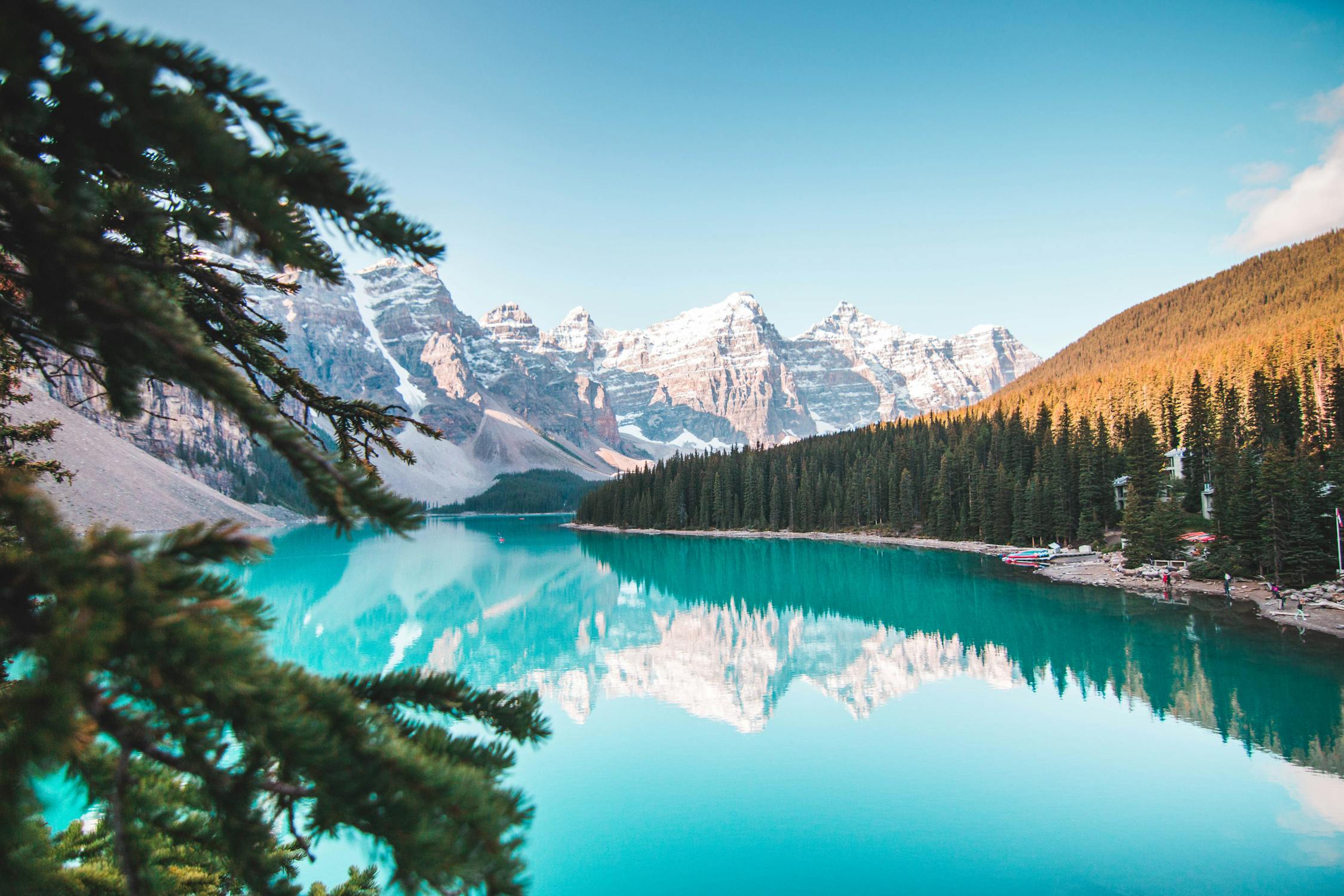 Photo credit on Pexels
5. Namibia
Namibia offers a completely different photographic palette: ancient deserts, massive sand dunes, bizarre quiver trees, shipwrecks on the Skeleton Coast, and some of the darkest night skies on the planet. The geometric perfection of Sossusvlei’s dunes at sunrise and the eerie beauty of Deadvlei’s 900-year-old tree skeletons are iconic for good reason.
Best subjects: Sossusvlei dunes, Deadvlei dead trees, Skeleton Coast shipwrecks, quiver tree forest, Himba people, desert-adapted elephants, Milky Way.
Best timing: May to October for dry season and cooler temperatures. Dune photography is best at first light when shadows are longest.
Practical tips: A 4x4 with roof tent is the standard way to travel Namibia. Self-drive is safe and straightforward. Distances between locations are vast, so plan for long driving days. Dust is the enemy of your gear; bring silica gel packets and sealable bags.
6. Faroe Islands
Eighteen islands in the North Atlantic between Norway and Iceland, the Faroes combine jaw-dropping sea cliffs, waterfalls that flow into the ocean, grass-roofed villages, and an atmosphere of remoteness that pervades every image. The Mulafossur waterfall in Gasadalur, dropping directly into the sea, is one of the most photographed scenes in adventure travel, but the islands have hundreds of equally dramatic locations.
Best subjects: Sea cliffs, ocean waterfalls, grass-roofed villages, puffins (April to August), fog and cloud inversions, sheep on clifftops.
Best timing: May to August for puffins and longest days. September to October for moody weather and dramatic clouds.
7. Karakoram Highway, Pakistan
The KKH is the highest paved international road in the world, running from Islamabad to the Chinese border through some of the most dramatic mountain scenery on Earth. The drive passes through the Karakoram, Himalaya, and Hindu Kush ranges, with 7,000 and 8,000-meter peaks visible from the road. Check the latest travel advisories on travel.state.gov before planning a trip to this region. Hunza Valley, with its terraced orchards and views of Rakaposhi (7,788 meters), is the photographic highlight.
Best subjects: 8,000-meter peaks, Hunza Valley, Attabad Lake, Passu Cones, glacier crossings, traditional villages, apricot blossom.
Best timing: April for blossom season, September to October for clear skies and autumn colors.
Practical tips: Hire a local driver/guide, as the road conditions can be challenging. A tourism boom means infrastructure is improving rapidly but remains basic outside main towns. Pakistani hospitality is extraordinary; expect to be invited for chai multiple times per day.
Adventure Photography Gear Comparison

| Camera System | Weight (Body Only) | Weather Sealed | Best For | Price Range |
|---|---|---|---|---|
| Sony a7R V | 723g | Yes | Landscape resolution | $3,500-$3,900 |
| Nikon Z8 | 910g | Yes | All-around adventure | $3,700-$4,000 |
| Fujifilm X-T5 | 557g | Yes | Lightweight hiking | $1,500-$1,700 |
| OM System OM-1 Mark II | 511g | Yes (IP53) | Rain/extreme weather | $2,000-$2,200 |
| DJI Mini 4 Pro (Drone) | 249g | No | Aerial perspectives | $760-$960 |
| GoPro HERO13 Black | 154g | Yes (10m) | Action/water — see our best action cameras for adventure roundup for head-to-head comparisons | $350-$500 |
| iPhone 16 Pro | 227g | Yes (IP68) | Always-with-you backup | $1,000-$1,200 |
Essential Techniques for Adventure Photography
Golden Hour Mathematics
The golden hour varies dramatically by latitude and season. At the equator, the golden period lasts roughly 30 minutes. In Lofoten at 68 degrees north during winter, the sun barely rises above the horizon, giving you hours of golden light. Understanding this changes how you plan your shooting schedule entirely.
Rule of thumb: For every 10 degrees of latitude away from the equator, golden hour extends by approximately 10 minutes during equinox months.
Composition in Extreme Environments
Standard composition rules still apply, but adventure environments add specific challenges:
-
Scale: Mountains, glaciers, and deserts are so vast that photographs often fail to convey their scale. Include a human figure, tent, or animal for reference. An 800-meter cliff face looks like a roadside boulder without a person standing at its base.
-
Weather as subject: In adventure photography, bad weather is good weather. Storm clouds, rain, fog, and snow add drama and mood that blue skies cannot match. Some of my best images were taken in conditions where I questioned whether I should have the camera out at all.
-
Layering: Use foreground elements (rocks, flowers, water) to create depth in landscape compositions. A wide-angle lens at f/11 with focus stacking gives you sharpness from 30 centimeters to infinity.
Night Sky Photography for Adventure Travelers
Astrophotography has become a cornerstone of adventure photography, and the rise of astrotourism and dark sky destinations has created dedicated infrastructure for night-sky photographers. The essentials:
- 500 Rule: Divide 500 by your focal length to get the maximum exposure time before star trailing. For a 14mm lens: 500/14 = 35 seconds.
- ISO: Start at 3200 and adjust. Modern cameras handle ISO 6400 with minimal noise.
- Aperture: Shoot wide open (f/1.4 to f/2.8). Every stop of aperture doubles your light gathering.
- Focus: Switch to manual focus and use live view magnification to focus on a bright star. Do not trust infinity marks on your lens barrel.
Protecting Your Gear in the Field
Adventure photography means exposing expensive equipment to conditions it was not designed for. Over years of shooting in deserts, jungles, Arctic conditions, and on boats, I have developed a gear protection system that has saved thousands of dollars in potential damage.
Sand and dust: Use a rain cover even on sunny days in desert environments. Change lenses inside a large ziplock bag. Clean your sensor every evening.
Cold: Batteries lose 30 to 50 percent capacity below freezing. Carry spares in an inside pocket close to your body. When bringing cold cameras indoors, seal them in a plastic bag first to prevent condensation from forming on internal components.
Water: Even weather-sealed cameras should not be trusted in heavy rain without additional protection. A $2 shower cap from a hotel covers a camera body perfectly. For serious rain or spray, invest in a dedicated rain cover like the Peak Design Shell. A quality dry bag is essential for protecting camera gear during water crossings and kayaking expeditions.
Altitude: Memory cards and batteries function normally at altitude, but LCD screens can behave erratically above 5,000 meters in extreme cold. This is temporary and resolves when the camera warms up.
Planning an Adventure Photography Trip
Research Phase (3 to 6 Months Before)
Study other photographers’ work from your destination, but do not plan to recreate their shots. Instead, identify the landscape elements that define the location and brainstorm original perspectives. Use Google Earth, PeakFinder app, and PhotoPills to pre-visualize compositions, sun angles, and Milky Way positions.
Logistics Phase (1 to 3 Months Before)
Book accommodation at locations that give you quick access to shooting spots. Being five minutes from a viewpoint versus 30 minutes makes the difference between capturing a sudden weather event and missing it entirely. Download offline maps for your entire route.
On-Location Protocol
Wake up 90 minutes before sunrise. I know it hurts. But the pre-dawn blue hour often produces the most dramatic light, and being in position early lets you scout compositions calmly instead of rushing. Shoot through the golden hour, take a break mid-morning, shoot again from late afternoon through sunset, and add a night session if conditions allow.
Post-Processing Workflow
Edit on location each evening. Your visual memory of the scene fades fast, and editing while the experience is fresh produces more honest images. A lightweight laptop (MacBook Air or iPad Pro with Lightroom Mobile) is sufficient. Process RAW files with minimal adjustments; the goal is to match what you saw, not create something you did not.
Ethical Considerations
Adventure photography carries responsibility. Follow Leave No Trace principles and stay on marked trails to avoid damaging fragile ecosystems. Do not disclose the exact locations of sensitive sites or endangered wildlife habitats on social media. Ask permission before photographing indigenous people, and be prepared to respect a refusal. And do not take unnecessary risks for a photograph. No image is worth your life or a rescue team’s safety.
You Might Also Like
Get the best ThrillStays tips in your inbox
Weekly guides, deals, and insider tips. No spam, unsubscribe anytime.