Couples Adventure Travel: 4 Epic 2-Week Itineraries
Plan the ultimate couples adventure trip with 2-week itineraries for New Zealand, Costa Rica, Patagonia, and Japan. Budgets, day-by-day routes, and tips.

This post may contain affiliate links. Disclosure
Updated for 2026 — Accurate as of February 2026.
My partner and I have a theory: the best thing you can do for your relationship is share a Type 2 Fun experience. Type 2 Fun is the kind that is miserable while it is happening but incredible in retrospect. Hauling yourself up a mountain in the rain, navigating a foreign bus system with zero common language, or capsizing a kayak in cold water and laughing about it as you wring out your clothes. These experiences forge a bond that no beach resort can replicate because they require communication, trust, teamwork, and the mutual vulnerability of being out of your depth together.
Research backs this up. A 2024 study from the University of British Columbia found that couples who engage in novel, challenging shared experiences report 23% higher relationship satisfaction scores than those who take traditional relaxation holidays. The researchers attributed this to increased oxytocin and dopamine production during shared challenges, combined with the creation of what they call “relationship capital”: a bank of shared memories that serves as emotional currency during difficult times.
Adventure travel for couples does require more planning than solo or group adventure. You need to account for differing fitness levels, risk tolerances, and interests. The itineraries in this guide are designed to balance adrenaline with romance, challenge with comfort, and togetherness with individual space. Each is built for a two-week window, which is enough time to experience meaningful adventure without burning out.
Itinerary 1: New Zealand South Island (14 Days)
New Zealand is the gold standard for couples adventure travel, and for good reason. Our New Zealand adventure travel guide covers the country in depth. The South Island packs glaciers, fjords, mountains, rainforest, and ocean into an area the size of Georgia (the US state), and the infrastructure is designed for independent travelers. The official tourism site is an excellent resource for planning your route. You can seamlessly alternate between heart-pumping activities and world-class wine and food.
Day-by-Day Breakdown
Days 1-2: Christchurch to Kaikoura Drive the scenic highway north to Kaikoura for whale watching. Sperm whales are present year-round, and the albatross colony at the peninsula is mesmerizing. Stay at a beachfront cabin and eat fresh crayfish from the roadside stands.
Days 3-4: Kaikoura to Abel Tasman Drive west across the island to the golden beaches of Abel Tasman National Park. Rent a double kayak and paddle the coastline, camping or staying in DOC huts. The turquoise water and fur seal colonies feel tropical despite the latitude.
Days 5-6: Abel Tasman to Franz Josef Drive the West Coast to Franz Josef Glacier. Book a heli-hike that lands you on the glacier surface for a guided ice walk. The scale of the glacier is humbling, and walking through ice caves together is genuinely romantic in a way that watching sunsets from a pool is not.
Days 7-8: Franz Josef to Wanaka Continue south to Wanaka, the more laid-back alternative to Queenstown. Hike the Roys Peak Track (16 km round trip) for one of the most iconic viewpoints in the country. Reward yourselves with craft beer and lakeside dining.
Days 9-11: Wanaka to Queenstown and Milford Sound Queenstown is the adrenaline capital. Choose your adventures: bungee jumping (do it holding hands), jet boating, skydiving, or the Routeburn Track (2-3 day version). Take a day trip to Milford Sound and kayak among the waterfalls.
Days 12-14: Queenstown to Dunedin and Moeraki Wind down along the coast. See the Moeraki Boulders, explore Dunedin’s wildlife (yellow-eyed penguins and albatross colony), and enjoy the best restaurant scene outside of Auckland.
Budget: $4,500 to $7,000 per couple (excluding international flights), including campervan rental, activities, food, and accommodation.
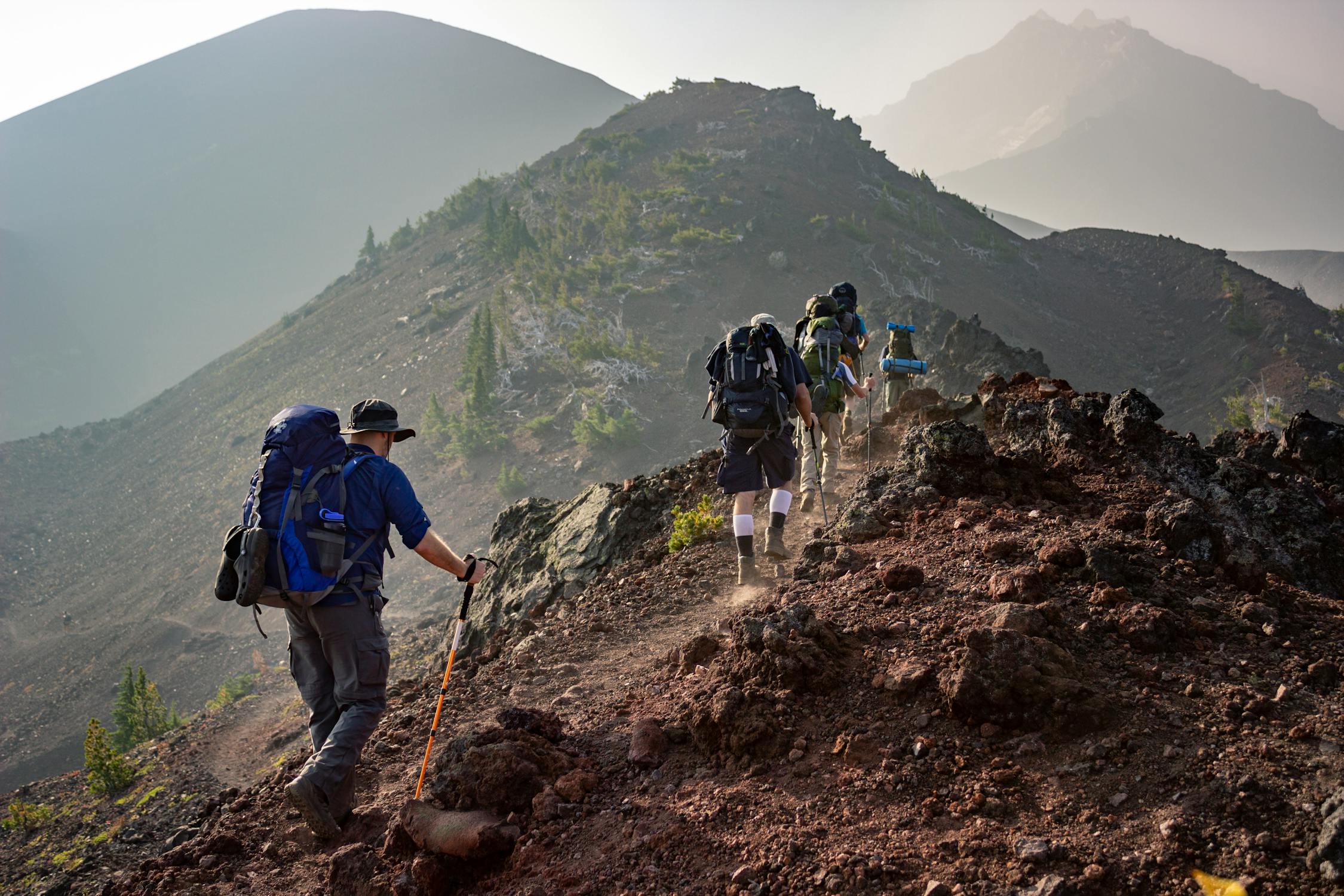 Photo credit on Pexels
Itinerary 2: Costa Rica Caribbean to Pacific (14 Days)
Costa Rica offers the rare combination of world-class adventure and genuine relaxation in a compact, safe, English-friendly country. This itinerary crosses from the Caribbean coast to the Pacific, covering jungle, volcanoes, and two distinct ocean ecosystems.
Day-by-Day Breakdown
Days 1-3: San Jose to Tortuguero Fly into San Jose and transfer to Tortuguero National Park, accessible only by boat or plane. This is the “Amazon of Costa Rica,” with canal boat safaris through jungle teeming with monkeys, sloths, caimans, and toucans. If visiting July to October, you may witness sea turtle nesting on the beach.
Days 4-5: Tortuguero to Arenal Transfer to Arenal Volcano. Hike the lava trails, zip-line through the cloud forest canopy, and soak in volcanic hot springs in the evening. La Fortuna Waterfall is a short hike that rewards with a swimming hole beneath a 70-meter cascade.
Days 6-7: Arenal to Monteverde Cross Lake Arenal by boat and continue to Monteverde Cloud Forest. The hanging bridges walk gives you a canopy-level perspective on one of the most biodiverse forests on the planet. Night wildlife tours reveal a completely different ecosystem of frogs, snakes, kinkajous, and owl species.
Days 8-10: Monteverde to Manuel Antonio Drive to the Pacific coast and Manuel Antonio National Park. The park combines white-sand beaches with primary rainforest, meaning you can snorkel with tropical fish in the morning and watch capuchin monkeys steal your lunch from the beach in the afternoon. Kayak through the mangroves at sunset.
Days 11-13: Manuel Antonio to Osa Peninsula For the most adventurous couples, continue south to the Osa Peninsula and Corcovado National Park, described by National Geographic as “the most biologically intense place on Earth.” Multi-day treks through the park require a guide and offer sightings of tapirs, peccaries, all four Costa Rican monkey species, and scarlet macaws.
Day 14: Return to San Jose Fly back from the Osa Peninsula or drive from Manuel Antonio. Spend your last evening in San Jose’s emerging food scene.
Budget: $3,500 to $6,000 per couple including domestic transport, mid-range lodges, activities, and meals.
Itinerary 3: Patagonia Argentina and Chile (14 Days)
Patagonia is the adventure destination that every couple puts on their list and then procrastinates because it seems complicated. It is not. Our Patagonia W Trek guide covers the logistics in detail. This itinerary is structured, achievable, and covers the region’s greatest hits.
Day-by-Day Breakdown
Days 1-2: Buenos Aires Arrive and spend two days exploring South America’s most cosmopolitan city. Steak dinners, tango shows, and the colorful La Boca neighborhood. Use this time to buy any last-minute gear and adjust to the time zone.
Days 3-5: El Chalten Fly to El Calafate and transfer to El Chalten, the trekking capital of Argentina. Hike to Laguna de los Tres for the classic Fitz Roy panorama (20 km, 8-10 hours). Follow it with the Laguna Torre hike for glacier views. El Chalten has excellent restaurants and breweries for evening recovery.
Days 6-7: Perito Moreno Glacier Transfer to El Calafate and visit Perito Moreno Glacier. The boardwalks provide breathtaking views, but for the full experience, book a Big Ice trek that puts you on the glacier surface with crampons. Watching house-sized chunks of ice calve into the lake while standing on the glacier is a shared memory you will reference for decades.
Days 8-10: Torres del Paine, Chile Cross the border into Chile and enter Torres del Paine National Park. The W Trek (4-5 days) is the premier couple’s trekking experience in South America, with refugio accommodation meaning you carry minimal weight. If time is limited, do the base of the Towers day hike (18 km, 8-10 hours) for the iconic viewpoint.
Days 11-12: Torres del Paine Continue the W Trek or take a puma tracking tour. Torres del Paine has one of the highest densities of pumas in the world, and specialized guides achieve an 80% sighting rate.
Days 13-14: Return via Puerto Natales or Punta Arenas Finish with a final day in Puerto Natales, a charming gateway town with excellent seafood. Fly out from Punta Arenas.
Budget: $5,000 to $9,000 per couple including domestic flights, refugio accommodation, park fees, and activities.
Itinerary 4: Japan Adventure Circuit (14 Days)
Japan is not a traditional adventure destination, but it offers a unique combination of cultural immersion, natural beauty, and physical challenge that couples consistently rate as their best trip ever. The country is safe, efficient, and endlessly fascinating.
Day-by-Day Breakdown
Days 1-2: Tokyo Explore Shinjuku, Shibuya, and Asakusa. Eat at an izakaya. Visit Meiji Shrine. Get your Japan Rail Pass and plan your logistics.
Days 3-4: Hakone and Mount Fuji Area Take the Romance Car train to Hakone for hot spring hotels (ryokan) with views of Fuji. Hike the Hakone loop trail. If visiting July-August, summit Mount Fuji overnight for sunrise from 3,776 meters.
Days 5-7: Japanese Alps (Kamikochi) Travel to Kamikochi in the Northern Alps. This mountain valley is Japan’s premier hiking destination, with trails through pristine forest to mountain huts serving hot meals. The Hotaka Ridge traverse is a challenging but stunning day hike.
Days 8-9: Kyoto Balance adventure with culture. Rent bikes and cycle through the bamboo groves and temple districts. Hike the Fushimi Inari trail through thousands of orange torii gates.
Days 10-11: Kumano Kodo Pilgrimage Hike sections of the ancient Kumano Kodo pilgrimage trail, one of only two UNESCO World Heritage pilgrimage routes (the other is the Camino de Santiago). Stay in traditional minshuku guesthouses along the trail.
Days 12-13: Yakushima Island Fly to this subtropical island covered in ancient cedar forests that inspired the Studio Ghibli film Princess Mononoke. The Shiratani Unsuikyo moss forest hike is one of the most magical walks on Earth.
Day 14: Return to Tokyo/Osaka Fly back for your departure. Last-minute shopping and ramen.
Budget: $5,500 to $9,000 per couple including JR Pass, ryokan stays, domestic flights, and activities.
Couples Adventure Travel Comparison
| Destination | Adventure Level | Romance Factor | Daily Budget (Couple) | Best Season | Fitness Required |
|---|---|---|---|---|---|
| New Zealand South Island | High | High | $300-$500 | Nov-Mar | Moderate |
| Costa Rica | Moderate-High | High | $250-$430 | Dec-Apr | Low-Moderate |
| Patagonia | High | Moderate | $350-$640 | Oct-Mar | Moderate-High |
| Japan | Moderate | Very High | $400-$640 | Mar-May, Oct-Nov | Low-Moderate |
| Iceland | High | High | $350-$550 | Jun-Aug | Moderate |
| Peru | High | Moderate | $200-$400 | May-Sep | Moderate-High |
Tips for Couples Adventure Travel
Managing Different Fitness Levels
The most common source of couples travel conflict is mismatched fitness. If one partner is an experienced hiker and the other is not, forcing the less experienced partner through a grueling trek breeds resentment. Solutions:
- Choose activities with variable intensity. Kayaking, snorkeling, and cycling allow each person to set their own pace.
- Split up occasionally. One partner does the hard summit attempt while the other enjoys a spa morning. Reuniting with different stories to share is excellent for conversation.
- Train together before the trip. Shared preparation builds excitement and ensures you are on the same page physically.
Communication and Decision-Making
Two weeks of 24/7 togetherness with constant decision-making is a stress test for any relationship. Establish ground rules:
- Alternate who makes daily decisions (where to eat, which activity to do, when to wake up).
- Build in alone time. Even one hour of separate exploration per day prevents the friction of constant compromise.
- Discuss budget expectations before departure. Money is the number one source of travel arguments. Our adventure travel budget guide can help you set realistic expectations together.
Accommodation Strategy
The best couples adventure trips alternate between rustic and comfortable accommodation. After three nights in mountain huts or tents, one night in a hotel with a real bed and hot shower feels like unimaginable luxury. This contrast amplifies both experiences: the adventure feels wilder, and the comfort feels more rewarding.
Dealing with Conflict on the Road
Adventure travel amplifies everything, including friction. Two weeks of constant togetherness, sleep deprivation, physical exhaustion, and unfamiliar environments will surface tensions that comfortable home routines mask. This is actually a feature, not a bug: couples who navigate these moments successfully build a resilient foundation. But a few practical strategies help:
- Establish a code word for “I need space.” Something light that both partners can say without judgment. This prevents resentment from building when one person needs alone time but feels guilty saying so.
- Debrief difficult moments in the evening, not in the moment. If a navigation disagreement leads to a wrong turn, shelve the discussion until dinner when you are both fed, rested, and calm.
- Celebrate small wins together. Reaching a summit, finding a hidden waterfall, or successfully ordering food in a foreign language. These shared victories are relationship currency.
Photography and Documentation
Assign one person as the “memory keeper” for each day, rotating daily. This prevents the all-too-common scenario where both partners are photographing everything and neither is present in the moment. The off-duty partner gets to simply experience the day while the other documents it.
Post-Trip Debrief
Within a week of returning home, sit down together and discuss your top three moments, one thing you would do differently, and one thing you want to do next. This transforms a single trip into an ongoing adventure partnership.
Recommended Gear for Couples Adventure Travel
Two items that make a shared adventure easier: the GoPro HERO13 Black is the natural couples camera — waterproof to 33 ft, shoots 5.3K, and handles everything from white water to summit hikes without a housing. Rotate who carries it each day and you end up with footage from both perspectives. The Anker Power Bank 20000mAh charges both phones simultaneously with 87W fast charging — one shared power bank is lighter and simpler than two separate ones.
 Shared gear for couples adventures — Photo on Pexels
You Might Also Like
Get the best ThrillStays tips in your inbox
Weekly guides, deals, and insider tips. No spam, unsubscribe anytime.