2026 Adventure Permit Systems: Digital Shifts, Booking Hacks
How the world's top wilderness permits went fully digital in 2026 — booking windows, fees, lottery odds, and the gear that keeps your access secure.

This post may contain affiliate links. Disclosure
The backcountry is no longer a paper-only playground. 2026 marks the year the world’s most coveted wilderness zones have gone fully digital, swapping walk-up lottery lines for timed-entry portals, QR-code checkpoints, and automated quota releases. The NPS alone recorded 323,014,305 recreation visits across 406 parks in 2025, including 13,016,577 overnight stays — a demand curve that has made permit systems the single biggest barrier to entry for serious adventure travelers. From the towering cliffs of Zion to the icy slopes of Kilimanjaro, every permit now lives in a cloud-based system that demands precise timing, a solid internet connection, and a backup plan when satellite coverage is the only safety net. This guide breaks down the biggest systemic shifts, the exact booking windows and fees you will face in each region, and the gear you need to keep your permits dry, visible, and reachable when you are miles from the nearest ranger station.
Short answer: Wilderness permits went fully digital in 2026. The National Park Service, which logged over 323 million recreation visits across 406 parks in 2025, now runs a nationwide timed-entry platform, and the Bureau of Land Management mandates electronic applications through RAPTOR. Booking windows and quota-release times now matter more than arriving early.
Global Shift to Digital Timed-Entry Permits
The digital timed-entry model has become the default across continents. In the United States, the National Park Service rolled out a nationwide timed-entry platform in 2025, and by 2026 every high-traffic park — Zion, Yosemite, Rocky Mountain — requires an online reservation before you can set foot on the trailhead. The Bureau of Land Management followed suit, mandating electronic applications through its RAPTOR system under the EXPLORE Act Title III, adding expedited categories for low-impact activities.
Outside the U.S., Nepal introduced a QR-code permit-tracking system at every checkpoint, while Chile’s CONAF now issues entry passes through a centralized web portal that locks in W-circuit campsites months in advance. The common thread: hard deadlines, non-refundable fees, and a lottery-style odds game that rewards early-bird vigilance. Missing a window can mean a full season of waiting, so the first rule of modern permit hunting is to mark every release date on a shared calendar and set multiple alarms.
Pro tip: Sync your calendar with a reliable time-zone service (UTC) to avoid daylight-saving mishaps that have derailed many a reservation attempt.
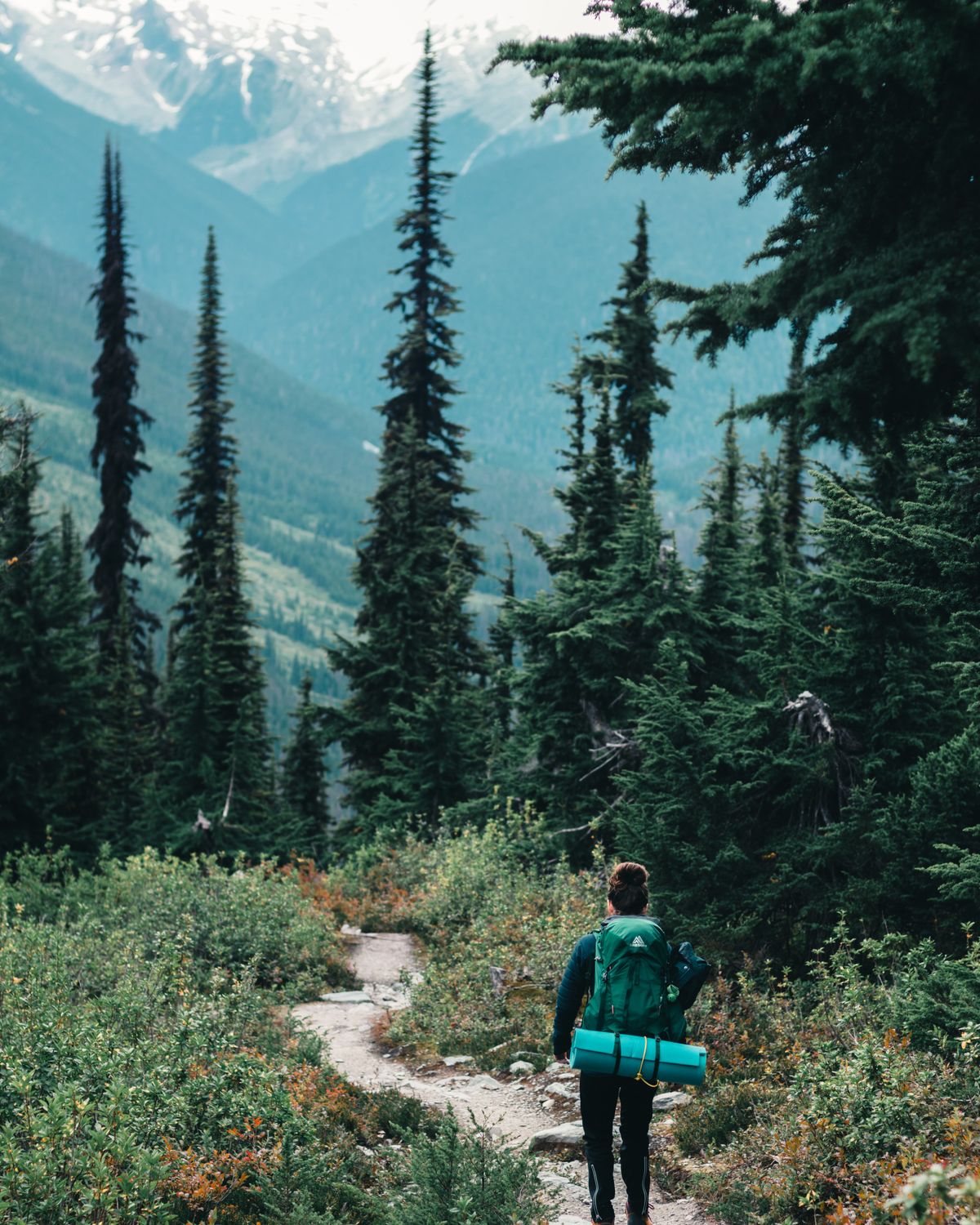
United States Permit Systems — NPS and BLM
Zion National Park — Angels Landing
Zion’s iconic Angels Landing continues to be the poster child for high-demand permits. The 2026 spring lottery opened on February 13 with a $6 application fee plus $3 per issued permit. Four seasonal lotteries run each year, plus a day-before lottery that fills any remaining slots. With over 200,000 permits issued annually, odds hover around 1 in 20 for the spring draw. All applications must be filed through Recreation.gov — the official NPS portal details are at the Angels Landing permit page.
Yosemite National Park — Half Dome and John Muir Trail
Half Dome caps daily hikers at 300 (225 day hikers, 75 backpackers). The preseason lottery runs March 1-31 on Recreation.gov, with results announced April 11. Full details at Yosemite Half Dome permits. The John Muir Trail is even tighter: only 45 backpackers may exit at Donohue Pass each day, and 97% of applications are denied. Early submission and flexible dates are the only levers available to improve your odds.
Rocky Mountain National Park — Timed Entry
Rocky Mountain’s timed-entry system launched on May 22, 2026. Two permit windows exist:
- Bear Lake Road Corridor: 5 am to 6 pm
- Rest of the park: 9 am to 2 pm
Both are booked via Recreation.gov with a $2 processing fee. The system releases 60% of slots six months ahead and the remaining 40% two weeks before the start date, mirroring the Desolation Wilderness model. See the RMNP timed entry permit system for the full calendar.
BLM Special Recreation Permits
The BLM’s Special Recreation Permit program was overhauled on February 2, 2026 under EXPLORE Act Title III. All applications now go through the RAPTOR electronic system, which automatically flags low-impact activities for expedited review. Fees vary by activity but typically range from $5-$20. Because the system validates land-use plans in real time, most decisions arrive within 48 hours.
Desolation Wilderness — New TRT Quota
California’s Desolation Wilderness introduced a Thru-Hike (TRT) quota zone with 10 spaces per night starting March 20, 2026. The standard quota splits 60% released six months out and 40% released two weeks out, all through Recreation.gov. Multi-day treks threading the TRT zone require both a standard wilderness permit and a TRT slot — book them in the same session to avoid conflicts.

South America — Torres del Paine, Chile
Chile’s Torres del Paine National Park now runs a single entry permit system through the CONAF portal. International visitors pay $35 USD during high season (November through March) and $18 USD in low season. The coveted W-circuit campsites book out 6-8 months in advance for the December-January window, so you will need to lock in dates by June at the latest. The system issues a QR-code that must be shown at every checkpoint; failure to display it results in a fine and possible ejection from the park.
The CONAF portal can experience geo-blocking for international IP addresses during peak booking windows. Use a VPN set to a South American server if the page times out before your payment processes — the booking session expires after 30 seconds of inactivity.
Africa — Kilimanjaro, Tanzania
Climbing Mount Kilimanjaro is now a fully regulated operation. All permits are issued only through licensed Tanzanian operators; individual bookings are prohibited. TANAPA fees break down as follows:
- Conservation fee: $70 per day
- Camping fee: $50 per day
- Rescue fee: one-time $20
Guides are mandatory, and the permit includes a QR-code scanned at the park gate and at each major camp zone. Because the rescue fee is non-refundable, many climbers purchase a supplemental personal insurance policy to cover potential evacuations beyond TANAPA’s basic coordination. The Lemosho and Machame routes remain most popular; the Northern Circuit adds significant days but reduces altitude sickness risk.
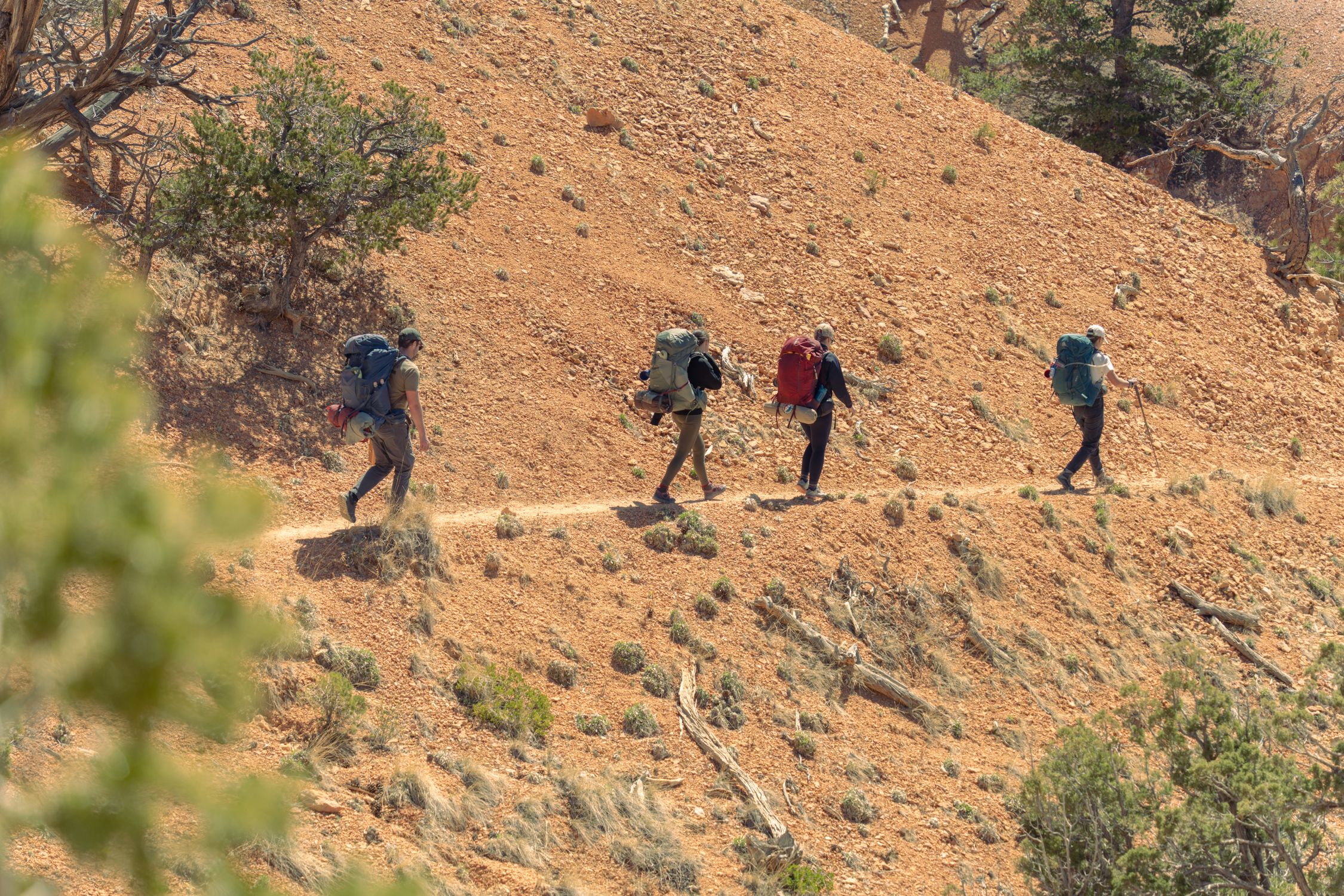
Asia — Nepal Trekking Permits
2026 brought two major changes to Nepal’s trekking bureaucracy:
- Mandatory guide requirement for all restricted-area treks (Upper Mustang, Manaslu Circuit, and several others in the Himalayan restricted zone).
- Group size cap of 7 trekkers per permit.
The government also launched a QR-code permit-tracking system scanned at every checkpoint along each trail. Fees are tiered per the 2026 Nepal trekking permit rules:
- Upper Mustang: $50 per person per day.
- Manaslu Circuit: $100 for the first 7 days, then $15 per day (September-November) or $75 for the first 7 days, then $10 per day (December-August).
Permits must be obtained through an approved trekking agency; the QR-code is emailed to the guide, who carries a printed copy in a waterproof holder. The mandatory-guide rule is strictly enforced at every checkpoint — solo trekkers attempting restricted areas without a registered guide face immediate removal and forfeiture of fees.

Gear Essentials for Permit Management
When your permits live in the cloud, you still need physical backups for checkpoints that require a scan or a quick visual check. Two pieces of gear from our verified catalog make that painless.
Garmin inReach Mini 2 — Satellite Communicator (Orange)
- ASIN: B09PSKG7C3
- Buy: Amazon
- Price: $350-$400
- Specs: 3.5 oz, 4 x 2 in, IPX7 waterproof, MIL-STD-810, Iridium network, up to 14-day battery (10-min tracking), two-way SMS.
Why it matters: In remote permit zones — think the Upper Mustang desert or the Kilimanjaro high camps — cell service is nonexistent. The inReach Mini 2 lets you push SOS alerts, share live GPS coordinates, and send location updates to a satellite. Its TracBack routing can guide you out the same way you entered, a lifesaver if you miss a timed-entry window and need to exit a permit zone quickly. Global Iridium coverage means it works in any permitted backcountry zone worldwide, and SOS triggers coordination with local SAR regardless of country or land agency.
Pros: Global Iridium coverage, rugged build, SOS integration with local SAR, TracBack routing. Cons: Requires a monthly satellite subscription ($8-$50) and the monochrome display can be hard to read in bright sun.
HEETA 5-Pack Clear Waterproof Dry Bag Pouches — Document Holder Set
- ASIN: B0BL87WR9T
- Buy: Amazon
- Price: $10-$15
- Specs: 5-pack, clear PVC 0.6 mm base / 0.3 mm sides, seamless welded seams, multiple sizes, submersible rating.
Why it matters: Permit offices often require a quick visual scan of your QR-code or paper permit. The clear front of the HEETA pouch lets rangers read your document without opening the bag, saving precious time at busy checkpoints. With five sizes you can separate permits, passport copies, cash, maps, and a spare phone — all while keeping the weight under a gram per pouch. The near-zero weight penalty means there is no excuse not to carry a printed backup of every digital permit you have queued.
Pros: Near-zero weight, clear view, waterproof, enough bags for the full permit stack. Cons: PVC can become brittle in prolonged sub-zero temps; not a roll-top bag, so inspect seams before major river fords.

Pro Tips for Beating the Odds
- Create a master spreadsheet with every permit’s release date, fee, and required documents. Include columns for “QR-code ready?” and “Backup copy stored in HEETA pouch.”
- Use a VPN when accessing foreign portals (e.g., CONAF Chile) to avoid geo-blocking that can cause a failed transaction.
- Set up browser autofill for credit-card and passport fields; the timed-entry portals often time out after 30 seconds and do not save partial entries.
- Subscribe to official email alerts from Recreation.gov, BLM RAPTOR, and the Himalayan Hero blog. They send reminders 48 hours before each window opens.
- Test your satellite device a week before departure. A dead battery or expired subscription can turn a smooth permit check into a rescue scenario.
- Carry a printed QR-code in a HEETA pouch even if you have it on your phone; scanners can be finicky in low-light or high-altitude conditions, and a dead phone battery is not an acceptable excuse at a checkpoint.
- Plan for contingency days. If a timed-entry slot is missed, many parks allow a late-entry fee (usually $10-$20) but only if you can prove you were in the reservation system at the scheduled time. Keep your device on and your GPS logging.
Bottom line: The 2026 permit landscape rewards the same traits that make a great climber — precision, preparation, and reliable gear. Treat each reservation like a route-finding mission: scout the system, mark the crux (the lottery opening), and carry the right tools to stay connected and dry.
Related Reading
Get price-drop alerts and new guides from BoldTripGuide
One email a week: price drops on the gear we recommend, new guides, and what changed. No spam, unsubscribe anytime.