Best Basecamp Hotels & Lodges Near Big Bend, Terlingua 2026
Complete 2026 guide to basecamp hotels and lodges near Big Bend National Park in Terlingua, Texas - prices, amenities, and desert trip logistics compared.

This post may contain affiliate links. Disclosure
Big Bend is the least-visited big national park in the Lower 48 for a reason: it’s a five-hour drive from the nearest interstate, cell service dies at the county line, and the closest full grocery run is 200 miles round trip. That isolation is the draw for river runners, backpackers, and stargazers, but it also means your basecamp choice determines whether your trip runs smoothly or turns into a logistics headache. Below are eight verified properties ringing the park, from budget motels three miles from the entrance to a historic 1927 hotel in Marathon, with real prices, amenities, and trade-offs for each.
Short answer: Terlingua is the practical gateway to Big Bend, and Chisos Mountains Lodge is the only in-park option. Highways 118 and 170 converge at the Terlingua junction, paved but crossing open desert with long gaps between services. Stays range from Lajitas Golf Resort & Spa down to basic motels, casitas and RV cabins.
Getting There & Logistics
Reaching Terlingua still feels like stepping off the grid. Lajitas International Airport, a private charter field, accepts jets from Dallas, Austin, and Houston, which can shave a full day off a road-only itinerary. For everyone driving, Highways 118 and 170 converge at the Terlingua junction - paved and well-marked, but crossing open desert with long stretches between services, and dust can reduce visibility in dry months.
Provisioning is the detail most first-timers get wrong. The nearest full-service Walmart is roughly 200 miles away in Fort Stockton, so stock up on water, non-perishables, and fuel before you commit to the drive west. Cell service is spotty across the whole region and drops to nearly nothing inside Big Bend National Park itself, so treat a satellite communicator as standard gear, not an optional extra, especially if your itinerary includes backcountry hikes or river time away from the main road. The National Park Service’s official safety page is worth bookmarking before you go: Safety Information.
When to Visit & Weather
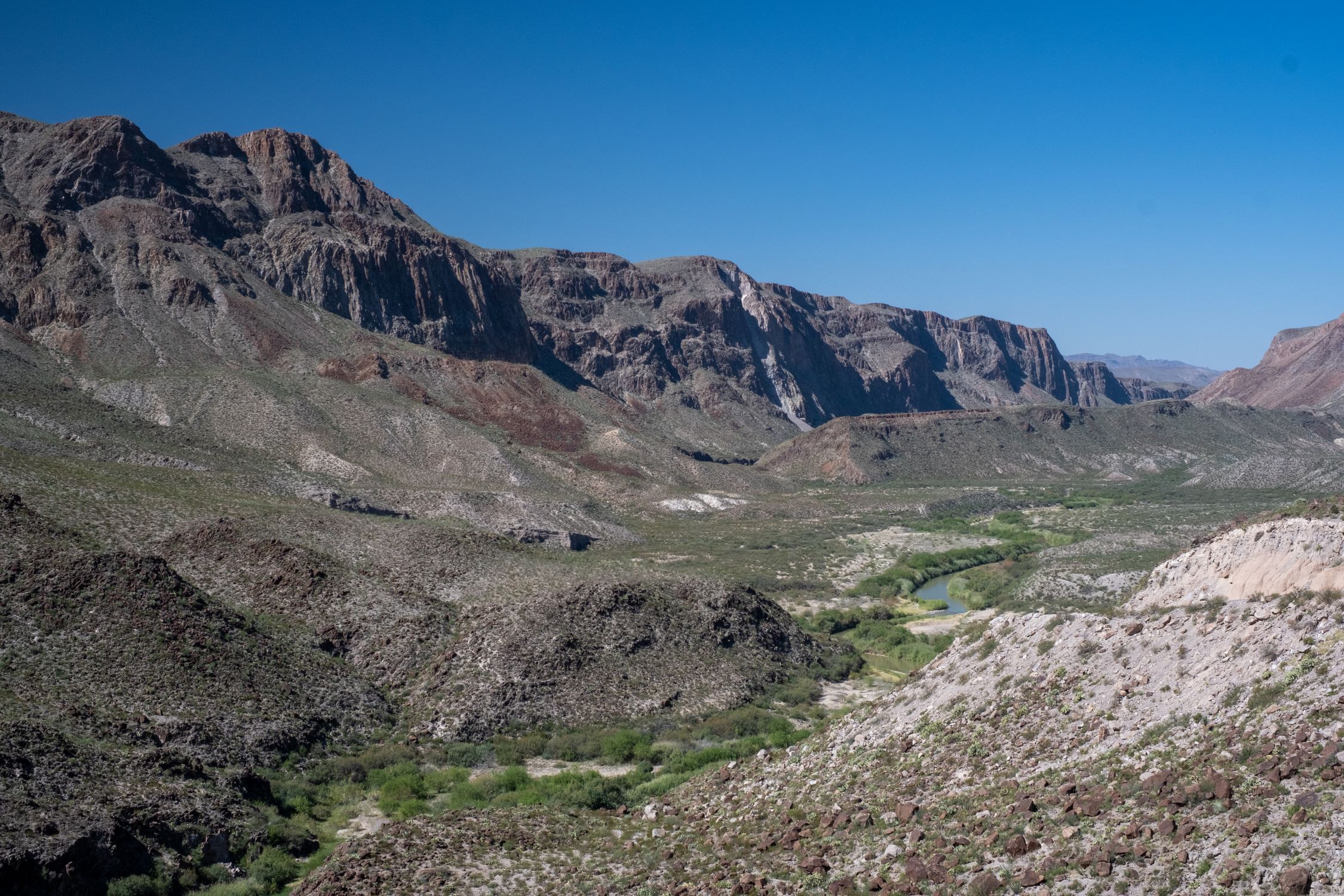
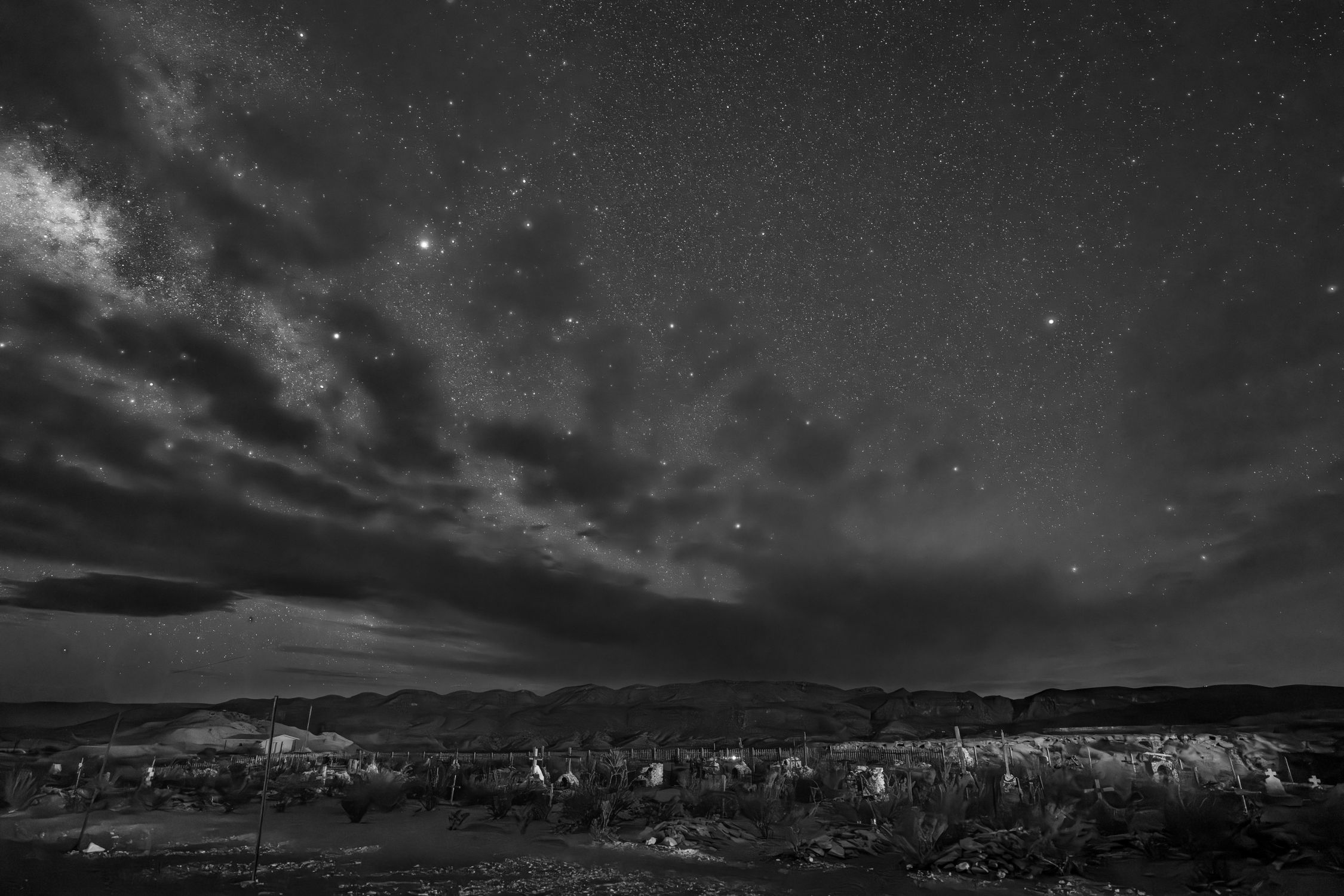
Big Bend’s climate swings hard between seasons. Summer (June through August) routinely tops 100F on the desert floor, and monsoon thunderstorms can send flash floods across canyon bottoms and low-water crossings with little warning - the kind of afternoon that turns a casual hike into a real hazard. Spring (March through May) and fall (October through November) bring highs in the 70s and 80s, clearer skies, and the most reliable conditions for both desert trekking and float trips on the Rio Grande. Those shoulder seasons also happen to line up with the park’s best stargazing windows, since cooler nights mean less atmospheric haze and fewer monsoon clouds blocking the sky.
Elevation matters more here than most first-time visitors expect. The Chisos Basin sits around 5,400 feet, which means nights there run noticeably cooler than at Lajitas or Terlingua down on the desert floor - pack layers even in shoulder season if you’re spending any time up in the Chisos. If you’re planning a July trip specifically around Lajitas, note that the Black Jack’s Crossing golf course at Lajitas Golf Resort closes for annual maintenance from June 30 to July 13, which also affects the resort’s horseback riding schedule since the trails share ground with the course.
The Best Places to Stay
Every property below is a verified, bookable basecamp within a reasonable drive of the park. Prices are nightly bands, and every listing includes the honest downside along with the highlights. Click through to compare live rates on Booking.com.
Lajitas Golf Resort & Spa
Price band: $149-248 | Lajitas, TX, about 17 miles southwest of the Terlingua junction
Lajitas Golf Resort & Spa sits between Big Bend National Park and Big Bend Ranch State Park, which gives it a genuinely remote desert backdrop and some of the darkest night skies left in the country. The resort is built to be a self-contained adventure hub: the 18-hole Black Jack’s Crossing golf course, an Equestrian Center running guided horseback rides, a shooting range, mountain biking, two swimming pools, on-site dining, and the Agave Spa. Check-in is 4 PM, checkout 11 AM, and the front desk can arrange early checkout on request. Pros: luxury amenities, the widest range of on-site adventure activities of any property in this guide, stellar stargazing. Cons: golf course (and the horseback trails that share its grounds) closed June 30-July 13 every year; the remote setting means longer drives for anything not on-property. Check rates
Terlingua Ranch Lodge
Price band: $91-110 | Terlingua, TX, about 34 miles from the park entrance
This 425-acre property blends cabins, RV sites, tent campgrounds, and a dedicated horse camp into one basecamp, so a group can mix lodging styles without splitting up. An on-site restaurant and cafe, an outdoor pool, free Wi-Fi, and pet-friendly rooms round out the amenities, and a camper store plus real gear-storage space make it one of the better options here for anyone hauling climbing or river gear. Pros: multiple lodging styles under one roof, genuinely gear-friendly, close enough to the park entrance for easy day trips. Cons: evenings are quiet and most activity stays on-site - don’t expect a town scene. Check rates
Paisano Village RV Park & Inn
Price band: $175-200 | Terlingua, TX, near the West/South Big Bend entrance
Paisano Village is built around simple comfort after a long trail day: rooms come with rain/overhead showers with strong water pressure, a refrigerator, a microwave, and a daily coffee setup. An outdoor patio is a solid stargazing spot without leaving the property, and rooms run clean and spacious with excellent Wi-Fi and free parking. The trade-off is that ownership is often off-site, so response times on issues can lag, and summer services are scaled back. Pros: comfortable, gear-friendly rooms, strong Wi-Fi, easy parking. Cons: owners off-site; limited summer services. Check rates
Big Bend Casitas at Far Flung Outdoor Center
Price band: $260-280 | Just outside the main Big Bend National Park entrance
The Casitas trade budget pricing for proximity and adventure services: quiet, well-maintained cabins sit around a shared pool and heated hot tub, with on-site Jeep tours that run straight into backcountry trails without a separate outfitter booking. Communal grills and a walk-up coffee shop keep the vibe social but low-key, and dedicated gear storage means your packs and boats aren’t cluttering the room. The shared pool itself is unheated, so an early-spring dip will be a cold one - stick to the hot tub in shoulder season. Pros: comfortable cabins, built-in adventure services (Jeep tours), friendly on-site staff. Cons: unheated pool in early spring; premium pricing for the location. Check rates
Big Bend Station
Price band: $100-110 | Terlingua, TX, central town
Big Bend Station puts you in the middle of Terlingua proper, with eclectic rooms that lean into West Texas character, free high-speed Wi-Fi, and on-site laundry - a real asset if you’re basecamping for a week of dusty trail days. Its central location means downtown dining is a short walk rather than a drive, which matters after a long day when you don’t want to get back in the truck. Gear storage is limited, so plan to keep packs and boots organized in the room rather than counting on a dedicated space. Pros: friendly staff, strong value at this price band, central to town amenities. Cons: limited on-site gear storage. Check rates
Chisos Mining Co Motel
Price band: $110-130 | Terlingua, TX, about 3 miles from the park entrance
This is the budget play for anyone who wants proximity over polish. Rooms are simple with private bathrooms, parking is free, and the pet-friendly policy makes it an easy pick if you’re road-tripping with a dog between trailheads. There’s no pool or hot tub and no on-site recreation - it’s a place to sleep, shower, and stage gear before an early start, which is exactly what most desert hikers actually need. Pros: budget-friendly, quick gear drop-off, close to the entrance. Cons: basic amenities, no recreational facilities on-site. Check rates
The Summit at Big Bend
Price band: $250-300 | West side of Big Bend National Park
The Summit trades proximity for privacy: modern, clean rooms with panoramic desert views on the quieter west side of the park. Early check-in and late checkout can be arranged on request, which is useful if you’re working around a flight schedule out of a regional airport or a long drive home. The higher rate buys seclusion and view, not extra activities - there’s no on-site adventure program here, so pair it with outfitters or park-run trailheads. Pros: high comfort, standout views, flexible check-in and checkout. Cons: higher price point relative to nearby motels. Check rates
The Gage Hotel
Price band: $239-379 | Marathon, TX, about 30 miles west of the park entrance
The Gage is the historic pick: a restored 1927 hotel in the gateway town of Marathon, right on Highway 90. Rooms feature private porches, walk-in showers, premium linens, and a complimentary coffee bar, and the on-site 12 Gage Restaurant and White Buffalo Bar mean you don’t have to drive anywhere for a real dinner after a long day in the park. The concierge will arrange gear storage, park shuttles, and custom adventure itineraries, which is a level of trip-planning support nothing else on this list offers. The trade-off is the nightly rate, which runs well above the budget motels closer to the park. Pros: full-service, genuine historic character, concierge-level gear and logistics support. Cons: highest nightly rates in this guide. Check rates
The One In-Park Option: Chisos Mountains Lodge
If you’d rather not drive in and out of the park every day, Chisos Mountains Lodge is worth knowing about. It’s the only lodging actually inside Big Bend National Park, operating year-round with rooms and stone cottages at roughly 5,400 feet in the Chisos Basin - cooler nights and trailhead access none of the properties above can match. Book through the lodge’s official site well in advance; in-park lodging this scarce sells out fast during shoulder season.
Which Basecamp Fits Your Trip
Matching property to trip type saves you from paying for amenities you won’t use, or showing up without the gear storage you needed. For on-site activities without leaving the property, Lajitas Golf Resort & Spa is the only pick here that functions as a self-contained adventure hub - golf, horseback riding, a shooting range, and a spa in one place. For climbing racks, river gear, or a full backpacking kit, Terlingua Ranch Lodge and Big Bend Casitas both call out dedicated gear storage; Big Bend Station and Chisos Mining Co Motel, by contrast, have limited space.
Budget-first travelers should look at Terlingua Ranch Lodge ($91-110) or Big Bend Station ($100-110), both well under $150 a night and a short drive from the park. For proximity over price, Chisos Mining Co Motel is three miles out and stays under $130. On the high end, The Gage Hotel and The Summit at Big Bend both run $250 and up but deliver different experiences - The Gage is historic and full-service in a real gateway town, while The Summit is modern and secluded on the park’s west side. To wake up inside the park boundary, Chisos Mountains Lodge is the only way to do that.
Nearby Attractions & Activities
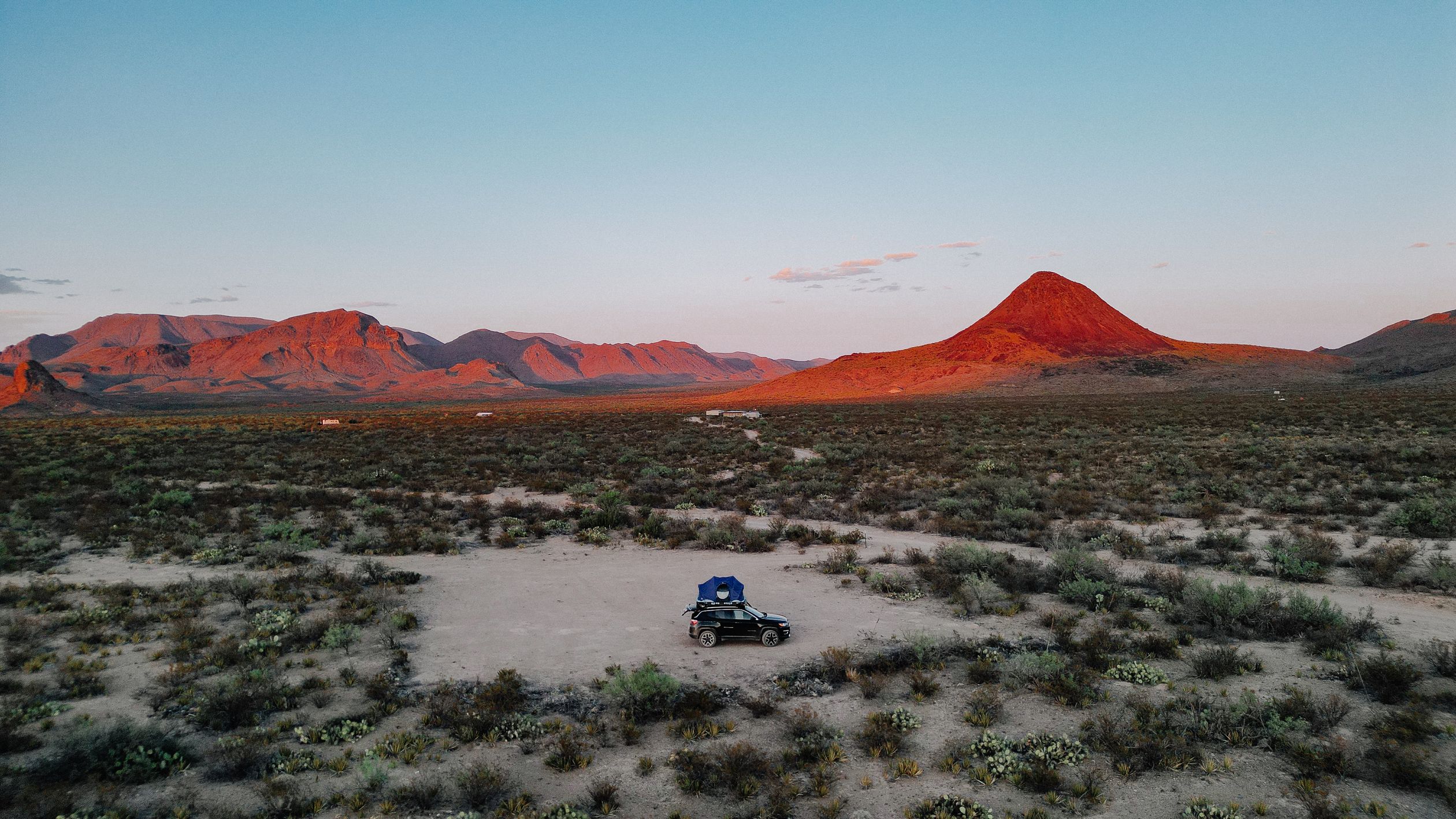
Big Bend’s canyons are the headline, but the surrounding country holds most of the trip. Big Bend Ranch State Park, adjacent to Lajitas, offers the historic Sauceda Bunkhouse for group lodging - originally a hunting lodge, where guests bring their own linens and cover a hotel-bed tax on top of the nightly rate. Texas state parks charge a daily entrance fee separate from facility fees; a Texas State Park Pass waives that fee, which pays for itself fast if you’re splitting time between Big Bend Ranch and other Texas parks.
This stretch of the Rio Grande is also the region’s whitewater basecamp, with float and rafting sections near Terlingua ranging from flatwater to canyon whitewater depending on season and water levels. On the hiking side, Chisos Mountains backpacking is the other reason people basecamp here in the first place - trailheads run straight out of the Chisos Basin, which is exactly why Chisos Mountains Lodge’s in-park location and elevation matter if multi-day backcountry routes are the point of your trip. For lodging details specific to the park itself, the National Park Service maintains an official reference: Big Bend Lodging.

Practical Tips & Common Mistakes
- Don’t assume you’ll find a real grocery store on the way in. The nearest full-service Walmart is 200 miles away in Fort Stockton - load up on water, non-perishables, and fuel before you cross the desert, not after.
- Plan around extreme heat, not just around it. Summer daytime highs routinely exceed 100F. Carry at least a liter of water per hour of activity, wear a wide-brim hat, and reapply SPF 30+ sunscreen through the day.
- Book gear storage into your lodging choice, not as an afterthought. Terlingua Ranch Lodge and Big Bend Casitas both explicitly advertise gear-friendly storage space; Big Bend Station and Chisos Mining Co Motel have limited capacity, so pack accordingly if you’re staying there.
- Watch the seasonal closures before you build an itinerary around them. The Black Jack’s Crossing golf course at Lajitas shuts down June 30 through July 13 every year, and the same closure affects horseback riding schedules that share the trail network - a detail that matters if you’re basecamping at Lajitas specifically for those activities.
- Don’t rely on cell service for navigation or emergencies. Coverage is spotty across the region and drops to almost nothing inside the park boundary. A satellite communicator or a real paper map is the baseline, not a backup plan.
- Book in-park lodging months out, not weeks out. Chisos Mountains Lodge is the only option actually inside Big Bend National Park, and that scarcity means shoulder-season dates sell out well ahead of the trip.
Safety & Communication
The desert here demands respect for both weather and isolation, and neither is optional gear. According to the National Park Service, summer monsoons can produce flash floods across canyon floors and low crossings with little warning, and extreme heat can cause dehydration in as little as an hour of sustained exertion. Carry a reliable satellite communicator, particularly for off-trail hikes, river time, or night-time stargazing away from the main road - cell coverage drops to nearly zero off the highway corridor. Register your itinerary with someone outside the park, and let rangers know your expected return time for anything beyond a short day hike. The NPS “Plan Your Visit” page is the authoritative reference for current conditions and closures: Lodging & Safety.
Related Reading
Get price-drop alerts and new guides from BoldTripGuide
One email a week: price drops on the gear we recommend, new guides, and what changed. No spam, unsubscribe anytime.