Best Basecamp Hotels & Lodges in Big Sky Montana 2026
Compare Big Sky, Montana basecamp hotels and lodges for 2026 - slopeside luxury to gear-forward boutique stays for powder days and backcountry adventure trips.

This post may contain affiliate links. Disclosure
Big Sky, Montana reads like a giant playground for anyone who lives for altitude, powder, and endless horizon lines. The valley clusters its lodging into three zones — Mountain, Meadow, and Canyon — each offering a different vibe for a basecamp that can launch you onto ski runs, backcountry routes, fly-fishing rivers, or a day trip to Yellowstone. Whether you’re hauling a board, a pack, or a fly rod, the right hotel shaves minutes off every lift-ticket line and gives you a place to refuel and plan the next day’s line-up. Below is the gear-forward roundup of every verified stay that fits the basecamp bill, plus a gear checklist and the practical tips seasoned adventurers actually need.
Short answer: Big Sky’s basecamps split between Town Center, Mountain Village slopeside, and ranch properties down the canyon. The Wilson Hotel runs $217-245 with full kitchens and a free shuttle to Big Sky Resort’s lifts, while The Lodge at Big Sky is the only independently owned slopeside stay. Montage and One&Only anchor the luxury end.
The Best Places to Stay
The Wilson Hotel, A Marriott Residence Inn
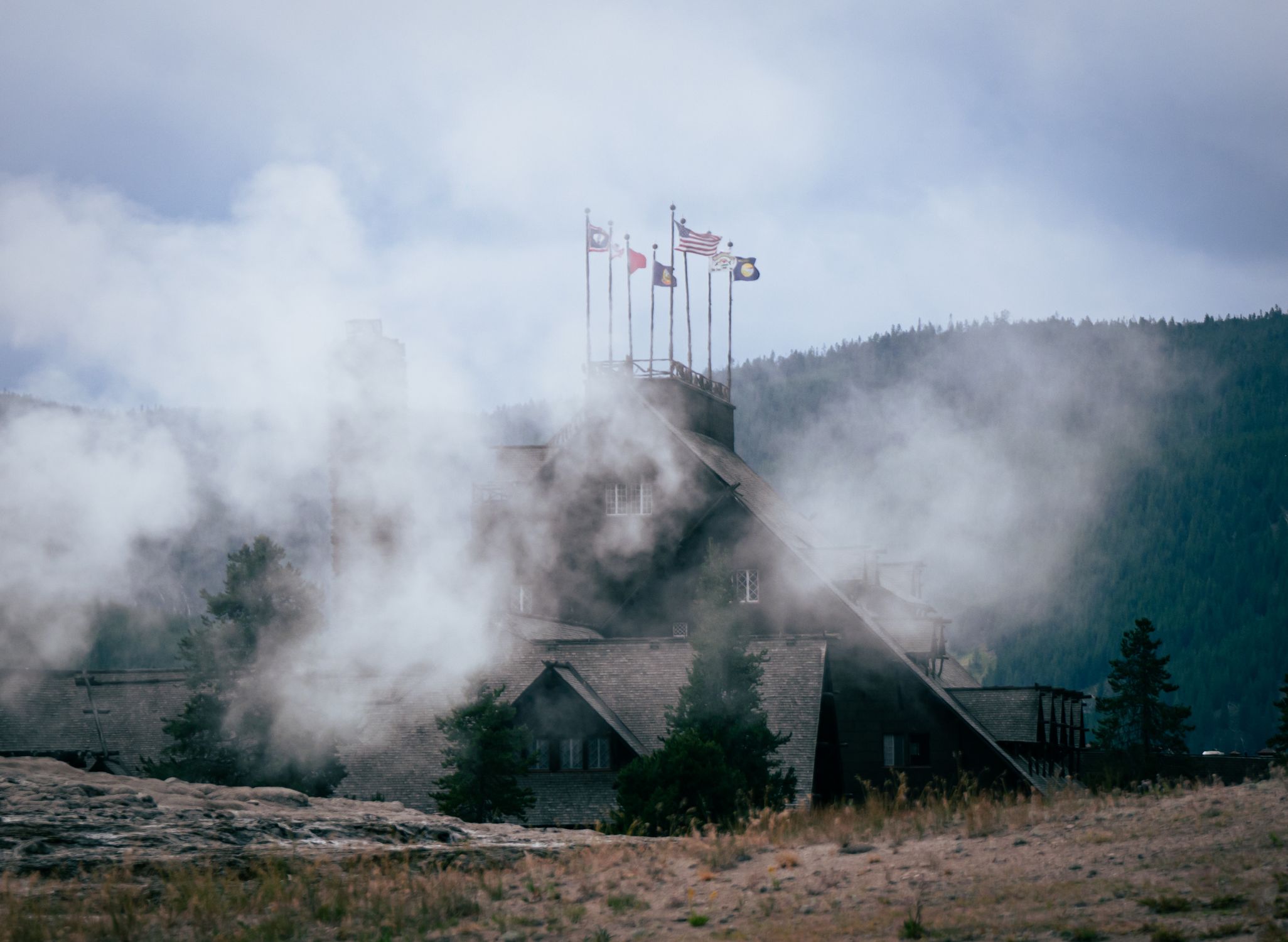
Located in Big Sky Town Center, the Wilson gives you a walkable hub of dining, gear shops, and a grocery store. Free shuttle service whisks you to Big Sky Resort’s lifts, so you can leave the car behind after a long day on the mountain. Every suite packs a full kitchen, perfect for refilling your energy stores without hunting a restaurant. Price band: $217-245. Pros: No car needed thanks to the shuttle; self-catering kitchens. Cons: Shuttle ride is short but not slopeside, so you’ll still wait a few minutes for the lift. Best for: basecamp travelers who want a walkable town hub with easy shuttle access to the mountain. Check rates
The Lodge at Big Sky
Sitting at the base of Lone Peak in Mountain Village, this is the only independently owned slopeside lodging in town and markets itself as the best value on the mountain. An indoor pool and hot tubs let you soak out sore muscles after a day of carving, and free Wi-Fi keeps you posted on avalanche reports. Price band: $183-260. Pros: True ski-in/ski-out without resort-brand premiums; personable staff. Cons: Rooms and common areas feel dated next to newer boutique options. Best for: adventure travelers who want true ski-in/ski-out access at the best value on the mountain. Check rates
One&Only Moonlight Basin
Nestled in the private Moonlight Basin enclave, this ultra-luxury resort opened in November 2025 and offers a private gondola straight to Lone Mountain. The full-service spa, multiple restaurants, and a dedicated ski concierge with a private rental fleet make logistics disappear. Price band: $1,100-1,950. Pros: Newest five-star property in Big Sky; zero friction between room and lift. Cons: Premium pricing puts it out of reach for most basecamp budgets. Best for: travelers who want a five-star basecamp with zero logistics between the room and the lift. Check rates
Montage Big Sky
Located in the Spanish Peaks Mountain Club, Montage is Montana’s first five-star hotel and the largest resort-level property in the state. Ski-in/ski-out access, a dedicated ski concierge, and a world-class spa give families and groups a polished home base. Price band: $525-12,000. Pros: Multiple on-site dining options; family-focused programming. Cons: Some guests note finish-quality issues relative to the price. Best for: groups or families who want resort-level polish as their basecamp. Check rates
Gravity Haus Big Sky
A mile from the resort base, Gravity Haus blends alpine-modern design with a gear concierge, co-working space, sauna, and cold plunge. Community programming like yoga and group outings makes it a magnet for solo travelers and remote workers who want a built-in crew. Price band: $179-370. Pros: Boutique vibe at a lower price than resort brands; strong community feel. Cons: Not slopeside — shuttle or car needed in ski season. Best for: gear-forward solo travelers and remote workers who want a basecamp with a built-in community. Check rates
The Summit Hotel at Big Sky Resort
Perched in Mountain Village with direct lift access and Lone Peak views, The Summit blends ski-season and golf-season programming. Updated rooms, pools, hot tubs, and a full fitness center keep you comfortable year-round. Price band: $283-730. Pros: True slopeside convenience; updated rooms and full resort amenities. Cons: Rates climb quickly during peak ski weeks. Best for: skiers and riders who want to be first on the lift without a shuttle. Check rates
Rainbow Ranch Lodge
Set along the Gallatin River in Canyon Village, Rainbow Ranch offers a quieter, rustic basecamp with fine dining and lodge-style rooms. Easy river access makes it a prime spot for fly-fishing and canyon trailheads, while a short drive reaches both the resort and Yellowstone’s west approach. Price band: $330-359. Pros: Rustic charm; proximity to river and canyon trails. Cons: Not walkable to town or lifts; a vehicle is effectively required. Best for: anglers and hikers who want a basecamp closer to the river and canyon trailheads. Check rates
Lone Mountain Ranch
Adjacent to the Nordic trail network, Lone Mountain Ranch offers 25 renovated log cabins ranging from one to six bedrooms. Groomed Nordic ski trails, guided backcountry programs, and gourmet on-site dining make it a purpose-built basecamp for cross-country, snowshoe, and horseback adventures. Price band: $670-1,000. Pros: Cabin-style immersion; dedicated Nordic and backcountry programming. Cons: Higher nightly rate than hotel-style rooms; cabin layout may not suit everyone. Best for: backcountry and Nordic-focused travelers who want a historic ranch basecamp instead of a resort hotel. Check rates
Where Each Basecamp Lives

Big Sky’s lodging clusters shape the vibe of your basecamp. According to Visit Big Sky, the three zones are:
- Mountain - Directly on or beside the ski slopes. The Lodge at Big Sky, The Summit Hotel, One&Only Moonlight Basin, and Montage sit here, giving you instant lift access and resort amenities.
- Meadow - The town-center and nearby meadow area where gear shops, restaurants, and the free shuttle converge. The Wilson Hotel and Gravity Haus occupy this zone, offering walkability to town life while staying a short ride from the lifts.
- Canyon - Lower elevation, river-side settings that cater to summer pursuits and quieter evenings. Rainbow Ranch Lodge and Lone Mountain Ranch call this home, putting you steps from the Gallatin River and the Nordic trailhead.
Understanding the zone helps you decide how much “shuttle time” you’re willing to tolerate versus how much you value on-mountain proximity. For example, a skier who wants to be first on the lift will gravitate to Mountain-zone properties, while a fly-fisher who plans a day on the river will likely choose a Canyon-zone lodge. Big Sky Resort notes that nearly all of its on-mountain hotels are ski-in/ski-out or slopeside, which effectively turns the resort core itself into a built-in basecamp for anyone who doesn’t want to think about transportation at all. Budget matters here too: Tripadvisor pegs 3-star hotels in the area at roughly $227 a night on average and 4-star properties at about $332, well below the 5-star tier discussed below, so a Meadow-zone stay like the Wilson or a value slopeside pick like The Lodge at Big Sky can keep a multi-night trip affordable without giving up basecamp convenience.
What to Pack
A solid gear list keeps you from scrambling for supplies mid-trip. Below are three vetted waterproof solutions that survived the Big Sky climate test in 2026.
YETI Panga 28 Waterproof Submersible Backpack - Built from high-density nylon with a thick TPU lamination and a puncture-resistant ThickSkin shell, this 28-liter pack stays airtight even when fully submerged. The HydroLok zipper guarantees zero water ingress, and the ergonomic DryHaul shoulder straps keep the load comfortable on long approaches. Ideal for professional guides or anyone hauling delicate electronics on a backcountry day, though the premium price and added weight make it a serious investment.
Earth Pak Waterproof Backpack 55L - At $44.99 this 500D PVC-tarpaulin pack offers massive 55-liter capacity for multi-day kayak or rafting trips. The roll-top closure, padded straps, and sternum strap keep the load stable, while a built-in waterproof phone case protects your tech and exterior lash points hold overflow gear. Expect a heavier feel on long carries due to the PVC construction.
Earth Pak Waterproof Dry Bag with Zippered Pocket - For quick-access gear like maps, snacks, or a camera, this dry bag comes in sizes from 10 L to 55 L, is submersible to IPX8, and includes a front zippered pocket plus a waterproof phone case. It’s budget-friendly at under $22, though the shoulder strap system isn’t as ergonomic as higher-end options.
Pair any of these with layered clothing, a reliable helmet, and a compact avalanche beacon if you’re heading into the backcountry. The right pack can be the difference between a smooth descent and a soggy scramble.
Practical Tips & Common Mistakes
- Don’t assume “slopeside” means “no car.” Even at Mountain-zone hotels, early-morning lift lines can require a quick shuttle ride. Pack a lightweight daypack for the shuttle and keep your ski pass handy.
- Reserve ski-in/ski-out rooms early. According to Tripadvisor, 5-star properties average $903 per night, and demand spikes during holidays. Booking 3-4 months ahead secures the best rooms and avoids price surges.
- Check shuttle schedules for off-season trips. In summer, the free shuttle runs less frequently, so a rental car may be more efficient if you plan to chase mountain-bike trails or white-water rafting.
- Mind the altitude. Big Sky sits at a high mountain elevation; hydrate early and consider a short acclimation day before tackling demanding backcountry routes.
- Use the on-site gear concierge. Gravity Haus’s gear concierge can arrange rentals, repair kits, and even a guided hike, saving you a trip to the town shop.
Avoiding these pitfalls keeps your itinerary fluid and your energy focused on the adventure, not logistics.
Activities & Access
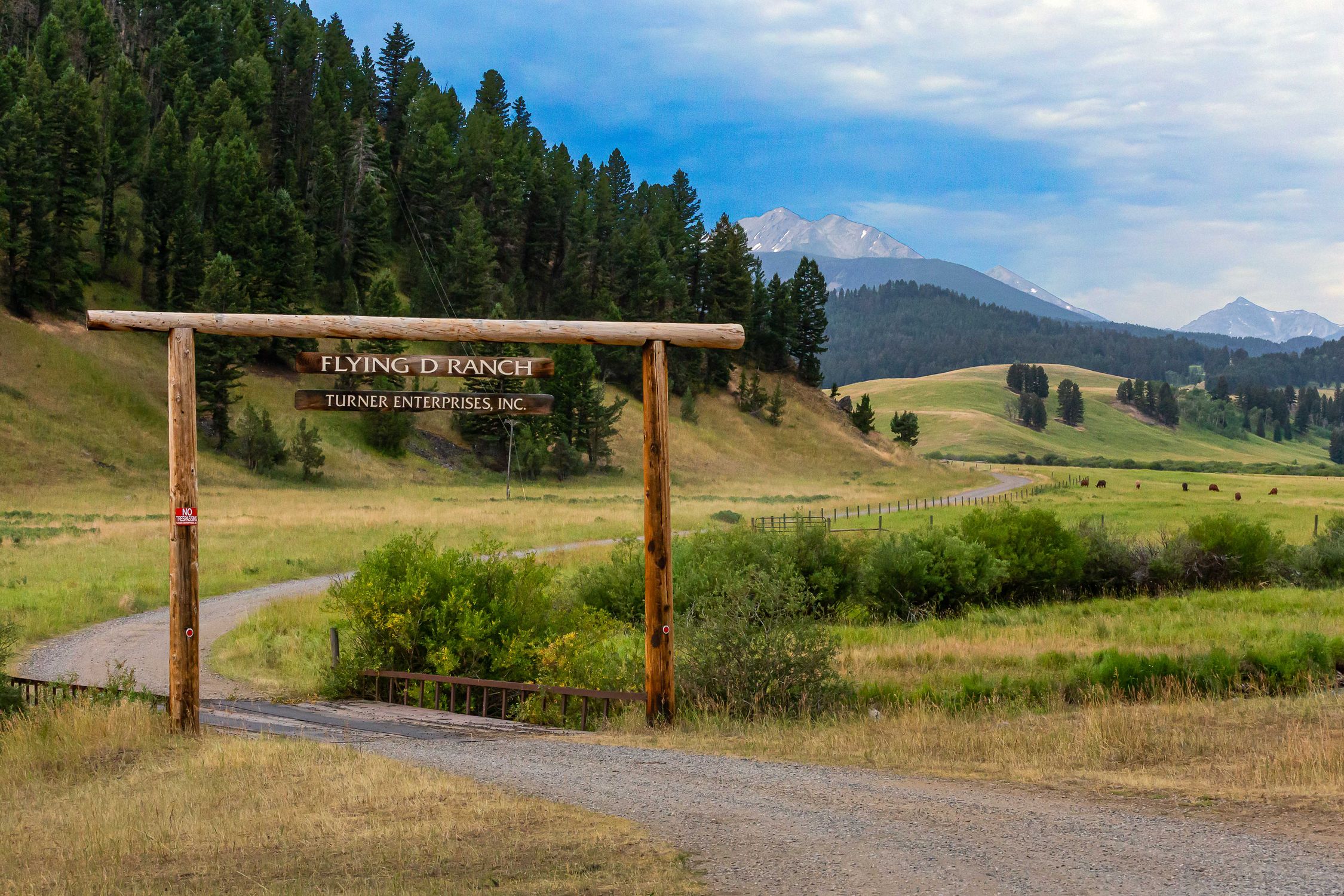
Big Sky isn’t just a winter playground. Visit Big Sky notes that summer basecamp activities include hiking, mountain biking, fly-fishing, horseback riding, and white-water rafting. A short, scenic drive puts you on the doorstep of Yellowstone National Park, making a sunrise wildlife safari a feasible day trip — another reason the valley works as a staging point well beyond ski season.
- Ski & Snowboard: All Mountain-zone hotels provide ski-in/ski-out or direct lift access. The Summit Hotel and One&Only Moonlight Basin give you the fastest line-up, while The Lodge at Big Sky offers the best value for a slopeside stay.
- Nordic & Backcountry: Lone Mountain Ranch’s groomed Nordic network and guided backcountry programs cater to cross-country enthusiasts. Pair a cabin stay with a morning ski-tour for a low-impact, high-reward day.
- Fly-Fishing & River Access: Rainbow Ranch Lodge’s riverside location grants immediate access to the Gallatin River, famed for trout. Early morning casts often yield the best bites before the midday sun warms the water.
- Mountain Biking & Hiking: Meadow-zone hotels put you at the hub of summer trail access, with mountain biking and hiking both on Visit Big Sky’s summer roster. Pack a lightweight bike and a repair kit — your Gravity Haus gear concierge can point you to the best trailheads.
For official lodging listings, see the Visit Big Sky lodging guide.
FAQ
Q: Which hotel gives the fastest lift access for early-morning runs? A: The Summit Hotel at Big Sky Resort and One&Only Moonlight Basin both provide true ski-in/ski-out access with direct lift proximity. The Summit is slightly more affordable during non-peak weeks, while Moonlight Basin offers ultra-luxury service.
Q: I’m traveling solo and want a community vibe. Where should I stay? A: Gravity Haus Big Sky is designed for solo adventurers and remote workers, offering a gear concierge, co-working space, and regular group outings.
Q: Are there any budget-friendly slopeside options? A: The Lodge at Big Sky markets itself as the best value on the mountain and sits at $183-260 per night, making it the most affordable true slopeside choice.
Q: Can I stay at a Canyon-zone lodge and still ski daily? A: Yes, but you’ll need a car or shuttle to reach the lifts each morning. Rainbow Ranch Lodge is a solid option if you plan to split your days between river fishing and afternoon ski sessions.
Q: How do I protect my electronics on a backcountry snow-shoe trek? A: The YETI Panga 28 Waterproof Submersible Backpack offers airtight protection for gear, with a puncture-resistant shell, though its weight may be a consideration on longer treks.
Q: What’s the price gap between a standard hotel and a 5-star basecamp? A: According to Tripadvisor, 3-star hotels in Big Sky average about $227 a night and 4-star properties about $332, versus roughly $903 at 5-star properties like Montage or One&Only Moonlight Basin — a useful benchmark when weighing The Wilson or Gravity Haus against the ultra-luxury tier.
Related Reading
Get price-drop alerts and new guides from BoldTripGuide
One email a week: price drops on the gear we recommend, new guides, and what changed. No spam, unsubscribe anytime.