Top Basecamp Hotels & Lodges in Cusco for Trekkers 2026
Compare Cusco's top basecamp hotels and lodges for 2026, from oxygen-enriched luxury suites to budget hostels, built for Inca Trail and Salkantay trekkers.

This post may contain affiliate links. Disclosure
Cusco is the launchpad for every serious Andean adventure, sitting at 11,152 ft (3,400 m) and demanding a solid acclimatization plan before you even think about the Inca Trail or Salkantay. In 2026 the permit game is tighter than ever - only 500 Inca Trail permits per day, sold out months in advance - so a reliable basecamp that speeds recovery and keeps your gear safe is non-negotiable. Below we break down the hotels and lodges that give you oxygen-rich rooms, spa-level recovery, or a social dorm for budget backpackers, plus the gear you’ll need to stay dry on the trail. Strap in, hydrate, and let’s map out the perfect pre-trek hub.
Short answer: Cusco sits high enough that guides recommend two to three days of acclimatization before any Inca Trail or Salkantay start. Eight verified basecamps run from hostel bunks up to oxygen-enriched suites at JW Marriott El Convento. Buy the official Cusco Tourist Ticket in person on Av. El Sol before your first site visit.
Why Cusco is the Ultimate Basecamp
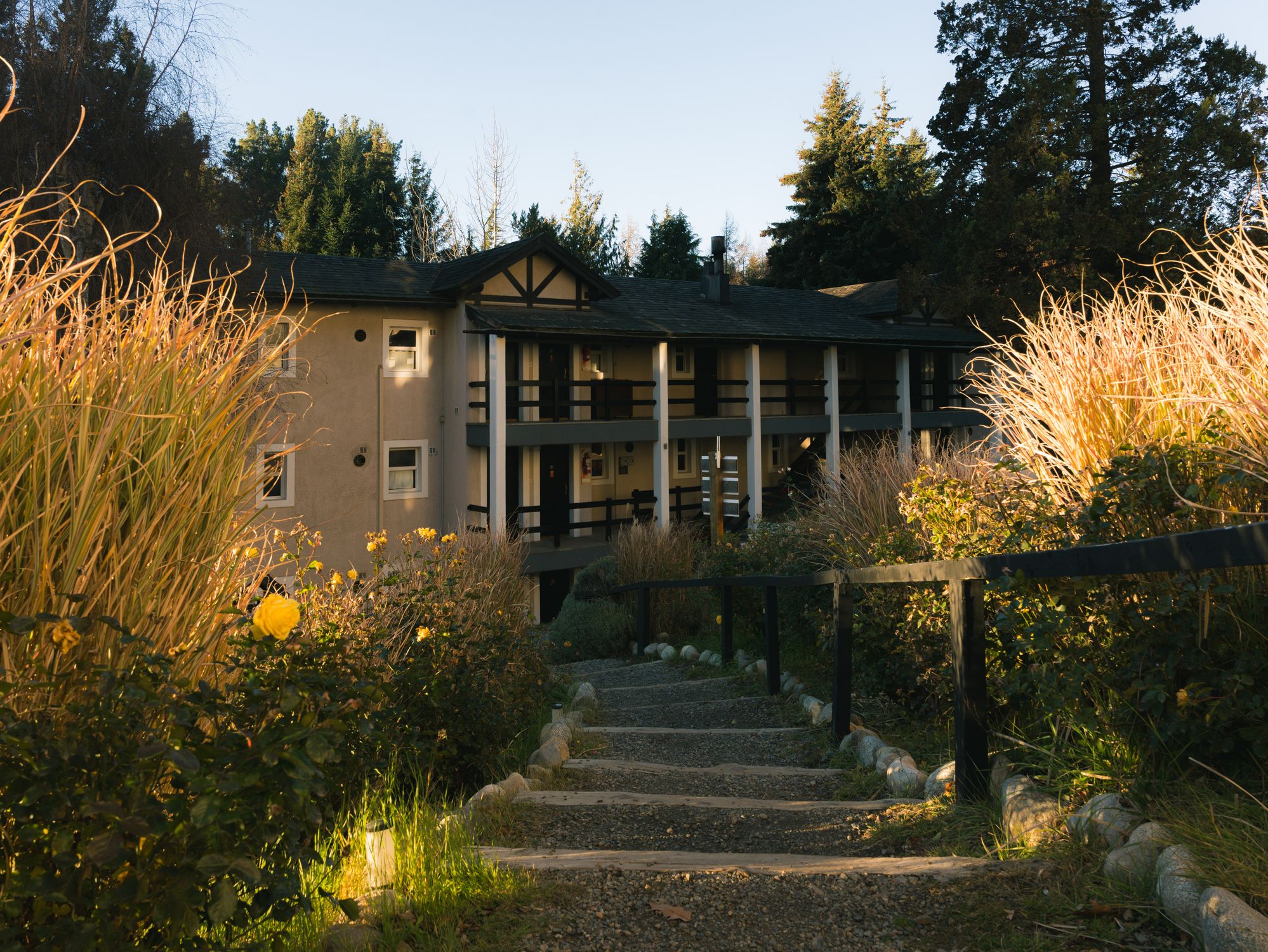
Cusco’s altitude is the first obstacle most trekkers face. Guides from Alpaca Expeditions recommend 2-3 days of acclimatization before tackling any high-altitude route, and the city’s historic center offers a dense network of cafés, museums, and gentle walking trails that let you climb slowly while soaking up Inca history. The official Cusco Tourist Ticket (Boleto Turistico) - sold only in person at Av. El Sol 103 - opens 16 archaeological sites, including Sacsayhuamán, giving you low-key hikes that boost oxygen saturation without the strain of a full-day trek (source: COSITUC).
Permits for the Inca Trail are managed exclusively by the Ministry of Culture, with a strict quota of 500 daily slots split among trekkers, guides, cooks, and porters (source: Alpaca Expeditions). Budget accordingly: adult permits run $90 and student permits (under 25, with a valid ISIC card) run $45 in 2026 (source: Peru Explorer). The 2026 permit window opened on 27 Oct 2025, and popular dates sell out four to six months ahead (source: TreXperience). Remember, the permit no longer bundles the Machu Picchu entry ticket, so you’ll need to purchase that separately (source: MachuPicchu.org). The trail shuts down every February for maintenance, reopening on March 1 (source: MachuPicchu.org).
If you’re looking for a neighborhood that cuts travel time to the Sacred Valley and the train station, the Santa Ana district west of Plaza de Armas is a favorite among trekkers (source: Salkantay Trekking). Its quieter streets still sit within a short walk of gear shops, permit offices, and the bustling Plaza de Armas where you can grab last-minute supplies.
The Best Places to Stay
When the altitude hits hard, the right basecamp can shave hours off your recovery. Below is the full lineup of verified hotels and lodges, ordered from luxury to budget, each equipped with the amenities that matter to a trek-ready crew.
JW Marriott El Convento Cusco
Price band: $265-500 Located in the Historic Center, steps from Plaza de Armas, this restored 16th-century convent blends colonial grandeur with modern performance. The 146 rooms feature a complimentary in-room oxygen-enrichment system, which speeds acclimatization and lets you rest after a long day on the trail. On-site spa, fine dining, and 5-star service make it the premier recovery hub. Pros: Oxygen system, central walkable location, top-tier service. Cons: Highest price point among Cusco’s basecamp options. Best for: Trekkers wanting maximum comfort and the fastest altitude recovery before or after the Inca Trail or Salkantay. Check rates
Aranwa Cusco Boutique Hotel
Price band: $175-350 A 16th-century colonial mansion turned boutique hotel, sitting near Plaza de Armas and San Blas. Rooms include a smart oxygenation system that adds up to 30 % more oxygen, plus a spa with Andean-inspired treatments. The blend of historic charm and modern altitude support makes it a solid mid-range pick. Pros: Boutique character, oxygen boost, central location. Cons: Weekend rates climb noticeably higher than weekday rates. Best for: Travelers wanting boutique colonial charm plus built-in altitude support. Check rates
Palacio del Inka, a Luxury Collection Hotel
Price band: $180-425 Set near Qorikancha and Plaza de Armas, this grand colonial property offers spacious suites, in-room oxygen plus a daily coca-tea service designed for altitude adjustment. Marriott Luxury Collection standards guarantee consistent service, and the on-site spa is perfect for post-trek muscle work. Pros: Large rooms, oxygen + coca tea combo, luxury service. Cons: Daily resort fee on top of the room rate. Best for: Post-trek recovery in 5-star comfort after the Inca Trail or Salkantay. Check rates
Casa San Blas Boutique Hotel
Price band: $85-115 Cusco’s first boutique hotel lives in an 18th-century colonial building in the artsy San Blas quarter. Hand-made Andean textiles line the rooms, and a rooftop terrace offers sweeping city views. Free continental breakfast and a daily manager’s reception add a personal touch. Pros: Walkable to galleries, cafes, and trekking outfitters; attentive staff. Cons: Uphill cobblestone walk from Plaza de Armas can be tough before acclimatizing. Best for: Travelers wanting boutique character in the artsy San Blas neighborhood. Check rates
Antigua Casona San Blas
Price band: $150-220 A 4-star boutique hotel tucked on a steep San Blas street, featuring an outdoor fire pit, on-site spa, and Andean-inspired art. The quiet setting offers a retreat from Plaza de Armas crowds while staying close to the neighborhood’s restaurants and trek outfitters. Pros: Upscale, spa-equipped, high guest satisfaction. Cons: The steep street can be exhausting before you’ve acclimatized. Best for: An elegant, spa-equipped basecamp away from the Plaza de Armas crowds. Check rates
Tierra Viva Cusco Plaza
Price band: $35-70 A no-frills 3-star hotel literally steps from the Cathedral. The 20 rooms are straightforward and comfortable, making it a reliable launchpad for early-morning departures. Sister properties in the Sacred Valley and Aguas Calientes simplify multi-stop itineraries. Pros: Central location, unbeatable price, reliable basics. Cons: Basic amenities compared to boutique or luxury options. Best for: Budget-conscious trekkers who want a reliable central base without hostel noise. Check rates
Selina Plaza de Armas Cusco
Price band: $14-45 A hybrid hostel-hotel on Plaza de Armas offering dorms and private rooms, a buzzing café/bar, and coworking space. Perfect for solo trekkers who need a social hub to swap gear, permits, and stories before heading out. Pros: Prime location for gear pickups, social atmosphere, flexible room types. Cons: Can be noisy on weekend nights. Best for: Solo trekkers and backpackers wanting a social base right on the main square. Check rates
Kokopelli Hostel Cusco (Viajero Cusco Hostel)
Price band: $9-40 The cheapest basecamp in our list, this social hostel offers 4- to 12-bed dorms, included breakfast, and a lively bar. Private ensuite rooms are also available for those who need a little extra privacy before a sunrise trek. Pros: Lowest price, easy to meet other trekkers, central walkable location. Cons: Party-hostel vibe isn’t ideal before an early departure. Best for: Budget backpackers and solo trekkers wanting the most affordable social basecamp. Check rates
Whether you’re chasing 5-star recovery or a backpacker vibe, Cusco’s hotel scene has a basecamp that matches your altitude strategy and budget.
Altitude Acclimatization Hacks
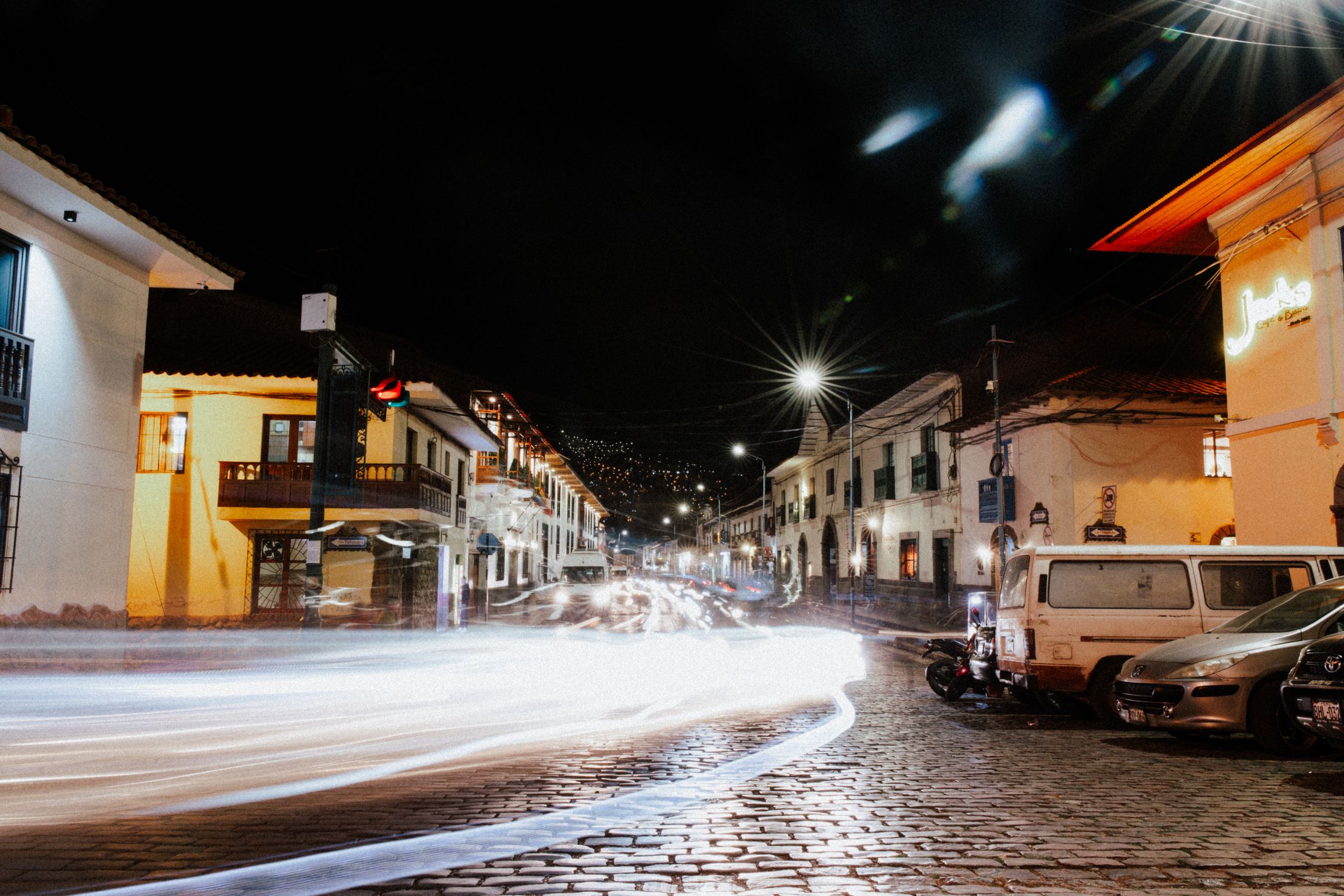
Acclimatization isn’t just about sleeping at 3,400 m; it’s a blend of smart hydration, oxygen support, and low-intensity movement. Here are proven tactics:
- Sleep in an oxygen-enriched room - JW Marriott El Convento and Aranwa Cusco Boutique Hotel pipe supplemental oxygen directly into guest rooms to ease altitude adjustment (source: Vive Hotels Blog); Palacio del Inka pairs its own in-room oxygen system with a coca-tea service for the same effect.
- Coca-tea mornings - The traditional coca leaf tea raises blood oxygen levels and eases headache symptoms; many upscale hotels serve it on request.
- Boleto Turistico walks - Use the tourist ticket to explore Sacsayhuamán, Qorikancha, and other sites at a gentle pace. The moderate elevation gain (≈200 m per site) is perfect for “soft-climb” acclimation.
- Hydration + electrolytes - At altitude, you lose fluids faster. Aim for 3 L of water daily, supplemented with a pinch of salt or an electrolyte tablet.
- Avoid alcohol and heavy meals the night before a trek; both can exacerbate altitude sickness.
By combining these habits with a stay in an oxygen-rich hotel, you’ll hit the trail feeling “light on the legs” rather than “heavy on the head.”
What to Pack
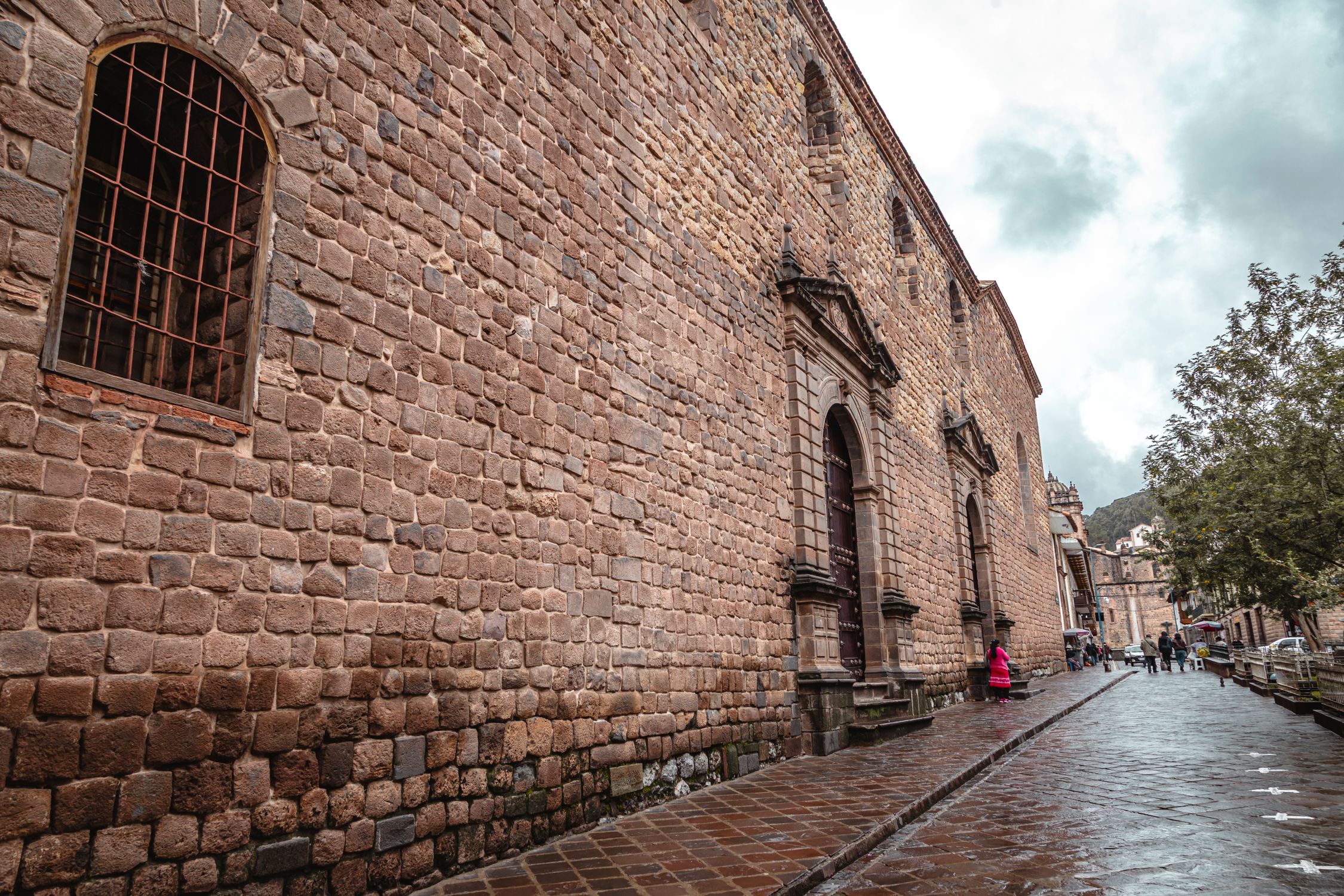
A dry, organized pack is the difference between a smooth trek and a soggy scramble. Below are three vetted waterproof solutions that survive the Andean rainstorms and the occasional river crossing on the Salkantay route.
- YETI Panga 28 Waterproof Submersible Backpack ($299.99) - High-density nylon with a HydroLok zipper and a puncture-resistant ThickSkin shell, offering airtight, fully submersible protection for gear up to 28 L. DryHaul ergonomic shoulder straps keep it comfortable for guides, dive operators, and expedition travelers who can’t risk a leak, though you pay a premium price and carry extra weight for that reliability.
- Earth Pak Waterproof Backpack 55L ($44.99) - Large 55 L capacity in tough 500D PVC tarpaulin with a roll-top closure, padded straps, a sternum strap, and a free waterproof phone case, perfect for multi-day treks that need extra clothing and a dry-bag system. The padded back panel gets less comfortable on very long carries, and the PVC build adds some weight.
- Earth Pak Waterproof Dry Bag with Zippered Pocket ($21.99) - The budget pick of the three, ranging from 10 L to 55 L, with IPX8-submersible 500D PVC construction, a front zippered pocket for quick-access items like a phone or map, and an included waterproof phone case. The shoulder strap system isn’t built for long-mileage days, so pair it with a proper pack for the trail itself.
Pair any of these with a lightweight down jacket, trekking poles, and a reusable water bottle equipped with a UV purifier for the high-altitude streams.
Common Mistakes & FAQ

Q: Can I buy an Inca Trail permit on the day of departure? A: No. All permits must be booked through a Ministry of Culture-licensed operator and are personal, non-transferable (source: Peru Explorer). The 2026 window opened on 27 Oct 2025, and popular dates sell out months ahead.
Q: Do I need a separate ticket for Machu Picchu? A: Yes. Since 2026 the Inca Trail permit no longer includes the Machu Picchu entrance. Purchase the entry ticket separately (source: MachuPicchu.org).
Q: Is the Boleto Turistico required for acclimatization? A: It isn’t required, but it gives you access to 16 archaeological sites, many of which provide gentle altitude-gain walks - an inexpensive way to start acclimating.
Q: Should I stay in the Historic Center or head to Santa Ana? A: Historic Center offers proximity to permits, gear shops, and nightlife, while Santa Ana provides a quieter route toward the Sacred Valley. Choose based on your need for social interaction versus early-morning logistics.
Q: What’s the best time of year for the Inca Trail? A: The trail closes every February for maintenance and reopens March 1. The dry season (May-September) offers the most reliable weather, but permits are hardest to snag during this window.
Avoid the rookie error of “sleeping low, trekking high” without supplemental oxygen - most of our top hotels provide that boost, and skipping it can add 24-48 hours of recovery time.
Related Reading
Get price-drop alerts and new guides from BoldTripGuide
One email a week: price drops on the gear we recommend, new guides, and what changed. No spam, unsubscribe anytime.