Best Basecamp Hotels & Lodges near Death Valley 2026
Find the best 2026 basecamp hotels near Death Valley -- historic AAA resorts to budget desert cabins -- with price bands, pros, cons, and travel tips.

This post may contain affiliate links. Disclosure
Death Valley’s stark beauty draws hikers, photographers, and stargazers alike, but the park’s sheer size — 3.4 million acres — means a night’s sleep can feel miles from the next trailhead. A well-chosen basecamp cuts drive time, gives you a place to stash gear, and often provides the only climate-controlled refuge when daytime highs top 120degF. This roundup covers eight verified hotels and lodges that can serve as your launchpad, with price bands, pros, cons, and booking links.
Short answer: Death Valley’s in-park options, The Inn and The Ranch at the Oasis plus Stovepipe Wells Village and Panamint Springs, cut hours of driving between widely spread attractions, while Amargosa and Shoshone offer cheaper gateway beds. The park holds Gold Tier International Dark Sky status, so an in-park night buys genuine Milky Way viewing.
Why a Basecamp Hotel Matters in Death Valley
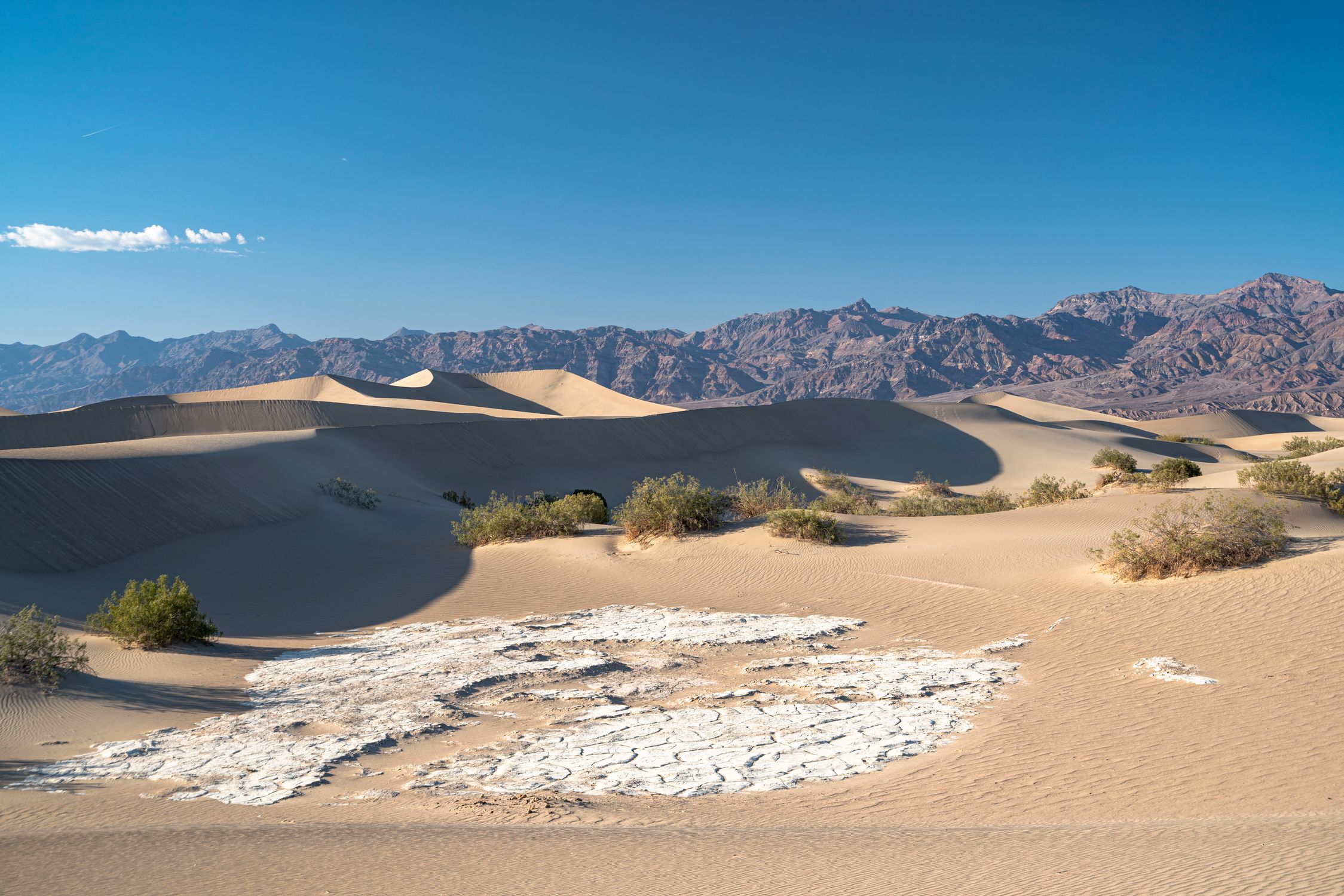
A basecamp hotel does more than provide a roof; it becomes the logistical hub for a multi-day desert trek. The park’s Gold Tier International Dark Sky designation guarantees some of the darkest night skies on the continent, making an evening stay a chance to see the Milky Way without city light interference. Because attractions are spread out — whether you’re heading to the Mesquite Flat Sand Dunes, the Furnace Creek Badlands, or the remote Panamint Range — driving between sights can easily exceed an hour. Staying inside the park or within a short shuttle radius slashes that travel time, preserving daylight for hiking and conserving water and energy.
Seasonality also dictates lodging strategy. Spring and fall bring milder temperatures ideal for long hikes, while the summer window can feel oppressive, with temperatures often topping 120degF. A hotel with a spring-fed pool or shaded patio becomes a vital recovery zone. Many of the lodges also offer gear-storage rooms, 24-hour front desks, and shuttle services that line up with early-morning ranger programs — features that matter when you’re racing the sunrise over Badwater Basin. The Oasis at Death Valley complex, home to both The Inn and The Ranch, sits about 120 miles northwest of Las Vegas and 275 miles northeast of Los Angeles, which makes it the natural hub for the whole valley.
The Best Places to Stay
Below are the eight verified accommodations that qualify as true basecamps. Each entry lists the vibe, standout amenities, price band, and a quick pros-cons snapshot. Click the hotel name or “Check rates” to jump straight to the booking page.
The Inn at Death Valley
Location: Furnace Creek, inside Death Valley National Park Vibe: Historic 1927 AAA Four-Diamond resort with classic desert decor and private patios. Highlights: Spring-fed pool kept at a constant 87degF for year-round swimming; direct access to ranger programs and the park visitor center. Price band: $350-450 The Inn at Death Valley — Check rates
Pros: Luxurious rooms with private patios, on-site dining and spa, immediate access to the visitor center and ranger programs. Cons: Premium price point; higher nightly cost than other park lodgings. Best for: Travelers who want upscale comfort right inside the park for quick access to hikes.
The Ranch at Death Valley
Location: Furnace Creek, adjacent to the National Park Service Visitor Center Vibe: Family-friendly town-square layout with a sprawling lawn and date-palm shade. Highlights: Gear-storage rooms and a 24-hour front desk; an 18-hole golf course that holds the record for the lowest-elevation course in the world at 214 ft below sea level. Price band: $180-250 The Ranch at Death Valley — Check rates
Pros: Gear-storage rooms, 24-hour front desk, spacious lawns for gear prep, and a BOGO summer promotion for longer stays. Cons: Can be busy in peak summer months, which may limit quiet evenings. Best for: Adventure groups needing storage, late check-in, and easy park access.
Stovepipe Wells Village Hotel
Location: Stovepipe Wells, on the western edge of the park Vibe: Rustic cabins with private entrances, fire pits, and a laid-back desert feel. Highlights: Outdoor pool with views of the Mesquite Flat Sand Dunes, close to Mosaic Canyon. Price band: $120-180 Stovepipe Wells Village Hotel — Check rates
Pros: Pet-friendly rooms, free parking, easy shuttle to trailheads. Cons: Limited on-site dining options, so plan meals ahead. Best for: Backpackers who want a budget-friendly base close to dune hikes.
Panamint Springs Resort
Location: Panamint Springs, 30 mi west of Furnace Creek Vibe: Simple rooms and a campground set against the Panamint Range, ideal for sunrise photography. Highlights: Spring-fed pool and a quiet, low-traffic location. Price band: $100-150 Panamint Springs Resort — Check rates
Pros: Pet-friendly cabins, tranquil setting away from the main visitor hubs. Cons: Fewer amenities than the Oasis hotels; no on-site restaurant. Best for: Budget travelers seeking a quiet desert night before early morning hikes.
Amargosa Hotel
Location: Amargosa Valley, just outside the park’s east entrance Vibe: Historic 1930s motor court with vintage decor and a family-run atmosphere. Highlights: Free Wi-Fi and parking; proximity to the Amargosa Canyon trailhead. Price band: $110-160 Amargosa Hotel — Check rates
Pros: Free Wi-Fi, free parking, friendly staff. Cons: Basic rooms, no pool. Best for: Travelers who enjoy retro charm and easy access to east-side trails.
Shoshone Inn
Location: Shoshone, near the western park entrance (Death Valley Junction) Vibe: Cozy inn with a garden patio and communal kitchen, set within a quiet desert town. Highlights: Walking distance to the historic Death Valley Junction townsite, excellent for stargazing. Price band: $130-190 Shoshone Inn — Check rates
Pros: Quiet nighttime setting, early check-in on request. Cons: Limited on-site dining; meals must be prepared in the communal kitchen. Best for: Solo adventurers who want a peaceful night before heading into the park.
The Ranch at Death Valley (part of The Oasis at Death Valley)
Location: Furnace Creek, Death Valley National Park Vibe: Upscale extension of the Oasis complex with larger rooms and added spa facilities. Highlights: Spring-fed pool and spa for cooling off after desert treks, the 18-hole golf course, three on-site restaurants, and a general store. Price band: $250-350 The Ranch at Death Valley (part of The Oasis at Death Valley) — Check rates
Pros: Spacious rooms with private patios, ample storage, shuttle service to the visitor center and trailheads. Cons: Higher nightly rate compared with other park lodgings. Best for: Basecamps for multi-day hikes that value comfort, ample space, and on-site amenities.
The Inn at Death Valley (Four-Diamond Inn)
Location: Furnace Creek, Death Valley National Park Vibe: Historic AAA Four-Diamond resort offering classic desert luxury and private casitas. Highlights: Spring-fed pool, direct access to ranger programs, and high-end dining options. Price band: $300-400 The Inn at Death Valley (Four-Diamond Inn) — Check rates
Pros: High-end amenities, historic charm, excellent on-site dining. Cons: Premium price point; may be out of reach for budget travelers. Best for: Travelers who want a premium basecamp with full services and historic ambiance.
Logistics and Getting There
Reaching Death Valley is straightforward but requires planning. The nearest major airport is Las Vegas Harry Reid International, roughly a two-hour drive. From the airport, the most common route follows US-95 north to CA-190 east, then onto the park’s main arteries. Because the park spans 3.4 million acres, driving times between lodges and attractions can be long; a 30-minute drive from Furnace Creek to Badwater Basin is typical, while the Panamint Springs area sits another 30 miles west.
Most of the Oasis-affiliated hotels — The Inn, The Ranch (both listings), and the Ranch (part of Oasis) — offer complimentary shuttle service to the Visitor Center and key trailheads, cutting down on fuel consumption and easing navigation. If you stay at Stovepipe Wells or Panamint Springs, plan on a short self-drive to the park’s central hub; both locations provide free parking and easy access to the park’s internal road network.
Because summer temperatures can exceed 120degF, schedule any long drives for early morning or late afternoon, and keep a full tank of gas — services are sparse once you cross the park boundary. Cell service is spotty; many lodges provide Wi-Fi (Amargosa Hotel, Shoshone Inn), but you’ll likely rely on offline maps once you’re off the highway.
Price Trends and Booking Windows
Rates near Death Valley move with the seasons more than almost any other national park in the country. The Inn’s nightly rate averaged around $393 in recent seasons, landing squarely in the $350-450 band listed above, while Stovepipe Wells Village Hotel has averaged closer to $165 a night, with some listings starting as low as $109 depending on the date. That spread matters when you’re building an itinerary: a mid-week stay at Stovepipe Wells can cost half of a weekend night at The Inn, and shifting your trip by even a day or two can unlock a meaningfully lower rate at the same property.
Because the park’s lodging inventory is small relative to demand, prices tend to firm up fast once a booking window opens, especially around the milder spring and fall months when hiking conditions are best. If your dates are flexible, watch rates at the budget-friendly options — Panamint Springs Resort, Amargosa Hotel, and Shoshone Inn — since they see less week-to-week volatility than the Oasis-affiliated properties. Locking in a reservation as soon as your trip dates are set is the simplest way to avoid paying a premium for a room that would have been available for less a few weeks earlier.
Common Mistakes to Avoid
- Booking Only Based on Price — The cheapest cabin may be far from your intended trailhead, adding unnecessary drive time and fuel costs. Prioritize proximity to the start of your hike, especially for early-morning starts.
- Ignoring Pool Hours in Summer — Many hotels close their pools at midday to conserve water. Check pool operating times before you rely on a midday dip for cooling.
- Overpacking Gear Without Storage — Not all lodges have dedicated gear rooms. The Ranch at Death Valley and The Inn provide storage; Stovepipe Wells and Panamint Springs have limited space, so plan accordingly.
- Assuming All Lodges Offer Meals — Only the Oasis-affiliated properties (The Inn, The Ranch) have full-service restaurants. If you stay at a pet-friendly cabin or a budget resort, bring a portable stove or plan to shop in the nearby town of Beatty.
- Skipping Dark-Sky Planning — Death Valley’s Gold Tier International Dark Sky status makes it a premier stargazing destination, but you need a clear night and minimal artificial light. Choose a lodge with a dark-sky outlook (Shoshone Inn’s garden patio is ideal) and bring a red-light headlamp to preserve night vision.
FAQs About Staying Near Death Valley
Q: Do I need to book a hotel inside the park or can I stay outside? A: Both options work, but staying inside (The Inn, The Ranch, Stovepipe Wells) eliminates the long drive to the Visitor Center and gives you quicker access to early ranger programs. Outside options like Amargosa Hotel or Shoshone Inn provide lower rates and a quieter nighttime setting, but you’ll add 30-45 minutes of driving each way.
Q: Are pets allowed? A: Yes. Stovepipe Wells Village Hotel and Panamint Springs Resort both list pet-friendly cabins. The Oasis properties generally do not allow pets, so confirm before booking.
Q: What is the best time of year for a basecamp stay? A: Spring (March-May) and fall (October-November) bring milder daytime temperatures, making hikes more comfortable. Summer can exceed 120degF, which limits daytime activity and may require extra cooling measures (pool, shade). Winter nights can drop below freezing, so pack warm layers.
Q: How far in advance should I book? A: Because the park’s lodging inventory is limited and the summer shoulder season is increasingly popular, reserve at least 3-4 months ahead, especially for the AAA-rated Inn and the Oasis Ranch.
Q: Is there Wi-Fi at all locations? A: Free Wi-Fi is confirmed at Amargosa Hotel and Shoshone Inn. The Oasis properties offer Wi-Fi in public areas, but signal strength can be spotty in rooms. If connectivity is critical, bring a mobile hotspot.
Q: Which basecamp is closest to the Mesquite Flat Sand Dunes? A: Stovepipe Wells Village Hotel sits right on the western edge of the park with a pool that overlooks the dunes, making it the shortest drive for sunrise or sunset dune photography. Panamint Springs Resort is the next-closest option if Stovepipe Wells is booked.
Related Reading
Get price-drop alerts and new guides from BoldTripGuide
One email a week: price drops on the gear we recommend, new guides, and what changed. No spam, unsubscribe anytime.