Best Basecamp Hotels & Lodges in Kathmandu 2026 Guide
Compare top Kathmandu basecamp hotels for 2026 trekkers: historic guesthouses to boutique spas, with pricing, pros, and cons for Everest or Annapurna treks.

This post may contain affiliate links. Disclosure
Kathmandu is the launchpad for every high-altitude push in Nepal, and the night you spend in the city can set the tone for weeks on the trail. Whether you’re threading the ice-clad ridges of Everest Base Camp or looping the Annapurna Circuit’s alpine passes, a solid basecamp hotel gives you quick access to gear shops, permit offices, and early-morning shuttles to Manthali Airport. In 2026 the city’s lodging scene blends old-school expedition charm with boutique recovery spaces, so you can swap crampons for a hot-stone massage before your next summit push. Below is the full rundown of the most trek-friendly hotels, logistics tips, and a lean packing list that keeps the weight low and the confidence high.
Short answer: Thamel is Kathmandu’s default trekker base because it clusters trekking agencies, gear-rental shops and permit offices within walking distance of most hotels. The picks below span budget guesthouses such as Trekkers Home through boutique comfort at Hotel Mulberry, plus airport-side alternatives for early Lukla and Pokhara departures.
The Best Places to Stay
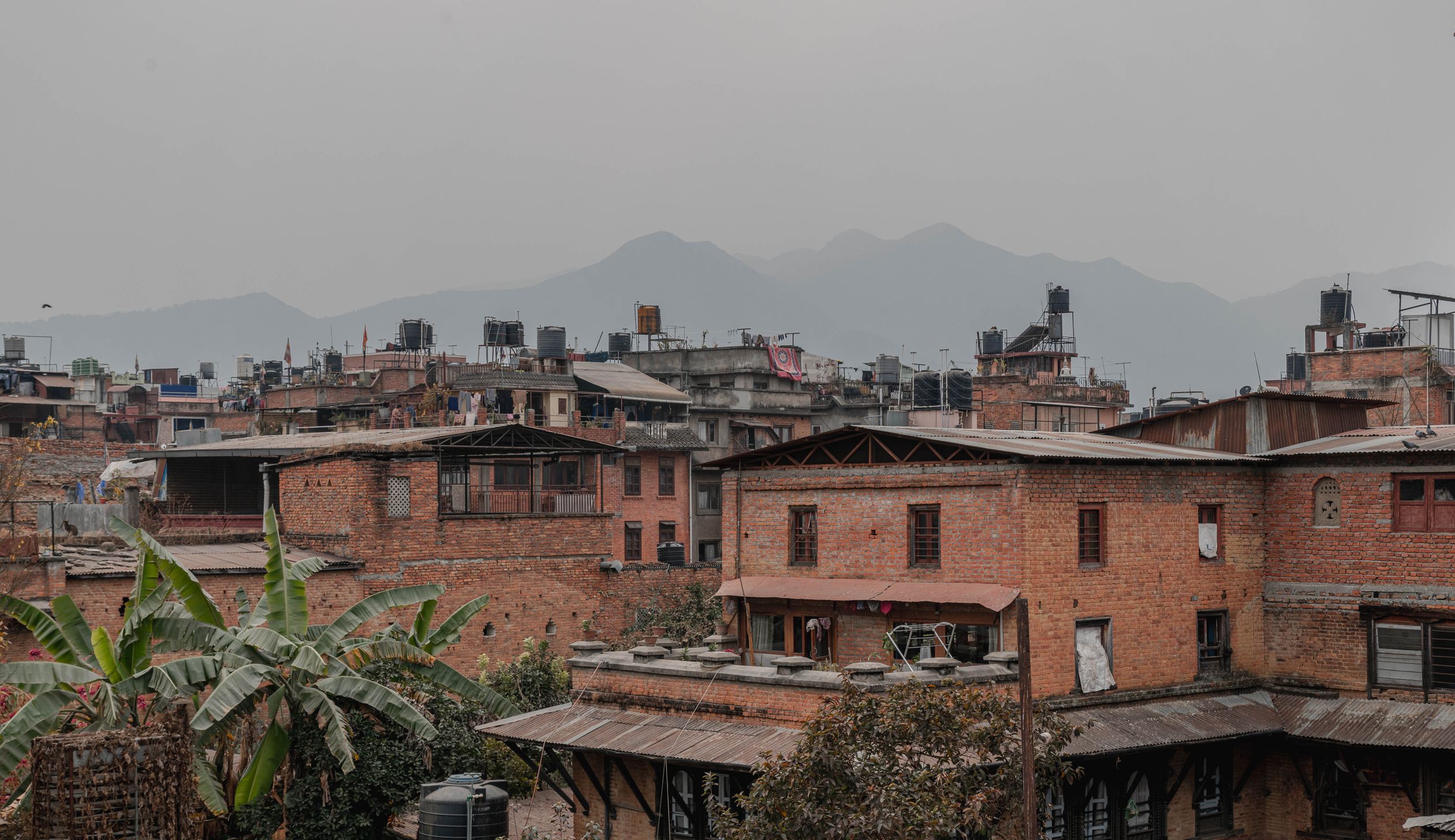
Thamel remains the default trekker base because it clusters trekking agencies, gear-rental shops, and permit offices within walking distance of most budget-to-boutique hotels. The seven picks below span that full range plus two airport-side alternatives, so you can match your basecamp to your itinerary: a budget bed if you’re stretching a multi-week trek fund, boutique comfort if you want a soft landing before or after altitude, or an airport-adjacent room if a pre-dawn Lukla flight is non-negotiable.
Kathmandu Guest House
Kathmandu Guest House - Thamel Price band: $34-90 per night Open since 1968, this historic guesthouse is widely regarded as Nepal’s first internationally-oriented hotel and served as the city base for early Everest expeditions. Its large garden courtyard is one of Kathmandu’s classic social hubs, a natural meeting spot for guides, porters, and fellow trekkers, while the on-site travel desk can hook you up with permits and gear referrals. Pros: iconic expedition vibe, central Thamel location, social courtyard. Cons: heritage-wing rooms are smaller and more basic than newer boutique options. Best for trekkers craving classic Thamel expedition history.
Hotel Mulberry
Hotel Mulberry - Thamel Price band: $70-106 per night Housed in a converted merchant’s house, Mulberry offers 35 individually designed rooms, a garden courtyard cafe, full-service spa, and an outdoor pool. The quiet boutique feel sits just off Thamel’s busiest lanes, giving you easy access to agencies without the constant street buzz. Pros: spa and pool for pre- or post-trek recovery, curated recommendations from the owners for temples, galleries, and trek logistics, free airport shuttle, and free WiFi in the public areas. Cons: higher price point than typical trekker guesthouses. Best for trekkers who want boutique comfort to bookend a high-altitude trip.
Trekkers Home
Trekkers Home - Thamel Price band: $8-19 per night Built specifically around trekker needs, this budget guesthouse sits within walking distance of trekking agencies and gear-rental shops. Reviews consistently cite it as convenient and good value, with rock-bottom rates and a central location for last-minute gear runs. Pros: ultra-low nightly cost stretches a long multi-week trek budget, central Thamel spot. Cons: basic amenities, no spa, pool, or notable restaurant. Best for backpackers and budget trekkers on long Himalayan itineraries.
Hotel Thamel Park
Hotel Thamel Park - Thamel Price band: $36-60 per night Mid-range rooms and suites sit in the heart of Thamel, and the property is specifically recommended for trekkers looking to recover after a trek. Its value lands neatly between budget guesthouses and boutique hotels, offering comfortable beds and a convenient base for restaurants and supply shops. Pros: good value, central location, recovery-focused vibe. Cons: fewer dedicated trek-support amenities than larger hotels. Best for mid-range travelers wanting a comfortable post-trek recovery base.
Skye Inn Kathmandu
Skye Inn Kathmandu - Thamel Price band: $27-52 per night This 4-star property features a garden and terrace, a free breakfast buffet, and complimentary airport pickup - an essential perk after a long international flight. Air-conditioned rooms provide city views, and guest reviews consistently note the on-site team as helpful and welcoming. Pros: free airport pickup, a quiet garden and terrace retreat from Thamel’s street noise, solid service. Cons: smaller property with fewer amenities than larger spa hotels. Best for trekkers wanting easy airport transfers and a calm base between treks.
The Everest Hotel
The Everest Hotel - City center, near Tribhuvan International Airport Price band: $44-95 per night A 5-star property that offers Himalayan-view rooms, an on-site spa, and multiple dining options. Its location between the airport and city center makes it a convenient luxury bookend for early Lukla departures or post-expedition wind-down. Pros: full-service luxury, spa for post-trek recovery, closer to the airport for early flights. Cons: farther from Thamel’s cluster of trekking agencies and gear shops. Best for climbers and trekkers wanting a luxury bookend before or after a high-altitude expedition.
Hotel Mirage Regency
Hotel Mirage Regency - Near Tribhuvan International Airport / Pashupatinath Price band: $40-95 per night Located minutes from the airport, Mirage Regency runs a shuttle service for pre-dawn flight transfers, offers deluxe and executive rooms, and includes breakfast. Well-maintained rooms keep rates competitive, and the early-morning shuttle simplifies the very early check-outs that Lukla-bound trekkers dread. Pros: minimal transit time for early-morning flight departures, competitive rates, well-maintained rooms. Cons: farther from Thamel’s restaurant and gear-shopping scene. Best for trekkers with early-morning Lukla or international flights who want minimal transit stress.
Check rates for any of the above properties by clicking the hotel name or the “Check rates” link next to it.
Taken together, these seven basecamp options cover roughly $8 to $106 a night across two distinct locations: the walkable Thamel cluster (Kathmandu Guest House, Hotel Mulberry, Trekkers Home, Hotel Thamel Park, Skye Inn Kathmandu) and the airport-adjacent pair (The Everest Hotel, Hotel Mirage Regency). If your itinerary routes through Manthali for a Ramechhap transfer, weigh the airport-side picks against the convenience of Thamel’s gear shops and permit offices - the right call depends on how early your flight window opens and how much last-minute shopping you still need to do.
Permits, Flights & Logistics
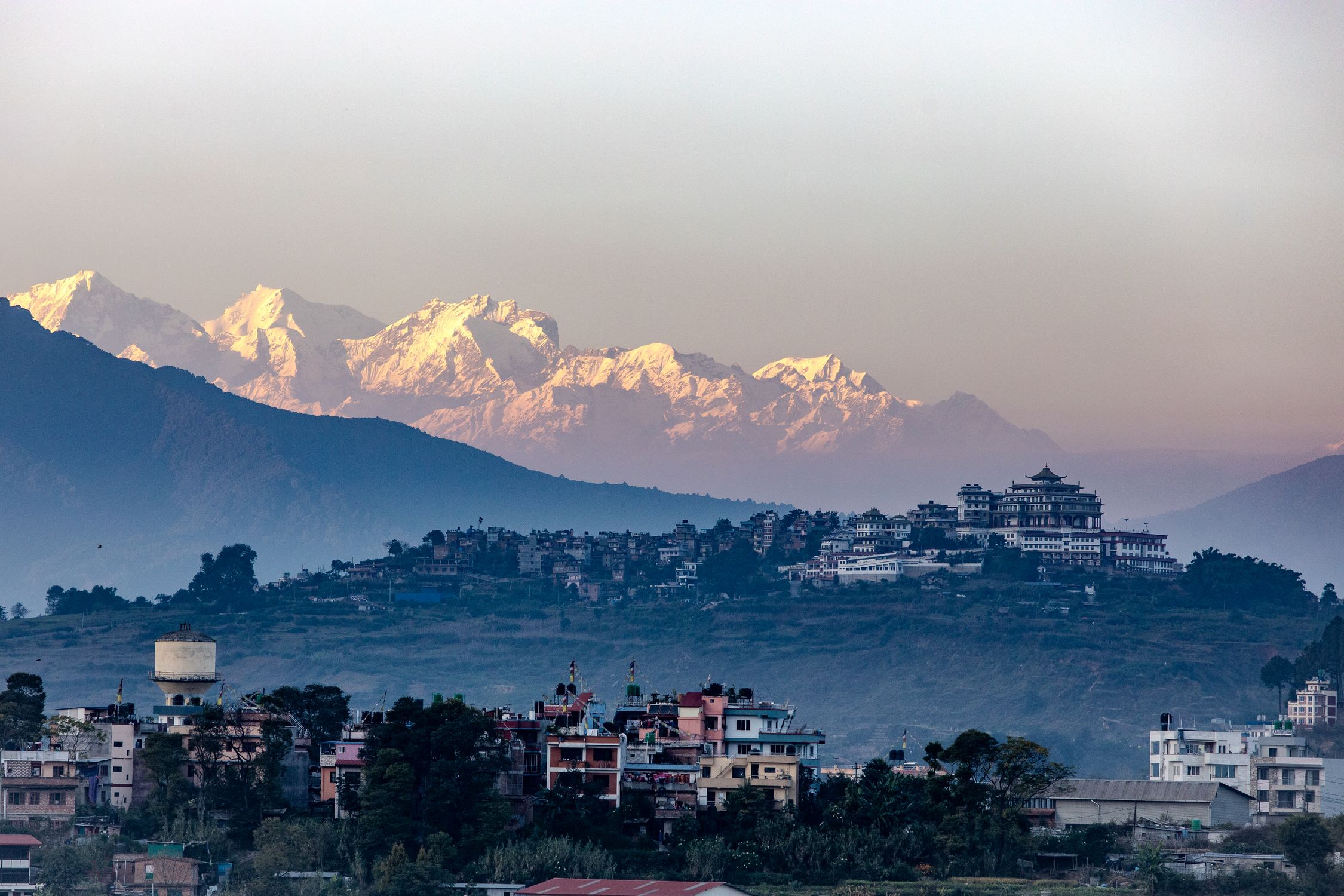
Securing the right permits before you leave Thamel is non-negotiable. Everest Base Camp trekkers need a Sagarmatha National Park entry permit plus the Khumbu Pasang Lhamu Rural Municipality permit - together roughly NPR 6,000 for foreigners - while the old TIMS card is no longer required for this route (source: Nepal Tourism Board). Annapurna Circuit trekkers must obtain an ACAP (NPR 3,000) and a TIMS card (NPR 2,000); both are best arranged in Kathmandu or Pokhara before hitting the trail, since there are no issuing counters on the trail itself (Sagarmatha National Park). All permits can be processed at the Nepal Tourism Board office in the city, so budget time there before you head to the airport.
During the peak spring (mid-March to mid-May) and autumn (late September to November) trekking seasons - the same driest, highest-visibility windows recommended for both the Everest and Annapurna routes - Lukla-bound flights are rerouted through Manthali Airport in Ramechhap, a 4-5 hour drive east of Kathmandu (source: Civil Aviation Authority of Nepal). The typical Ramechhap-bound transfer departs Thamel around 1:30 am to catch the early-morning weather window, meaning a hotel with an airport-side location or an early shuttle can save you a very short night’s sleep (source: Mountain Kick Trekking). One-way Lukla flights cost roughly USD 175-190 from Ramechhap versus USD 215-240 from Kathmandu during peak season, operated by Tara Air, Summit Air, and Sita Air (source: Kathmandu to Lukla Flight route data). Choose a hotel near the airport (The Everest Hotel or Hotel Mirage Regency) if you’re chasing that 1:30 am departure; stay in Thamel if you prefer proximity to agencies and gear shops.
What to Pack for a Kathmandu Basecamp Stint

A light, waterproof pack protects your gear during Kathmandu’s monsoon-adjacent humidity and the occasional downpour on the way to Manthali. Below are three vetted waterproof solutions that have earned solid reviews from expedition crews.
-
YETI Panga 28 Waterproof Submersible Backpack - High-density nylon with a thick TPU-laminated ThickSkin shell, a fully submersible HydroLok zipper, and DryHaul ergonomic shoulder straps, all certified airtight and waterproof at 28 L capacity. Ideal for guides and expedition travelers who need airtight reliability. Pros: fully submersible zipper, puncture-resistant shell, ergonomic shoulder straps. Cons: premium price (~$300) and heavier than standard dry bags.
-
Earth Pak Waterproof Backpack 55L - 500D PVC tarpaulin construction with a roll-top closure, padded straps with a sternum strap, and a bundled waterproof phone case. Great for multi-day kayak or river-crossing legs of a trek where you need extra volume. Pros: large 55 L capacity, sturdy construction, padded shoulder straps with a sternum strap for stability. Cons: heavier PVC and a less comfortable back panel on long carries.
-
Earth Pak Waterproof Dry Bag with Zippered Pocket - Available in sizes from 10 L to 55 L, IPX8 submersible, with a front zip pocket and an included waterproof phone case. Perfect for keeping electronics dry while you navigate Thamel’s bustling streets or stash a dry set of spare socks for high-altitude nights. Pros: front zippered pocket for quick-access items, includes a waterproof phone case. Cons: heavier material and a less ergonomic strap system compared with premium nylon alternatives.
Pack a 28 L Panga for your core expedition gear, a 55 L backpack for longer supply runs, and a small dry bag for electronics and snacks. Keep weight under 10% of your body mass to stay agile on the trail.
Recovery & Pre-Trek Prep Tips

After a day of negotiating Kathmandu traffic or a night of pre-flight nerves, a solid recovery routine can shave altitude-sickness risk. Hotels with spa or pool facilities - Hotel Mulberry, The Everest Hotel, and Hotel Mirage Regency - offer hot-stone massages, steam rooms, and hydrotherapy tubs that help flush lactic acid and improve circulation before you ascend to Namche Bazaar or Manang. Even the garden courtyards at Kathmandu Guest House and Skye Inn provide a quiet spot for gentle stretching and yoga, especially useful during the pre-flight lull at Manthali Airport.
Remember that acclimatization days are built into most Everest Base Camp itineraries at Namche Bazaar and Dingboche to reduce altitude sickness risk before reaching Base Camp at 5,364 m (Sagarmatha National Park). A night of proper sleep, hydration, and a light massage can make those days feel smoother. If you’re staying in a budget property like Trekkers Home, bring a portable foam roller and a small heat pack - both cheap, lightweight, and effective for muscle recovery.
Common Mistakes & FAQ

Q: Do I still need a TIMS card for Everest Base Camp? A: No. The TIMS card is no longer required for the Everest route; you only need the Sagarmatha National Park entry permit and the Khumbu Pasang Lhamu Rural Municipality permit (~NPR 6,000 combined), per the Nepal Tourism Board.
Q: Should I stay in Thamel or near the airport for my Lukla flight? A: If you have a 1:30 am departure for the Manthali transfer, a hotel near the airport (The Everest Hotel or Hotel Mirage Regency) saves transit time and reduces sleep loss. If you’d rather stay close to gear shops and permit offices, book Thamel and arrange a reliable early-morning shuttle instead.
Q: How much extra budget should I allocate for permits and flights? A: Expect roughly NPR 6,000 for Everest permits, NPR 5,000 for Annapurna permits (ACAP + TIMS), and USD 175-190 for a one-way Lukla flight from Ramechhap during peak season (versus USD 215-240 flying straight from Kathmandu). Add a modest buffer for airport transfers and possible last-minute gear rentals.
Q: Is it worth paying for a spa after a multi-day trek? A: Absolutely. A post-trek massage can accelerate muscle recovery, improve sleep quality, and lower the risk of lingering soreness that hampers your next ascent. Hotels like Hotel Mulberry and The Everest Hotel provide professional services at a reasonable price compared to standalone spa centers.
Q: What’s the best time of year to book my Kathmandu basecamp hotel? A: Peak trekking windows are pre-monsoon spring (March-May) and post-monsoon autumn (late September-November), when trails run driest and mountain visibility is highest. Book at least 4-6 weeks ahead for boutique properties, and 2-3 weeks for budget guesthouses, as Thamel fills quickly during these periods, per the Nepal Tourism Board.
Related Reading
Get price-drop alerts and new guides from BoldTripGuide
One email a week: price drops on the gear we recommend, new guides, and what changed. No spam, unsubscribe anytime.