Best Basecamp Hotels & Lodges in La Fortuna, Costa Rica 2026
Discover the top basecamp hotels and lodges in La Fortuna for climbers, hikers, and adventure seekers in 2026. Detailed pros, cons, prices, and gear tips.
This post may contain affiliate links. Disclosure
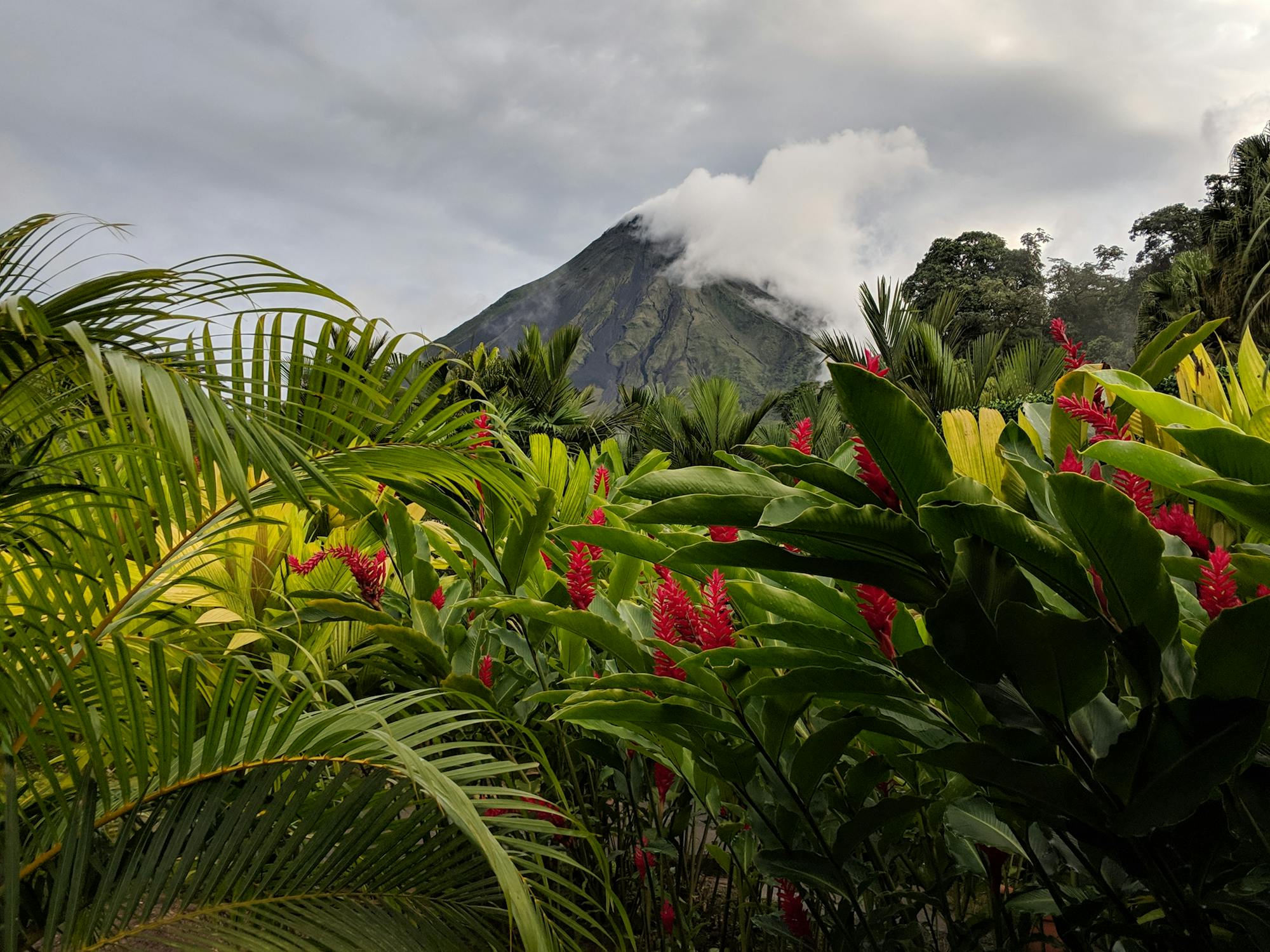
La Fortuna sits in the shadow of Arenal Volcano, the near-perfect cone that dominates the skyline and fuels a year-round flow of adrenaline junkies. Whether you’re planning a multi-day trek on the Heliconias Trail, a sunrise bird-watching session, or a zip-line sprint across the canopy, you need a basecamp that matches the intensity of the terrain. In 2026 the town offers a spectrum of lodgings - from ultra-luxury casitas with private thermal pools to communal hostels that turn strangers into climbing partners. Below is the full lineup of verified hotels and lodges, plus the gear you’ll want to stash in a waterproof pack before you hit the trails.
Short answer: La Fortuna’s seven verified basecamps span a $16-a-night hostel bed downtown to a $4,000-a-night all-inclusive resort at the volcano’s base. Arenal Observatory Lodge has its own trail network on site. Choose by how much time you want commuting to trailheads versus soaking in a hot-spring pool afterwards.
The Best Places to Stay
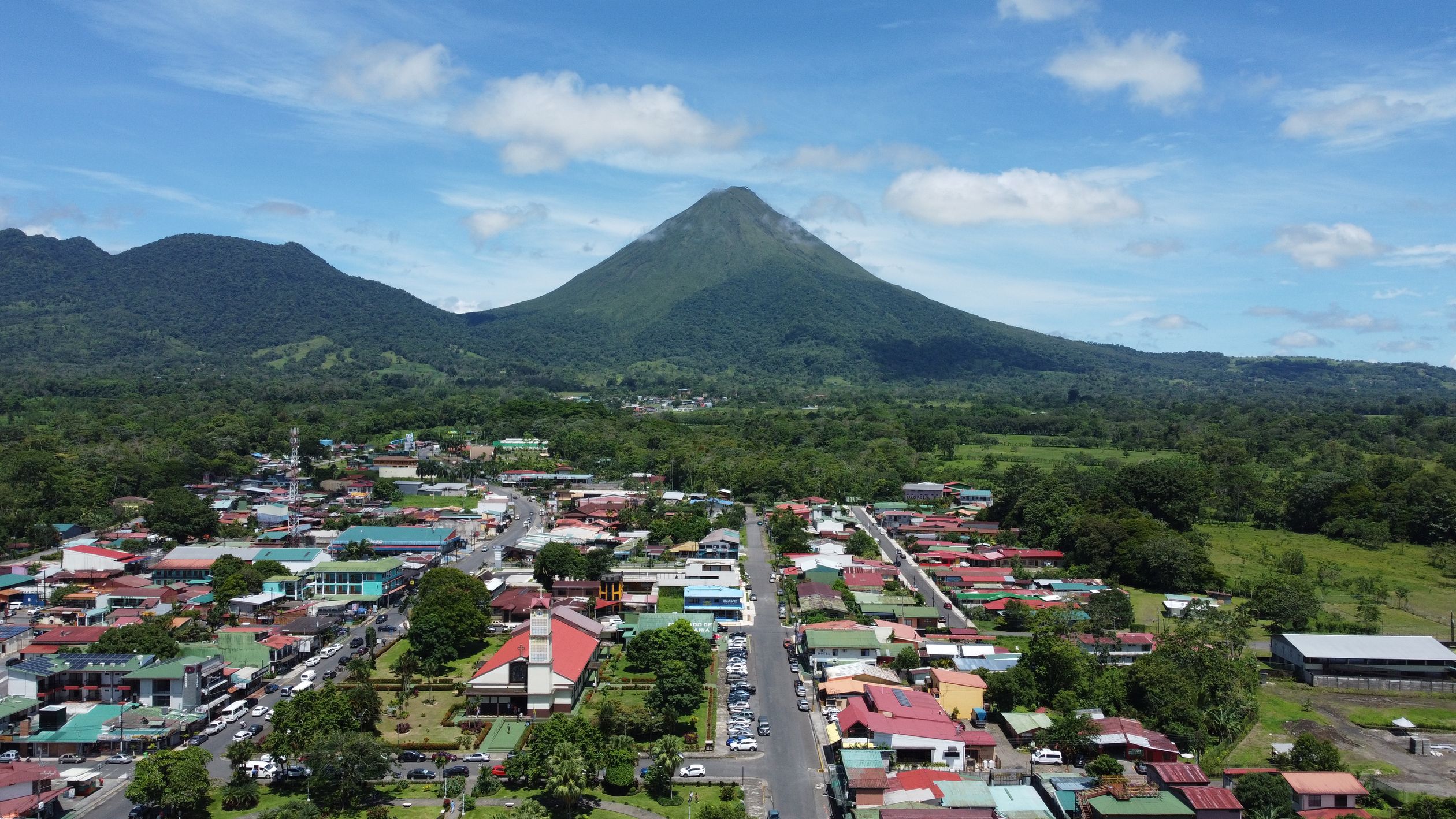
These seven properties span the full range of the basecamp experience, from a $16-a-night hostel bed downtown to a $4,000-a-night all-inclusive adventure resort at the volcano’s base. Pick based on how much time you want to spend commuting to trailheads versus soaking in a pool after the hike.
Arenal Observatory Lodge & Trails
Price band: $120-350
Nestled inside Arenal Volcano National Park, this is the only property on our list that lets you step out of your room and onto a trail. With 7+ miles of private hiking trails, hanging bridges, and an on-site bird sanctuary that logs over 500 species, mornings start with a guided walk that feels like a personal nature documentary. Because it sits closer to the crater than any other lodge here, the trail network delivers direct, unobstructed views that other properties simply can’t match.
Pros: Only lodge actually located inside the national park; trail network and bird sanctuary right on the property. Cons: Isolated location - you’ll need a car or shuttle to reach town for dining or nightlife. Best for: Hikers and birders who want to wake up inside the park instead of driving to it.
Check rates at Arenal Observatory Lodge & Trails
The Springs Resort & Spa
Price band: $560-4,000
Set on a secluded side road at the volcano’s base, The Springs is a self-contained adventure hub. The Club Rio Adventure Center lets you zip-line, tube, ride horses, kayak, or rock-climb without leaving the property, while nearly 30 hot and cool mineral pools provide recovery after a hard day on the rocks. A private wildlife preserve adds a touch of jungle immersion, and five on-site restaurants mean you never have to leave the grounds to refuel.
Pros: Every adventure activity bookable without leaving the property; five on-site restaurants for post-adventure refuel. Cons: Steep price point, especially in high season. Best for: Groups who want a one-stop basecamp with guided adventure ops built in.
Check rates at The Springs Resort & Spa
Hotel Lomas del Volcán
Price band: $150-400
Just a 5-10 minute drive from downtown La Fortuna, this property offers 50 wooden cabins, each with a private porch that frames the volcano. The jungle setting puts you close to trailheads like the El Ceibo Trail (2.3 km), while the on-site pool offers a quick cool-down after a day on the trails.
Pros: Direct volcano views from every cabin; quieter vibe than the mega-resorts. Cons: No on-site hot springs - you’ll need a short drive to soak. Best for: Travelers who want volcano views without resort crowds.
Check rates at Hotel Lomas del Volcán
Heliconias Nature Inn & Hot Springs
Price band: $160-450
Set about 25 minutes outside town, this family-run inn blends tree houses and glass bungalows into the rainforest canopy. Small on-site hot springs and garden-level bird-watching platforms let you hear toucans before you even step out of bed.
Pros: Immersive rainforest setting away from town noise; excellent wildlife spotting from the room. Cons: Distance from town means extra driving for meals and tour pickups. Best for: Birders and hikers who want to sleep inside the rainforest, not just visit it.
Check rates at Heliconias Nature Inn & Hot Springs
Arenal Manoa Hot Springs Resort
Price band: $200-500
Located roughly 10 minutes from downtown, Arenal Manoa balances affordability with on-site hot springs and garden spaces. The property is sustainability-certified, and volcano views are visible from many of the rooms.
Pros: Good middle ground between budget cabins and mega-resorts; close enough to town for easy tour pickups. Cons: Hot springs are smaller-scale than resorts like The Springs. Best for: Travelers who want a hot-springs stay without the luxury-resort price tag.
Check rates at Arenal Manoa Hot Springs Resort
Nayara Springs
Price band: $1,000-1,700
Perched at the volcano’s base near town, Nayara delivers a boutique luxury experience with private natural thermal plunge pools in every casita. The property is repeatedly ranked among the top hotels in Central and South America, and jungle trails wind through the grounds for low-key hikes between spa sessions.
Pros: Elite service and volcano-view privacy in every casita. Cons: Adults-only, and priced well above every other pick on this list. Best for: Couples wanting a luxury reset after multi-day trekking elsewhere in the country.
Viajero La Fortuna Hostel
Price band: $16-90
Right in the heart of La Fortuna, Viajero offers dorms, private rooms, and even tent spaces for the truly rugged traveler. An on-site pool, yoga studio, coworking area, and restaurant/bar host daily group activities that make it the cheapest legitimate basecamp with a built-in social scene. Dorm beds start around $16 a night before Costa Rica’s 13% sales tax (source: Hostelworld).
Pros: Cheapest legitimate basecamp option in town; built-in social scene for solo adventure travelers. Cons: 18+ only; shared bathrooms for the dorm and tent tiers. Best for: Solo backpackers and digital nomads on a budget who still want a social basecamp.
Check rates at Viajero La Fortuna Hostel
What to Pack

When you’re basing out of Arenal, waterproofing is non-negotiable. The rainforest can dump serious rain in a single afternoon, and many trails cross streams that swell fast after a downpour. Here are three vetted packs that keep gear dry without adding bulk:
-
YETI Panga 28 Waterproof Submersible Backpack - 28L high-density nylon shell with a HydroLok zipper that stays airtight even when fully submerged. Ideal for guides or anyone hauling electronics, camera gear, and a change of clothes on a multi-day trek. The ergonomic DryHaul straps make it comfortable on steep ascents, though the $300 price tag reflects its premium build. It’s also noticeably heavier than a standard dry bag thanks to that same protective shell, so factor that into a multi-day pack list. Best for: professional guides, dive operators, and expedition travelers who need airtight reliability.
-
Earth Pak Waterproof Backpack 55L - A 55L PVC-tarpaulin pack that handles longer expeditions, especially if you’re kayaking the Rio Fortuna or doing a multi-day hike on the Heliconias Trail. The roll-top closure and included waterproof phone case keep your tech safe, but the heavy PVC can feel stiff on long carries. Exterior lash points and a front zippered pocket give you fast access to snacks or a rain shell without opening the main roll-top. Best for: multi-day kayakers, rafters, and adventure travelers who need large-capacity waterproof carry.
-
Earth Pak Waterproof Dry Bag with Zippered Pocket - For quick-access items like a map, snacks, or a dry-bagged camera, the zippered pocket on this 10-55L dry bag is a lifesaver. It’s budget-friendly at $22, though the PVC material is less abrasion-resistant than the YETI’s nylon shell. It ships with its own waterproof phone case, so you’re covered even if you forget a dedicated case at home. Best for: beach and water-sports travelers who want accessible budget waterproofing with a practical exterior pocket.
Pack a lightweight rain jacket, quick-dry layers, and a pair of waterproof hiking boots; the trails in Arenal Volcano National Park are slick after rain, and the park bans campfires and amplified sound equipment, so you’ll rely on gear, not fire, for warmth and morale (source: SINAC).
Getting Around & Getting to the Park

Arenal Volcano National Park spans roughly 12,000 hectares and is managed by SINAC (source: SINAC). The park’s two main trails - the 610m Heliconias Trail that ends at a direct crater viewpoint and the 2.3km El Ceibo Trail - are both accessible from lodges that sit inside or near the boundary. Because amplified sound and campfires are prohibited, most visitors rely on shuttle services or rental 4x4s to move between town, the waterfall, and trailheads.
The most common entry point for the La Fortuna Waterfall (a 70-75m drop accessed via 500-530 concrete steps) is the foreign-visitor gate, which charges $20 USD per adult (free for kids 8 and under) and operates 7:00 AM-5:00 PM daily (source: Catarata La Fortuna). The waterfall sits about 5.5km outside downtown, inside the park, so factor in a 15-minute drive from central accommodations.
Renting a 4x4 gives you the most flexibility for reaching trailheads before the tour buses arrive, especially if you’re staying at a lodge like Heliconias Nature Inn that sits well outside town. If you’d rather not navigate unpaved roads yourself, every property on this list works with local shuttle operators, and hotel front desks can usually arrange a ride with a few hours’ notice.
If you’re staying at a property like The Springs or Nayara Springs, many adventure operators offer on-site pick-up. For budget travelers at Viajero, local taxis and shared shuttles run every hour from the main bus terminal. Always confirm the latest schedule, as peak-season demand can push wait times, especially around the park’s two main trailheads where parking and permits are limited.
Practical Tips & Common Mistakes
Even seasoned trekkers make these five mistakes when planning a La Fortuna basecamp - each one is avoidable if you plan a day or two ahead.
-
Don’t assume “park-adjacent” means “inside the park.” Only Arenal Observatory Lodge & Trails is actually within the protected area. Staying elsewhere means you’ll still need to drive to trailheads, which adds fuel costs and reduces early-morning access.
-
Skip the “all-in-one” resort if you crave flexibility. Mega-resorts like The Springs bundle activities, but they can lock you into set times. Independent guides often offer cheaper, more customizable tours that start earlier - crucial for catching the sunrise over the crater.
-
Pack waterproof gear, not just rain gear. Trails become muddy and streams swell quickly. A dry bag for electronics and a submersible backpack for clothing keep you functional when you’re wading across the Rio Fortuna.
-
Mind the park’s visitor limits. Arenal welcomed over 1.5 million non-resident visitors in 2024 (source: ICT). During peak weeks, trail permits can sell out early. Book your guided walks or park entry tickets at least two weeks in advance.
-
Respect the ban on amplified sound. If you’re a climber who likes to play music while scaling a rock face, you’ll need a battery-powered speaker with volume low enough to stay within park regulations. Violations can result in fines and immediate ejection from the park.
FAQ: Timing Your Visits
When is the best month for hiking the Heliconias Trail? The dry season (December-April) offers clearer skies and less trail mud, but the park sees its highest visitor numbers then. For a balance of weather and crowd levels, aim for late May or early November - just after the short rain peaks when the forest is lush but trails are still passable. Either way, book your lodge well ahead of the dry-season rush.
Do I need a separate entry ticket for each activity? Most adventure operators (zip-lining, kayaking, horseback riding) charge per activity, but the park entry fee covers access to both the Heliconias and El Ceibo trails plus the waterfall. If you stay at a resort with an on-site adventure center, those fees are often bundled into your package. Always confirm what’s included before you arrive, since packages vary by property.
Can I bring my own food into the park? Yes, packed lunches are allowed, but you must carry out all waste. The park’s “Leave No Trace” policy is strict, and littering can result in fines.
Is a guide mandatory on the longer trails? Not for the 610m Heliconias Trail, but the 2.3km El Ceibo Trail is recommended with a guide if you’re unfamiliar with the terrain, especially during the rainy season when trail markers can be obscured. A local guide also knows which stretches of trail flood first, which matters most in the shoulder months.
What’s the safest way to get to the waterfall after a night hike? The waterfall’s entrance gate closes at 5:00 PM, so plan to finish your hike before then. If you’re staying in town, a short taxi ride (about 10 minutes) will get you back before darkness sets in.
Whichever basecamp you choose, book your park entry and any guided hikes at least two weeks ahead during peak season, and pack for a rainforest, not a resort - the gear above will keep you moving no matter which trail you pick.
Related Reading
Get price-drop alerts and new guides from BoldTripGuide
One email a week: price drops on the gear we recommend, new guides, and what changed. No spam, unsubscribe anytime.