Best Basecamp Hotels & Lodges in Lofoten Islands 2026
Explore the top basecamp-style hotels and lodges across Lofoten Islands for 2026, with prices, pros, cons, and practical tips for adventure travelers.

This post may contain affiliate links. Disclosure
The Lofoten archipelago is a magnet for hikers, kayakers, and photographers who crave dramatic fjords, rugged peaks, and midnight-sun-lit seas. In 2026 the region’s basecamp-style lodgings have matured into purpose-built hubs that blend traditional rorbu charm with modern gear-friendly amenities. Whether you’re chasing sunrise over Reinebringen or paddling the calm waters of Hamnoy, the right lodge shaves hours off logistics, keeps your equipment dry, and gives you a warm sauna after a cold-water plunge. Below is a full roundup of the most reliable basecamp hotels and lodges, the arrival and weather logistics, and a current safety snapshot for Norway.
Short answer: Lofoten’s basecamps are mostly rorbuer, converted fishermen’s cabins, spread across Reine, Hamnoy, Sakrisoy, Nusfjord and Svolvaer, plus the mid-island Lofoten Basecamp ten minutes from Leknes. Expect ocean-view balconies, full kitchens, EV charging and communal saunas costing roughly US $30 an hour for post-paddle thawing.
The Best Places to Stay
Lofoten Basecamp - Leknes
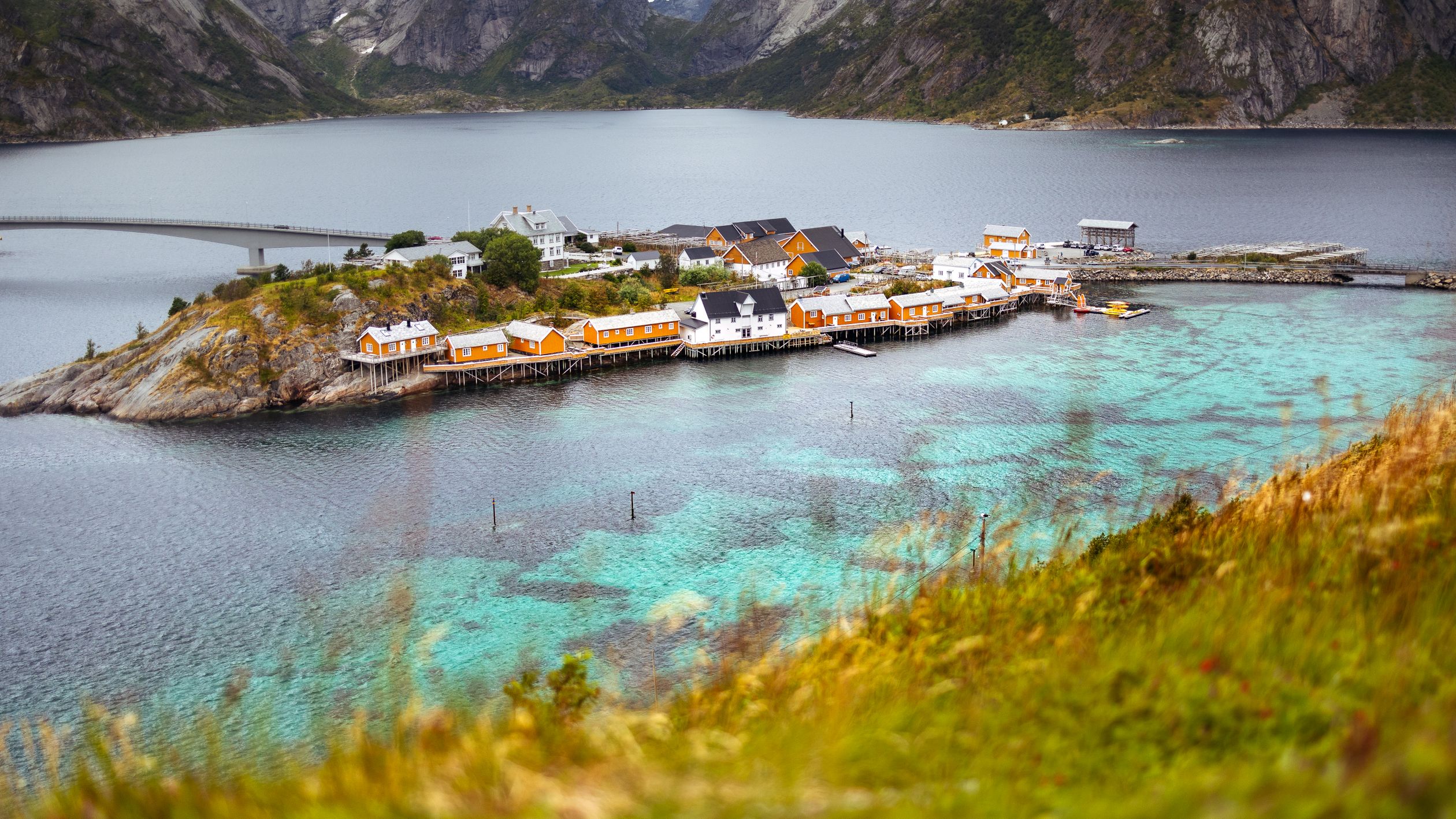
Mid-island, between Svolvaer and Reine, Lofoten Basecamp sits about ten minutes from Leknes town and the main road to Reine, making day-trips a breeze. Modern fisherman’s cabins feature ocean-view balconies, private fire pits, a fully equipped kitchen with dishwasher and washing machine, a high-speed EV charging station, and a communal sauna that runs roughly US $30 per hour - perfect for thawing after a cold-water kayak session. Free Wi-Fi covers the whole property, and the cabins are pet-friendly for a NOK 200 fee, a detail worth knowing if you’re traveling with a dog. Price band: $148-$316 per night on Kayak, with Expedia listing rates up to about $202 depending on season. Pros: Central location, gear-friendly kitchens, early-check-in flexibility. Cons: No on-site restaurant; guests must cook or venture out for meals. Lofoten Basecamp - Check rates
Reine Rorbuer - Reine, Vestvagoy
Perched at the entrance to Reinefjorden, this cluster of 40 traditional rorbuer plus a full-size apartment offers direct fjord views and a restaurant, Gammelbua, serving local Lofoten cuisine. Guided photo-tours and northern-lights packages are on-site, and the cabins sit steps from the iconic Reinebringen trailhead. Best for: travelers who want an authentic rorbu experience with easy access to iconic Reine scenery. Pros: Unrivaled scenery, authentic rorbu experience. Cons: Remote; limited public transport, so a rental car is advisable. Reine Rorbuer - Check rates
Sakrisoy Rorbuer - Sakrisoy, near Svolvaer
Family-run cabins handed down through five generations sit on a quiet island a short ferry ride from Svolvaer harbour. Solar-powered facilities underline a strong sustainability focus, and the proximity to the harbour opens up kayaking and boat tours without a long drive. Best for: adventure couples who value heritage charm and eco-friendly lodging. Pros: Heritage charm, eco-friendly operations, personalized owner service. Cons: Minimal on-site amenities; guests rely on Svolvaer for groceries and dining. Sakrisoy Rorbuer - Check rates
Nusfjord Arctic Resort - Nusfjord village, Flakstad
Set in a restored historic fishing village, this resort blends wooden cabins with a year-round activity centre offering hiking, sea-kayak, and Northern Lights tours. An on-site restaurant serves locally sourced seafood, and the secluded valley grants privacy and sweeping sea views. Best for: explorers who want a blend of heritage ambience and modern adventure support. Pros: Heritage ambience, robust gear storage, early-arrival check-in. Cons: Requires a 30-minute drive from Leknes Airport, adding travel time. Nusfjord Arctic Resort - Check rates
Svinoya Rorbuer - Svolvaer, Vagan
Located steps from Svolvaer harbour, the ferry terminal, and a cluster of restaurants, Svinoya offers historic rorbu cabins upgraded with modern comforts. An on-site restaurant and bar serve fresh seafood, and family-friendly rooms share a communal lounge. Best for: travelers seeking a traditional Lofoten stay with quick access to sea-based adventures. Pros: Authentic atmosphere, immediate access to boat tours, central town vibe. Cons: Limited private parking for larger vehicles, which can be a hassle for groups with gear. Price band: $130-$150 per night. Svinoya Rorbuer - Check rates
Eliassen Rorbuer - Hamnoy, Reine (Moskenes)
Renovated fishermen’s cottages on Hamnoy Island boast private kitchens, free Wi-Fi, and on-site parking. The cabins overlook the fjord, providing a front-row seat for sunrise photography and calm-water kayaking. Best for: photographers and paddlers who want a scenic, secluded base near world-renowned fjords. Pros: Secluded setting ideal for night-time Northern-Lights watching, direct trail access. Cons: Higher price in peak summer, ranging $170-$380. Eliassen Rorbuer - Check rates
Reine Rorbuer - Classic Norway Hotels - Reine, Moskenes
These traditional cabins sit directly on the fjord’s edge, steps from world-renowned photo spots and hiking routes. An on-site restaurant serves fresh seafood, and the quiet evenings are perfect for editing photos or simply soaking in the view. Price band: $320-$350 per night. Best for: adventure photographers and hikers seeking an iconic Lofoten backdrop. Pros: Iconic backdrop, authentic rorbu feel, excellent for photographers. Cons: Very remote; public transport options are scarce. Reine Rorbuer - Classic Norway Hotels - Check rates
Arrival, Transport & Luggage Storage
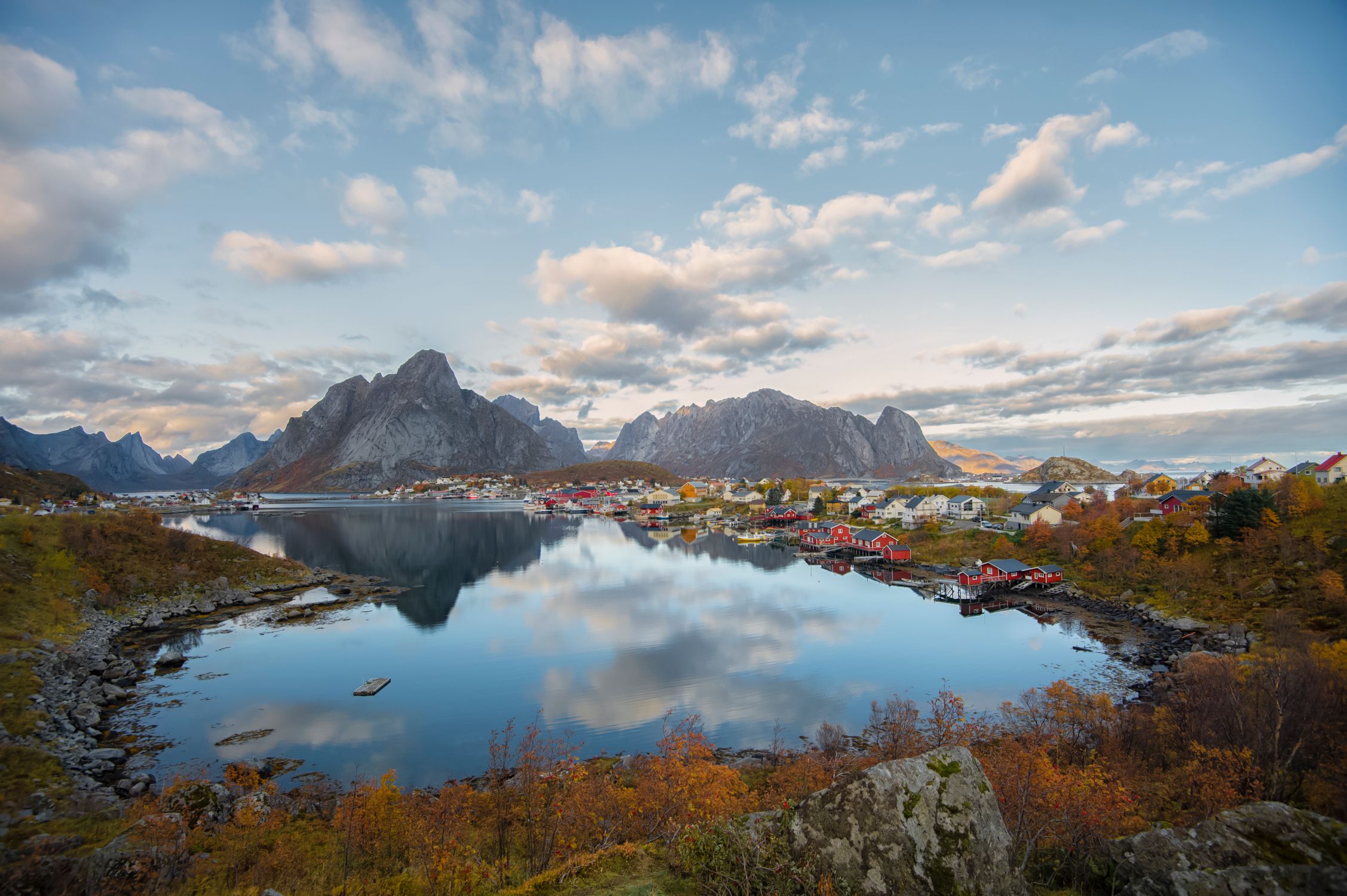
Most visitors fly into Leknes Airport (LKN), operated by Avinor, a short ten-minute drive to Lofoten Basecamp and a 30-minute drive to Nusfjord Arctic Resort. Regional airports at Bodo and Evenes also offer luggage storage for a modest daily fee, a useful fallback when your basecamp lodge lacks lockers - Lofoten itself has no public locker banks. For those arriving by ferry, the Bodo-Moskenes route includes a small storage office at the terminal. Car rentals are the norm; the Norwegian Public Roads Administration’s website (vegvesen.no) provides up-to-date road conditions and toll information for the E10 and its connecting spurs. Early-check-in and late-check-out are widely offered across the properties above, letting you align arrival times with sunrise hikes or late-night aurora chases.
Once you’re on the ground, the E10 is effectively the archipelago’s spine, connecting Leknes to Svolvaer in one direction and threading south through Flakstad toward Reine and Moskenes in the other. Distances look short on a map but mountain passes and single-lane bridges slow things down, so budget more driving time than you’d expect between, say, Nusfjord and Hamnoy. If your itinerary includes the Moskenes ferry terminal, arrive with time to spare during summer, when foot and vehicle traffic both peak alongside the midnight-sun crowds.
When to Go: Light, Dark & Weather
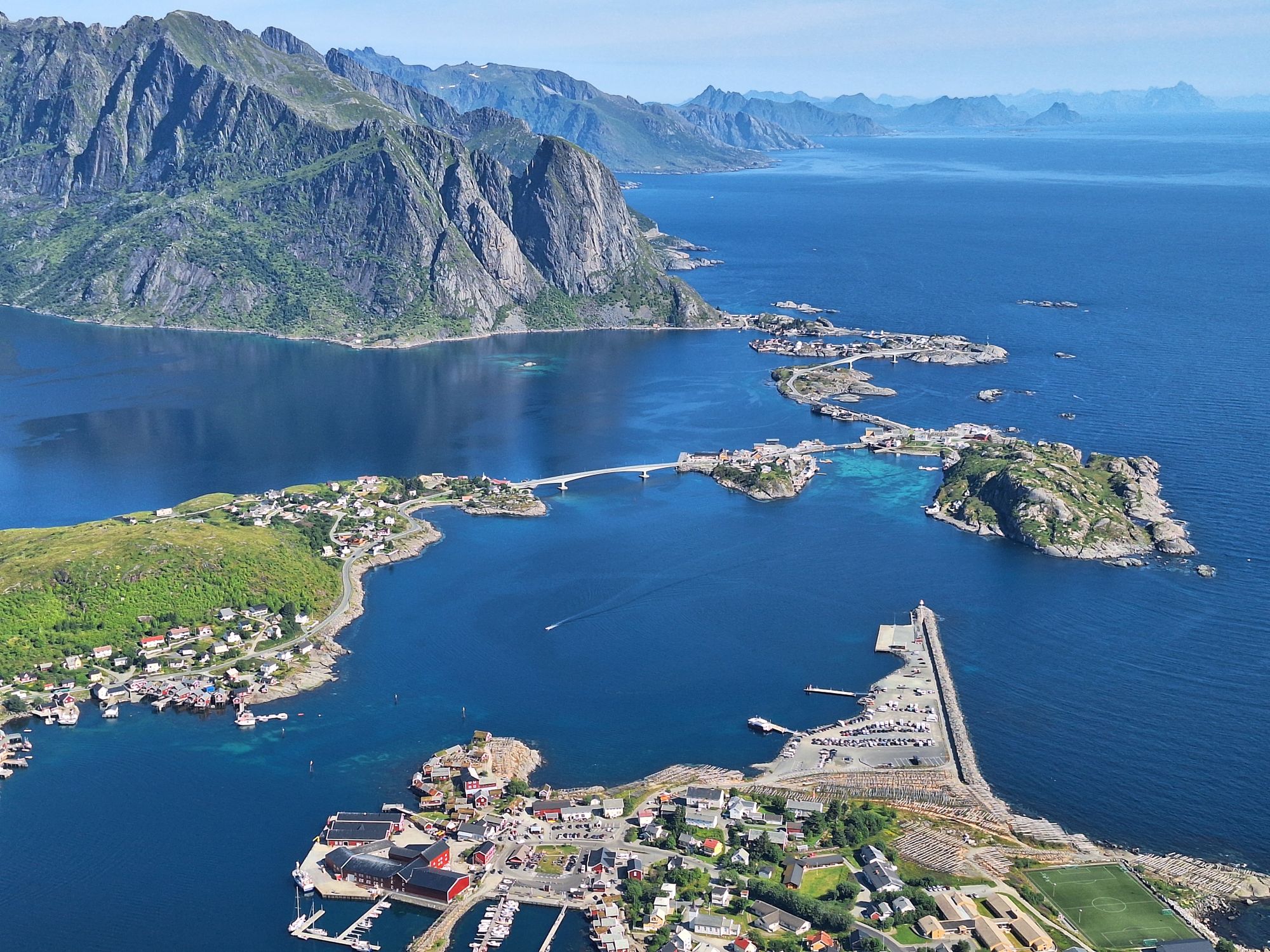
The archipelago’s daylight swings dramatically. From late May to mid-July the midnight sun provides 24-hour light, ideal for non-stop sea-kayaking, surf sessions, and late-night summit attempts. Conversely, the polar night from early December to early January plunges the islands into near-total darkness, limiting hiking to daylight hours but creating prime aurora conditions. Weather is changeable, and cold snaps with strong coastal winds mean waterproof layers and a wetsuit are worth packing even in the height of summer. Budget-conscious travelers should remember Norway’s high cost of living; plan for meals and transport, especially if you rely on restaurants in Svolvaer or Reine.
Safety Snapshot: Norway Travel Advisory
According to the U.S. State Department, Norway sits at Level 1: “Exercise Normal Precautions,” the lowest of the four advisory tiers. The UK Foreign, Commonwealth & Development Office echoes that assessment, noting only “a small risk of petty theft, particularly at airports and railway stations in and around Oslo,” and flagging that illegal drugs, including cannabis, carry severe penalties nationwide. Neither advisory flags Lofoten specifically for crime concerns; the real risk in this region is environmental - cold water, exposed ridgelines, and fast-changing weather - rather than personal safety. That environmental risk is worth taking seriously: Reinebringen and the other exposed ridgelines above the lodges listed here can turn from clear to whited-out in under an hour, and cold-water immersion off Hamnoy or Sakrisoy is dangerous without a wetsuit even in July. Treat the sauna at Lofoten Basecamp as recovery infrastructure, not a luxury add-on, and check the forecast each morning before committing to a ridge hike or a paddle. Full details: U.S. State Department Norway advisory and UK FCDO Norway advice.
Adventure Logistics: Gear, Sauna & EV Support
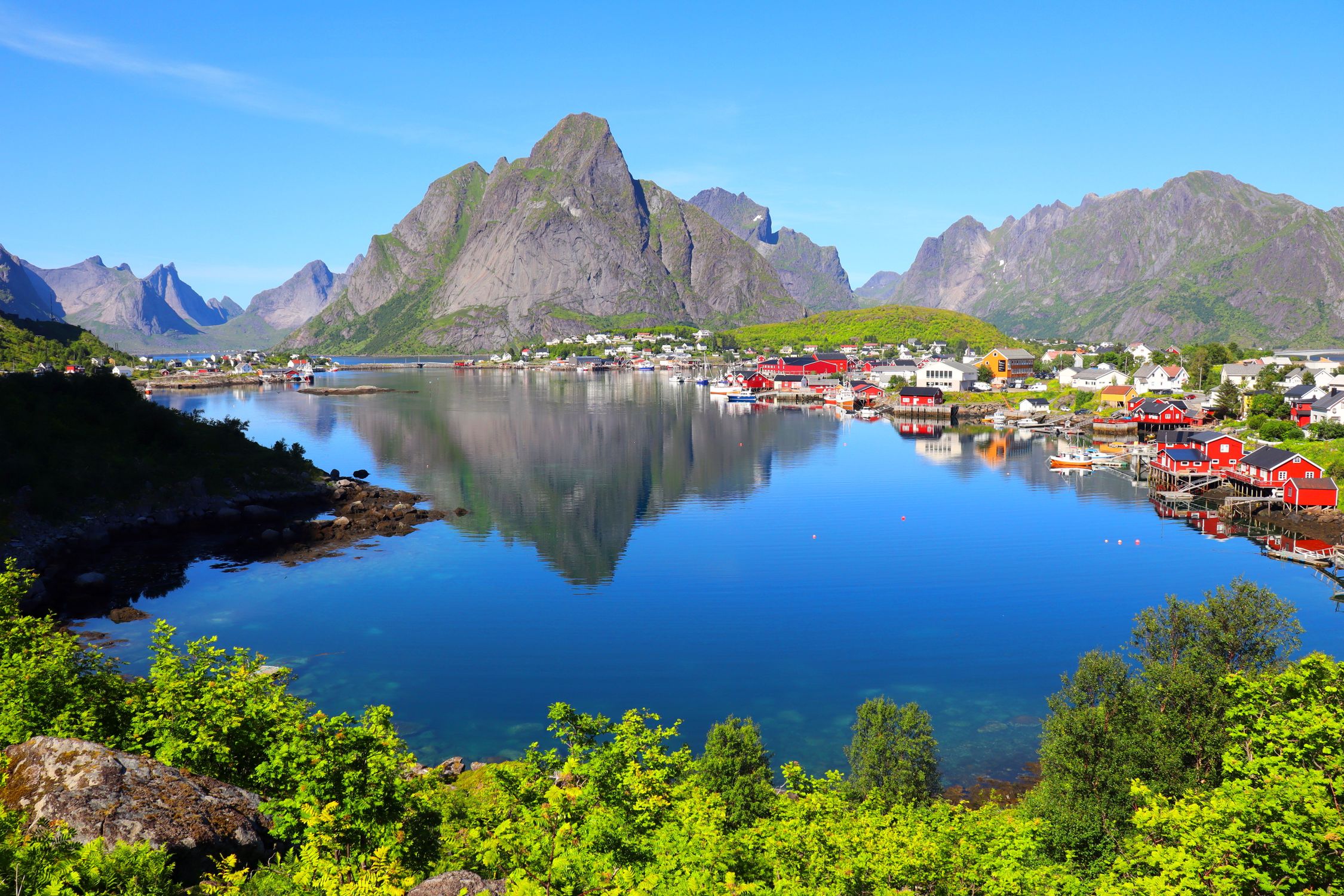
All of the featured lodges understand that outdoor gear needs space and drying power. Lofoten Basecamp equips each cabin with a dishwasher, washing machine, and a dedicated gear-storage locker, plus free Wi-Fi for planning routes on the go. The on-site sauna, billed at roughly US $30 per hour, offers a quick warm-up after a cold-water paddle. For electric-vehicle owners, the same property provides a high-speed charging point in its parking lot, a rarity in remote Norway. Early-arrival guests can store backpacks in the communal gear room while they wait for their room to be ready. If you’re traveling with a dog, budget the NOK 200 pet fee at Lofoten Basecamp rather than assuming it’s waived.
Beyond Lofoten Basecamp, the rorbu-style properties handle gear differently. Eliassen Rorbuer and Reine Rorbuer both include private kitchens where you can rinse and dry dive booties or kayak spray skirts overnight, and their on-site parking means you’re not hauling wet gear far from the car. Sakrisoy Rorbuer’s solar-powered setup keeps amenities minimal by design, so pack a compact drying line if you’re staying multiple nights between paddling sessions. Nusfjord Arctic Resort’s activity centre runs its own hiking, sea-kayak, and Northern Lights tours, which is worth checking before you rent equipment elsewhere - bundling gear with a guided tour can be cheaper than sourcing rentals independently in a village this remote.
Booking Windows & Price Comparison
Rates vary noticeably by booking platform and season. Kayak lists Lofoten Basecamp starting at $148 a night, while Expedia has shown the same property closer to $202 depending on dates - worth a quick cross-check before you commit. At the budget end, Svinoya Rorbuer runs $130-$150 a night with immediate harbour access, while Eliassen Rorbuer and Reine Rorbuer - Classic Norway Hotels climb to $380 and $350 respectively during the peak summer window. Booking two to three months ahead of the midnight-sun season (late May to mid-July) gives you the widest pick of rorbuer with fjord-facing rooms, since the most photogenic cabins sell out first.
Matching lodge to trip type keeps the comparison simple. Kayakers and cold-water surfers benefit most from Lofoten Basecamp and Svinoya Rorbuer, both a short paddle or drive from launch points around Svolvaer. Photographers chasing the Reinebringen sunrise or the Reine fjord panorama should prioritize Reine Rorbuer, Eliassen Rorbuer, or Reine Rorbuer - Classic Norway Hotels, all of which sit within walking distance of the classic viewpoints. Travelers on a tighter budget who still want a central base do best at Lofoten Basecamp or Svinoya Rorbuer, while those chasing heritage charm and sustainability should look at Sakrisoy Rorbuer or Nusfjord Arctic Resort. Whichever you pick, cross-checking the direct property site against Kayak and Expedia before booking can shave real money off a multi-night stay.
Common Mistakes to Avoid

- Assuming Public Lockers Exist - Lofoten offers no municipal locker banks; rely on your lodge, the airport, or the ferry terminal for storage.
- Overpacking for Daylight - The midnight-sun period can tempt you to bring extra gear, but limited luggage space in rorbuer means you’ll spend valuable time shuffling equipment.
- Skipping Car Rental - Public transport reaches the main towns but many trailheads and ferry points are only accessible by car; without a vehicle you’ll miss Reinebringen, Hamnoy, and the remote Nusfjord valley.
- Neglecting Sauna Costs - The sauna is a fantastic recovery tool, but it isn’t free; budget the $30 hourly fee if you plan multiple sessions.
- Booking Without Checking Seasonal Prices - Eliassen Rorbuer and Reine Rorbuer - Classic Norway Hotels surge to $380 and $350 per night respectively in peak summer; if your budget is tight, consider Lofoten Basecamp’s $148-$316 range or the more modest Svinoya Rorbuer.
- Forgetting the Pet Fee - Traveling with a dog at Lofoten Basecamp adds a NOK 200 charge that’s easy to overlook when comparing rates across platforms.
- Ignoring the Weather Window - A clear forecast at breakfast can change by the time you reach a ridge; check conditions again before committing to Reinebringen or any exposed summit attempt.
Related Reading
Get price-drop alerts and new guides from BoldTripGuide
One email a week: price drops on the gear we recommend, new guides, and what changed. No spam, unsubscribe anytime.