Best Basecamp Hotels & Lodges in Queenstown 2026 - Adventure
Queenstown's best basecamp hotels and lodges for 2026 - social hostels to eco-lodge retreats - with pricing, pros, cons, and packing tips for skiers and hikers.

This post may contain affiliate links. Disclosure
Queenstown is the launchpad for every kind of high-octane adventure in the Southern Alps. Whether you’re dropping into the Kawarau Bungy, carving the bowls at Coronet Peak, or trekking the Routeburn Great Walk, you need a basecamp that fuels the day and recovers the night. In 2026 the town’s accommodation mix ranges from buzzing hostels that throw nightly Mario Kart battles to eco-lodges that generate more power than they consume. Below is the full rundown of the most reliable spots to park your pack, complete with price bands, real-world pros and cons, and a quick gear checklist so you can focus on the descent, not the logistics.
Safety: The U.S. State Department rates New Zealand Level 1 — Exercise Normal Precautions. The UK Foreign Office notes: “Crime levels are generally low, but street crime happens in major towns and cities. Thieves may target unattended vehicles, especially hire cars and camper vans in major tourist areas.” (US advisory · UK FCDO, updated 2026-03-19).
Short answer: Queenstown’s eight verified basecamps run from social hostels like Adventure Queenstown at $25-90 a night, steps from the downtown adventure-booking storefronts, up to Headwaters Eco Lodge, the Sofitel and The Great Glenorchy Alpine Base Camp. Pick by whether you want nightlife, ski logistics, or quiet trailhead access.
The Best Places to Stay
Adventure Queenstown Hostel
Located steps from the downtown bars and adventure-booking storefronts, this hostel is a social engine for solo travelers. Nightly events run from pub crawls to quiz nights and even Mario Kart battles, while lake-view common areas keep the vibe chill between sessions. Price band: $25-90. Pros: Built for skydive-to-ski-to-hike itineraries, and it’s easy to meet people fast if you’re traveling solo. Cons: Party-house energy can wreck an early alpine start. Ideal for solo adventurers who thrive on noise and instant connections. Check rates
LyLo Queenstown
A hybrid hostel-hotel in the heart of Queenstown, LyLo offers cosy sleep pods and private ensuites plus a rooftop hangout with mountain views. Walkable to the ski-bus and gondola pickup points, it’s perfect for quick-change days on the slopes. Price band: $40-130. Pros: Privacy without losing the rooftop social scene, and it sits steps from the transport links you’ll use every morning. Cons: Pods are tight for bulky ski or climbing gear. Best for adventure travelers who need a flexible base near transport hubs. Check rates
Adventure Q2 Hostel
The quieter sister property to Adventure Queenstown Hostel, Q2 sits in the same central location but with a calmer vibe. Nightly social events still roll, but the crowd is a shade less rowdy, giving you a bit more breathing room after a long day on the mountain. Price band: $25-85. Pros: Same central access to skydiving, skiing and hiking; social without the full-blast party. Cons: Fewer beds mean it fills up fast in peak ski season. Great for travelers who want the Adventure network with a touch less chaos. Check rates
Headwaters Eco Lodge
Set 45 minutes from Queenstown in Glenorchy, Headwaters is New Zealand’s first resort that generates more power than it uses (source: Queenstown NZ). It spans backpacker-style bunk huts to luxury eco-cabins, all perched at the trailheads for the Routeburn, Greenstone and Caples Great Walks. Price band: $60-400. Pros: Authentic eco credentials, budget-to-splurge options under one roof, and it’s the closest legit basecamp to the Great Walk trailheads. Cons: The drive removes you from Queenstown nightlife and gear shops, so pack everything you need before you leave town. Best for hikers tackling the Routeburn, Greenstone or Caples tracks. Check rates
The Great Glenorchy Alpine Base Camp
Another Glenorchy gem, this property mimics a mountaineer’s hut with bunk rooms, cabins, a wood-fired licensed restaurant, and guided wilderness outings. It’s a solid staging point for approaches into Mt Aspiring National Park. Price band: $50-180. Pros: Alpine-hut feel with hot meals on tap, plus an authentic wilderness vibe you don’t get at a chain hotel. Cons: Small property books out fast in peak trekking season. Ideal for trekkers craving a rugged hut atmosphere without sacrificing a decent dinner. Check rates
The Dairy
Housed in a converted historic building in central Queenstown, The Dairy delivers boutique guesthouse charm with personal service. Walking distance to the lakefront and gondola, rooms start around $193/night - roughly a third cheaper than the nearby Sofitel (source: KAYAK). Price band: $190-320. Pros: Boutique character, central location, and a rate that undercuts the luxury chains nearby. Cons: Limited rooms mean you must book early in ski season. Perfect for couples or solo travelers who value character over big-hotel amenities. Check rates
Sofitel Queenstown Hotel & Spa
French-inspired luxury sits beside the ski-bus hub that shuttles to Coronet Peak and The Remarkables. The full spa is a recovery haven after a day of big-mountain play, and ski-bus pickup at the door eliminates the rental-car dilemma. Price band: $210-500; recent average nightly rate about $466 with lows near $210 in shoulder season (source: Tripadvisor). Pros: Direct ski-bus access, spa recovery, and upscale amenities that make a multi-week ski trip feel sustainable. Cons: Premium pricing in peak winter and summer weeks. Best for skiers and hikers who want a slopeside-adjacent basecamp without roughing it. Check rates
The Spire Hotel
Only ten rooms and two apartments make The Spire a truly boutique experience, with a gas fireplace and balcony in every unit. It’s a two-minute walk from Lake Wakatipu, giving you instant lake-front vibes and easy access to bars, and the property carries a Michelin Guide listing to back up the boutique service. Pros: Walkable to lake and nightlife, personal service even during crowds. Cons: Limited units - plan ahead, since the tiny inventory books out months ahead for peak ski weeks (source: The Spire Hotel). Price band: $260-550. Ideal for travelers craving boutique luxury within stone’s throw of both water and nightlife. Check rates
Choosing Your Basecamp by Priority
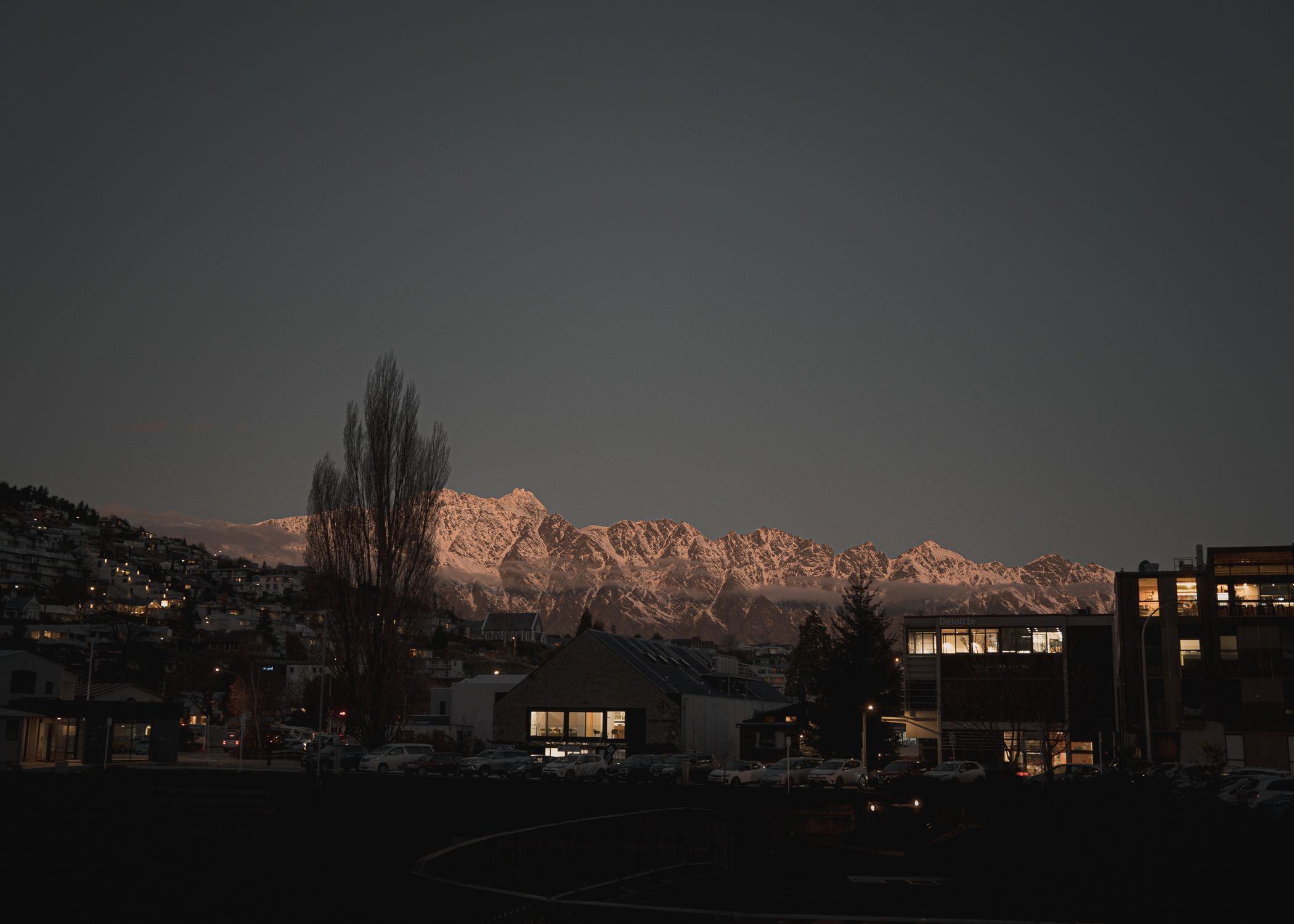
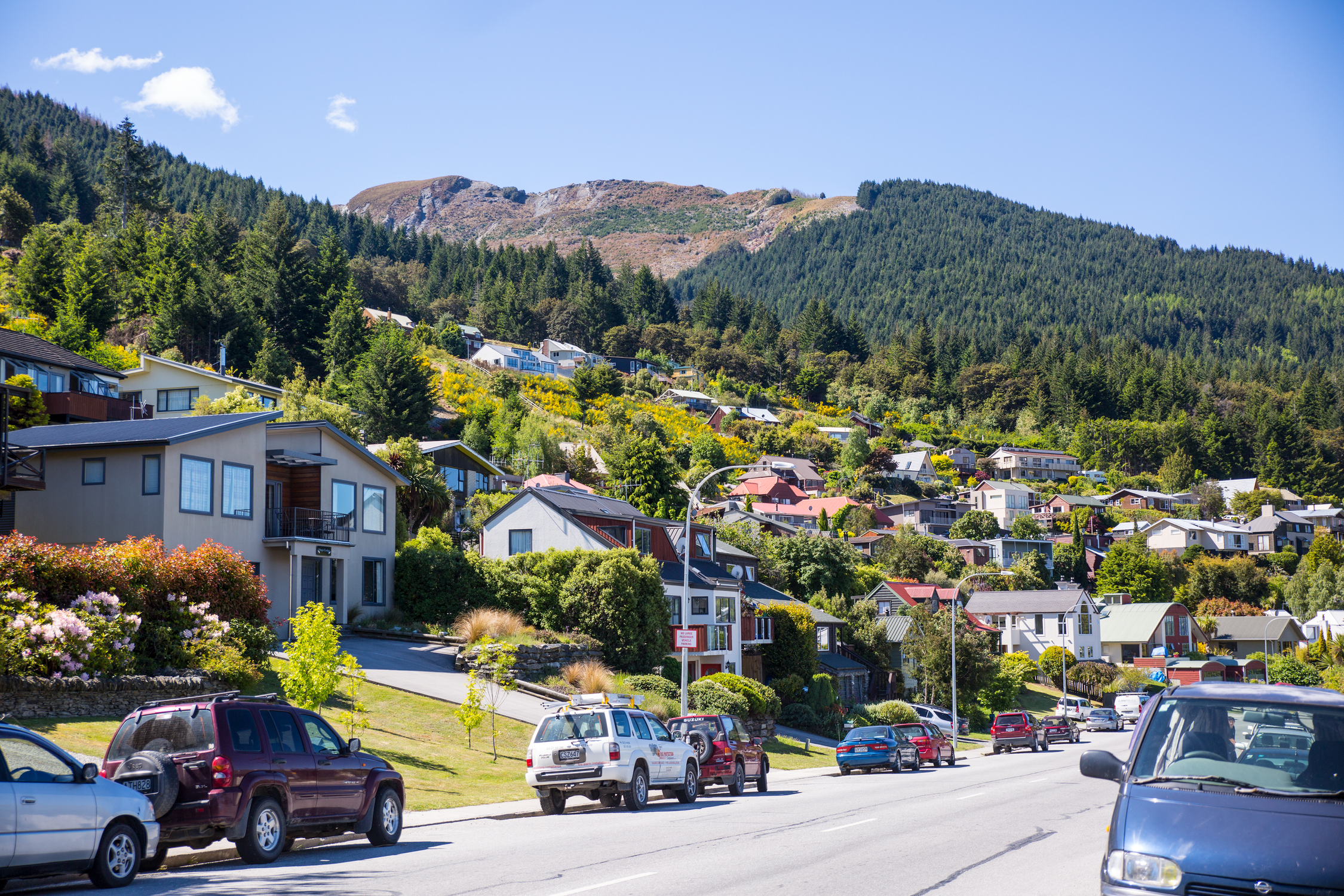
With eight solid options spread across three distinct zones - central Queenstown, the ski-bus corridor, and Glenorchy - the right call depends on what you’re actually doing each day. If your itinerary is skydive-in-the-morning, bar-crawl-at-night, the Adventure Queenstown Hostel or its calmer sibling Q2 keep you inside stumbling distance of the booking storefronts and the pub. If you’re chasing first tracks at Coronet Peak or The Remarkables, the Sofitel’s position beside the ski-bus hub removes the single biggest morning friction point: getting to the lift line without a rental car. Hikers heading out on the Routeburn, Greenstone or Caples should skip central Queenstown entirely and stage from Headwaters Eco Lodge or The Great Glenorchy Alpine Base Camp instead, both of which sit at the Glenorchy trailheads rather than 45 minutes away from them. Couples and boutique-minded travelers who still want walkability land best at The Dairy or The Spire Hotel, both of which trade big-chain scale for character and a shorter walk to the lakefront.
What to Pack
A solid waterproof system is non-negotiable when you’re hopping between lake, river, and alpine environments. Below are three vetted options that survived the 2026 season with real-world users.
- YETI Panga 28 Waterproof Submersible Backpack - High-density nylon with a ThickSkin TPU shell and HydroLok zipper, keeping gear dry even if you plunge into the Shotover. At $299.99 it’s pricey but the fully submersible seal, puncture-resistant shell, and ergonomic DryHaul shoulder straps make it the pick for guides and expedition travelers who can’t afford a single leak.
- Earth Pak Waterproof Backpack 55L - Built from 500D PVC tarpaulin with a roll-top snap closure, padded backpack straps, and a sternum strap, this one is sized for multi-day kayaking or glacier trekking where you need real dry volume. The included waterproof phone case and front zippered pocket mean you’re not digging through a dry-bag body for your keys every time you stop.
- Earth Pak Waterproof Dry Bag with Zippered Pocket - A budget-friendly option available from 10L up to 55L, with the same IPX8 submersible waterproofing and roll-top closure as its bigger sibling, plus a front zippered pocket for quick-access items. Ideal for day hikes or as a secondary bag for wet gear after a river crossing.
Choose the bag that matches your loadout: submersible for glacier travel, large roll-top for multi-day treks, or a dry bag for quick water-sport stops. None of these are marketing fluff picks - all three are built around the same core failure point adventure travelers actually hit, which is water finding its way into a bag that was only ever “water-resistant.”
Ski Season Logistics
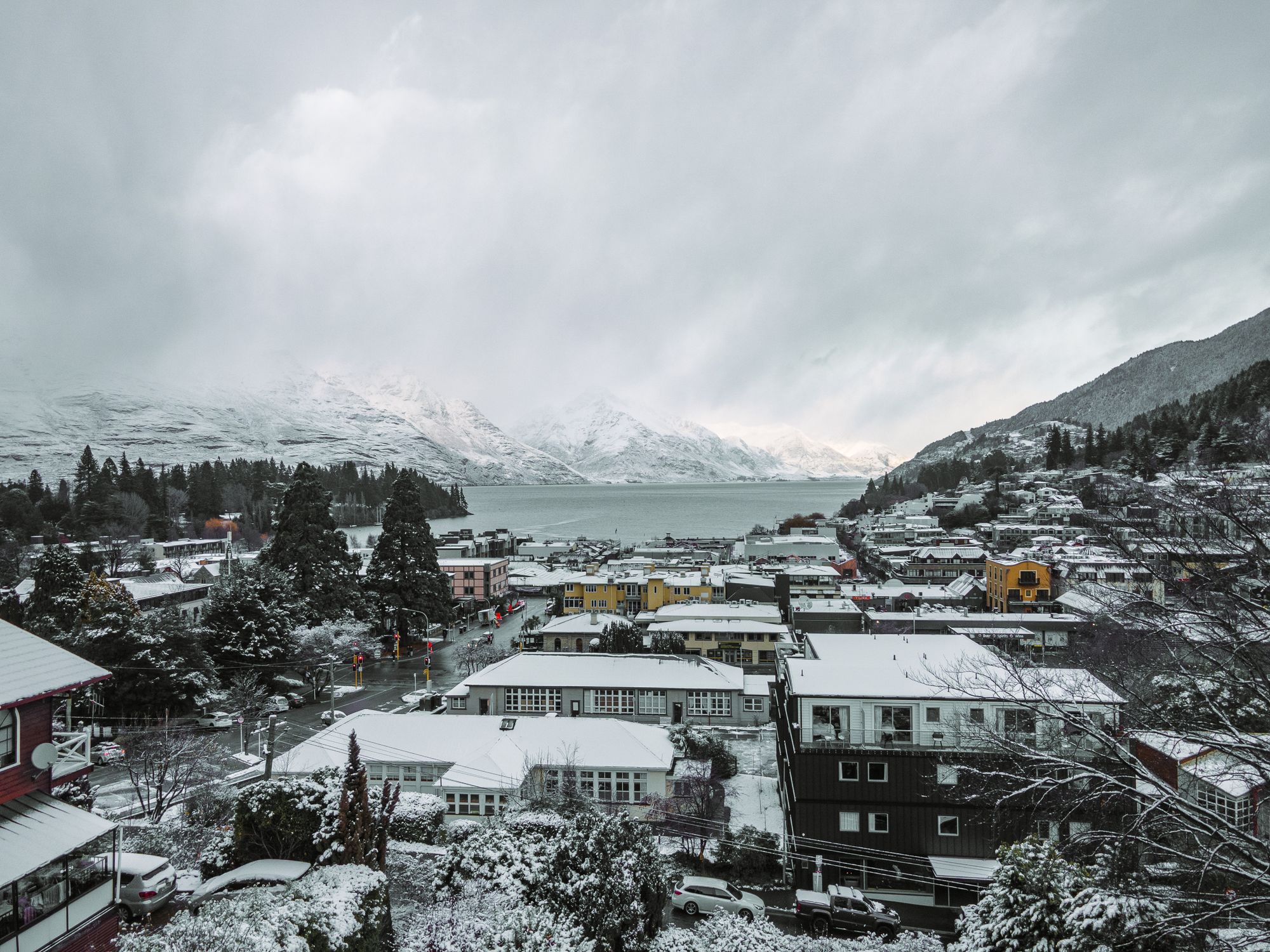
Queenstown’s three ski fields are all within an hour’s drive: Coronet Peak (22 min), The Remarkables (40 min) and Cardrona (50 min) (source: Queenstown NZ). The 2026 Coronet Peak season runs 13 June - 4 Oct, while The Remarkables season stretches from 13 June - 11 Oct (source: Coronet Peak; The Remarkables). Night skiing at Coronet Peak runs 4-9 pm on Wednesdays and Fridays from 24 June - 4 Sept (source: Coronet Peak).
If you plan to hop between peaks, the NZ SuperPass bundles access for $105/day for adults, $70 for seniors and $60 for children (source: NZ SuperPass). This pass also covers Mt Hutt, so you can extend your mountain days without juggling tickets - useful if your basecamp booking spans a longer trip and you want the flexibility to chase better snow further afield.
For lift tickets and transport, the ski-bus hub beside Sofitel Queenstown is the most convenient drop-off point - just walk to the bus and be on the chair in minutes. Staying anywhere else in central Queenstown still puts you within a short shuttle of that same hub, which is why almost none of the hostels or hotels above require you to rent a car for ski days. Check the official Coronet Peak passes & packages for any early-bird discounts.
Adventure Basecamp Activities
Beyond the slopes, Queenstown’s adventure menu is legendary. The Kawarau Bungy Centre in Gibbston Valley (State Highway 6) bills itself as the World Home of Bungy (source: Queenstown NZ) - a must-do for any adrenaline-seeker, and it’s an easy add-on day if your basecamp is central enough to skip a shuttle transfer. Trailheads for the Routeburn, Greenstone and Caples Great Walks sit right outside Headwaters Eco Lodge, making it the most logical overnight before a multi-day trek, rather than trying to stage a pre-dawn drive out from central Queenstown.
If you’re after water, the Shotover and Kawarau rivers provide world-class jet-boat runs, while the lakefront near The Spire Hotel offers paddle-boarding at sunrise before the day-trip crowds arrive. For mountain bikers, the Queenstown Bike Park is a short shuttle away from the central hostels, and the gondola at Skyline Queenstown drops you into a network of alpine trails that work well as a half-day add-on between bigger objectives.
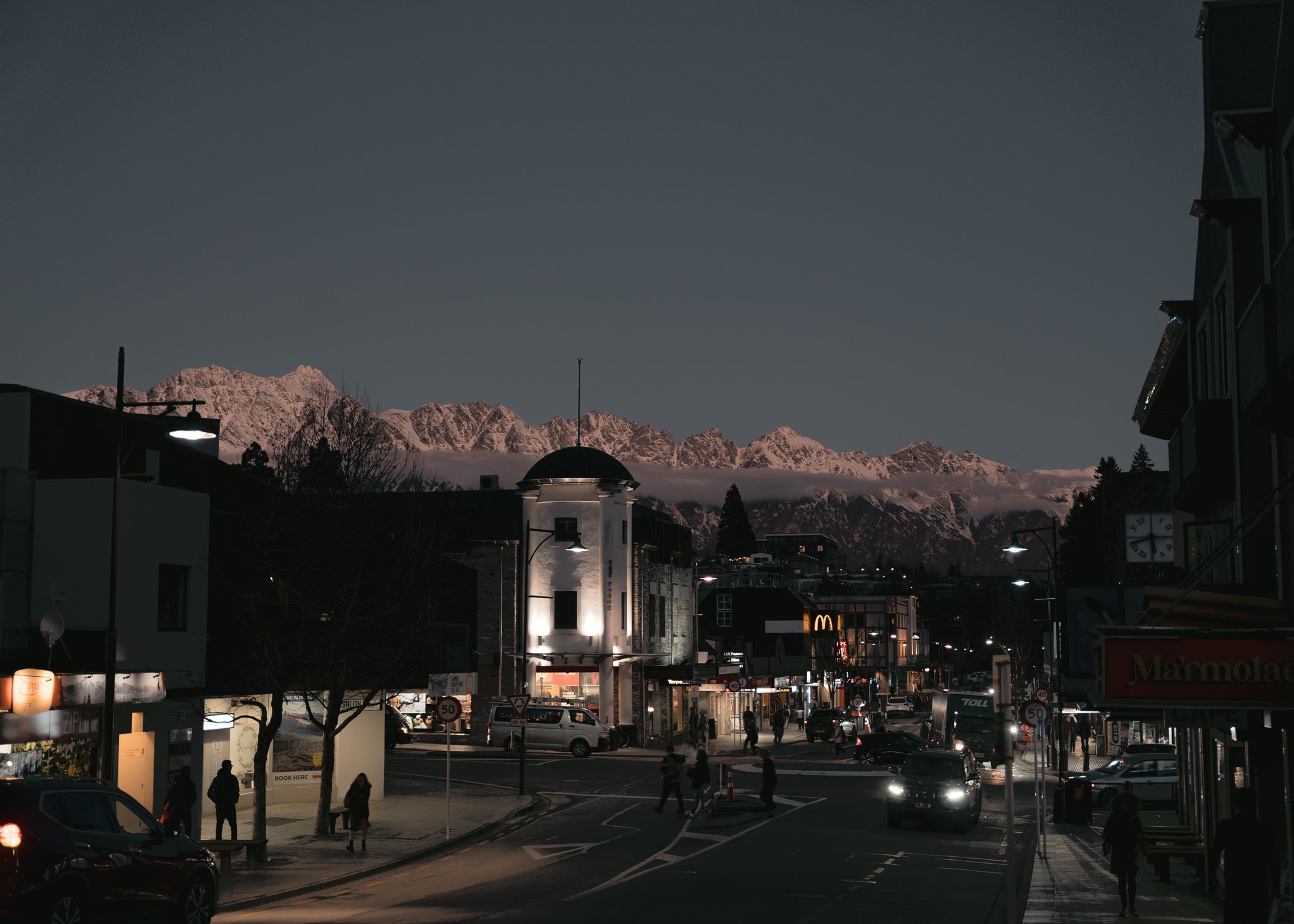
All of these activities can be booked on the spot in Queenstown’s downtown adventure-booking storefronts - just make sure your basecamp is within walking distance, or you’ll waste precious daylight on shuttles. That single logistics detail is the real reason the central hostels keep scoring well with solo adventurers: proximity beats price when your itinerary is stacked three activities deep.
Common Mistakes to Avoid
- Booking the wrong price band for the season - Hostels like Adventure Queenstown surge in price during ski weeks; lock in rates early or consider the quieter Q2 hostel to stay under budget.
- Ignoring transport hubs - Staying far from the ski-bus hub (e.g., Glenorchy lodges) adds 30-45 minutes each way, cutting into on-mountain time. Use the SuperPass and the ski-bus for hassle-free transfers.
- Packing too much gear in pod rooms - LyLo’s pods are tight; if you’re lugging skis or a climbing rack, opt for a private ensuite or a larger bunk at Headwaters.
- Overlooking night-ski windows - Coronet Peak’s night skiing is only on Wednesdays and Fridays 4-9 pm; plan your evening meals accordingly, especially if you’re staying at a quieter spot like The Dairy.
- Skipping the spa recovery - After a full day of backcountry hiking, a spa session at Sofitel can mean the difference between a solid second day and a sore-muscle slump.
- Assuming Glenorchy is a quick side trip - It’s a genuine 45-minute drive from Queenstown, not a suburb; only book Headwaters or The Great Glenorchy Alpine Base Camp if your plan actually centers on the Routeburn, Greenstone or Caples trailheads.
- Under-booking boutique properties - The Spire Hotel’s 12 total units and The Dairy’s limited room count both sell out months ahead of peak ski weeks, so treat those bookings with the same urgency as your lift pass.
By keeping these pitfalls in mind, you’ll maximize stoke and minimize wasted time.
Related Reading
Get price-drop alerts and new guides from BoldTripGuide
One email a week: price drops on the gear we recommend, new guides, and what changed. No spam, unsubscribe anytime.