Top Basecamp Hotels & Lodges in Sedona for Adventure 2026
Discover Sedona's top adventure-ready basecamp hotels for 2026: gear-forward amenities, trail access, and packing tips for climbers, hikers, and outdoor lovers.

This post may contain affiliate links. Disclosure
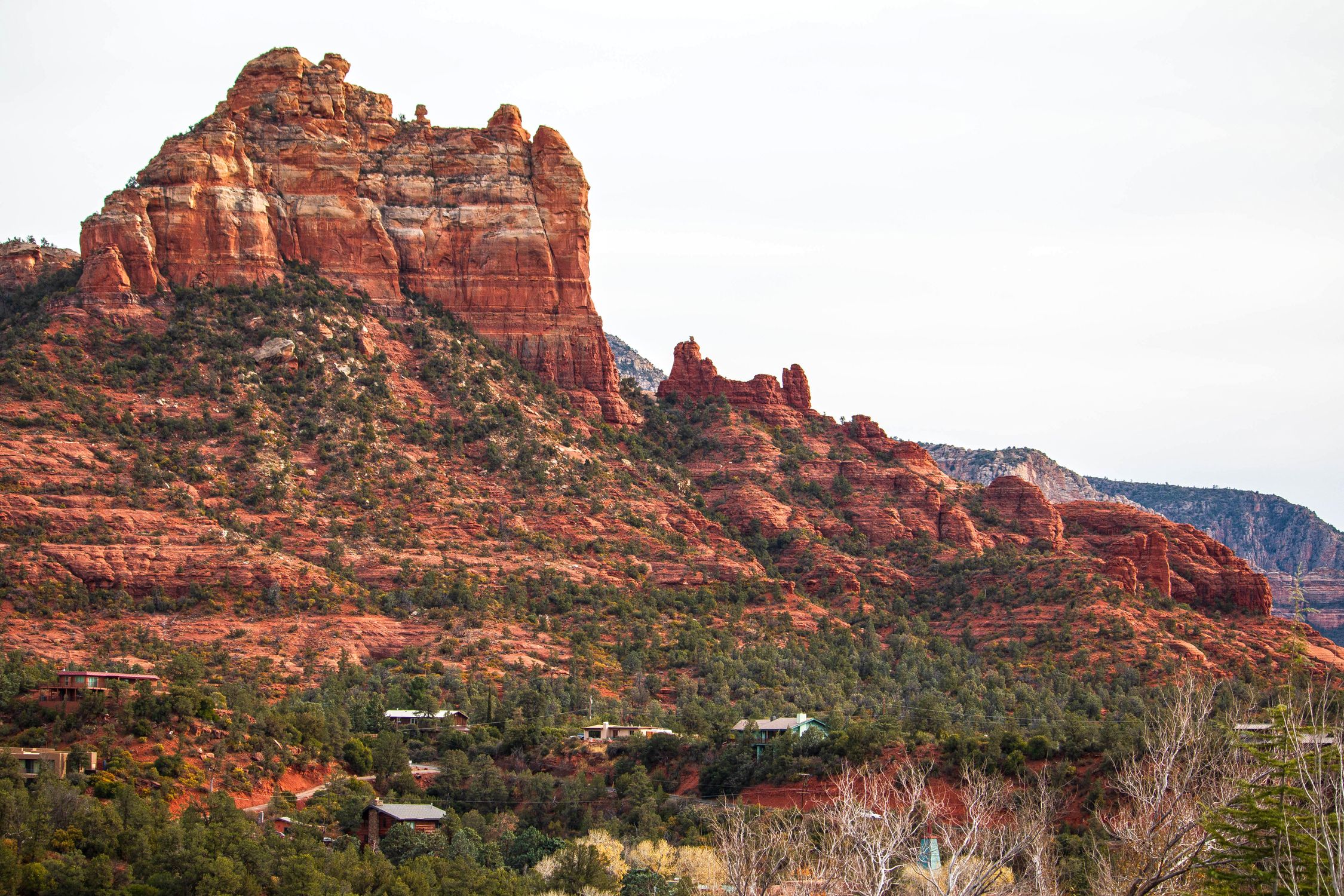
Sedona’s crimson cliffs and endless sky make it a magnet for anyone who lives for vertical drops, dusty trails, and sunrise summit moments. In 2026 the town’s lodging scene has caught up with the demand, offering basecamps that blend modern comfort with gear-centric amenities. Whether you’re loading up a bike, hauling a rack of climbing packs, or just need a hot tub to melt out sore muscles after a day on Bell Rock, the options below map out where to park your rig and refuel. Every hotel here is vetted for reliable Wi-Fi, secure gear storage, and quick access to the most popular trailheads.
Short answer: Sedona’s four verified basecamps, Mountain Modern, Outbound Sedona, L’Auberge de Sedona and the Sedona Rouge, differ in vibe but share one core value: quick, reliable access to the red-rock trail network. Choose by whether you want gear-forward amenities, creekside quiet, or spa-grade recovery after long days outside.
The Best Places to Stay
Sedona’s basecamp hotels each have a distinct vibe, but they all cater to the same core need: quick, reliable access to the red-rock playground. Below is a quick-fire rundown of the four verified properties that consistently rank highest among adventure travelers.
Mountain Modern Sedona
Uptown Sedona (heart of Sedona) Price band: $229-300 per night
Mountain Modern drops you in the pulse of town while keeping the trailheads within a short drive. The property sits just 10 minutes from Uptown Sedona, 15 minutes from Oak Creek Canyon, and 20 minutes from the Bell Rock Trailhead, according to the hotel’s own site. A bike repair station and year-round gear walls let you lock up your bike, crampons, or rack-mounted camera gear without a second thought. After a sunrise scramble, the heated outdoor pool, hot tub, and fire pits serve as perfect recovery zones. Pet-friendly rooms and an on-site dog park mean your four-legged sidekick can tag along. The Den, the hotel’s all-day restaurant, covers breakfast and dining too, so a long day on the rock doesn’t end with a hunt for food.
Pros: Central location just 10-15 minutes from major trailheads, dedicated gear storage and bike station, recovery-focused pool area. Cons: Nightly rates sit at the higher end of the market. Best for: Adventure travelers who want a modern basecamp with gear storage and quick trail access.
Outbound Sedona
West Sedona (red-rock views)
Outbound is built for groups that want a stylish, pet-friendly resort with plenty of indoor and outdoor event spaces overlooking the desert. The design encourages easy transition from lounge to trail, and the on-site spa and wellness programs help you unwind after a long day of climbing or mountain biking. Flexible room configurations make it easy for crews to book adjoining suites, and the layouts leave enough room to stash larger packs in the closet even without dedicated gear walls.
Pros: Pet-friendly, designed for easy trail access, flexible room configurations for groups, spacious event areas, wellness focus. Cons: No explicit adventure-specific storage solutions. Best for: Travelers seeking a stylish, pet-friendly resort with wellness options near Sedona’s red rocks.
L’Auberge de Sedona
Oak Creek, Sedona
L’Auberge offers a creekside sanctuary that feels like a natural extension of the landscape. Private dining by the water, the Duck Pond pool, and a mix of cottages and cliffside rooms with sweeping red-rock panoramas provide a luxurious reset after a demanding day on the trails. The on-site wellness spa delivers holistic treatments that can soothe sore muscles and improve recovery. Premium pricing reflects the high-end amenities and secluded setting, making it best suited for travelers who prioritize comfort and wellness over budget.
Pros: Serene creekside setting ideal for post-hike relaxation, high-end amenities and fine dining. Cons: Premium price point may be out of reach for some. Best for: Luxury-seeking adventurers who value wellness and a tranquil creekside environment.
Sedona Rouge (The Wilde Resort & Spa)
West Sedona, near State Route 89A Price band: $159-250 per night
Sedona Rouge blends Mediterranean boutique design with practical amenities like a rooftop terrace and ample parking. The on-site spa and wellness programs add a touch of luxury without the price tag of high-end resorts. Its location near State Route 89A puts trailheads, scenic drives, and nearby attractions within easy reach, and the ample on-site parking means one less thing to plan around before a sunrise start. While it doesn’t feature gear-specific storage, the overall value and upscale comforts make it a solid choice for budget-conscious adventurers.
Pros: Affordable luxury, close to major highways for easy access to attractions, rooftop views. Cons: Less specialized adventure amenities such as gear storage. Best for: Budget-conscious travelers who still want upscale comforts and easy access to Sedona’s attractions.
Which basecamp fits your trip? If gear storage and a bike station are non-negotiable, Mountain Modern is the clear pick despite the higher rate. Traveling as a crew that wants event space and pet-friendly suites, Outbound is built for that. If the trip is more about recovery than redlining - post-climb spa days, a slower creekside pace - L’Auberge earns its premium price tag. And if the budget needs to stretch further without giving up upscale comforts and easy highway access, Sedona Rouge covers that ground.

Adventure-Friendly Amenities
Sedona’s red-rock terrain supports year-round hiking, mountain biking, jeep touring, and stargazing, which is why a basecamp’s gear infrastructure matters as much as its view. Climbers need somewhere secure to stash a rack overnight, mountain bikers need a place to true a wheel before sunrise, and backcountry hikers just need dry, organized storage that survives a week of desert dust - the difference between a basecamp and a plain hotel comes down to whether it was built with any of that in mind. When you’re loading up a bike, a pack, or a set of climbing shoes, the right on-site facilities can shave minutes off your prep time and keep gear safe from the desert heat. Mountain Modern leads the pack with its dedicated bike repair station and year-round gear walls, allowing you to lock away a bike, crampons, or even a portable solar charger without worrying about theft or exposure. The heated outdoor pool and fire pits serve as natural recovery zones, especially after a high-altitude hike when sore muscles crave warmth.
Outbound Sedona compensates for the lack of gear walls with flexible suite layouts that accommodate larger packs, while Sedona Rouge’s rooftop terrace offers a perfect spot for a post-ride stretch and sunrise coffee. L’Auberge’s creekside setting may feel more relaxed than “basecamp,” but the tranquil water can be a great place to soak a wet pack before heading back out.
All four properties provide reliable Wi-Fi - a must for checking weather forecasts, uploading trail photos, or syncing GPS tracks. Pet-friendly policies at Mountain Modern, Outbound, and Sedona Rouge mean you can bring a dog without sacrificing gear space, as many rooms include dedicated pet zones or adjacent dog parks.
What to Pack
Even the best basecamp can’t replace solid gear planning. Below are three vetted waterproof solutions that keep your equipment dry, organized, and ready for the next ascent.
YETI Panga 28 Waterproof Submersible Backpack - YETI Panga 28 Waterproof Submersible Backpack Ideal for guides, dive operators, and expedition travelers who need airtight reliability. The HydroLok zipper and ThickSkin shell keep water out and resist punctures and abrasion, while DryHaul ergonomic straps make long carries manageable. At $299.99 it’s a premium investment - the ThickSkin shell does add some heft versus a standard dry bag - but the fully submersible rating means you can wade through creek crossings without a second thought.
Earth Pak Waterproof Backpack 55L - Earth Pak Waterproof Backpack 55L Aimed at multi-day kayakers, rafters, and adventure travelers who need large-capacity waterproof carry, it comes in 35L, 55L, and 85L capacities to match the length of your trip. The roll-top design handles everything from extra layers to a compact stove system, and exterior lash points let you strap on a pad or tent. Padded straps and a sternum strap keep the load balanced, though the padded back panel gets less comfortable on very long carries and the 500D PVC construction adds weight versus a premium nylon pack.
Earth Pak Waterproof Dry Bag with Zippered Pocket - Earth Pak Waterproof Dry Bag with Zippered Pocket Built for beach and water-sports travelers who want accessible, budget-friendly waterproofing rather than expedition-grade gear, this is the option for quick-access items like phones, maps, or snacks. The front zippered pocket lets you grab essentials without opening the main compartment, it ships with a waterproof phone case, and sizes range from 10L to 55L for adaptable use - a practical IPX8-rated pick if you don’t need the YETI’s submersible shell.
Getting Around & Travel Times
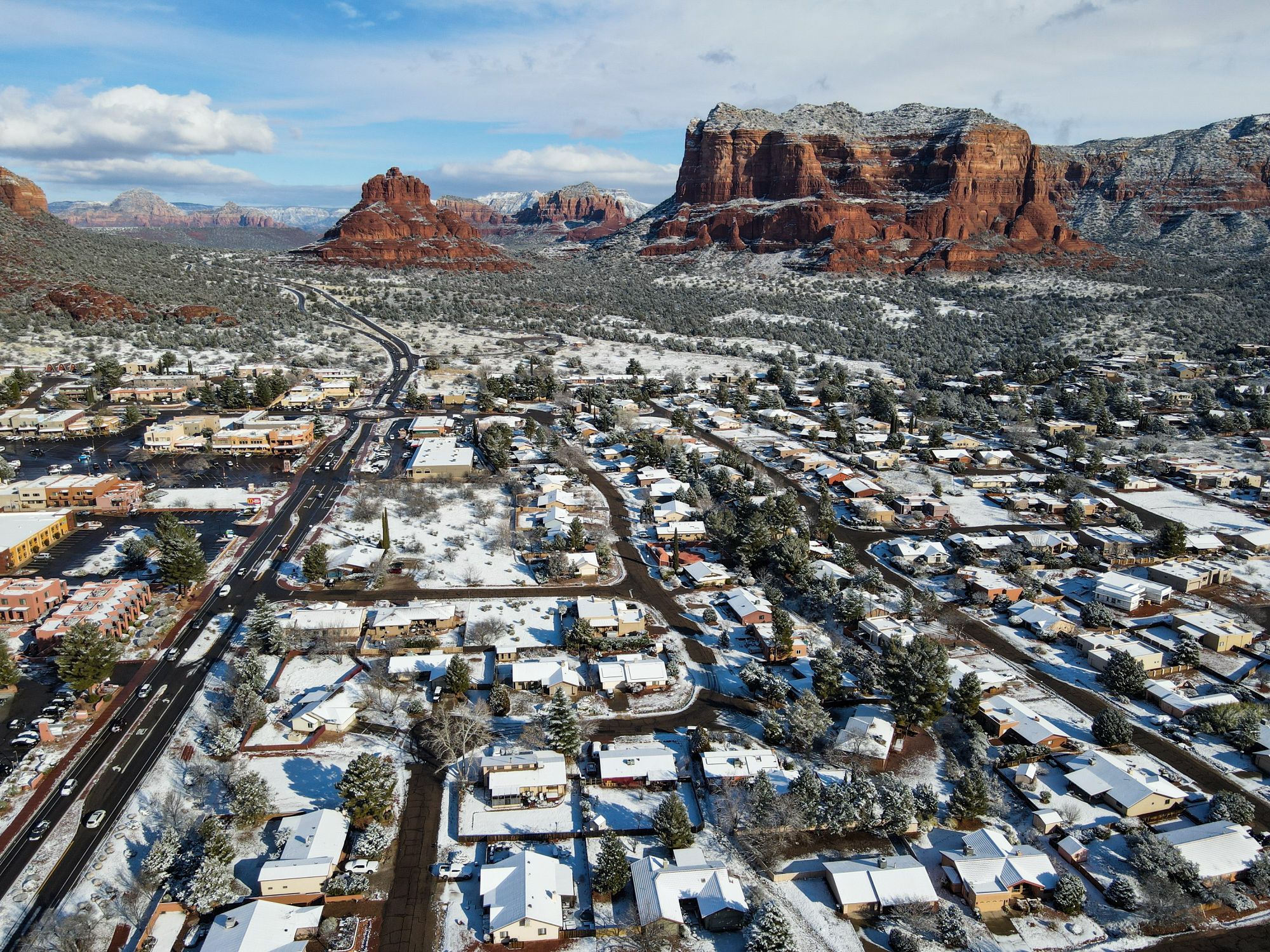
Sedona’s location makes it a hub for regional adventures. The town sits roughly 2 hours from Phoenix Sky Harbor Airport and under 1 hour from Flagstaff, according to the Mountain Modern website. L’Auberge adds more detail, noting Phoenix Airport ≈ 2 hours, Flagstaff Airport ≈ 45 minutes, Grand Canyon ≈ 2 hours, Kingman ≈ 2 h 50 min, and Tucson ≈ 3 h 30 min. These drive times let you plan day trips to the Grand Canyon or a quick weekend in Tucson without missing a single trail in Sedona.
State Route 179, the main access road, is an All American Road designated by the FHWA - a fact highlighted on the L’Auberge site. This scenic highway not only offers breathtaking vistas but also serves as the primary artery to most trailheads, including Cathedral Rock and Devil’s Bridge. Parking is generally plentiful at the major trailheads, but arriving early guarantees a spot, especially during peak summer months.
Public shuttles run limited routes, so most adventure travelers rent a compact SUV or a 4-wheel-drive vehicle. If you’re flying into Phoenix, consider a rental with a roof rack to accommodate bikes or a kayak for the occasional flash flood run in Oak Creek.
All four basecamps profiled above sit close enough to town that the trailhead, not the drive, becomes the limiting factor on how early a day can start. Mountain Modern’s own site puts Bell Rock at 20 minutes out, and the other three properties cluster within a similarly tight radius of West Sedona and Oak Creek - close enough that a sunrise start and a sunset finish are both realistic on the same day.
Common Mistakes to Avoid
- Skipping Gear Storage Planning - Even hotels with gear walls can fill up during peak season. Reserve a locker or bring a personal dry bag (like the Earth Pak options above) to guarantee space for your bike or climbing rack.
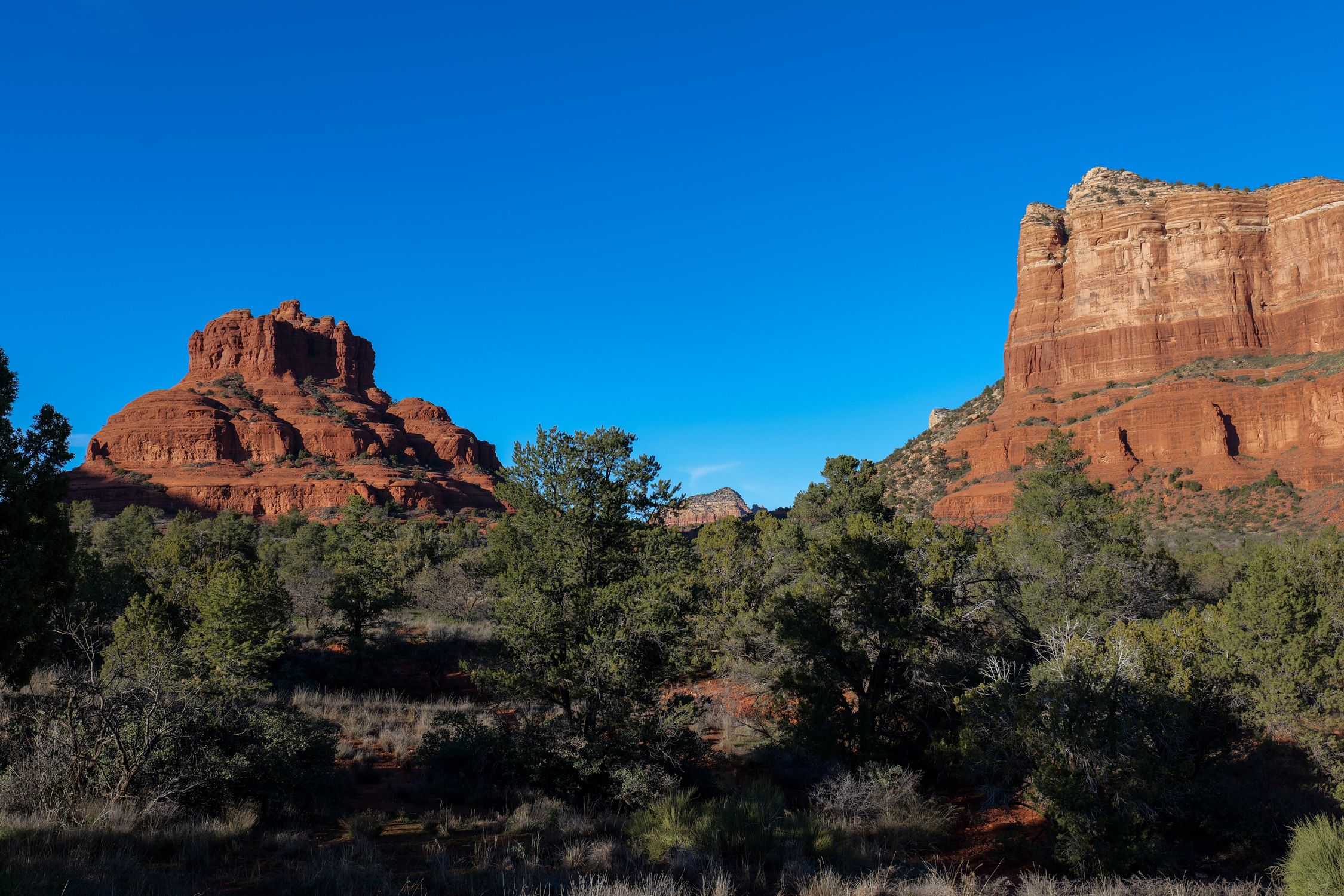
- Underestimating Elevation - Sedona’s high-desert elevation can affect stamina before you’ve adjusted. Hydrate early, and consider a day of light hiking to acclimate before tackling Bell Rock or Cathedral Rock.
- Ignoring Sun Protection - The high desert sun is relentless. Pack a wide-brim hat, UV-blocking sunglasses, and a high-SPF sunscreen.
- Parking Late at Popular Trailheads - Arriving late in the morning often means full lots and longer walk-ins. Early arrival secures a spot and lets you beat the heat.
- Overpacking - The dry climate means you can layer efficiently. Stick to versatile pieces and rely on the hotel’s laundry services if you’re staying multiple nights.
- Skipping the Regional Add-On - With the Grand Canyon roughly 2 hours out and Flagstaff under an hour, per L’Auberge’s own travel-time figures, it’s easy to bolt a second destination onto a Sedona basecamp trip - but only if the drive time gets planned into the itinerary instead of squeezed in on checkout day.
Bottom line: Sedona rewards travelers who match their basecamp to how they actually move through a day - gear-first at Mountain Modern, group-friendly at Outbound, recovery-focused at L’Auberge, or value-driven at Sedona Rouge. Pair whichever one fits with a waterproof pack that can survive a creek crossing or a dusty trailhead parking lot, and the logistics stop competing with the actual reason for the trip: red rock, good trails, and enough daylight to use them.
Related Reading
Get price-drop alerts and new guides from BoldTripGuide
One email a week: price drops on the gear we recommend, new guides, and what changed. No spam, unsubscribe anytime.