Ultimate Guide to Basecamp Hotels & Lodges in Zermatt 2026
Compare eight verified basecamp hotels and lodges in Zermatt for 2026, from the Hornli Hut to a summit resort, with real prices and honest pros and cons.

This post may contain affiliate links. Disclosure
Zermatt sits at 1,620 m in the Valais Alps, ringed by 38 of the 76 four-thousand-meter peaks that dominate the skyline, including the iconic Matterhorn, Monte Rosa and the Dom (source: Zermatt Tourism). Because the village is completely car-free, every adventurer arrives via the shuttle train from Tasch or on foot, turning the whole valley into a giant, high-altitude playground. Whether you’re plotting a classic Matterhorn ascent, a multi-day ski-tour, or a high-altitude photo trek, the right basecamp can shave hours off your approach, give you on-site guide expertise, and provide a place to recover before the next push. Below we break down the best hotels and lodges that double as launch pads for serious alpine objectives in 2026.
Short answer: Choosing a Zermatt basecamp is about proximity to your terrain, guide support and recovery, not luxury. Climbers on the Hornli Ridge halve summit day by sleeping at Hornli Hut or Hotel Schwarzsee; ski tourers gain early access at Riffelalp Resort 2222m or the 3100 Kulmhotel Gornergrat. Village hotels cover everything else.
How to Choose Your Basecamp

Picking a basecamp in Zermatt isn’t just about price or luxury; it’s about proximity to the terrain you’ll be tackling, the level of guide support you need, and how you recover after a long day on the glacier. For climbers targeting the Hornli Ridge, a night at Hornli Hut or Hotel Schwarzsee slashes the summit day by half and puts you right at the start of the route. Ski-tourers who crave early-morning access should look for properties near the Sunnegga or Gornergrat lifts, where a short shuttle ride means you’re on the slope before the crowds. If you prefer a mix of comfort and altitude, high-altitude resorts like Riffelalp or 3100 Kulmhotel give you sunrise views without the trek to a hut. Finally, consider whether you need on-site guide expertise - only a handful of places, like BaseCamp Hotel & Apartments, are run by active mountain-guide families who can tailor routes on the fly. If budget matters more than altitude, Hotel Bahnhof Zermatt’s dorms and private rooms sit 100 m from the train station at $160-170 a night, while Backstage Boutique SPA Hotel and CERVO Mountain Resort trade higher rates - $300-950 - for in-house spas to recover in after long days out.
The Best Basecamp Hotels & Lodges
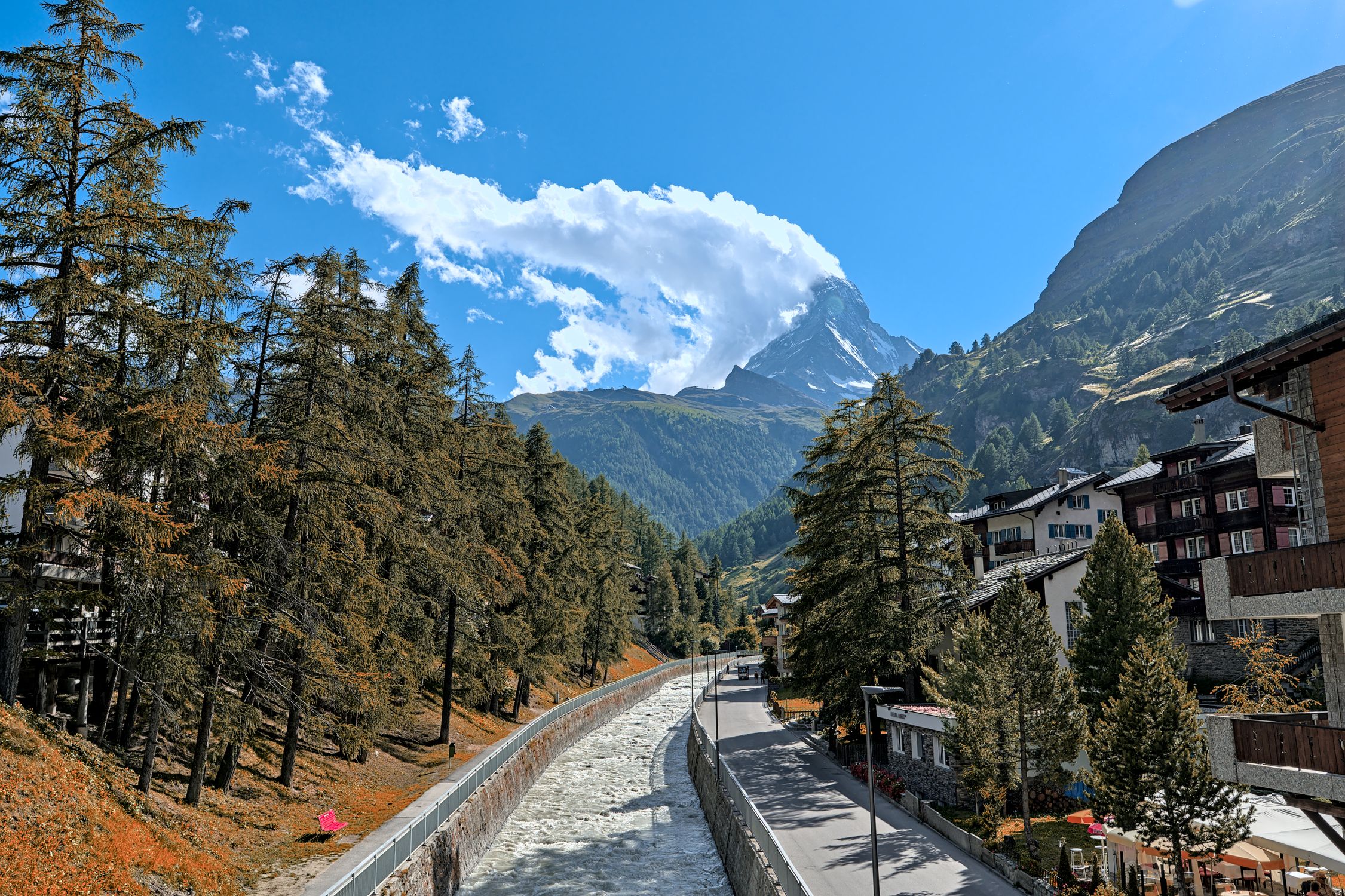
Eight properties made the cut for 2026, spanning the full range of what a Zermatt basecamp can be: a working guide’s hut at 3,260 m, a train-station hostel at $160 a night, and a boutique resort where a room runs $950. Here’s how each one stacks up.
BaseCamp Hotel & Apartments
Located on Riedstrasse at the quiet residential edge of Zermatt village, this property is a 5-minute walk to the centre and a 3-minute stroll to the ski bus. Price band: $170-400. Owned and run by a mountain-guide family - the owner is an active ski instructor and mountain guide - the hotel offers 24 rooms plus three multi-bed apartments (Dent Blanche, Matterhorn, Monte Rosa) that fit climbing or ski-touring parties of 4-9. Pros
- On-site owners provide route planning and real-time weather updates.
- Apartment layouts are perfect for groups hauling gear after multi-day tours.
- Walkable to both the ski bus stop and village amenities. Cons
- Functional, no-frills rooms; not a spa or luxury experience. Best for climbers and ski-tourers who value guide expertise over polish. BaseCamp Hotel & Apartments - Check rates.
Hornli Hut (Hornlihutte)
Perched at 3,260 m directly below the Matterhorn’s Hornli Ridge, the hut is reached after a 3-4 hour hike from the Schwarzsee lift station. Price band: $165-180. It serves as the literal starting point for the normal Matterhorn route, charging CHF 150 per night on half-board with a CHF 10 discount for working mountain guides (source: Hornlihuette). Pros
- Cuts summit day roughly in half versus starting from the valley floor.
- Wardens provide first-hand route and weather updates the night before.
- Classic high-alpine atmosphere among fellow climbers. Cons
- Dorm-style bunks, no showers; basic alpine hut feel.
- Requires a demanding 3-4 hour approach hike with significant elevation gain. Best for climbers attempting the Matterhorn via the Hornli Ridge. Hornli Hut (Hornlihutte) - Check rates.
CERVO Mountain Resort
Set on Riedweg above the village near the Sunnegga funicular, this boutique chalet-style 5-star property blends modern mountain design with high-end comfort. Price band: $400-950. Its private chalets feature terraces and a well-regarded spa, and the Sunnegga lift provides instant access to ski-touring and hiking terrain. Pros
- Near-instant lift access for early starts; no queue at the village lifts.
- Luxury private chalets with spa for recovery days. Cons
- Premium pricing; short uphill walk or shuttle ride from the village centre. Best for ski-tourers and hikers who want boutique luxury steps from the lift network. CERVO Mountain Resort - Check rates.
Riffelalp Resort 2222m
Perched at 2,222 m on the Gornergrat railway line, this historic Belle Epoque hotel (built 1884) is the only 5-star hotel above the treeline in the Zermatt valley, offering ski-in/ski-out access to the Gornergrat network and its own private stop on the cog railway. Price band: $540-650. Pros
- Direct access to Gornergrat hiking and ski-touring terrain without lift queues.
- Quiet, high-altitude setting with unobstructed Matterhorn views. Cons
- Isolated from village restaurants and nightlife; dependent on railway schedule to reach town. Best for hikers and skiers who want to wake up already on the mountain. Riffelalp Resort 2222m - Check rates.
Hotel Schwarzsee
Nestled at 2,583 m at the base of the Hornli Ridge approach, this 12-room hotel is reachable only by the Schwarzsee gondola. Price band: $220-310. It offers ski-to-door access onto the Matterhorn Glacier Paradise sector and is the closest lodging to the Hornli Hut trailhead. Pros
- Closest hotel bed to the Matterhorn ascent trailhead and glacier ski terrain.
- Small, private mountain refuge feel. Cons
- Must arrive before the last gondola (around 4 pm) or face a 2.5 hour hike up.
- Books out fast in climbing season. Best for climbers staging for the Hornli Ridge and skiers wanting ski-to-door on the glacier sector. Hotel Schwarzsee - Check rates.
3100 Kulmhotel Gornergrat
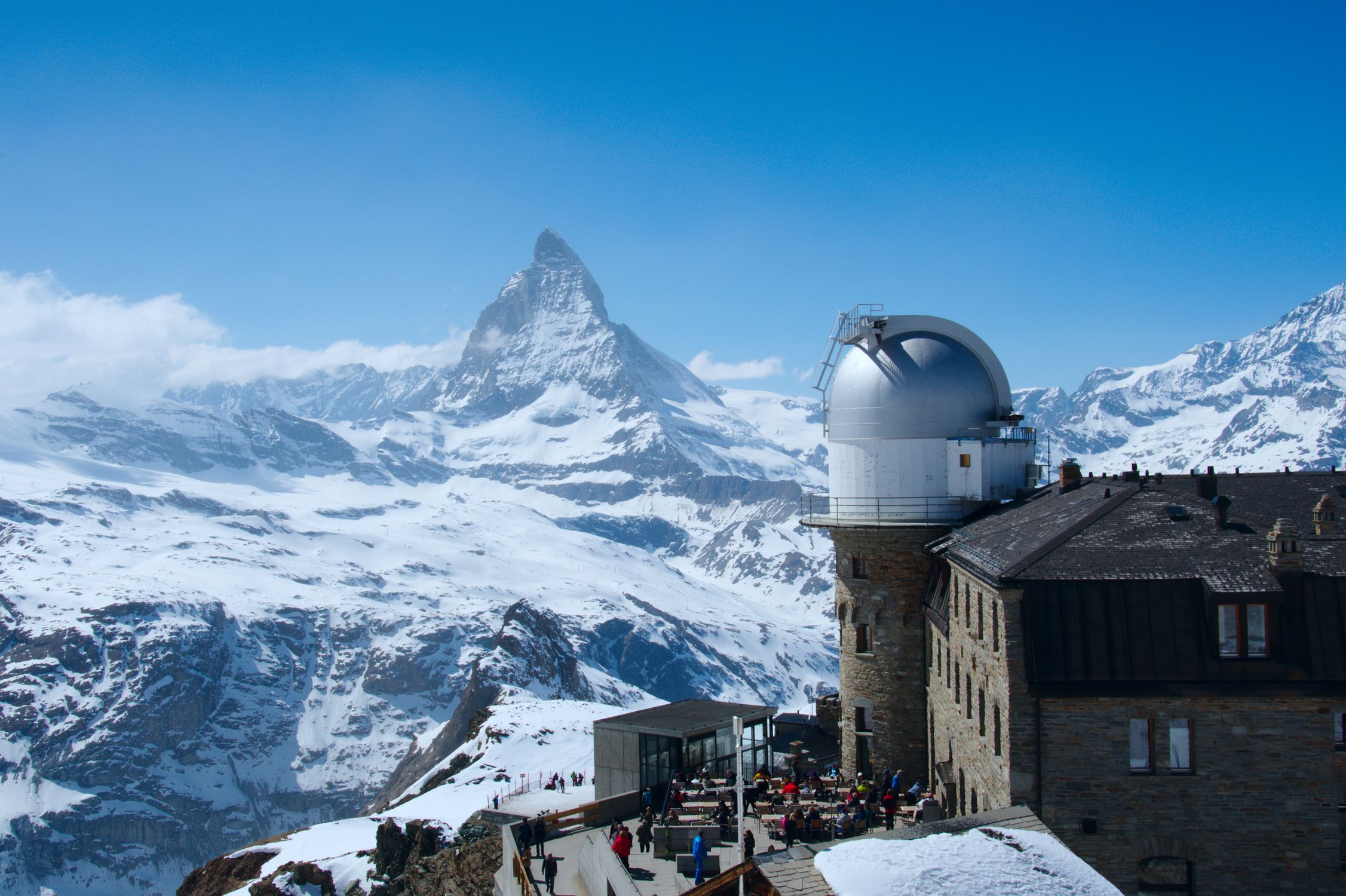
Sitting at the summit of the Gornergrat (3,100 m), this is the highest hotel in the Swiss Alps, with a rooftop observatory and only 22 rooms. Price band: $400-700. Guests enjoy sunrise over Monte Rosa and the Matterhorn before day-trippers arrive. Pros
- Wake up on the ridge for sunrise photography or an early hike start.
- Unmatched panorama of surrounding four-thousanders; genuinely quiet overnight. Cons
- No road access; dependent on the cogwheel train schedule.
- Altitude can disrupt sleep for unacclimatized guests. Best for hikers and photographers wanting a genuine high-altitude overnight without a climbing objective. 3100 Kulmhotel Gornergrat - Check rates.
Backstage Boutique SPA Hotel
Located in central Zermatt, steps from the Matterhorn Express gondola station, this design-forward boutique hotel offers an in-house spa, sauna and hot tub. Price band: $300-640. It’s also the closest boutique property to the main lift departure point, useful when every minute before the first gondola matters. Pros
- Fast lift commute for early ski-tour starts.
- Spa facilities for recovery after long days on the mountain. Cons
- Village-center noise and crowds in peak season.
- Premium pricing for a mid-size boutique property. Best for skiers and hikers who want a fast lift commute and a spa to recover in. Backstage Boutique SPA Hotel - Check rates.
Hotel Bahnhof Zermatt
Just 100 m from the Zermatt train station, this family-run hotel and hostel has operated since 1902. Price band: $160-170. It offers private rooms and mixed dorms (6- and 12-bed) in the same building. Pros
- Cheapest lodging near the station for climbers and ski-tourers hauling gear off the train.
- Long operating history under one family means reliable, no-surprises basics. Cons
- No spa or luxury amenities; dorm rooms are basic hostel-style. Best for budget-minded climbers, thru-hikers and ski-tourers who want minimal cost and maximum train-station convenience. Hotel Bahnhof Zermatt - Check rates.
What to Pack
A solid pack list can be the difference between a smooth ascent and a scramble for gear on the glacier. Below are three vetted waterproof solutions that survive alpine weather and keep your tech dry.
YETI Panga 28 Waterproof Submersible Backpack - YETI Panga 28 Waterproof Submersible Backpack Ideal for guides and expedition travelers who need airtight reliability; the HydroLok zipper guarantees zero water ingress even if you plunge the pack into a melt-water stream, and the ThickSkin shell resists punctures and abrasion on rock and ice. It’s a premium pick at $300 and heavier than a standard dry bag, but for daily glacier use that trade-off is worth it.
Earth Pak Waterproof Backpack 55L - Earth Pak Waterproof Backpack 55L Great for multi-day ski-tour or glacier travel where you need a large, roll-top sealed compartment; the padded straps with sternum strap keep the load comfortable on long carries, and it also comes in 35L and 85L sizes plus a bundled waterproof phone case. The 500D PVC construction is heavier than nylon alternatives, so it rewards a strong back more than a fast-and-light one.
Earth Pak Waterproof Dry Bag with Zippered Pocket - Earth Pak Waterproof Dry Bag with Zippered Pocket A budget-friendly, IPX8-rated option for quick-access items like phones or maps; the exterior zippered pocket lets you grab essentials without opening the main dry compartment, and it’s available from 10L up to 55L. The shoulder strap system is less comfortable than the dedicated backpacks above on very long carries, but at $22 it’s an easy add to any kit.
Common Mistakes to Avoid
- Skipping the avalanche bulletin - Ski-tourers who launch after noon increase exposure to afternoon slab risk. Always check the latest Zermatt avalanche forecast and carry a transceiver, shovel, and probe (source: Zermatters).
- Under-estimating altitude - Starting a summit push from the valley floor without proper acclimatization can lead to premature fatigue. Use high-altitude basecamps like Riffelalp or 3100 Kulmhotel to give your body time to adapt.
- Arriving late to gondola-only hotels - Hotels such as Hotel Schwarzsee require you to be on the gondola before the last run (around 4 pm). Missing it adds a 2.5-hour hike and can jeopardize your schedule.
- Relying on “any” guide - The Hornli Ridge is only climbed with a certified mountain guide on a 1:1 ratio (source: Zermatters). Book through the official Zermatters office - the village’s combined mountain-guide-and-ski-school cooperative, formed in 2019 - to ensure IFMGA/UIAGM certification.
- Ignoring lift-access logistics - Many high-altitude lodges are only reachable by train or gondola. Plan your arrival times around the Gornergrat cogwheel schedule to avoid being stranded (source: Matterhorn Gotthard Bahn).
- Going outside the climbing season - The Hornli Ridge’s normal route is only realistically climbable from around July through mid-September, once the ridge has cleared of snow (source: Zermatt Tourism). Showing up earlier or later in the year, even with a guide booked, usually means turning back at the hut.
Logistics & Getting There
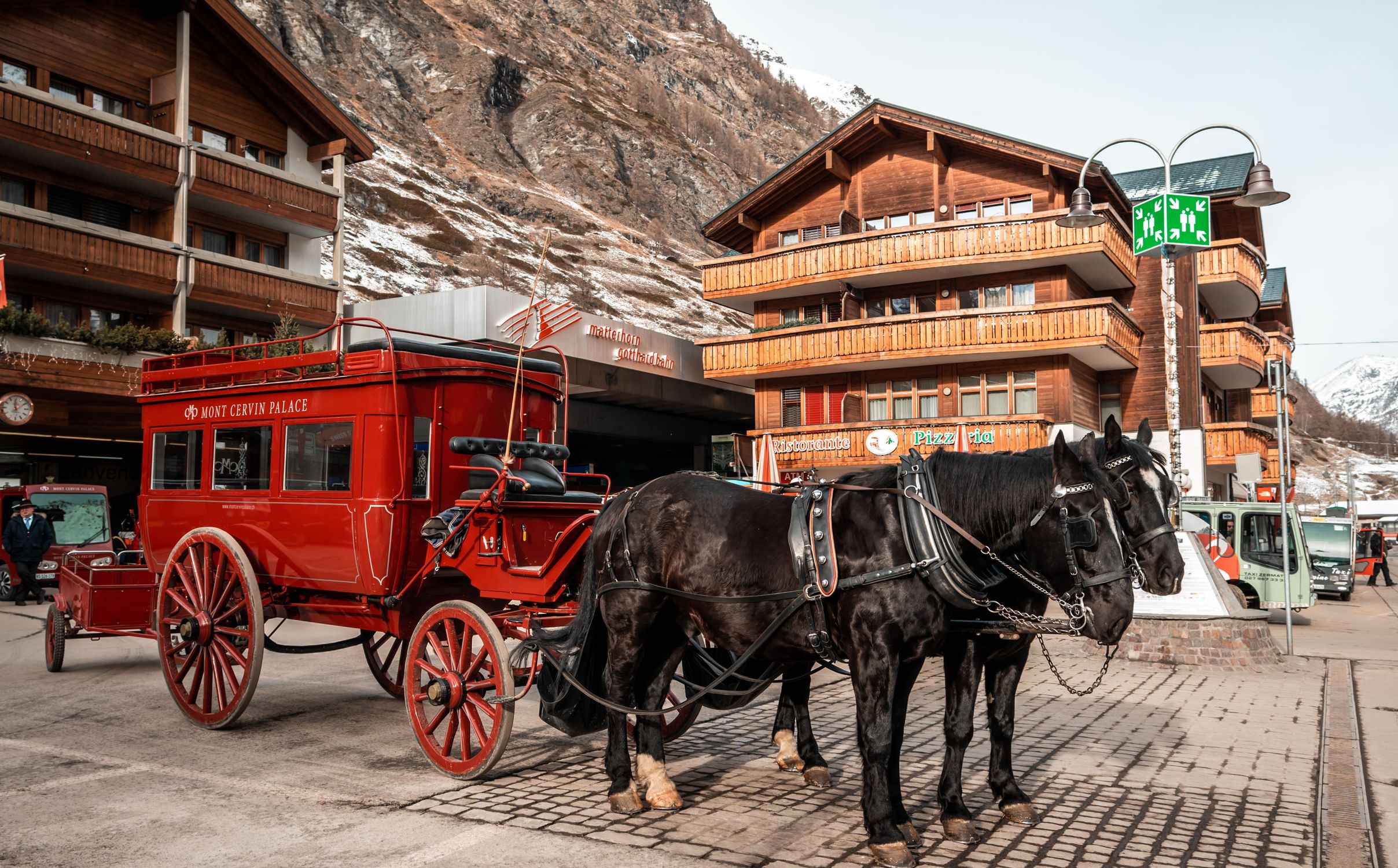
Zermatt is a car-free village, so every traveler drops their wheels in Tasch and hops on the Zermatt Shuttle train (a 12-minute ride every 20 minutes) or a local taxi (source: Matterhorn Gotthard Bahn). The Matterhorn Terminal in Tasch offers roughly 2,100 covered parking spaces plus over 1,000 additional spots from private providers, ensuring you can leave your car safely before the train ride. That car-free layout gives the village center a quieter, older-world feel than most alpine resorts, which is part of why several of these basecamps trade road access for gondolas and cog railways instead. Once in Zermatt, the extensive lift network - Sunnegga, Gornergrat, Matterhorn Express - connects directly to most basecamps, but remember that some high-altitude hotels (e.g., Hotel Schwarzsee, 3100 Kulmhotel) depend on gondolas or the cogwheel railway. Pack light, respect lift operating hours, and always have a backup plan for weather-related closures.
Related Reading
Get price-drop alerts and new guides from BoldTripGuide
One email a week: price drops on the gear we recommend, new guides, and what changed. No spam, unsubscribe anytime.