Best Bouldering Destinations Worldwide for 2026 Trips
Seven world-class bouldering trips: V-grades, rock type, season windows, camping costs, classic problems, and approach times — for crash-pad climbers in 2026.

This post may contain affiliate links. Disclosure
Bouldering is the stripped-down sibling of roped climbing: no harness, no belayer, no anchors — just a pair of shoes, a chalk bag, a stack of crash pads, and a problem ten to twenty feet tall that you either send or you don’t. The grade scale is different, the gear shed is smaller, and the day rhythm is built around skin, friction windows, and how many spotters you can rally. The seven destinations below are the venues that working boulderers actually book flights to in 2026 — picked for rock quality, problem density, and season windows that justify the airfare.
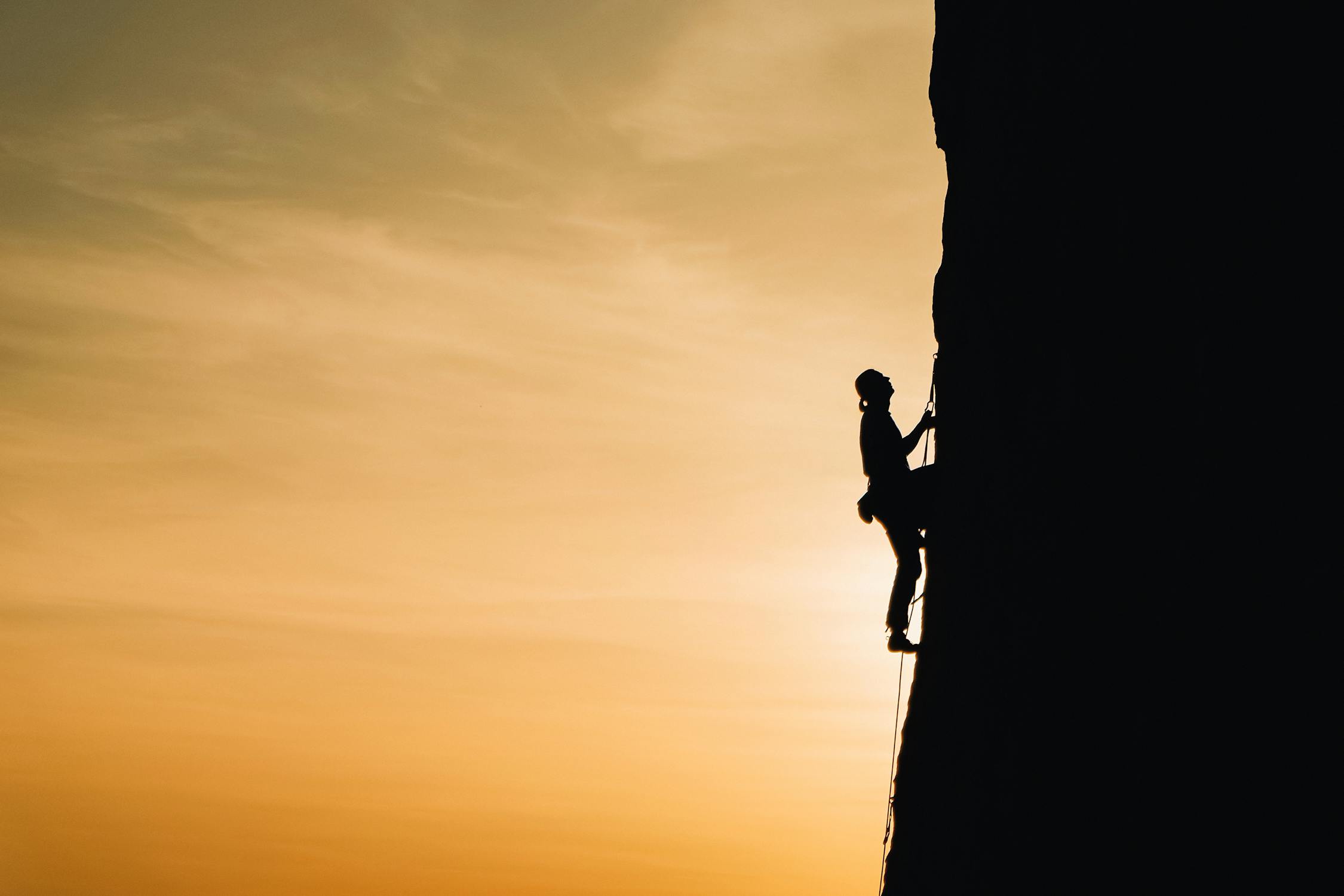 Photo by Анна Рыжкова on Pexels
Short answer: A bouldering trip is organised around crash pads, skin and surface temperature rather than routes, racks and pitch length. Expect to move slowly between zones carrying three to six pads, session only four to eight problems on a full day, and obsess over friction windows in a way roped climbers never do.
How Bouldering Trips Differ From Roped Trips
A sport or trad trip is organized around routes, racks, and pitch length. A bouldering trip is organized around pads, skin, and temperature. You’ll move slower between zones (every problem is its own approach with three to six pads on your back), you’ll session fewer problems per day (four to eight is a full tank), and you’ll obsess over surface temperatures in a way roped climbers never do — most hard sandstone and granite problems only go in a 5°C to 12°C window with low humidity. Pack accordingly. If you’re still building out your kit, see our adventure travel gear guide for the broader packing logic; for shoes specifically, the travel rock climbing shoes review covers what holds up after twelve flights.
Crash pads are the one piece of gear you cannot fake. A single Mad Rock Mad Pad or Black Diamond Mondo ($299–$399) is the bare minimum for solo highballs; serious crews bring three to five pads and run a dedicated spotter rotation. For pocketed rock like Hueco or Fontainebleau, Organic Climbing’s full pad system ($299) is the cult favorite. A Friction Labs chalk and bouldering bucket set ($35–$55) keeps your hands honest across a six-hour session.
The Seven Bouldering Destinations Worth The Flight In 2026
1. Fontainebleau, France — The Birthplace
Forty minutes south of Paris by train, “Font” is the cathedral. Roughly 100,000 sandstone boulders are scattered across 25,000 hectares of oak-and-pine forest, with about 30,000 documented problems and the original color-coded circuit system that taught the world how to organize a bouldering area. Grade range runs from 1 (kid’s circuit) to 9A (Charles Albert’s No Kpote Only).
- Rock: Fine-grained Tertiary sandstone — slopers, mantles, and high-friction grit when temps are right.
- Season: October–April. Autumn is the holy window. Summer is too humid; the rock weeps and friction dies.
- V-grade range: V0–V17, with the densest concentration of world-classics in the V5–V10 band.
- Classic problems: La Marie Rose (6A, first 6th-grade boulder in the world, FA Pierre Allain 1946), Karma (8A+, Jacky Godoffe 1986), Big Boss (8A, Bas Cuesta), Rainbow Rocket (8B+, Jérémy Bonder).
- Camping: La Musardière (€10–14/night) or Camping de la Belle Étoile near Milly-la-Forêt (€12–18/night). Many climbers Airbnb in Barbizon or Milly (€60–110/night).
- Approach: 2–15 minutes from most parking spots. The forest is the approach.
- Daily cost: €40–70 if you camp and shop at the supermarket in Chailly-en-Bière.
- Beta source: Bleau.info for live conditions and circuit topos.
Differentiator vs. our roped climbing destinations guide: the Font we cover here is pure pad-and-shoe culture, not the sport routes outside the forest. Bring brushes, respect the no-tick-mark ethic, and never climb on damp sandstone — you’ll snap the holds.
2. Rocklands, South Africa — The Sandstone Mecca
A four-hour drive north of Cape Town into the Cederberg, Rocklands is 4,300+ documented problems on bright orange Table Mountain Sandstone scattered across private farms and the CapeNature reserve. The destination single-handedly built the modern Northern Hemisphere winter migration.
- Rock: Coarse Table Mountain Sandstone — sharp crystals, brutal on skin the first week, then it adapts.
- Season: May–September (Southern Hemisphere winter). July is the peak month — cold, dry, friction-perfect.
- V-grade range: V0–V16. Density of V8–V13 classics is unmatched outside Font.
- Classic problems: The Arch Sit (V11, Klaus Isele), Black Shadow (V13, Fred Nicole 2002 — the area’s calling card), Amandla (V13, Nalle Hukkataival), Sky (V14/8B+, Paul Robinson).
- Camping & lodging: De Pakhuys (R150–R250/night per person, roughly $9–14) is the climbers’ hub with shop, bar, and permit sales. Alpha Excelsior and Travellers Rest offer self-catering cottages (R600–R1,400/night).
- Permits: Required on every farm and on CapeNature land. Buy at De Pakhuys or Kliphuis; R100–R150/day. Visa-free for 90 days for most US, UK, and EU passport holders.
- Approach: 5–40 minutes depending on sector. The Roadside, Tea Garden, and 8-Day Rain are quickest.
- Daily cost: R600–R900/day (~$33–50) including camping, permits, food.
3. Bishop, California — Eastern Sierra Powerhouse
Bishop sits at 4,150 feet in the Owens Valley with the Sierra Nevada at its back. Three distinct zones — the Buttermilks (granite highballs), Happy Boulders, and Sad Boulders (welded volcanic tuff with huecos) — give you V0 through V16 inside a fifteen-minute drive radius.
- Rock: Quartz monzonite (Buttermilks) and Bishop Tuff (Happys/Sads).
- Season: October–April. November and March are gold. Summer is unclimbable below 7,000 feet.
- V-grade range: V0–V16. Strongest in V4–V10.
- Classic problems: The Mandala (V12, Chris Sharma 2000), Evilution (V11 highball, Jason Kehl), A Scanner Darkly (V12, Matt Wilder), The Swarm (V13, Paul Robinson). For mortals: The Hunk (V2) and Iron Man Traverse (V4) at the Buttermilks.
- Camping: The Pit (free BLM, first-come, 14-day limit) and Pleasant Valley Pit (free BLM) are climber HQ. Bring your own water — there is none. Motels in Bishop town run $75–$140/night.
- Approach: Buttermilks 1–10 minutes from pullouts; Happys 10 minutes; Sads 15 minutes.
- Daily cost: $25–50 if camping at The Pit and cooking out of a cooler. $90–130 with motel.
- Skin & safety: Granite highballs in the Buttermilks have hospital-grade landings — bring four pads minimum and a real spotter. The desert eats skin; tape preventively.
 Photo by Maël BALLAND on Pexels
4. Hueco Tanks, Texas — Pocket Climbing School
Thirty miles east of El Paso, Hueco Tanks State Park is 860 acres of syenite (a granite cousin) covered in eroded huecos — the pockets that give the park its name and rewrote bouldering technique in the 1990s. Access is heavily regulated; plan early.
- Rock: Coarse-grained syenite with huecos ranging from finger-pocket to bathtub.
- Season: November–March. December–February is prime. Closed for nesting Feb–May on some sectors.
- V-grade range: V0–V15. Famous for V4–V11.
- Classic problems: Nobody Here Gets Out Alive (V8, John Sherman — the man who invented the V-scale here), Better Eat Your Wheaties (V9), Crown of Aragorn (V13, Fred Nicole 2002), Diaphanous Sea (V10).
- Access: North Mountain is self-guided (70 climbers/day cap, 60 reservation + 10 walk-in). Reserve up to 90 days out via Texas Parks & Wildlife at (512) 389-8911. East, East Spur, and West Mountain require commercial or volunteer guides ($20–35/person). Watch the mandatory orientation video first.
- Camping: In-park sites $20/night (reserve early). Hueco Rock Ranch (the climbers’ hostel, $25–40/night dorm) is the social hub.
- Approach: 5–25 minutes inside the park.
- Daily cost: $40–70/day including park entry ($7), camping, food. Guided tours add $20–35.
5. Magic Wood, Switzerland — The Summer Granite Cathedral
When Font and Albarracín are too hot to send, the bouldering world flies to the Averstal valley in Graubünden. Magic Wood is a tight 1,500-meter stretch of pine forest with the Avers Rhine cutting through it and gneiss boulders piled where ancient rockfall left them. It’s the rare destination that climbs in July and August.
- Rock: Andesite gneiss — sharp crimps, sloping arêtes, river-polished sit starts.
- Season: May–November, with June–September the sweet spot (1,500 m elevation keeps it cool when Europe bakes).
- V-grade range: V0–V17. 100+ problems at V11/8A or harder.
- Classic problems: Never Ending Story (V12/8A, Marc-André Leclerc–era classic), Foxy Lady (V11/8A), Jack’s Broken Heart (V12/8A+), Riverbed (V13/8B, Bernd Zangerl), In Search of Time Lost (V15/8C, Dave Graham).
- Camping: Bodhi/Camping Edelweiss in Ausserferrera (CHF 8–12/night, ~$9–14) is the dedicated climbers’ campground. Book in advance June–August or you’ll be sleeping in your car.
- Approach: 5–20 minutes through the pine forest from the bridge parking lot.
- Daily cost: CHF 50–80/day (~$55–90) camping, cooking yourself. Switzerland is not cheap; bring food from Italy or Germany if driving in.
- Beta: Magic Wood on theCrag for topos.
6. Albarracín, Spain — The All-Weather Winter Pick
A 1,200-meter medieval village in Aragón, two and a half hours from Madrid, Albarracín is the cold-weather backup that works when Font is wet. The red sandstone has horizontal roof sectors that stay dry in light rain — the only world-class destination where you can boulder through a storm.
- Rock: Iron-stained Buntsandstein (red sandstone) — slopers, jugs, and famous horizontal roofs.
- Season: September–May, with November–March prime. Altitude (1,200 m) keeps temps cold and dry.
- V-grade range: V0–V14. Strong V3–V10 density.
- Classic problems: Cosmos (V11/8A, Techos sector), Batman (V12/8A+), A Ciegas (V7/7A+), Quebrantamentes (V6/7A), Eclipse (V8/7B). The Techos sector alone has ~300 problems, many under steep roofs.
- Camping: Camping Ciudad de Albarracín (€8–12/night) is the climbers’ campsite a ten-minute walk from the medieval town center. Casa rural rentals in the old town run €50–90/night for two.
- Approach: 5–20 minutes from the parking lots. The whole forest is within a 2 km radius.
- Daily cost: €35–55/day camping and cooking. Spain is cheap.
- Permit: Free climbing pass required from the Albarracín municipal office or your campground — a brushing and ethics briefing comes with it.
 Photo by Krivec Ales on Pexels
7. Squamish, British Columbia — The Granite Playground
Forty-five minutes north of Vancouver on the Sea-to-Sky Highway, Squamish is a granite town. While the Stawamus Chief gets the roped-climbing press, the Grand Wall Boulders, Cacodemon Boulders, and North Walls offer one of North America’s most concentrated granite bouldering zones — over 2,500 problems from V0 to V14.
- Rock: Coarse-grained Squamish granite — high-friction, finger-shredding crystals.
- Season: May–September dry season. July and August are the most reliable; bring rain gear regardless.
- V-grade range: V0–V14. Densest in V0–V8.
- Classic problems: Superfly (V4, Grand Wall Boulders), Easy In An Easy Chair (V4), Black Mamba (V13, Will Stanhope), The Singularity (V14), plus the Squamish 7 Terrors highball list for the brave.
- Camping: Stawamus Chief Provincial Park ($23 CAD/night, reserve via BC Parks) puts you walking distance from the Grand Wall Boulders. Alice Lake ($35 CAD/night) is the family option.
- Approach: 3–10 minutes from the Chief parking lot to the Grand Wall Boulders; 15–30 minutes for outlying sectors.
- Daily cost: $50–80 CAD/day camping. Add $15–20 for groceries from Save-On-Foods.
- Beta: Mountain Project Grand Wall Boulders and the Squamish Bouldering print guidebook by Marc Bourdon.
Building Your First Bouldering Trip — A Practical Checklist
Pick the destination by season first, not by reputation. May to September means Rocklands, Magic Wood, or Squamish. November to March means Bishop, Hueco, Albarracín, or Font’s shoulder. Skin condition is the limiter on every trip longer than four days — schedule a rest day every third day, and bring real climbing salve plus athletic tape. Pads outweigh almost every other concern; rent locally if flying (most areas have outfitters), or split the cost of shipping pads with your crew via UPS/DHL ground for week-plus trips.
Two more honest notes. First, the highball math: a 25-foot V5 you flash at home becomes a different problem above a sloping landing in the Buttermilks. Be conservative on grade your first week at a new venue. Second, the ethics: brush your tick marks off, never climb on wet sandstone, and respect bird-nesting closures. The areas listed here stay open because climbers self-police; one viral chalk-graffiti video can shutter a sector for a season.
Outbound Resources
- Mountain Project bouldering areas index
- UKC Climbing destination guides
- theCrag.com global bouldering database
Related Reading
- 10 Best Rock Climbing Destinations in the World 2026 — the roped-climbing companion to this guide
- Adventure Travel Gear Guide: Packing for Any Expedition
- Best Travel Rock Climbing Shoes 2026
Get price-drop alerts and new guides from BoldTripGuide
One email a week: price drops on the gear we recommend, new guides, and what changed. No spam, unsubscribe anytime.