Best Trail Running Shoes for Hiking & Backpacking 2026
Field-tested trail running shoes ranked for multi-day backpacking and fast day hikes in 2026. Real specs, grip data, and a boot-vs-shoe decision framework.

This post may contain affiliate links. Disclosure
The fastest-growing shift in backcountry footwear isn’t a new boot — it’s the disappearance of boots altogether. Walk any popular thru-hike route today and you’ll notice the majority of serious hikers wearing low-cut trail runners instead of the leather-and-Vibram ankle fortresses that defined backpacking for a century. Trail runners are lighter, dry faster, and force your feet and ankles to build natural stability rather than borrowing it from a boot collar. That said, the wrong pair on the wrong terrain with a heavy pack is how rolled ankles happen. This guide cuts through the noise: five pairs field-tested across Colorado Rockies singletrack and multi-day routes, ranked honestly for who each shoe actually serves best.
Short answer: Most serious thru-hikers now wear low-cut trail runners instead of boots, because they are lighter, dry far faster, and let feet and ankles do the stabilising work. For most backpackers the answer is yes, with caveats around load weight, ankle history and technical scree. Grip compound and drainage matter more than cushioning.
Boot vs. Trail Runner: A Decision Framework Before You Buy
Before picking a specific shoe, the more useful question is whether trail runners are right for your hiking style at all. The short answer for most backpackers: yes — with caveats.
Trail runners win when:
- Your pack weighs under 35 lbs with water
- You’re on established trails (not off-trail scrambling on loose talus)
- You hike in summer through fall in the lower 48
- Your feet and ankles are conditioned from regular trail time
Boots still earn their place when:
- You carry 40+ lbs for 10+ days (heavy frames shift load forces that a soft shoe doesn’t control)
- Your route involves prolonged snow travel, glacier crossings, or technical scrambling requiring crampon compatibility
- You’re doing off-trail navigation in ankle-snap terrain
The middle ground is a waterproof trail runner — which adds weight and reduces breathability but covers the shoulder-season gap where full boots feel excessive and standard mesh runners soak through at every stream crossing.
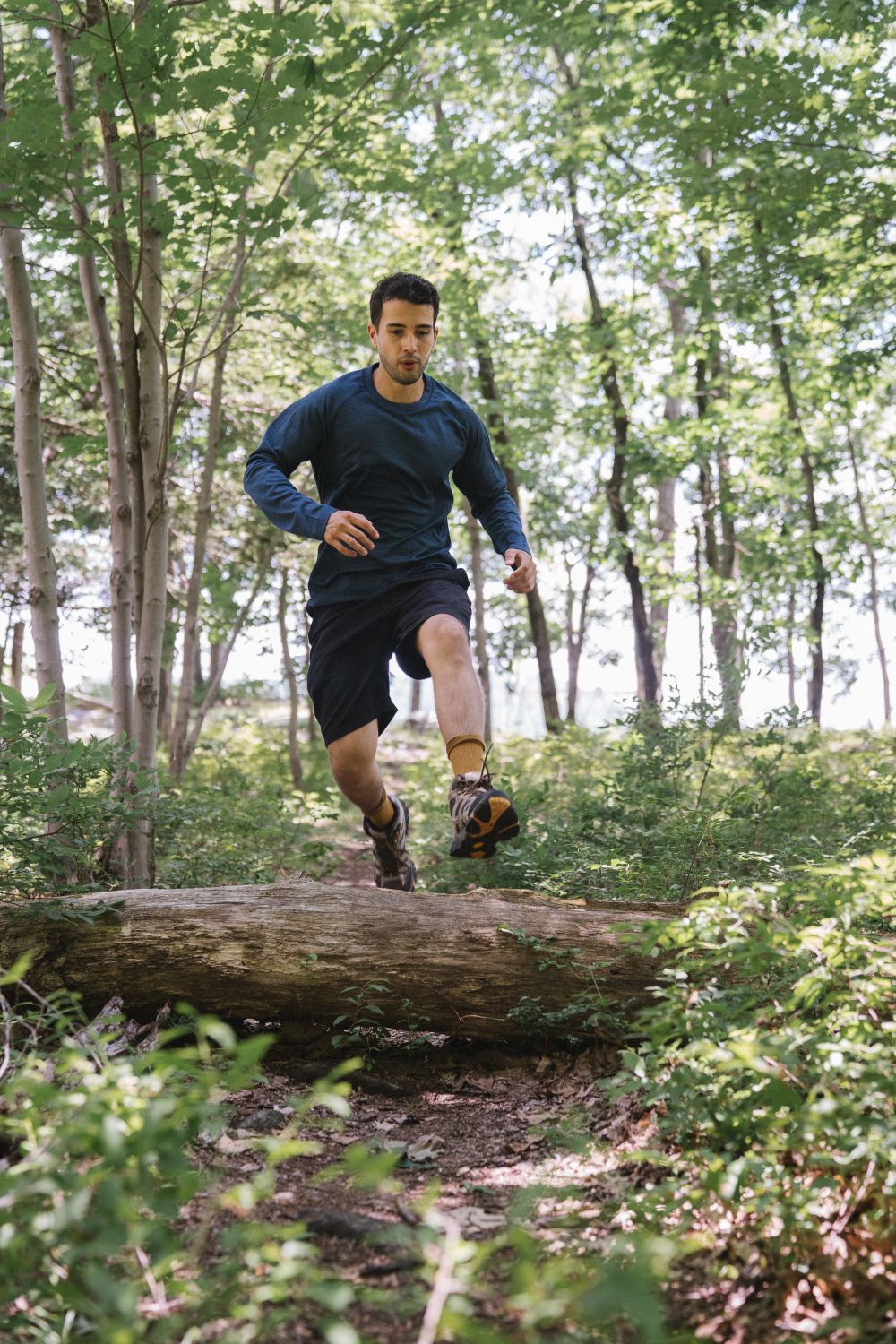 Photo by Katya Wolf on Pexels
How We Tested
Each pair logged a minimum of 40 trail miles across varied surfaces: packed singletrack, wet granite slabs, loose volcanic scree, and stream crossings. Testers carried packs between 22 and 36 lbs to replicate real backpacking loads rather than just daypack conditions. Grip, cushion retention over a long day, heel lockdown, and toe box comfort in steep descents were the primary rating criteria.
The Best Trail Running Shoes for Hiking in 2026
1. Altra Lone Peak 9 — Best Overall for Thru-Hikers
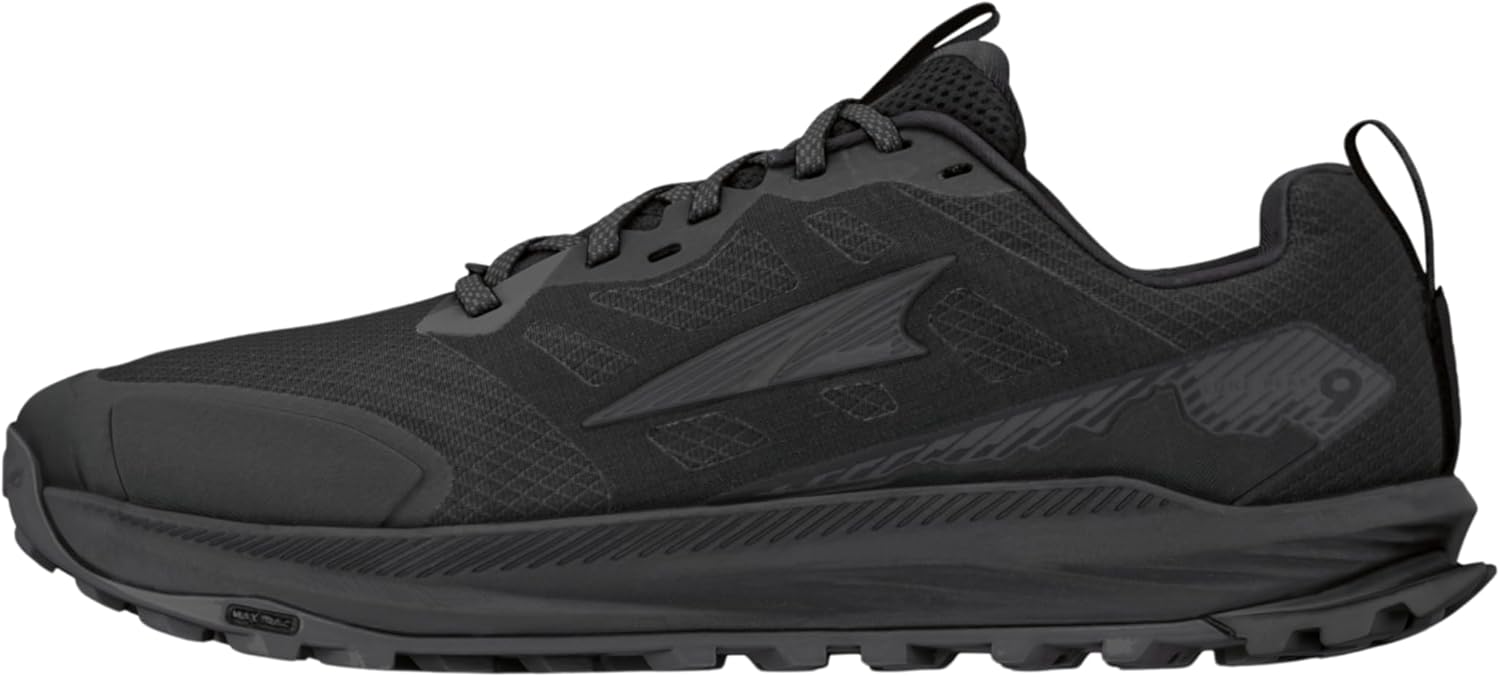
Altra Lone Peak 9 — the shoe that converted more thru-hikers from boots than any other single model — gets a meaningful upgrade in 2026. The revised EGO midsole foam is noticeably more responsive underfoot without sacrificing the plush protection needed for mile 20 of a long day. The MaxTrac outsole adds directional lugs in the heel zone, which translates to better braking on steep loose descents — the previous version’s one soft spot.
What hasn’t changed: the famously wide toe box that lets your forefoot splay naturally under load, and Altra’s signature zero-drop platform that puts your heel and forefoot on the same plane. That zero-drop geometry divides hikers. If you’ve been wearing conventional heeled shoes your whole life, a cold transition to zero-drop will inflame your calves and Achilles. Build up gradually.
Best for: Thru-hikers, long-distance backpackers, hikers with wide feet or bunion concerns Stack height: 25mm heel / 25mm forefoot Weight: ~10.2 oz (men’s size 9) Lugs: 4mm MaxTrac with directional rear grip Price: ~$145
Pros: Exceptional toe room, durable upper, zero-drop promotes natural gait Cons: Requires Achilles adaptation period, not ideal for icy or very muddy conditions
2. Hoka Speedgoat 7 — Best for Technical Rocky Terrain

Hoka Speedgoat 7 earns its spot on exposed alpine routes where one slip is consequential. The new SCF (Supercritical Foam) midsole delivers more energy return than the previous generation while shaving a few grams off the platform. The real story is the Vibram Megagrip outsole with updated lug geometry — the lugs are repositioned to bite into mixed terrain more aggressively on oblique angles, not just straight-ahead hiking.
The updated heel collar is more forgiving and integrates better with trail gaiters — a small detail that matters enormously on dusty desert singletrack or sandy ridge traverses. The RPET woven textile upper is lighter than its predecessor and moves sweat away efficiently. For hikers pounding volcanic scree or granite slabs, this is the grip and cushion combination to beat.
Best for: Alpine day hikes, rocky technical terrain, runners transitioning to fast-and-light backpacking Stack height: 32mm heel / 28mm forefoot Weight: ~9.9 oz (men’s size 9) Lugs: Vibram Megagrip, 5mm Price: ~$155
Pros: Exceptional cushion-to-grip ratio, gaiter-compatible heel, premium outsole Cons: Wider platform feels sluggish on flat runnable trail, pricier than competitors
3. Salomon Speedcross 6 — Best for Mud and Soft Trail

If your route has a mud section, the Salomon Speedcross 6 is in a different category from everything else in this roundup. The aggressive chevron lugs are among the deepest on the market — 6mm — and the mud-evacuation channels are redesigned in this version to clear debris faster under load. On the Pacific Northwest trails or any post-rain mountain route, the Speedcross bites where other shoes float.
The trade-off is that those same deep lugs feel intrusive on hard-packed dirt and pavement approaches. The Speedcross rewards one specific type of terrain enormously and is merely good on everything else. For multi-day trips with mixed conditions, it’s a specialized pick. The revamped upper is more durable and sits snugger through the midfoot, resolving the sloppy fit that some testers reported in the 5 version.
Best for: Wet Pacific Northwest routes, any trail with significant mud sections, hikers prioritizing lateral stability Stack height: 27mm heel / 23mm forefoot Weight: ~10.1 oz (men’s size 9) Lugs: 6mm aggressive chevron Price: ~$140
Pros: Best mud grip of any shoe in this roundup, snug midfoot hold, durable toe cap Cons: Overkill on dry hard trail, stiffer feel than competitors
 Photo by Emrah Yazıcıoğlu on Pexels
4. Brooks Cascadia 17 — Best for Multi-Day Load Carrying

The Brooks Cascadia 17 occupies the sweet spot between true trail runner and lightweight hiking shoe. The DNA LOFT v2 midsole is softer and more protective than typical trail runners, which shows up as noticeably better comfort at the end of a 15-mile day carrying a loaded pack. The Trail Adapt System — an integrated midsole, rock plate, and zonal outsole pods — delivers a stability underfoot that most pure trail runners don’t attempt to match.
The new TrailTack Green outsole uses 25% recycled rubber without sacrificing wet traction, which was a concern with early sustainability-focused outsoles. On wet granite and slick root sections, the Cascadia 17 held confidently. The upper is roomier through the toe box than prior versions, addressing a long-standing complaint from wider-footed testers. If you’re carrying 30-38 lbs and want trail runner weight without sacrificing support, this is the pick.
Best for: Multi-day backpackers with heavier loads, hikers wanting rock plate protection, wide-foot accommodations Stack height: 28mm heel / 20mm forefoot Weight: ~11.4 oz (men’s size 9) Lugs: 3.5mm TrailTack Green Price: ~$130
Pros: Superior cushion for loaded hiking, rock plate protection, improved toe box room Cons: Heavier than other options, 8mm heel drop may not suit minimalist hikers
5. On Cloudultra 2 — Best for Runnable High-Miles Days

The On Cloudultra 2 is the pick for fastpackers — the overlap zone between trail running and ultralight backpacking. The Helion superfoam midsole delivers a propulsive, springy feel that encourages a running gait even under pack weight. The Speedboard — On’s proprietary plate that runs the length of the midsole — acts as a lever to transfer energy forward efficiently on flat to moderate trail.
Where it underperforms relative to the other picks: technical terrain. The CloudTec pods that give the shoe its distinctive look and feel are excellent on compact dirt but lose confidence on loose scree and require care on slick wet rock. This is a shoe for fast miles on well-maintained trail, hut routes, and route-running approaches, not a scrambling platform.
Over 90% recycled materials in the upper is a genuine achievement for a performance shoe, not just a marketing claim.
Best for: Fastpackers, trail runners adding overnights, flat-to-moderate terrain at speed Stack height: 34mm heel / 26mm forefoot Weight: ~9.7 oz (men’s size 9) Lugs: Missiongrip rubber, 3.5mm pods Price: ~$165
Pros: Exceptional energy return, sustainable construction, lightweight Cons: Reduced confidence on loose or very wet technical terrain
2026 New Drops Worth Watching
The Altra Lone Peak 9+ (B0FDYNGPX7) adds a Vibram Megagrip outsole to the proven LP platform — addressing the one area where the standard Lone Peak has always lagged. If you want Altra’s toe box geometry with European sticky rubber, this is the upgrade. Expect it to become the default recommendation for rocky Western trails once it builds a review base.
 Photo by Valter Zhara on Pexels
What to Look for When Buying Trail Running Shoes for Hiking
Drop: Zero-drop (Altra) promotes natural mechanics but demands gradual adaptation. Moderate drop (4-8mm, Brooks/On) suits most hikers transitioning from conventional footwear.
Stack height: More foam means more cushion for loaded miles and rocky terrain. Less foam means better trail feel and lower weight. Day hikers lean low-stack; loaded backpackers lean high.
Lug depth: 3-4mm for hard-packed and mixed terrain. 5-6mm for mud and wet loose trail. Aggressive lugs slow you down on firm surfaces.
Toe box width: Tight toe boxes cause blisters and black toenails on descents. Try shoes in the afternoon when your feet are slightly swollen and with your hiking socks.
Rock plate: Essential for sharp rocky terrain. Adds a few grams but prevents bruising from exposed limestone or granite underfoot. Look for TPU plates rather than full carbon for flexibility.
For more on building your trail running base to support fast-and-light hiking, read our trail running training plan for adventure travelers and browse the best trail running destinations with ultramarathon-worthy routes. When you’re ready to combine running and camping into a single trip, the fastpacking guide to running and camping combined covers gear systems, resupply strategy, and pacing math for overnight missions.
For authoritative fit guidance, American Podiatric Medical Association shoe-fit guidelines recommend buying any athletic shoe in the afternoon to account for foot swelling and always with the socks you’ll actually wear.
Sizing and Break-In Notes
Trail runners sized a half-size up from your road shoe or boot is the standard recommendation — the extra length prevents toenail bruising on steep descents. Most of the shoes in this roundup run true to their listed size, with the Salomon Speedcross running slightly narrow through the midfoot on first wear and needing 10-15 miles to soften.
Break-in period varies: the Altra and On shoes require minimal break-in due to soft uppers. The Brooks and Salomon benefit from a few shorter hikes before a multi-day trip.
Care and Longevity
Trail running shoes used for hiking typically have a shorter lifespan than boots — expect 400-600 miles of meaningful use before cushion compression degrades noticeably. Signs your shoes need replacing: the midsole feels flat under load compared to a new pair, the outsole lugs have rounded to under 2mm depth, or the upper has developed structural tears around the toe box. Wet hiking accelerates outsole wear significantly; rotating between two pairs extends both.
Post-hike care that matters: brush out debris from the lug channels while it’s still soft, air dry away from direct heat (heat accelerates EVA foam breakdown), and store with crumpled newspaper inside if the upper holds moisture.
Frequently Asked Questions
Can trail runners replace boots for backpacking? For most 3-7 day trips under 35 lbs in summer conditions on established trail — yes. The weight savings alone (typically 1-2 lbs per pair vs. leather boots) reduces leg fatigue enough to justify the tradeoff on moderate terrain. Boots remain superior for winter travel, extended off-trail navigation, and loads exceeding 40 lbs.
How much heel drop is right for hiking? If you’ve been in heeled footwear your entire life, zero-drop is a meaningful physiological change that requires gradual adaptation. Start with 4-6mm drop (Hoka, Brooks) and work toward lower drop over several hiking seasons if desired. Never abruptly switch from standard footwear to zero-drop for a demanding trip.
Do I need a waterproof trail runner? Waterproof versions (Gore-Tex or equivalent) add 40-60 grams per shoe and significantly reduce breathability. They’re worth it for shoulder-season hiking in the 35-50°F range where wet feet become a cold risk, or for consistent rain-soaked trail. In summer, mesh runners that dry fast are preferable — wet and breathable is more comfortable than sealed and sweating.
Verdict
For most hikers most of the time, the Altra Lone Peak 9 remains the most complete trail runner for backpacking: the toe box accommodates real trail foot swelling, the zero-drop geometry rewards long-term use, and the updated outsole is meaningfully more capable than prior versions. If your routes lean rocky and technical, the Hoka Speedgoat 7 is the grip and cushion upgrade. For mud-heavy Pacific Northwest terrain, nothing matches the Salomon Speedcross 6.
Related Reading
Get price-drop alerts and new guides from BoldTripGuide
One email a week: price drops on the gear we recommend, new guides, and what changed. No spam, unsubscribe anytime.