Iceland 4x4 Car Rental Guide 2026: Essentials for Adventurers
Get the lowdown on renting a 4x4 in Iceland for 2026. Requirements, pricing, insurance, road rules, gear and pro tips to keep your adventure on track.

This post may contain affiliate links. Disclosure
Iceland’s raw, volcanic terrain is a magnet for climbers, surfers, and backcountry hikers who crave open road and the chance to chase a glacier-fed waterfall at sunrise. The only way to see that landscape without being tethered to a tour bus is a 4x4 rental built for everything from the paved Ring Road to the river-crossing F-roads of the highlands. In 2026 the market is crowded, the rules are strict, and the weather can flip from sun to snowstorm in minutes. This guide breaks down the exact paperwork, price bands, insurance options, and on-the-ground tactics you need to keep your rig rolling and your trip on schedule.
Short answer: Iceland requires a full licence held one year; the age floor is 20 for most classes but 21-23 for 4x4 models, and a credit card in the main driver’s name is mandatory. Economy cars run $35-60 a day and suit paved roads only, while mid-size SUVs cost $112-180. F-roads demand a genuine 4x4.
Rental Requirements & Age Limits
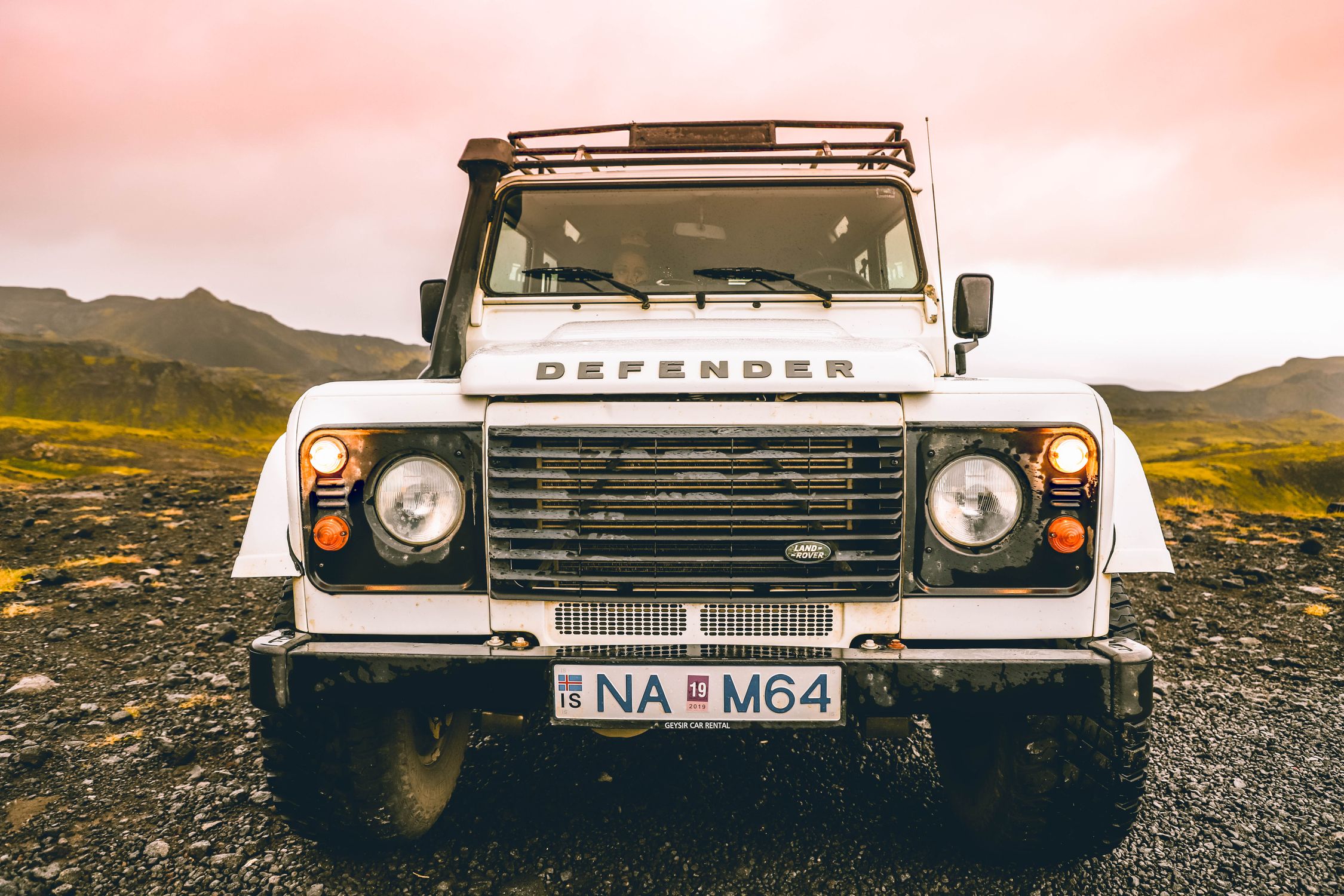
Before you crank the engine, you have to clear Iceland’s legal checklist. A full driver’s license held for at least one year is mandatory, according to Cars Iceland. The minimum age sits at 20 years for most vehicle categories, though several operators push the floor to 21-23 for 4x4 models, per Vetrarakstur, a detail that catches younger travelers off guard when they have already locked in a highland route. A credit card in the primary driver’s name is required for the security deposit; debit cards are rarely accepted, so do not plan around one even if it is linked to a solid balance.
If your license is printed in a non-Latin script, you will need an International Driving Permit to go with it; otherwise a passport or government ID that matches your booking details is enough on its own. Bring both the physical card and a photo of it, since some counters photocopy the front and back for their file. Every rental operator, in turn, must hold a valid permit from the Icelandic Transport Authority, and you can confirm any company’s standing on the Icelandic Transport Authority - Car Rental Permit page before you hand over a deposit. It is a two-minute check that confirms you are not handing your deposit to an unlicensed operator.
Vehicle Classes & Pricing (2026)

Iceland’s rental market splits into price bands that map directly to the terrain you plan to tackle. The Economy (compact) segment runs $35-60 USD per day and suits city cruising only; it sits at the low end of the Kayak average of $124 USD per day across all vehicle types, which shows how fast the cost climbs once you add a 4x4 upgrade. If you are eyeing any side-trip off the Ring Road, jump to the Standard 4x4 tier at $56-120 USD per day. A Dacia Duster 4x4, the benchmark budget 4x4, rents for about $56 USD per day (roughly $392 USD per week) according to Cars Iceland, a fair baseline to weigh other quotes against.
For more cargo space or higher clearance, the Mid-size SUV class sits at $112-180 USD per day, featuring models like the Nissan Qashqai or Hyundai Tucson that Go Iceland markets as an “affordable 4x4” bundled with winter-ready tires. At the top end, Premium SUV and Hybrid options such as the Jeep Compass 4xe command $180-250 USD per day, worth it if you want a quieter cabin and better fuel economy on the long Ring Road stretches between highland detours.
When you are ready to compare real-time offers, the price aggregator DiscoverCars pulls rates from all five major operators, Go Iceland, Cars Iceland, Reykjavik Cars, Icerental 4x4, and Northbound, so you can see the exact daily cost for the vehicle you need without opening five separate tabs. Remember that the listed daily rates often exclude optional extras like GPS units, additional drivers, or extended insurance, so factor those into your budget before you commit to the cheapest quote on the page.
Insurance Essentials
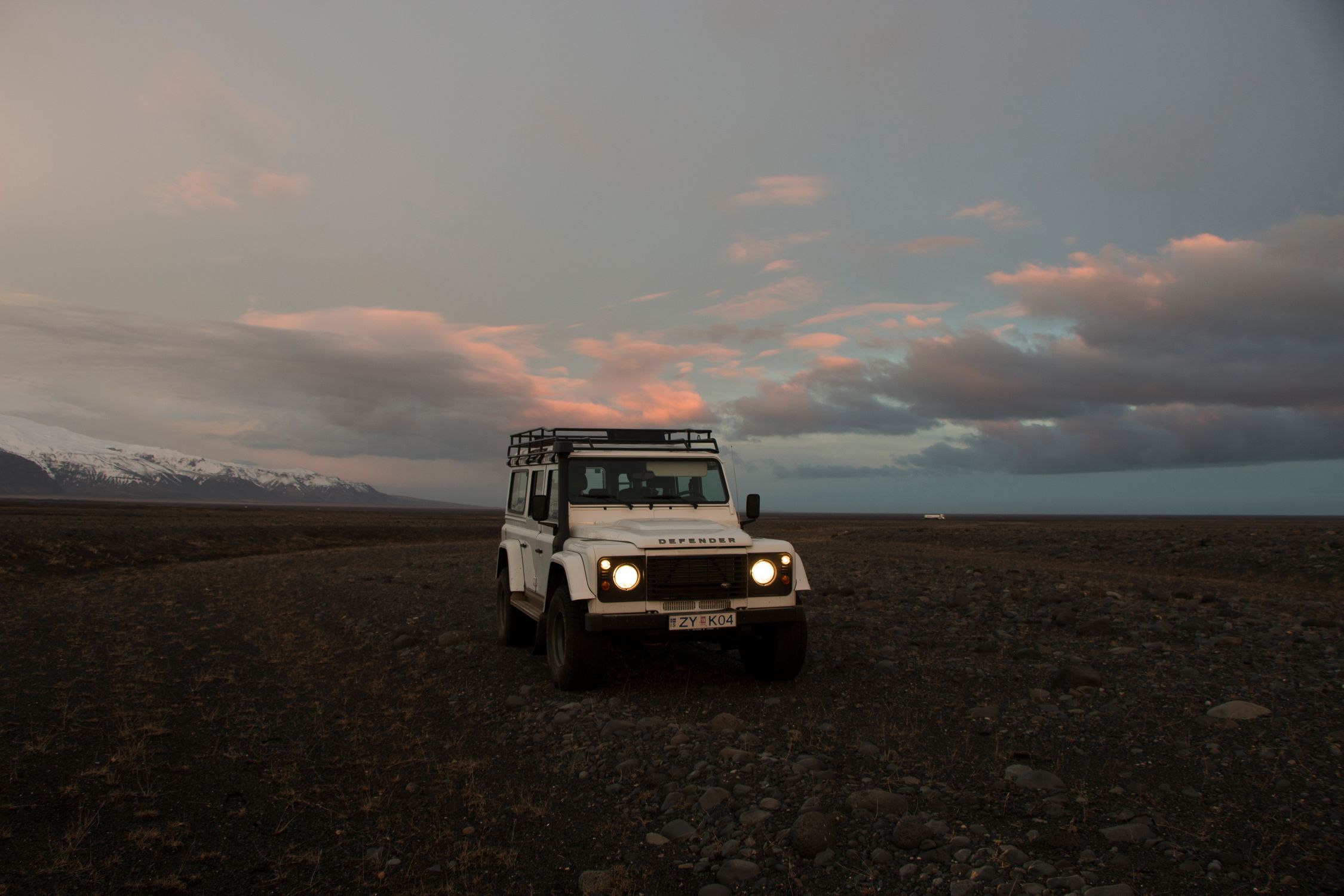
Insurance in Iceland is less about choosing optional coverage and more about understanding what is already baked into the price. Collision Damage Waiver (CDW) is standard on most rentals, including Go Iceland’s fleet, meaning the base rate already covers most accidental damage up to a deductible. Theft Protection and Third-Party Liability are typically sold as add-ons; some companies bundle them into a flat fee, which can simplify the paperwork at the counter if you would rather not itemize each option. If you want zero-excess peace of mind, look for Super-CDW: it eliminates the deductible entirely but adds a noticeable daily surcharge, so weigh it against how comfortable you are covering a smaller repair bill yourself.
Winter-ready tires are mandatory year-round by Icelandic law, and rental companies supply them at no extra charge, so you will not find a hidden tire fee buried in your invoice. Studded tires are only legal from November 1 to March 15, worth knowing if you are planning a late-season highland trek before that window opens. Keep a printed copy of the rental agreement and the insurance certificate in the glove compartment; remote checkpoints in the highlands, per SafeTravel Iceland, sometimes ask drivers to show proof before waving them through. It costs nothing to print an extra copy at the rental counter, and it removes one more thing to explain in a second language if you are stopped.
Road Realities & F-road Rules
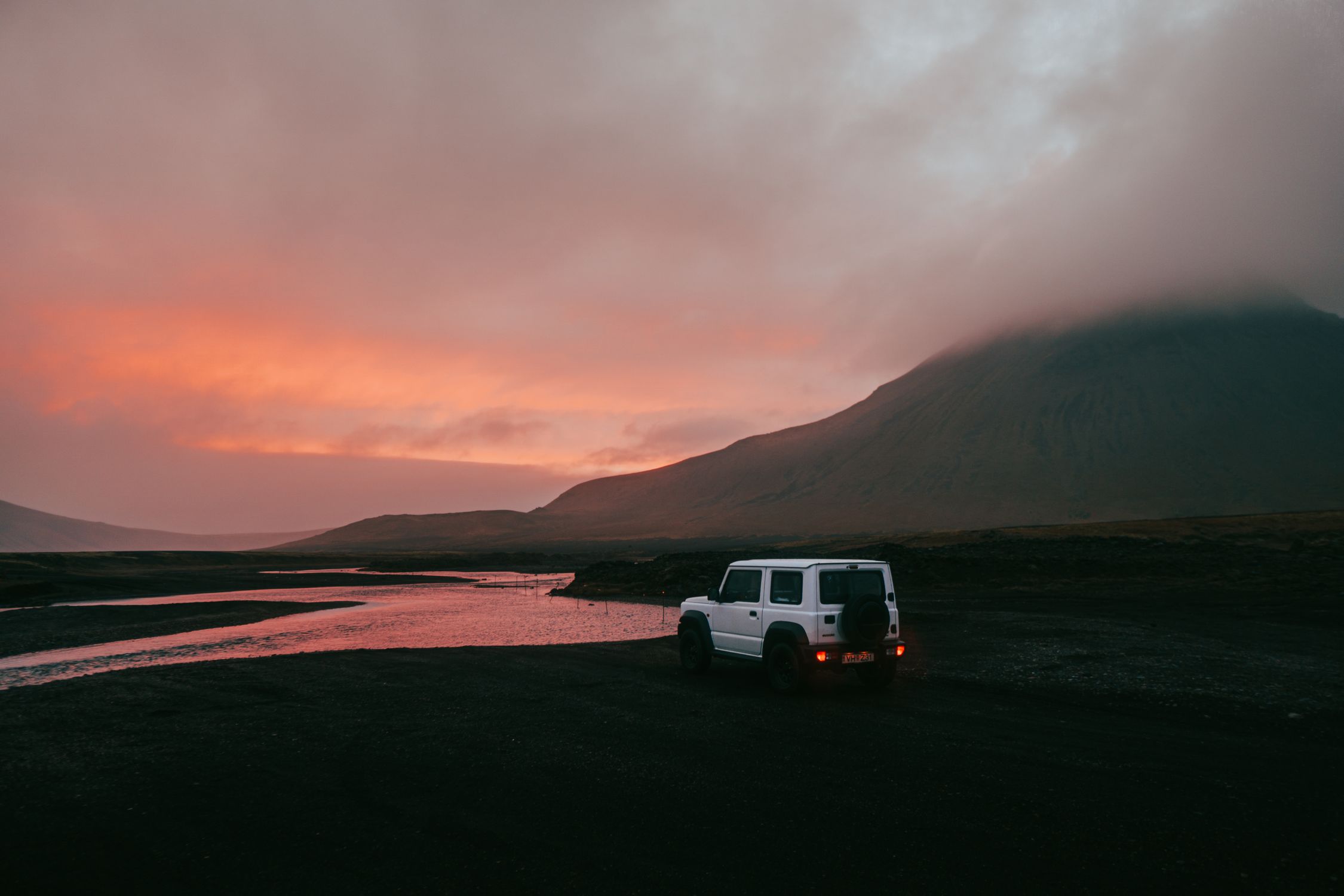
The Ring Road (Route 1) is fully paved and can be tackled in any vehicle, but the real adventure lies beyond the asphalt. F-roads, the gravel, river-crossing routes that thread the interior highlands, are legally 4x4-only, and they close seasonally, typically from early November to late May, depending on snow and river conditions. Always check the hourly updates on the Icelandic Road Administration’s road.is portal before you set out; closures can appear suddenly due to flooding or volcanic ash, and a route that looks fine on a map can be impassable by the time you reach it. Pairing that with the Icelandic Met Office forecast fills in the gap, since a clear road can still sit under an incoming weather front that closes it within hours.
Winter tires are compulsory on all vehicles regardless of season, and studded tires are only legal between November 1 and March 15. The only major toll you will encounter is the Hvalfjordur Tunnel, costing roughly $5 USD per crossing according to tunnel.is. Parking in Reykjavik and at popular sites can be tight; many locations use paid meters or designated lots, so keep a few coins or a payment app handy. GPS signal can drop out entirely in remote valleys, so supplement your phone with an offline map app like Maps.me and carry a printed route sheet for the most isolated stretches; a dead phone battery should not be the reason you miss the turn onto the correct F-road.
Picking Up & Returning Your 4x4
Most rentals start and end at Keflavik Airport, where the counter can back up fast during peak summer arrivals. Picking up early avoids the queue, and most companies allow early check-in and late drop-off for a small fee, worth paying if your flight lands before sunrise or leaves after your standard window closes. Walk the vehicle with the counter agent before you drive off and note any existing scratches or dents on the paperwork; a quick phone photo of each panel takes thirty seconds and avoids any dispute when you return a car that has picked up plenty of volcanic dust on the gravel routes.
Keep the printed rental agreement and insurance certificate in the glove compartment for the whole trip, not just for highland checkpoints; you will want it on hand at the return counter too if any damage question comes up. Give yourself a buffer before your flight home. A 4x4 that has spent days on F-roads takes longer to inspect than one that never left the Ring Road, and rushing the return is how minor scrapes turn into deposit disputes.
What to Pack for Iceland 4x4 Adventures
When you are loading a 4x4 for a multi-day trek, the gear you bring can make the difference between a smooth ride and a stranded night. Below are three GPS watches that survive the cold, keep you on track, and hold up through a tumble during a river crossing.
Garmin fēnix 8 Solar Sapphire 51mm
The heavyweight of the lot, with a 1.4-inch solar-charged touchscreen, up to 149 hours of GPS battery life, and a dive-rated 40m case built around multi-band GPS, GLONASS, Galileo, and BeiDou coverage. It is the pick for expedition athletes who need the longest possible runtime and will not compromise on navigation accuracy in deep valleys. The tradeoffs are real: it carries a premium price well over $1,100, and at 89 grams it is heavier on the wrist than the other two watches here, a fair cost for the battery margin it buys on a week-long highland loop.
COROS VERTIX 2S Adventure GPS Watch
A 40-day smartwatch battery, 118 hours of full GPS tracking, and a rugged titanium bezel built to shrug off rock scrapes. It is the choice for trail runners and mountaineers who want dual-frequency GPS accuracy, useful for staying on-route in Iceland’s steep-walled canyons, without paying Garmin’s flagship price. Its main gaps are a smaller third-party app ecosystem than Garmin’s and no built-in flashlight, so pack a separate headlamp if you are relying on this watch alone after dark.
SUUNTO Vertical Adventure GPS Solar Watch
A 60-day smartwatch battery with solar assist, a large 1.4-inch touchscreen, and more than 95 sport modes for tracking everything from a glacier hike to a whitewater put-in. It suits hikers who value a big, readable screen and free offline maps over shaving grams. Two honest caveats: the touchscreen can lag in cold conditions, which matters on a windswept Icelandic ridge, and its heart-rate accuracy lags behind a chest strap if you are training seriously rather than just navigating.
Beyond navigation, pack a high-visibility jacket, waterproof dry bags for electronics, a compact shovel, and a set of tire chains if you are heading into the highlands during early spring. Layering is king: a moisture-wicking base, an insulating mid-layer, and a wind-proof outer shell will keep you comfortable while you chase waterfalls or summit a basalt ridge.
Practical Tips & Common Mistakes
Even seasoned adventurers slip up in Iceland if they ignore the local quirks. Here are the top mistakes and how to dodge them:
- Skipping the early morning road check - Weather fronts move fast. A route that is clear at 8 a.m. can be closed by 10 a.m. due to river flooding. Pull up the latest updates on road.is before every leg, not just the first one of the day.
- Assuming any rental is 4x4 ready - Economy cars lack the clearance and drivetrain for gravel tracks. If you plan any side-trip off the Ring Road, book a 4x4 even in summer; you will also gain extra cargo space for gear.
- Forgetting the Hvalfjordur Tunnel toll - The $5 USD fee is easy to miss, and cash-only booths can cause a delay. Have a credit card ready or factor the cost into your fuel budget.
- Relying solely on mobile data for navigation - Signal drops are common in valleys and highlands. Load offline maps ahead of time and keep a printed route sheet for the most remote sections.
- Leaving the rental with a low fuel level - Gas stations can be hundreds of kilometers apart in the interior. Fill up whenever you see a pump; the fuel gauge can be deceptive on steep climbs, especially in a loaded 4x4.
By treating each of these as a checklist item rather than an afterthought, you keep the focus on the landscape instead of the logistics. The Icelandic road network is safe, but only when you respect the rules, stay informed, and equip your 4x4 with the right gear before you leave the rental lot.
Related Reading
Get price-drop alerts and new guides from BoldTripGuide
One email a week: price drops on the gear we recommend, new guides, and what changed. No spam, unsubscribe anytime.