Ecuador Andes & Amazon Adventure: 2026 Volcano & Jungle Guide
Tackle Ecuador's volcanoes and Amazon jungle in 2026. ASEGUIM guide logistics, essential gear picks, and safety tips for Cotopaxi, Chimborazo, and Yasuni.

This post may contain affiliate links. Disclosure
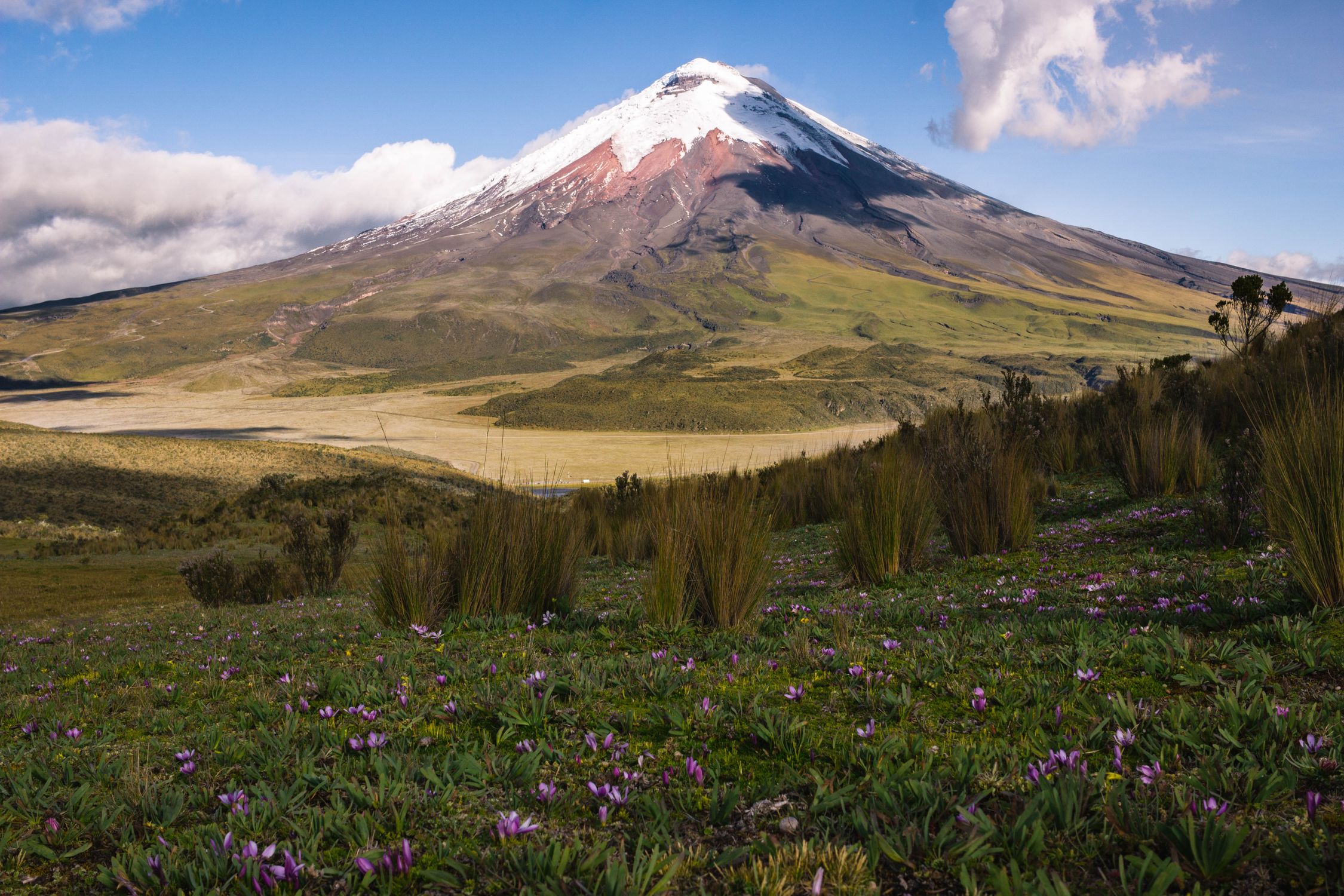
Ecuador packs more vertical drama per square kilometer than almost any other country on the planet. At 6,263 m, Chimborazo sits farther from Earth’s center than Everest thanks to the equatorial bulge, while Cotopaxi — a 5,897 m active giant — demands a certified ASEGUIM guide for every summit attempt. Pair those peaks with the Amazon’s Yasuni National Park and you’ve got a high-altitude-to-jungle itinerary that reads like a résumé for extreme-travel cred. The U.S. State Department’s Level 2 advisory reminds visitors to stay smart, not scared. Below is a 2026-ready playbook for climbers, trekkers, and overlanders chasing ice, ash, and biodiversity in one epic swing.
Short answer: Ecuador holds 47 volcanoes, ten of them active, along a corridor running the length of the Andes. Chimborazo at 6,263 m sits farther from Earth’s centre than Everest thanks to the equatorial bulge, and Cotopaxi requires a certified ASEGUIM guide for every summit. Yasuni National Park covers 10,000 km² of Amazon.
Why Ecuador Is the Ultimate Altitude-to-Jungle Playground
Ecuador’s compact geography lets you trade a sunrise on a snow-capped summit for a night under a chorus of howler monkeys in under twelve hours of travel. The country’s 47 volcanoes — 10 of them active — create a volcanic corridor that runs the length of the Andes, while the Oriente lowlands host the 10,000 km² Yasuni National Park, a UNESCO Biosphere Reserve that packs up to 650 tree species per hectare.
Tourism data from 2025 shows 1.37 million international arrivals, an 8.72% jump from the previous year, with U.S. travelers leading at 515,565 visitors. The surge helped Ecuador earn the “Best Adventure Travel Destination in the World 2026” award from PATWA at ITB Berlin. Dollar-based transactions eliminate currency exchange hassles for American adventurers, though ATMs thin out beyond Quito and Baños.
Safety-wise, the State Department’s Level 2 advisory (Exercise Increased Caution) applies nationwide, but the highlands and Amazon are flagged as generally safe for adventure travel. The key is to respect local regulations — especially the mandatory ASEGUIM-certified guides for Cotopaxi — and to carry reliable satellite communication for remote zones where cellular service drops. Yasuni accounts for less than 0.15% of the Amazon Basin yet shelters roughly 33% of its reptile and amphibian species: 121 reptile species and 150 amphibian species recorded, making it a living laboratory for biologists and a playground for adventurers.

Summit the Farthest Point from Earth’s Center – Chimborazo
Chimborazo isn’t just Ecuador’s highest peak; it’s the point on the planet’s surface that lies farthest from the planet’s core — 2.1 km farther than Everest — thanks to the equatorial bulge. At 6,263 m (20,548 ft), the climb is a high-altitude test of acclimatization, stamina, and logistics. The optimal window runs June through September, when Andean skies clear and the glacier’s crevasse fields are most stable.
The ascent follows a classic glacier route that demands technical ice travel. While the summit itself is non-technical, the approach includes 45-degree ice slopes that reward a 12-point crampon with horizontal front points. The Black Diamond Sabretooth Pro Crampons (ASIN B0144VTNX0) are UIAA-rated for these angles, and their stainless-steel construction resists the wet Andean snow that can corrode lighter alloys. Pair them with the Petzl Glacier Ice Axe 50 cm (ASIN B0DDMNLJX6), whose lightweight 430 g aluminum shaft reduces fatigue on the long, pre-dawn push that starts around 3 AM.
Acclimatization is non-negotiable: spend at least two nights above 4,500 m before the summit push, and keep hydration and caloric intake high. The summit offers a panoramic view that stretches from the Pacific coast to the Amazon canopy — a visual reminder that you’re standing at the planet’s outermost point.
For real-time weather updates, the Garmin inReach Mini 2 Satellite Communicator (ASIN B09PSKG7C3) is a lifeline. Its Iridium network works over the glacier and in the Amazon, and the 14-day battery life covers multi-day expeditions without a recharge.
Conquer the Active Giant – Cotopaxi
Cotopaxi is one of the world’s highest active volcanoes and a centerpiece of Ecuadorian adventure branding. The 5,897 m summit is accessible via a well-marked glacier route, but Ecuadorian law mandates an ASEGUIM-certified guide for any ascent. The Cotopaxi Travel portal lists licensed operators who meet Ministry of Tourism standards.
The glacier’s upper reaches are riddled with seracs and crevasses that shift seasonally. The Sabretooth Pro Crampons shine here again, delivering confident purchase on 45-degree ice. The Petzl Glacier Ice Axe provides a compact, UIAA-certified pick for self-arrest, essential when the wind whips up sudden snowstorms.
Because Cotopaxi’s activity level can change rapidly, daily briefings with your guide are mandatory. The volcano’s last major eruption was in 2015, but minor ash emissions are common. Carry a lightweight, waterproof bivy sack and a high-energy snack stash; the summit day can stretch to 12 hours when weather forces a retreat.
After the descent, celebrate with a soak in the nearby Baños hot springs — an excellent way to ease sore muscles before heading into the jungle. The best climbing season for both volcanoes aligns perfectly with the driest Amazon conditions (July through September), making a combined Andes-to-jungle itinerary logistically efficient.
Gear Essentials for High-Altitude Volcano Climbing
When you’re tackling glaciers that sit above the tree line, gear reliability isn’t a nice-to-have — it’s a must. Below are the three non-negotiable items for a safe, efficient summit push on Chimborazo or Cotopaxi.
Black Diamond Sabretooth Pro Crampons
- ASIN: B0144VTNX0
- Buy: Amazon Link
- Price: $130-$160
- Specs: 12-point steel construction, 1.3 lb/pair, horizontal front points, bale binding system.
- Why it matters: UIAA-rated 12-point design handles technical glacier angles; stainless steel resists corrosion from wet Andean snow.
- Considerations: Heavier than aluminum alternatives; requires compatible mountaineering boots.
Petzl Glacier Ice Axe 50 cm
- ASIN: B0DDMNLJX6
- Buy: Amazon Link
- Price: $85-$110
- Specs: Aluminum shaft, 50 cm length, 430 g weight, pick & adze head, UIAA-rated, light-blue anodized finish, 2025 model.
- Why it matters: Lightweight shaft reduces fatigue on long summit days; pick geometry ideal for self-arrest on Cotopaxi’s glacier sections.
- Considerations: Aluminum less durable than steel for frequent technical use; 50 cm may be short for taller climbers.
Garmin inReach Mini 2 Satellite Communicator — Orange
- ASIN: B09PSKG7C3
- Buy: Amazon Link
- Price: $349-$399
- Specs: 3.5 oz, IPX7 waterproof, MIL-STD-810 rugged, two-way satellite messaging via Iridium, TracBack routing, 14-day battery life (10-min tracking).
- Why it matters: Global coverage includes remote Yasuni and high-altitude zones; SOS connects to Garmin emergency response — critical under Ecuador’s Level 2 advisory.
- Considerations: Requires a subscription (~$14.95/month); small screen makes texting slower without a paired smartphone.
These three pieces form the backbone of any summit itinerary. Pair them with a layered clothing system, a high-altitude sleeping bag, and a reliable stove, and you’ll be ready for the Andes’ extremes.
Transition to the Amazon – Yasuni National Park Biodiversity Blitz
After conquering the high-altitude volcanoes, the journey drops dramatically — literally — into the lowland rainforest of Yasuni. Covering roughly 10,000 km², Yasuni accounts for less than 0.15% of the Amazon Basin yet shelters about 33% of its reptile and amphibian species (121 reptiles, 150 amphibians). One hectare can host up to 650 tree species, making it a living laboratory for biologists and a playground for adventure travelers.
The park’s UNESCO Biosphere Reserve status is well documented on Wikipedia and the Global Conservation site. Its dense canopy offers both challenge and wonder. World records for local-scale amphibian, bat, and tree species richness have been documented within a single hectare of Yasuni forest — a biodiversity density unmatched anywhere on Earth.
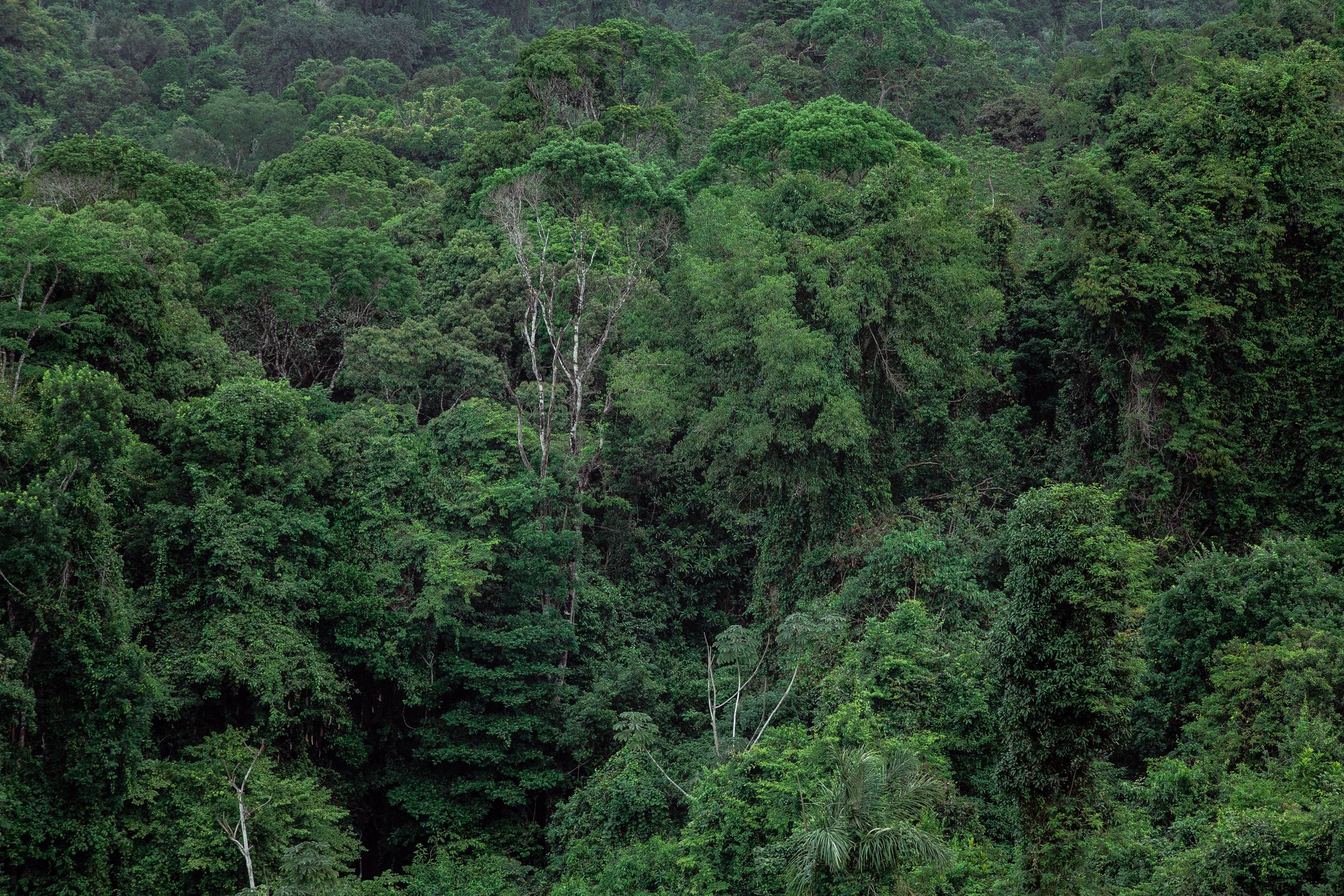
Trek routes range from short day hikes to multi-day jungle immersions that include night walks, river paddles, and community visits. The best time for drier conditions is July through September, aligning perfectly with the volcano climbing season. Expect daily rain showers, high humidity, and a chorus of insects — bring a quick-dry tarp, waterproof bags, and a strong pair of gaiters.
Jungle Logistics – Safety, Health, and Communication
The Amazon’s remote nature demands meticulous planning. Yellow fever vaccination is mandatory for entry into Napo and Pastaza provinces, as well as for travelers arriving from other yellow-fever-risk countries. Carry a digital copy of your vaccination certificate for border checks.
Cellular coverage fades beyond the main lodges; the Garmin inReach Mini 2 becomes your primary lifeline. Its Iridium network works over the dense canopy, and the 14-day battery life covers the typical 5-day lodge-to-lodge itinerary. Pair it with a solar charger to extend operation on longer treks.
Water safety is non-negotiable: filter all streams and treat with chlorine tablets. Insect protection — permethrin-treated clothing, DEET-based repellents, and a mosquito net — prevents malaria and dengue, both present in the Oriente region.
Accommodations range from eco-lodge cabins to community-run hammocks. Most lodges accept USD, but cash is useful for tips and small purchases. ATMs are scarce in the Oriente; plan cash withdrawals in Quito or Baños before heading east. Ecuador’s dollar-based economy eliminates currency exchange friction entirely for U.S. travelers — a practical advantage that makes budgeting straightforward in remote areas.
Adventure Life curates vetted tours and lodges for 2026-2027, ensuring that guides are trained in first aid and wildlife stewardship.

Planning Your 2026 Itinerary – Timing, Guides, and Permits
A balanced Andes-to-Amazon itinerary spans 12-15 days, giving ample time for acclimatization, summit attempts, and jungle immersion. Below is a sample flow:
| Day | Activity | Altitude / Region |
|---|---|---|
| 1 | Arrival in Quito, gear check, acclimatization walk | 2,850 m |
| 2 | Travel to Cotopaxi base camp, meet ASEGUIM guide | 4,800 m |
| 3 | Glacier travel practice, crampon & axe fitting | 4,800 m |
| 4 | Summit Cotopaxi (early start, 3 AM) | 5,897 m |
| 5 | Rest day, descent, transfer to Baños for soak | 1,800 m |
| 6 | Fly to Cuenca, drive to Chimborazo trailhead | 2,500 m |
| 7 | Acclimatization trek to base camp | 4,200 m |
| 8 | Summit Chimborazo (pre-dawn start) | 6,263 m |
| 9 | Descent, travel to Tena (flight or overland) | 1,200 m |
| 10-12 | Yasuni Amazon lodge, guided biodiversity walks, river night paddle | 250-500 m |
| 13 | Return to Quito, debrief, optional city tour | 2,850 m |
| 14 | Departure | — |
Key logistics:
- Permits: Cotopaxi requires a climbing permit obtained through an ASEGUIM-certified operator. Chimborazo permits are managed by the Ministry of Tourism; your guide handles paperwork.
- Guides: Book through Cotopaxi Travel for the volcano segment and Adventure Life for the Amazon. Both providers meet Ecuadorian safety standards.
- Travel Advisory: Review the U.S. State Department Ecuador Advisory before departure. Carry your inReach device, stay updated on local news, and respect any temporary access restrictions on active volcanic zones.
- Season alignment: The June-September window is optimal for both the volcanic glaciers and the drier Amazon trekking window, making mid-July departures the sweet spot for a combined itinerary.
- Currency: Ecuador uses the U.S. dollar — no currency exchange needed. ATMs are available in Quito and Baños but scarce at remote lodges; withdraw sufficient cash before heading east into the Oriente.
- Health: Yellow fever vaccination is required for Napo and Pastaza provinces. Consult your travel medicine clinic at least six weeks before departure to allow time for the vaccine to take effect and to obtain your International Certificate of Vaccination.
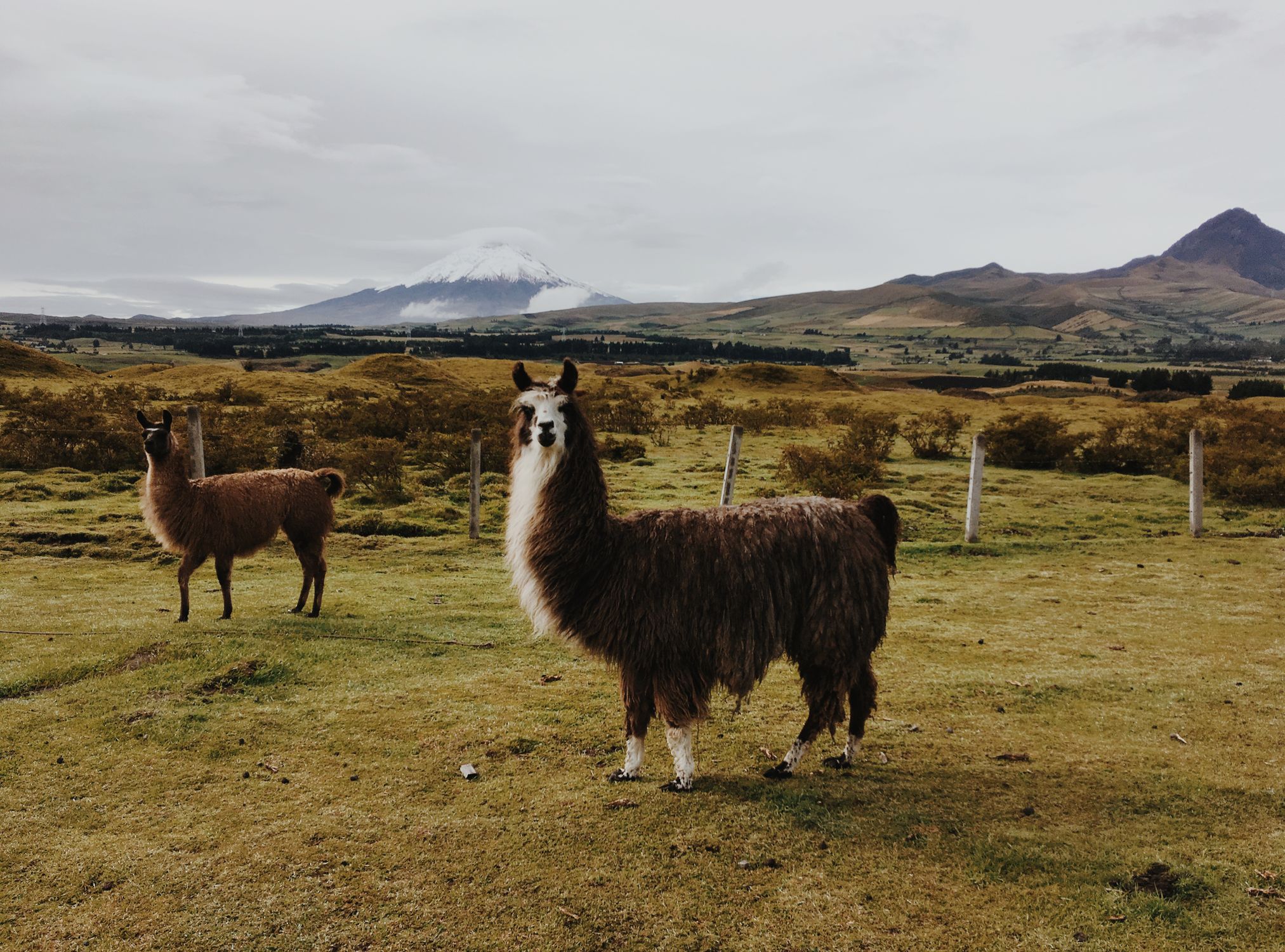
With the right preparation, you’ll experience the rare thrill of standing on the planet’s farthest point from its core, then stepping into a rainforest where a single hectare holds more tree species than many entire continents. Ecuador’s dual-zone adventure is a badge of honor for any serious outdoor enthusiast.
Related Reading
Get price-drop alerts and new guides from BoldTripGuide
One email a week: price drops on the gear we recommend, new guides, and what changed. No spam, unsubscribe anytime.