Gorge Walking and River Scrambling: Complete 2026 Guide
Complete guide to gorge walking and river scrambling in 2026. Best locations in Wales, Scotland, the Alps, and beyond with safety tips, costs, and operators.

This post may contain affiliate links. Disclosure
Updated for 2026 — Accurate as of February 2026.
Gorge walking is the adventure sport that turns ordinary-looking streams into extraordinary obstacle courses. You pull on a wetsuit, wade into a mountain stream, and spend the next three hours scrambling up waterfalls, sliding down natural water chutes, jumping off rock ledges into plunge pools, swimming through narrow gorges, and crawling under boulders in a setting that feels like a natural water park carved by millennia of erosion.
It is also known as canyoning, ghyll scrambling (in the English Lake District), river scrambling, or waterfall climbing depending on where you do it and who you do it with. The activity exists in the space between hiking and extreme sports: physical enough to be genuinely challenging, wet enough to be exhilarating, and accessible enough that no prior experience is required. If you can swim, you can gorge walk.
We have covered gorge walking across six countries — from the classic gorges of Snowdonia to Alpine canyons in Switzerland and slot canyons in the American Southwest. This guide covers the best locations, what to expect, and how to choose the right experience for your skill level.
What Gorge Walking Involves
A typical gorge walking session (2-4 hours) includes the following elements, mixed together in whatever order the gorge’s natural features dictate:
Wading: Walking upstream through the river, sometimes ankle-deep, sometimes waist-deep. The current pushes against you, the riverbed is uneven, and maintaining balance on slippery rocks is a constant challenge.
Scrambling: Climbing over and around boulders, rock faces, and waterfalls using hand and footholds in the rock. This ranges from easy clambering (like a natural playground) to genuinely technical climbing that requires a rope belay.
Jumping: Leaping from rock ledges into deep plunge pools below. Heights range from 1 meter (for warm-ups) to 8+ meters (for the brave). Most guided sessions offer a range of jump heights so you can choose your comfort level.
Sliding: Using natural water chutes, smooth rock slides carved by water flow, as slides. Some of these are fast, steep, and genuinely thrilling. Others are gentle and fun. The rock is polished smooth by thousands of years of flowing water.
Swimming: Swimming through narrow canyon sections, deep pools, and under waterfalls. The water is typically cold (mountain streams in the UK are 6-12 degrees Celsius even in summer), which adds intensity to the experience.
Abseiling/Rappelling: On some routes, particularly in deeper gorges, ropes are used to descend waterfalls that are too high or steep to climb down. Guides set up the ropes and manage the technical aspects.
If you enjoy the thrill of water-based adventure, also see our coasteering guide — it combines cliff jumping and ocean swimming in a similar spirit to gorge walking.
Snowdonia, Wales: The UK’s Gorge Walking Capital
Snowdonia National Park in North Wales is the heartland of British gorge walking. The combination of steep mountain terrain, high rainfall, and numerous streams and rivers creates ideal conditions. The rock is volcanic (rhyolite and slate), which is rough and grippy when wet, providing good traction for scrambling.
Best Gorges in Snowdonia
Fairy Glen (Betws-y-Coed): A short, accessible gorge walk through a narrow, atmospheric canyon. The gorge is enclosed by steep, mossy walls with waterfalls, plunge pools, and a natural water slide. Suitable for beginners and families (children 8+).
Cwm Idwal: A more challenging gorge route in the Ogwen Valley, beneath the dramatic cliffs of the Devil’s Kitchen. Involves technical scrambling, jumps up to 6 meters, and abseiling. Intermediate difficulty.
Aber Falls: Starting from the waterfall at Aber Falls, this route descends through a series of cascades, slides, and pools. Technical and committing, suitable for those who have done a gorge walk before.
Cost: Guided gorge walking from 40-65 GBP per person (3-4 hour session, all equipment included) What is provided: Wetsuit, buoyancy aid, helmet, and neoprene socks What to bring: Swimsuit to wear under the wetsuit, towel, old trainers or water shoes with grip Best season: May through October (water levels vary; after heavy rain the gorges become too dangerous) Operators: Snowdonia Adventure Activities, RAW Adventures, Antur Stiniog Where to stay: Betws-y-Coed has hostels from 18 GBP, B&Bs from 35 GBP Getting there: Train to Betws-y-Coed from Llandudno Junction (30 minutes). Car from London is about 4.5 hours.
Pro Tip: Book a session after rainfall but not immediately after. The gorges need water to be fun (low water turns jumps into shallow pools), but too much water makes them dangerous (high flow creates powerful currents and hydraulics). The day after a rainy day is usually ideal.
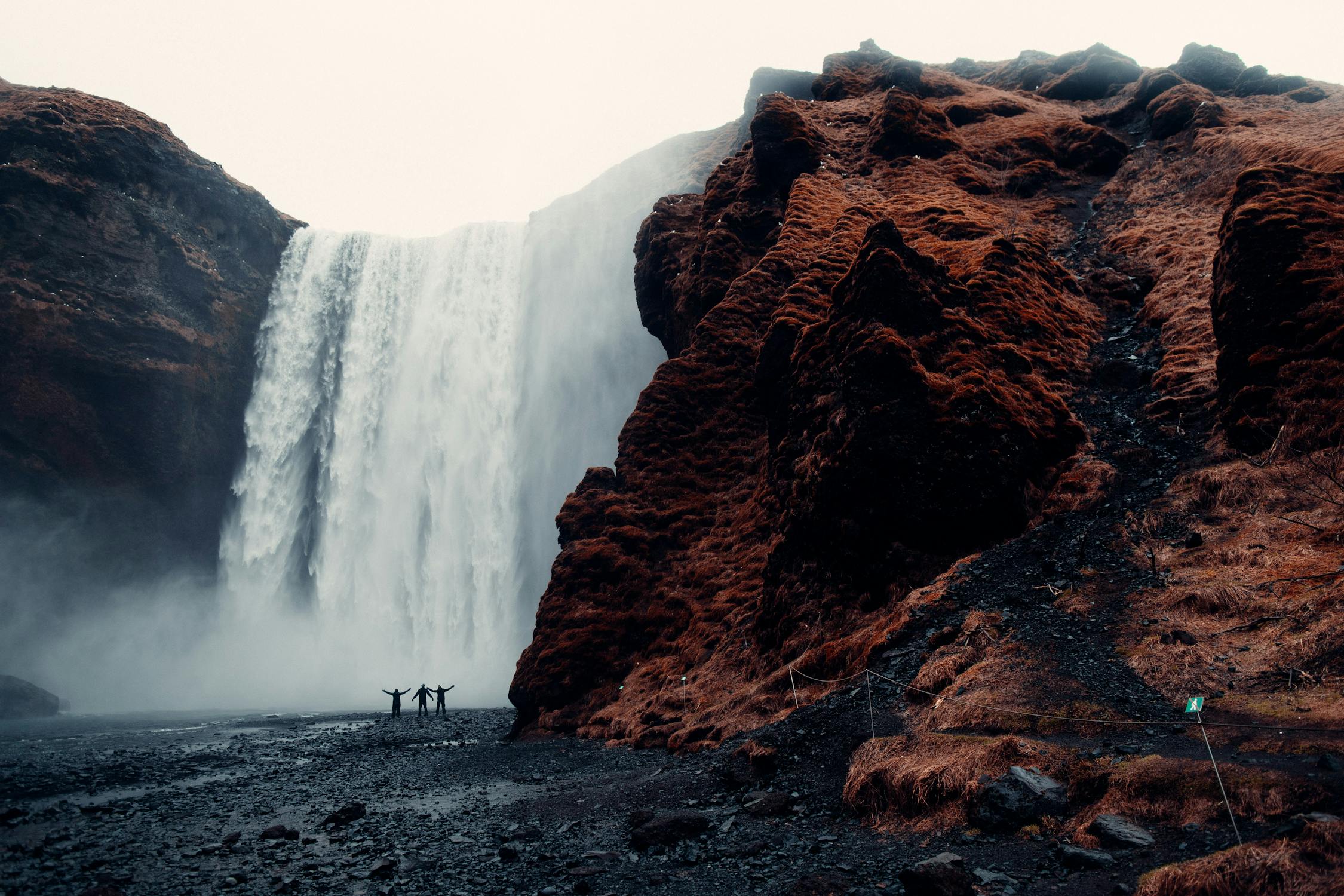 Photo credit on Pexels
Lake District, England: Ghyll Scrambling
In the English Lake District, gorge walking is called “ghyll scrambling” (ghyll being the local word for a mountain stream). The Lake District’s ghylls are shorter and steeper than Welsh gorges, often featuring dramatic waterfalls in enclosed, mossy canyons. Stickle Ghyll in Langdale is among the most popular — situated about 15 minutes from Ambleside — and is a perfect entry point for first-timers wanting a genuine mountain stream scramble.
Best Ghylls
Stickle Ghyll (Langdale): A classic intermediate scramble that follows Stickle Ghyll from the valley floor up to Stickle Tarn, a mountain lake at the base of the Langdale Pikes. The route includes several waterfall climbs, scrambling sections, and natural pools.
Church Beck (Coniston): A beginner-friendly ghyll starting from the village of Coniston, with gentle pools, small jumps, and scrambling that is manageable for first-timers and families.
Aira Force (Ullswater): A more challenging route following the stream above the famous Aira Force waterfall. Technical scrambling, larger jumps, and committed sections.
Cost: Guided ghyll scrambling from 40-60 GBP per person (3-hour session) Best season: May through October Where to stay: Ambleside, Coniston, or Keswick have hostels from 20 GBP and B&Bs from 35 GBP
Peak District, England: An Underrated Option
The Peak District is an underrated gorge walking destination that most visitors overlook in favour of Snowdonia or the Lake District. Stoney Middleton offers solid stream scrambling through the wooded valleys of Dale Brook and Stoke Brook, while the Seven Falls route along Arnfield Brook makes for excellent river scrambling with varied terrain and natural pools. The Peak District’s proximity to Manchester and Sheffield makes it ideal for day-trip gorge walking without a long drive.
Scottish Highlands: River Adventures
Scotland’s rivers and gorges are wilder and more remote than their English and Welsh counterparts, with deeper canyons, bigger waterfalls, and colder water. Gorge walking in Scotland is a more committed, more adventurous experience.
Best Scottish Gorges
Falls of Bruar (Perthshire): A dramatic gorge walk through a series of waterfalls in a wooded canyon. Intermediate difficulty with jumps up to 8 meters and rope work on the larger falls.
Birks of Aberfeldy (Perthshire): Made famous by Robert Burns’s poem, this gorge follows the Moness Burn through a narrow, steep-sided canyon. Technical and atmospheric.
Inchree Falls (Fort William): A series of waterfalls near Fort William that provide excellent gorge walking with a range of difficulties.
Cost: Guided gorge walking from 45-70 GBP per person Best season: May through September Where to stay: Pitlochry, Aberfeldy, or Fort William have hostels from 18 GBP
Alpine Canyoning: A Different Scale
Canyoning in the European Alps takes gorge walking to a different level entirely. The gorges are deeper, the waterfalls are taller, the water is colder (often glacially fed), and the technical rope work is more extensive. The sport is hugely popular in the French, Swiss, Austrian, and Italian Alps, with hundreds of developed canyoning routes ranging from beginner to extreme.
Best Alpine Canyoning Destinations
Interlaken, Switzerland: The adventure capital of Switzerland offers multiple canyoning routes in the gorges around the Aare and Lutschine rivers. Beginner routes involve wading, jumping, and natural slides in warm (by Swiss standards) water. Advanced routes include rappelling down 60-meter waterfalls.
Cost: Half-day canyoning from 120-170 CHF per person Operators: Outdoor Interlaken, Alpin Raft, Swissraft
Otztal, Austria: The Otztal valley in Tyrol offers canyoning through limestone gorges with vertical rappels, underground sections, and dramatic natural architecture.
Cost: Half-day canyoning from 60-90 EUR per person
Verdon Gorge, France: The deepest gorge in Europe (700 meters deep) offers multi-pitch canyoning descents through narrow limestone passages with waterfalls, pools, and technical rappels.
Cost: Full-day canyoning from 70-100 EUR per person
Bovec, Slovenia: The Soca Valley around Bovec offers some of the most affordable canyoning in the Alps, with emerald-green water and dramatic gorge scenery.
Cost: Half-day canyoning from 40-55 EUR per person
For a deeper dive into technical canyon descents and slot canyon exploration, our canyoneering guide covers North American and international destinations with rope skills and gear recommendations.
Comparison: Gorge Walking Destinations
| Destination | Water Temp | Depth/Scale | Cost | Best For |
|---|---|---|---|---|
| Snowdonia, Wales | 8-14°C | Moderate | 40-65 GBP | Classic UK gorge walking |
| Lake District, England | 8-14°C | Small-Moderate | 40-60 GBP | Families, beginners |
| Peak District, England | 8-14°C | Small-Moderate | 35-55 GBP | Easy access from cities |
| Scottish Highlands | 6-12°C | Moderate-Large | 45-70 GBP | Wilder, more committed |
| Interlaken, Switzerland | 6-12°C | Large | 120-170 CHF | Alpine scale, dramatic |
| Bovec, Slovenia | 8-14°C | Moderate-Large | 40-55 EUR | Value, beautiful water |
| Verdon, France | 10-16°C | Very Large | 70-100 EUR | Europe’s deepest gorge |
Safety Considerations
Gorge walking is generally safe when done with qualified guides in appropriate conditions. The main risks are:
Water levels: Gorges can flood rapidly after rainfall. Flash floods in narrow gorges are life-threatening. Never enter a gorge independently without checking the water level forecast and understanding the upstream catchment. Guided operators monitor water levels and will cancel sessions if conditions are unsafe.
Cold water: Prolonged immersion in cold mountain water causes hypothermia. Quality wetsuits, buoyancy aids, and limited immersion time (guided sessions typically last 2-4 hours) manage this risk. If you start shivering uncontrollably, get out of the water.
Slippery rock: Wet rock is slippery regardless of surface texture. Move deliberately, test each hand and foothold before committing your weight, and accept that you will slip occasionally. The wetsuit and buoyancy aid provide protection when you fall.
Jump depth: Always check the depth of the water before jumping. What was deep enough last week may have changed after a storm moved rocks. On guided sessions, the guide checks every pool before anyone jumps. If you are exploring independently, never jump into water you have not personally assessed.
Foot entrapment: If your foot becomes wedged between rocks in moving water, the current can push you under. This is the most dangerous hazard in gorge walking. Wear enclosed footwear (not sandals), and if you fall in moving water, float on your back with your feet downstream and raised to avoid entrapment.
For broader water adventure safety, the adventure travel safety guide covers emergency procedures, insurance, and trip planning for water-based activities.
How to Choose a Gorge Walking Provider
-
Qualifications: In the UK, guides should hold a relevant qualification (British Canoeing Canyon Leader, Mountain Training Climbing Wall Award with canyoning endorsement, or equivalent). In the Alps, look for certified canyon guides (Brevet d’Etat in France, Bergfuhrer in Austria/Switzerland).
-
Group size: Smaller groups (maximum 8-10) provide a better experience and more attention to safety. Avoid operations that run groups of 20+.
-
Equipment quality: Wetsuits should be in good condition (no holes, correct sizing). Buoyancy aids should be snug-fitting. Helmets should be CE-certified. If the equipment looks worn or damaged, find a different provider.
-
Route selection: A good provider matches the route difficulty to your group’s ability. They should ask about your swimming ability, fitness level, and any medical conditions before assigning you to a route.
-
Weather policy: A responsible provider will cancel in unsafe conditions. If they are willing to run sessions in flood conditions, walk away.
DIY Gorge Walking: Is It Possible?
Independent gorge walking is possible for experienced outdoor enthusiasts, but it carries significantly more risk than guided sessions. If you want to explore gorges independently:
- Start with easy, well-documented routes.
- Never go alone. Minimum group size: three (if one person is injured, one stays with them while the third goes for help).
- Carry a throw line (rescue rope), first aid kit, and emergency communication (phone in waterproof case or satellite communicator).
- Check water levels and weather forecast before entering any gorge.
- Know the exit points. Many gorges are committing: once you are in, the only way out is through.
- Build skills gradually. Take guided sessions first, then a canyoning course, then explore independently.
What to Expect Physically
Gorge walking is more physically demanding than most people expect. A 3-hour session involves:
- Continuous movement through cold water (core temperature management)
- Climbing over and around boulders (upper body and leg strength)
- Swimming in cold water (cardiovascular demand)
- Jumping from heights (managing fear and adrenaline)
- Maintaining balance on slippery surfaces (core stability)
You do not need to be extremely fit, but you should be comfortable swimming in open water, able to climb a ladder, and willing to get very cold and very wet. Most people are tired and exhilarated at the end of a session, and most report that it was more fun than they expected.
What to wear: Swimsuit or quick-dry base layer under the provided wetsuit. Bring a towel, dry warm clothes for after the session, and a hot drink in a thermos. Old trainers with good grip (not flip-flops, not hiking boots) for footwear unless the operator provides neoprene booties.
Recommended Gear for Gorge Walking
The one essential item for self-guided gorge exploration: the Earth Pak Waterproof Dry Bag (Wirecutter pick) keeps phones, snacks, and spare layers dry during swimming sections and waterfalls crossings where wetsuits protect you but not your gear. At 10 liters it stays buoyant and floats beside you on swim sections without dragging. Most gorge walking is guided and equipment is provided — but your electronics need their own protection.
 Dry bag for gorge walking electronics and valuables — Photo on Pexels
Related Reading
Get the best ThrillStays tips in your inbox
Weekly guides, deals, and insider tips. No spam, unsubscribe anytime.