Hiking with Dogs: Best Dog-Friendly Trails
Discover the best dog-friendly hiking trails worldwide, with expert tips on gear, safety, trail etiquette, and planning multi-day adventures with your dog.

This post may contain affiliate links. Disclosure
My dog, a 30-kilogram mutt with the enthusiasm of a golden retriever and the stubbornness of a husky, has been my primary hiking partner for seven years. She has summited 14,000-foot peaks in Colorado, camped in the Appalachian backcountry, and once refused to cross a perfectly safe log bridge in Oregon for 45 minutes. Hiking with a dog transforms the experience in ways that are impossible to replicate with human companions: your dog does not complain about the weather, never argues about which trail to take, and finds genuine joy in experiences that you might otherwise take for granted, like a muddy puddle or a particularly interesting rock.
But dog-friendly hiking is more complex than most new owners realize. Not every trail allows dogs, not every dog is suited to every trail, and the gear, safety, and etiquette requirements add a layer of planning that solo hiking does not require. Done wrong, hiking with your dog can be dangerous for both of you. Done right, it creates a partnership that deepens the human-animal bond in profound ways.
According to the American Hiking Society, 42% of dog owners hike with their dogs at least once a month, a figure that has increased by 15% since 2020. The pet outdoor gear market has responded, growing to $3.2 billion annually with innovations in dog-specific hiking equipment that rival human gear in quality and thoughtfulness.
Before you head out, always verify the current pet policy directly with the park or trail management — rules change seasonally and between jurisdictions. The National Park Service pet guidelines are an essential first reference for any US destination.
Best Dog-Friendly Trails in the US
West Coast
Pacific Crest Trail Sections — California, Oregon, Washington While thru-hiking the full PCT with a dog is not practical (many sections cross national parks where dogs are banned), numerous day-hike and weekend sections are dog-friendly. The section from Cascade Locks to Timberline Lodge in Oregon is a standout: 50 miles through forest with reliable water sources and moderate terrain. Dogs must be leashed in most areas.
Columbia River Gorge — Oregon/Washington The gorge offers dozens of dog-friendly waterfall hikes ranging from easy to strenuous. Eagle Creek Trail (partially reopened after the 2017 fire) is legendary, with Tunnel Falls at mile 6 being one of the most dramatic waterfall hikes in the country. Dogs are allowed on leash throughout the gorge, and trail-adjacent creeks provide constant cooling opportunities.
Big Sur — California The Andrew Molera State Park beach trail is one of the few dog-friendly trails in Big Sur, offering a 2.5-mile walk to a secluded beach where dogs can run off-leash below the high-tide line. The contrast of redwood forest and Pacific coastline is stunning.
Mountain West
Maroon Bells — Colorado The Crater Lake Trail (3.6 miles round trip) is dog-friendly and leads to one of the most photographed spots in Colorado. The moderate elevation gain (700 feet) is manageable for most dogs, and the alpine lake at the end provides a reward swim. The area requires a reservation during peak season.
Grand Staircase-Escalante — Utah This national monument (not a national park, so dogs are allowed) offers surreal canyon hiking. Coyote Gulch is a 26-mile loop through sandstone arches, slot canyons, and creek beds. Dogs handle the terrain well, but carry extra water as sources can be unreliable in hot months.
Glacier National Park Perimeter — Montana Dogs are not allowed on trails inside Glacier NP, but the adjacent Flathead National Forest offers equally stunning trails without the restriction. The Jewel Basin Hiking Area has 35 miles of trails through alpine lakes and meadows, all dog-friendly.
East Coast
White Mountains — New Hampshire The Whites offer some of the best above-treeline hiking in the eastern US, and most trails allow dogs. The Franconia Ridge Loop (8.9 miles) is a bucket-list hike with exposed ridgeline walking above 5,000 feet. Dogs should be comfortable with rocky scrambling and wind exposure.
Shenandoah National Park — Virginia One of the few national parks that allows dogs on almost all trails — nearly 500 miles of trails are open to leashed dogs. Whiteoak Canyon (9.2 miles round trip, six waterfalls) is the best dog-friendly hike in the park. Old Rag Mountain is technically dog-allowed but not recommended due to the challenging rock scramble section.
Acadia National Park — Maine Another notably dog-friendly national park, with 100+ miles of trails and 45 miles of carriage roads. Dogs are allowed on all but six trails (the ladder trails). The Jordan Pond Path (3.3-mile loop) is flat, scenic, and perfect for dogs of any fitness level. Cadillac Mountain provides sunrise views worth the early wake-up.
Cuyahoga Valley — Ohio Often overlooked, Cuyahoga Valley National Park allows leashed dogs on all of its 125+ miles of trails, including the popular Ohio and Erie Canal Towpath Trail. It is one of the most genuinely dog-friendly national parks in the US, with well-maintained paths and multiple water access points.
Best Dog-Friendly Trails Internationally
European Trails
| Trail | Country | Distance | Dog Policy | Difficulty | Water Access |
|---|---|---|---|---|---|
| Tour du Mont Blanc | France/Italy/Switzerland | 170 km | Dogs allowed, leash required | Strenuous | Excellent |
| West Highland Way | Scotland | 154 km | Dogs allowed, sheep areas leashed | Moderate | Excellent |
| GR20 South | Corsica, France | 90 km | Dogs allowed (north section restricted) | Strenuous | Moderate |
| Kungsleden | Sweden | 440 km | Dogs allowed, summer only | Moderate | Excellent |
| Camino de Santiago | Spain | 800 km | Dogs allowed, hostels variable | Moderate | Good |
The Tour du Mont Blanc with a dog is one of the great adventure travel experiences available. Most mountain refuges allow dogs (confirm in advance), and the trail’s water sources keep dogs hydrated throughout. The Italian sections are particularly dog-friendly, with restaurants and refuges welcoming four-legged guests warmly.
The West Highland Way in Scotland is arguably the most dog-friendly long-distance trail in Europe. The wet climate means water is never a concern, wild camping is legal (and dog-friendly), and most pubs and B&Bs along the route welcome dogs enthusiastically.
Other International Options
Tongariro Northern Circuit — New Zealand Dogs are not allowed in Tongariro NP, but New Zealand’s Department of Conservation restricts dogs on most conservation land due to native bird protection. The Queen Charlotte Track in the Marlborough Sounds is dog-friendly and spectacular — a genuinely excellent alternative.
Atlas Mountains Day Hikes — Morocco Local shepherding culture means dogs are common in the Atlas Mountains. Day hikes from Imlil into the valleys below Toubkal are dog-friendly, though you should be prepared for encounters with village dogs. Keep your dog leashed when passing through villages.
Essential Gear for Hiking with Dogs
The Non-Negotiables
Collapsible Water Bowl: Your dog cannot drink from a Nalgene. A collapsible silicone bowl weighing 50 grams solves this. The Ruffwear Trail Runner Bowl is the standard.
Dog Backpack: For multi-day hikes, a dog backpack lets your dog carry their own food and water. Dogs can safely carry 10 to 25% of their body weight depending on breed, fitness, and terrain. The Ruffwear Approach Pack and Kurgo Baxter Pack are the most popular options. Start with light loads and build up over several hikes.
Leash System: A hands-free waist leash keeps your hands available for trekking poles and scrambling. The Ruffwear Roamer Leash converts between handheld and waist attachment. For trail sections requiring close control, a standard 6-foot leash is essential.
Dog First Aid Kit: Your human first aid kit does not cover dog-specific needs. Add vet wrap, dog-safe antiseptic wipes, a tick removal tool, Benadryl (1 mg per pound of body weight, confirm with your vet), prescribed pain medication, and booties for hot, rocky, or icy terrain. The Adventure Medical Kits Hiker First Aid Kit covers the human side of your trail pair — compact enough to carry on any outing.
Dog Booties: The most underrated piece of dog hiking gear. Hot pavement (above 50 degrees Celsius), sharp scree, icy trails, and abrasive volcanic rock can all damage paw pads. Ruffwear Grip Trex booties are the standard. Practice at home first; most dogs need three to four short sessions before they walk normally in boots.
Nice-to-Have Gear
GPS Tracker: A Garmin T5 or Fi collar provides real-time GPS tracking if your dog gets separated. Peace of mind in remote areas.
Cooling Vest: For summer hiking, a Ruffwear Swamp Cooler vest uses evaporative cooling to reduce your dog’s body temperature. Soak it in water, wring it out, and put it on. Effective for two to three hours.
Sleeping Pad: For multi-day trips, your dog needs insulation from the ground. The Ruffwear Highlands Pad provides both insulation and comfort.
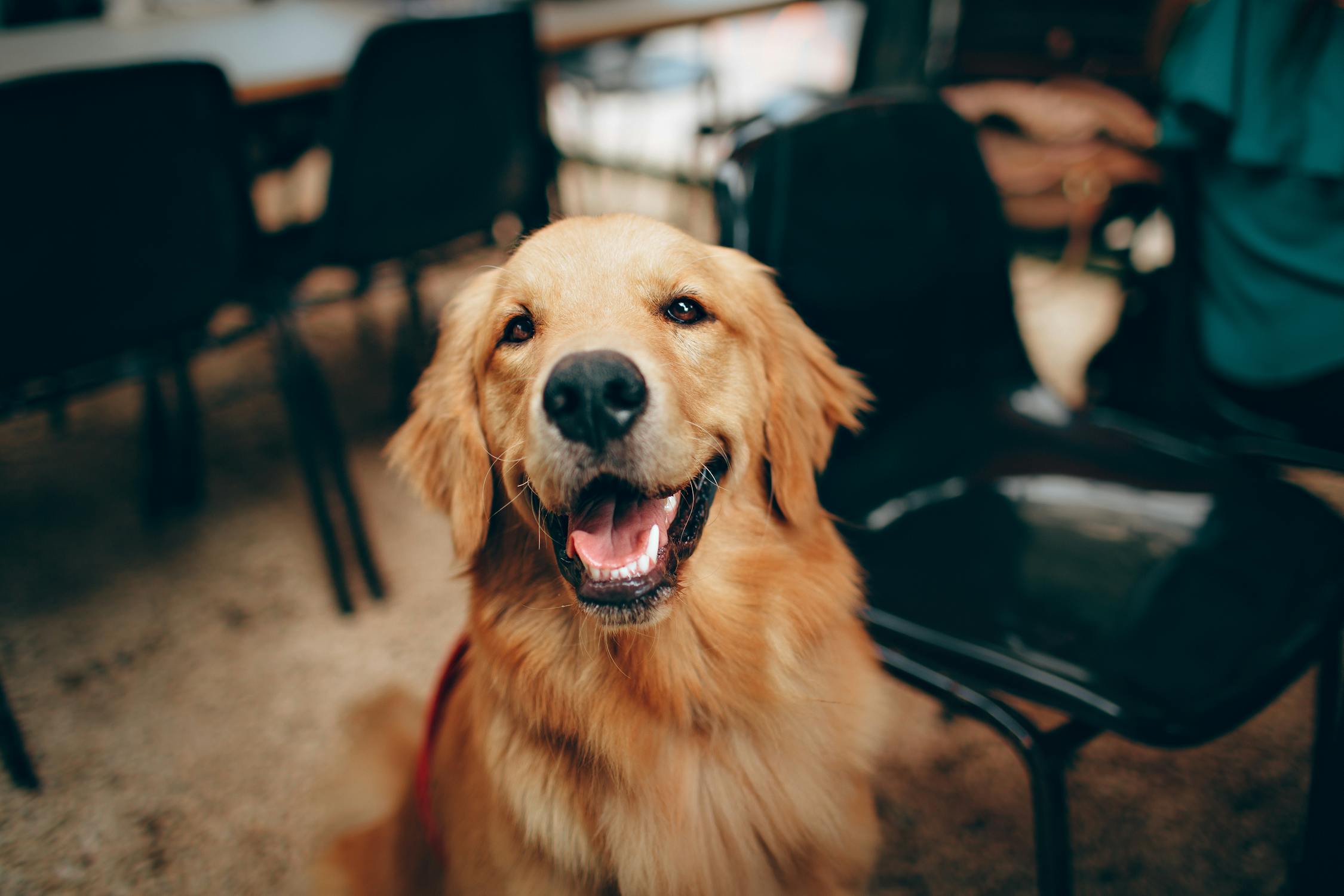 Photo credit on Pexels
Preparing Your Dog for Hiking
Fitness Assessment
Not every dog is built for strenuous hiking. Breeds with short noses (bulldogs, pugs, Boston terriers) struggle with heat and altitude due to compromised airways. Giant breeds (Great Danes, mastiffs) are prone to joint issues on rough terrain. Small breeds can be excellent hikers but fatigue faster and may need to be carried on steep sections.
Before any serious hike, get a veterinary checkup. Your vet should assess joint health, cardiovascular fitness, paw pad condition, weight, and vaccination status (leptospirosis, rattlesnake vaccine if hiking in snake country).
Training Protocol
Weeks 1-2: Start with 30 to 60-minute walks on varied terrain. Practice leash manners and basic trail commands: “leave it” (for wildlife), “wait” (for cliff edges), and a reliable recall.
Weeks 3-4: Increase to 2 to 3-hour hikes with moderate elevation gain. Introduce the backpack with light loads (5% of body weight). Practice water crossings if your dog is not a confident swimmer.
Weeks 5-8: Build to trail-length hikes (4 to 6 hours) with full gear. Test booties on rough terrain. Introduce overnight camping if your trip requires it.
The minimum age for strenuous hiking is 12 to 18 months for most breeds. Puppies’ growth plates are not fully closed before this age, and repetitive impact on developing joints can cause long-term damage. Consult your vet for breed-specific guidance.
Trail Safety for Dogs
Wildlife Encounters
Dogs and wildlife do not mix well. A dog that chases a deer can be injured by the deer’s hooves, lead you into dangerous terrain, or trigger a predator response from bears or mountain lions. In bear country, a dog that runs toward a bear and then runs back to you brings the bear directly to your location.
Keep your dog on leash in all areas with large wildlife. Carry bear spray and know how to use it. If you encounter a snake, pull your dog away immediately. In areas with porcupines, a leashed dog cannot get close enough to take quills.
Water for Both of You
For water on the trail, the Sawyer Mini Water Filter weighs 2 oz and lets you safely drink from streams — critical on backcountry routes where you cannot carry enough water for both you and your dog. Filter into a bottle, then pour into your dog’s collapsible bowl.
 Staying hydrated on the trail — Photo on Pexels
Heat and Hydration
Dogs overheat faster than humans because they can only cool themselves through panting and their paw pads. Heatstroke is the most common and most preventable dog hiking emergency.
Warning signs: Excessive panting, drooling, staggering, vomiting, bright red gums. If you see these, stop immediately, move to shade, pour water over their belly, paw pads, and ears, and get to a vet.
Carry 30 ml of water per kilogram of body weight per hour of hiking. Avoid hiking in temperatures above 27 degrees Celsius with brachycephalic breeds. Rest every 30 to 45 minutes in hot weather. Check paw pad temperature by holding your hand on the trail surface — if you cannot hold it for 10 seconds, it is too hot for paw pads.
Paw Care
After every hike, inspect your dog’s paws for cuts, abrasions, thorns, and burrs. Apply a paw balm (Musher’s Secret is the standard) before and after hikes. If a pad is cut deeply enough to see pink tissue beneath, it needs veterinary attention.
Leave No Trace with Dogs
- Pack out all waste. Dog waste contains bacteria and parasites that contaminate water sources. Use biodegradable bags and pack them out completely.
- Keep dogs on trail. Off-trail dogs disturb wildlife, damage vegetation, and cause erosion.
- Control barking. Excessive barking disturbs other hikers and stresses wildlife.
- Respect other trail users. Keep your dog close when passing other hikers, especially those with children or other dogs.
- Do not let dogs swim in fragile water sources. Alpine lakes and slow streams can be disturbed by dogs churning up sediment and introducing bacteria.
Planning Dog-Friendly Adventure Trips
Accommodation
- Campgrounds: Most campgrounds allow dogs, making camping the easiest dog-friendly accommodation.
- Vacation rentals: Airbnb and VRBO have pet-friendly filters. Expect to pay a $25 to $100 pet fee.
- Hotels and motels: BringFido.com and GoPetFriendly.com list verified pet-friendly lodging worldwide.
- European mountain huts: Policy varies widely. Swiss and Austrian huts are generally dog-friendly. Italian and French huts are less consistent. Always call ahead.
Transportation
- Flying with dogs: Most airlines allow dogs under 8 kg in-cabin in a carrier. Larger dogs must fly cargo, which involves significant stress, cost ($200 to $500), and health risks. For domestic trips, driving is strongly preferable.
- Rental cars: Most rental agencies allow dogs but may charge a cleaning fee. Bring a car seat cover.
- Trains: European trains generally allow dogs. Amtrak in the US allows dogs under 20 pounds on trips under 7 hours.
If you are planning a more technical multi-day route, pair this guide with our adventure travel gear guide for packing advice that applies to both you and your dog. For those considering longer expeditions, our thru-hike planning guide covers the full logistics of months-long trail travel.
Related Reading
Get the best ThrillStays tips in your inbox
Weekly guides, deals, and insider tips. No spam, unsubscribe anytime.