Ice Swimming Destinations: Cold Water Therapy Travel
Discover the world's best ice swimming destinations and cold water therapy retreats. From Finnish lakes to Antarctic plunges, find your cold water adventure.
This post may contain affiliate links. Disclosure
Updated for 2026 — Accurate as of March 2026.
Cold water immersion has moved from fringe biohacking practice to mainstream adventure travel experience. In 2026, ice swimming retreats and cold water therapy destinations are booked months in advance. A March 2026 study published in medical journals confirmed what practitioners have reported for years: regular cold water exposure is associated with reduced inflammation, improved mood, enhanced immune function, and increased cold tolerance. The global cold therapy market has expanded rapidly across Europe, North America, and increasingly Southeast Asia.
But ice swimming is not just a wellness trend. It is one of the most visceral, elemental adventure experiences available to any traveler. The moment you lower yourself into water at two degrees Celsius, your body enters a state of acute alertness unlike anything else in adventure sports. Your breathing sharpens, your skin burns, your mind empties of everything except the present second. It is terrifying and addictive in equal measure.
This guide covers the best destinations for ice swimming and cold water therapy in 2026 — from organized retreats with medical oversight to wild swimming spots where you bring your own courage and a towel.
Understanding Cold Water Immersion
Before planning a cold water travel experience, you need to understand what happens to your body. Cold water immersion triggers the mammalian dive reflex, constricting peripheral blood vessels and redirecting blood to your core organs. Your heart rate initially spikes, then drops. Norepinephrine and dopamine flood your system, producing the characteristic “cold water high” that draws people back again and again.
The critical safety threshold is the first thirty seconds. Cold water shock causes involuntary gasping, hyperventilation, and — in the worst case — inhaled water. Gradual acclimatization, never swimming alone, and supervised initial sessions are not optional precautions. They are essential. Review our adventure travel safety guide before attempting any cold water immersion.
Temperature classifications for context:
- Cool water: 15-20°C (59-68°F) — comfortable for most swimmers
- Cold water: 10-15°C (50-59°F) — requires acclimatization
- Very cold water: 5-10°C (41-50°F) — experienced cold swimmers
- Ice water: 0-5°C (32-41°F) — advanced, supervision essential
Helsinki, Finland: The Spiritual Home of Ice Swimming
Finland’s capital is the epicenter of global ice swimming culture. The Finnish tradition of avantouinti (ice hole swimming) dates back centuries, and Helsinki has turned it into a refined urban experience. The Allas Sea Pool, a floating pool complex in Helsinki’s central harbor, offers heated seawater pools alongside a cold pool that draws directly from the Baltic Sea. In winter, the Baltic hovers around 1-3°C. You swim in the cold pool, then warm in the sauna. Repeat.
For a more traditional experience, head to Sompasauna, a free, community-built sauna on Helsinki’s waterfront where locals chop holes in the Baltic ice and plunge in year-round. The atmosphere is communal and welcoming. Bring your own towel and an open mind.
When to go: December through March for true ice swimming. The Baltic freezes reliably by January.
Where to stay: The Hotel Katajanokka, a converted prison, is a ten-minute walk from the harbor saunas.
Combine with: A visit to Löyly, Helsinki’s architecturally stunning public sauna, and a day trip to Nuuksio National Park for wild swimming in frozen forest lakes.
Tromsø, Norway: Arctic Ice Swimming Under the Northern Lights
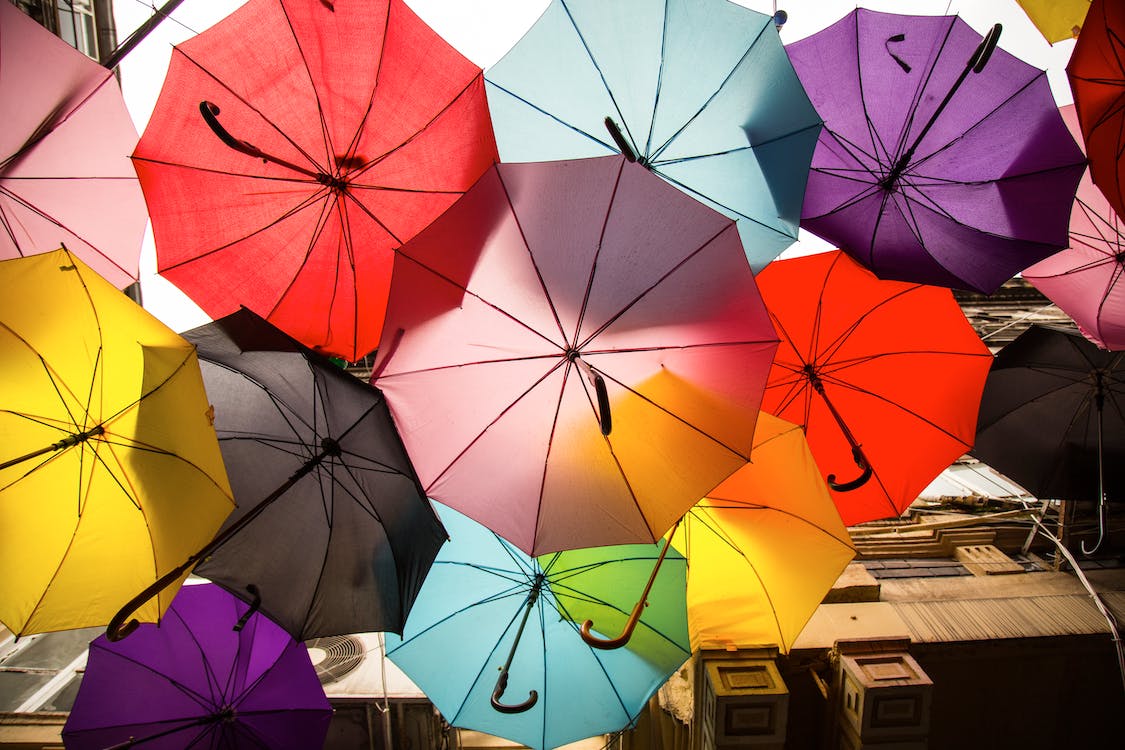
Tromsø sits 350 kilometers north of the Arctic Circle, and winter water temperatures drop to 1-4°C. Several operators now offer guided ice swimming experiences paired with northern light viewing. The concept is simple and spectacular: swim in an Arctic fjord under the aurora borealis, then warm up in a floating sauna.
Arctic Swim Tromsø runs small-group sessions (maximum six people) from November through March. Wetsuits and thermal neoprene accessories are provided, and a safety diver is always in the water. After the swim, the sauna boat cruises the fjord while the aurora dances overhead. It is one of the most surreal adventure experiences on Earth.
For experienced cold swimmers who prefer unassisted wild swims, the beaches around Kvaløya and Sommarøy offer Arctic Ocean access with mountain backdrops. Buddy system mandatory.
Lake Bled, Slovenia: Alpine Cold Water Paradise
Lake Bled has emerged as a major ice swimming event destination, hosting the annual Bled Winter Swimming Championship in partnership with the Slovenian tourist board. The lake, backed by the Julian Alps and its iconic island church, drops to 4-6°C in winter. Competitors race distances from 25 to 450 meters in nothing but swimsuits, goggles, and caps.
Outside competition season, Bled offers year-round cold water swimming in one of Europe’s most photogenic settings. The lake is clean, accessible, and surrounded by trails and cafes. Combine ice swimming with a day of hiking in Triglav National Park for a complete Alpine adventure.
Event date: The 2026 Bled Winter Swimming Championship is typically held in late January.
Murmansk, Russia: Extreme Ice Swimming Championships
Murmansk hosts the annual International Ice Swimming Association (IISA) championships, drawing competitors from over 40 countries. Water temperatures during competition range from 0-2°C, and events include 50m, 100m, 200m, 450m, and 1,000m races.
This is the sharp end of ice swimming — competitive, demanding, and not for beginners. But attending as a spectator is itself an experience. The energy of watching hundreds of swimmers charge into near-freezing water, steam rising from their bodies as they emerge, is extraordinary.
Visa requirement: Russia requires advance visa arrangements for most nationalities. Plan at least six weeks ahead.
Iceland: Geothermal Contrast Therapy
Iceland offers a unique twist on cold water therapy: the hot-cold contrast. Natural hot springs are everywhere, and many are adjacent to glacial rivers or cold ocean water. The traditional Icelandic practice involves alternating between a hot pot (38-42°C) and cold plunge (4-10°C), cycling through multiple rounds.
The Reykjadalur Hot Spring River near Hveragerdi is a 45-minute hike to a river that flows hot from geothermal sources. The surrounding landscape provides cold stream tributaries for contrast immersion. Seljavallalaug, a semi-abandoned pool fed by a hot spring at the base of Eyjafjallajokull glacier, offers cold water immersion with glacial views.
For a structured experience, the Sky Lagoon near Reykjavik has formalized the Icelandic skjól ritual: warm lagoon, cold plunge pool, sauna, cold mist, scrub, steam, shower. The seven-step process is deeply traditional and deeply satisfying.
Cape Town, South Africa: Atlantic Cold Water Swimming
Cape Town’s Atlantic seaboard offers cold water swimming year-round, with water temperatures ranging from 8-14°C. The Clifton beaches, Camps Bay, and the tidal pool at Maiden’s Cove provide accessible entry points for cold water immersion with spectacular mountain and ocean scenery.
The Cape Town cold swimming community has grown significantly since 2023. Groups like the “Ice Mermaids” and various open water swimming clubs organize dawn sessions at Clifton Fourth Beach and Saunders’ Rock pool. The social component — shared suffering, coffee afterward, gradual progression through the cold — mirrors the Finnish tradition in a distinctly South African setting.
Combine with: Shark cage diving in Gansbaai (two hours from Cape Town) and trail running on Table Mountain for a complete adventure itinerary.
Wim Hof Method Retreats: Structured Cold Exposure Training
For travelers who want structured instruction rather than DIY cold swimming, Wim Hof Method retreats operate worldwide. These multi-day programs combine cold water immersion, breathing techniques, and mindset training under certified instruction.
Popular 2026 retreat locations include:
- Poland: Mountain retreats near Zakopane combining ice baths, cold lake swimming, and mountain hiking
- Spain: Pyrenees-based retreats with river immersion and high-altitude training
- Netherlands: The original Hof training center in Stroe with progressive cold exposure protocols
- Costa Rica: Tropical contrast therapy combining cold mountain rivers with warm jungle environments
Retreats typically run three to seven days and range from $800 to $3,000 per person depending on location and duration. They are an excellent entry point for cold water beginners, as the progressive approach and medical oversight reduce risk significantly.
Coney Island, New York: The Original Polar Bear Club
Founded in 1903, the Coney Island Polar Bear Club is the oldest cold water swimming organization in the United States. The club organizes its famous New Year’s Day polar plunge — drawing thousands of participants into the Atlantic — and regular Sunday swims from November through April.
Winter water temperatures off Coney Island range from 2-8°C, and the swims are short (typically one to three minutes for most participants). The atmosphere is festive rather than competitive, with hot chocolate, cheering crowds, and a strong sense of community.
Visitor-friendly: The New Year’s Day plunge is open to anyone. No registration required. Just show up in a swimsuit and a willingness to be very cold for a very short time.
Luxury Cold Water Therapy Retreats
The wellness industry has embraced cold water therapy, and several luxury retreat centers now offer medically supervised cold immersion programs:
Buff Medical Resort, Germany: Combines cold water therapy with medical diagnostics, guided ice bathing under medical staff supervision, and comprehensive wellness programming in a luxury Alpine setting. Programs start at around €2,500 for a five-day stay.
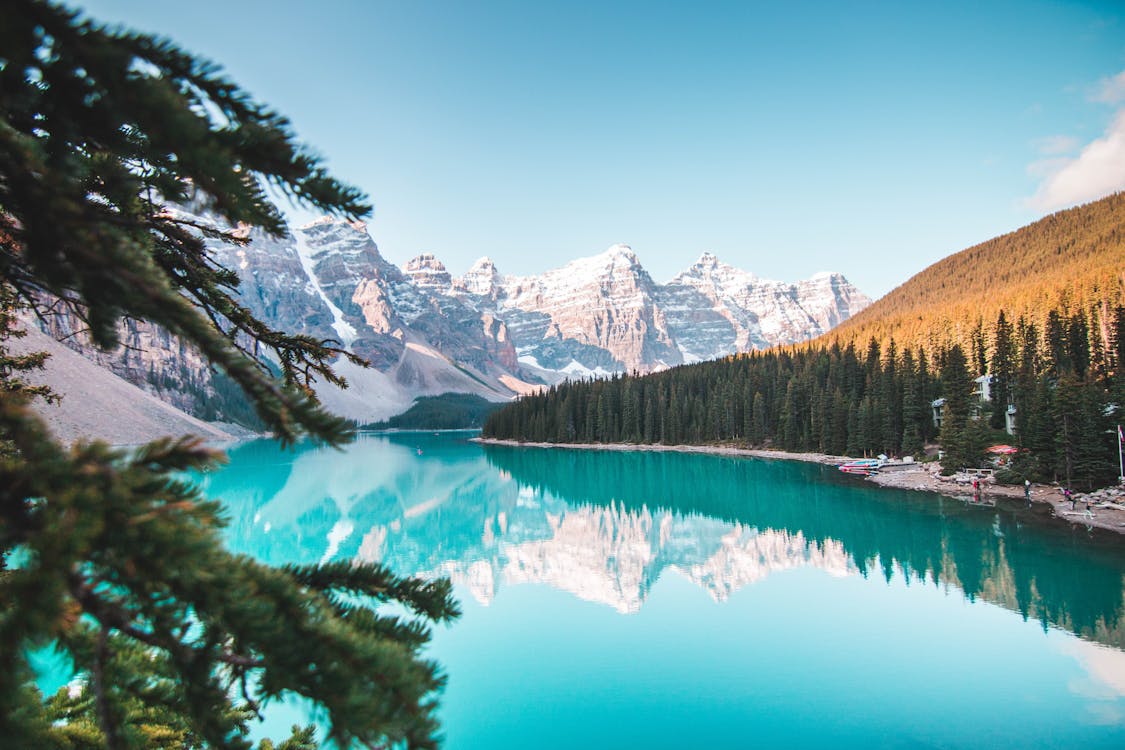
Chenot Palace Weggis, Switzerland: Set on Lake Lucerne with Alpine views, Chenot’s flagship property integrates cold water swimming in the lake with their signature detox and biohacking programs. Wild swimming sessions are guided by trained therapists.
Six Senses Svart, Norway: The world’s first energy-positive hotel, located above the Arctic Circle, offers cold water immersion in a glacial fjord paired with wellness programming inspired by Norwegian outdoor traditions.
Antarctic Polar Plunge: The Ultimate Cold Water Experience
For the extreme end of cold water immersion, several Antarctic expedition cruise operators offer the legendary “polar plunge” — a jump into Antarctic waters at approximately -1 to 1°C. Companies including Quark Expeditions, Hurtigruten, and Ponant include the plunge as part of their Antarctic itineraries.
The plunge is brief — typically thirty seconds to one minute — and supervised by expedition staff with rescue equipment at the ready. A rope around your waist prevents you from drifting. It is more symbolic than sustained, but the bragging rights are significant.
Cost context: Antarctic expeditions start at approximately $8,000 for an 11-day voyage from Ushuaia, Argentina. The plunge is included. See our adventure travel on a budget guide for financing strategies.
Safety Essentials for Ice Swimming Travel
Cold water immersion carries genuine risk. Cardiac arrhythmia, hypothermia, and cold water shock can all be fatal. Follow these non-negotiable safety protocols:
Medical Clearance
Anyone with cardiovascular disease, uncontrolled hypertension, Raynaud’s disease, or epilepsy should not attempt cold water immersion without explicit medical clearance. Get a check-up before your trip.
Progressive Acclimatization
Do not fly to Finland and jump into a 2°C lake on day one. Start with cool showers at home weeks before your trip. Progress to cold showers. If possible, practice open water swimming in progressively cooler water. Your body needs time to adapt.
Never Swim Alone
This is the cardinal rule. Cold water impairs cognitive function, motor control, and judgment. What feels like a manageable swim can become dangerous within minutes. Always have a spotter on shore or a buddy in the water.
Exit Strategy
Plan your warmth recovery before you get in the water. Have warm, dry clothing within arm’s reach. A thermos of hot drink. A sheltered spot out of the wind. Post-immersion drop (the phenomenon where your core temperature continues falling after you leave the water) is a real and dangerous risk. Warm up gradually — no hot showers immediately after, as the rapid temperature change can cause fainting.
Know Your Limits
In cold water, machismo kills. There is no shame in cutting a swim short. Experienced ice swimmers develop an acute awareness of their own thresholds. Until you develop yours, err dramatically on the side of caution.
For comprehensive pre-trip medical guidance, read our adventure travel health guide.
Gear for Cold Water Travel
Ice swimming requires minimal but specific equipment:
- Silicone swim cap (two layers): Up to 30 percent of heat loss occurs through the head
- Neoprene booties and gloves: Protect extremities without affecting swimming ability
- Goggles: Standard swimming goggles work; cold water makes contacts uncomfortable
- Tow float: High-visibility safety device for open water swims
- Thermometer: Water thermometer to verify conditions before entry
- Changing robe/dryrobe: Essential for post-swim warmth, windproof and insulated
For a complete gear overview, refer to our adventure travel gear guide.
Getting Covered: Insurance for Cold Water Activities
Standard travel insurance policies typically exclude cold water swimming and ice swimming. You will need an adventure sports rider or a specialist policy. In 2026, World Nomads and Faye Travel Insurance both offer policies that cover cold water swimming as an adventure activity. Verify coverage for your specific destination and planned activities before departure. Our travel insurance guide explains what to look for in a policy.
The Cold Water Community
What draws people to ice swimming is rarely just the physiological benefits. It is the community. Cold water swimmers form bonds quickly because they share a specific type of voluntary suffering. The post-swim warmth — literal and social — creates connections that transcend language and culture.
In Helsinki, strangers chat in saunas between plunges. In Cape Town, dawn swimmers share coffee and life stories on the beach. In Tromsø, the shared absurdity of swimming in an Arctic fjord at night creates instant camaraderie.
If you are considering your first cold water immersion trip, lean toward destinations with established communities. The support, encouragement, and practical wisdom of experienced swimmers will make your first plunge safer and infinitely more memorable. Cold water does not care about your fitness level, your nationality, or your Instagram following. It simply asks: are you willing to be uncomfortable? The answer, for a growing global community of swimmers, is a shivering, grinning yes.
Get the best ThrillStays tips in your inbox
Weekly guides, deals, and insider tips. No spam, unsubscribe anytime.