Kazakhstan Adventure Travel 2026: Steppe, Canyon & Mountain Guide
Explore Kazakhstan's steppe-to-summit playground in 2026. From Charyn Canyon heat to Tian Shan peaks, get safety tips, best windows, gear picks, and itineraries for an epic overland adventure.
This post may contain affiliate links. Disclosure
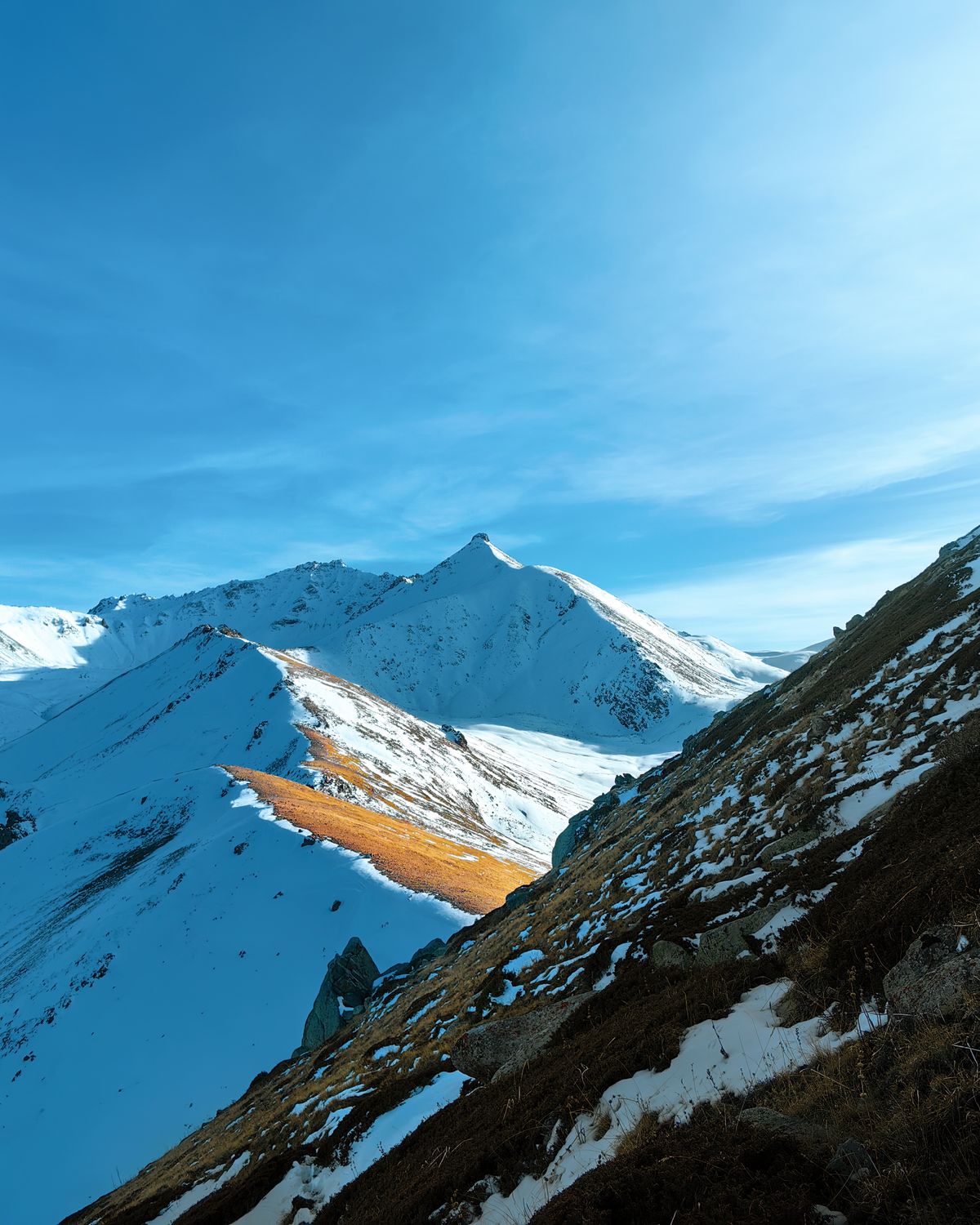
Kazakhstan may feel like a hidden continent, but its 2.7 million km² of steppe, canyon, and alpine terrain sit within a few hours of Almaty. In 2025 the country welcomed 7.5 million visitors—up 600,000 from the year before—proving that the world’s newest adventure frontier is already on the map. The U.S. State Department rates Kazakhstan Level 1 (normal precautions), the same baseline as France, so the risk profile is low; the real challenge is the sheer geographic diversity. From the scorching reds of Charyn Canyon to the icy winds of the Tian Shan peaks, you’ll need to plan for desert heat, alpine storms, and everything in between—plus a satellite communicator for the miles where cell towers vanish. Below is the definitive 2026 guide for climbers, trekkers, and overlanders who crave a steppe-to-summit odyssey.
Short answer: Kazakhstan’s 2.7 million km² of steppe, canyon and alpine terrain sit within a few hours of Almaty, and the country welcomed 7.5 million visitors in 2025, up 600,000 year on year. A single overland route links the Singing Barchan dune in Altyn-Emel, Charyn Canyon’s 300-metre walls, and the Tian Shan peaks.
Why Kazakhstan Is the Ultimate Steppe-to-Summit Playground
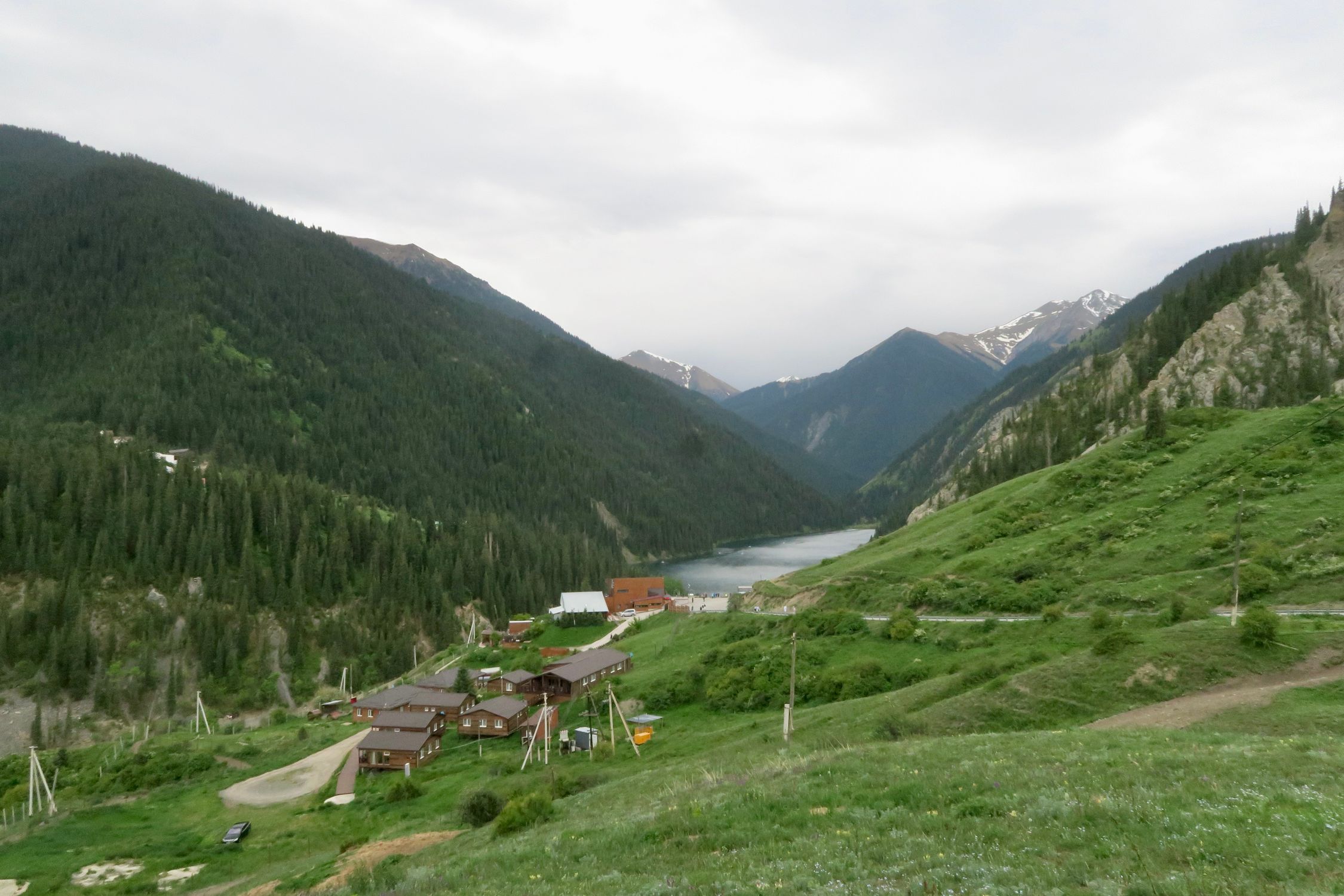
Kazakhstan’s land-bridge between Eurasian deserts and the high Pamir-like Tian Shan creates a rare “one-country, three-biome” experience. A single overland route can take you from the Singing Barchan Dune in Altyn-Emel (a 1.5 km-wide, 120-m-high sand organ) to the Castles Valley of Charyn Canyon, where 300-meter walls carve a red-gold labyrinth, and then up to Tourist Peak (3,954 m) in the Tian Shan for glacier-kissed sunrise. The diversity is not just scenic; it forces you to master steppe navigation, desert heat management, and high-altitude acclimatization—all within a 400-km loop centered on Almaty. That compactness keeps travel time low, fuel costs down, and the sense of remote wilderness high.
When to Go: Windows of Adventure
The optimal windows are May-June and September. In late spring, wildflowers carpet the steppe, rivers swell with meltwater, and temperatures hover between 10-20 °C in the valleys—ideal for multi-day treks. September offers stable weather, thinner crowds, and spectacular autumn foliage across the Altai. Summer (July-August) pushes canyon and desert highs above 40 °C, making daytime canyon hikes dangerous, while winter locks the high passes with deep snow, demanding technical mountaineering gear. Align your itinerary with these windows to balance comfort, safety, and photographic payoff.
Core Regions & Signature Experiences
1. Steppe & Desert: Altyn-Emel & Charyn
Altyn-Emel National Park spans 4,600 sq km—a mosaic of semi-arid steppe, ancient petroglyphs, and the Singing Dune that resonates when wind shifts dry sand. Early-morning hikes avoid the midday heat, and the dune’s acoustic phenomenon is best heard at sunrise when the sand is dry.
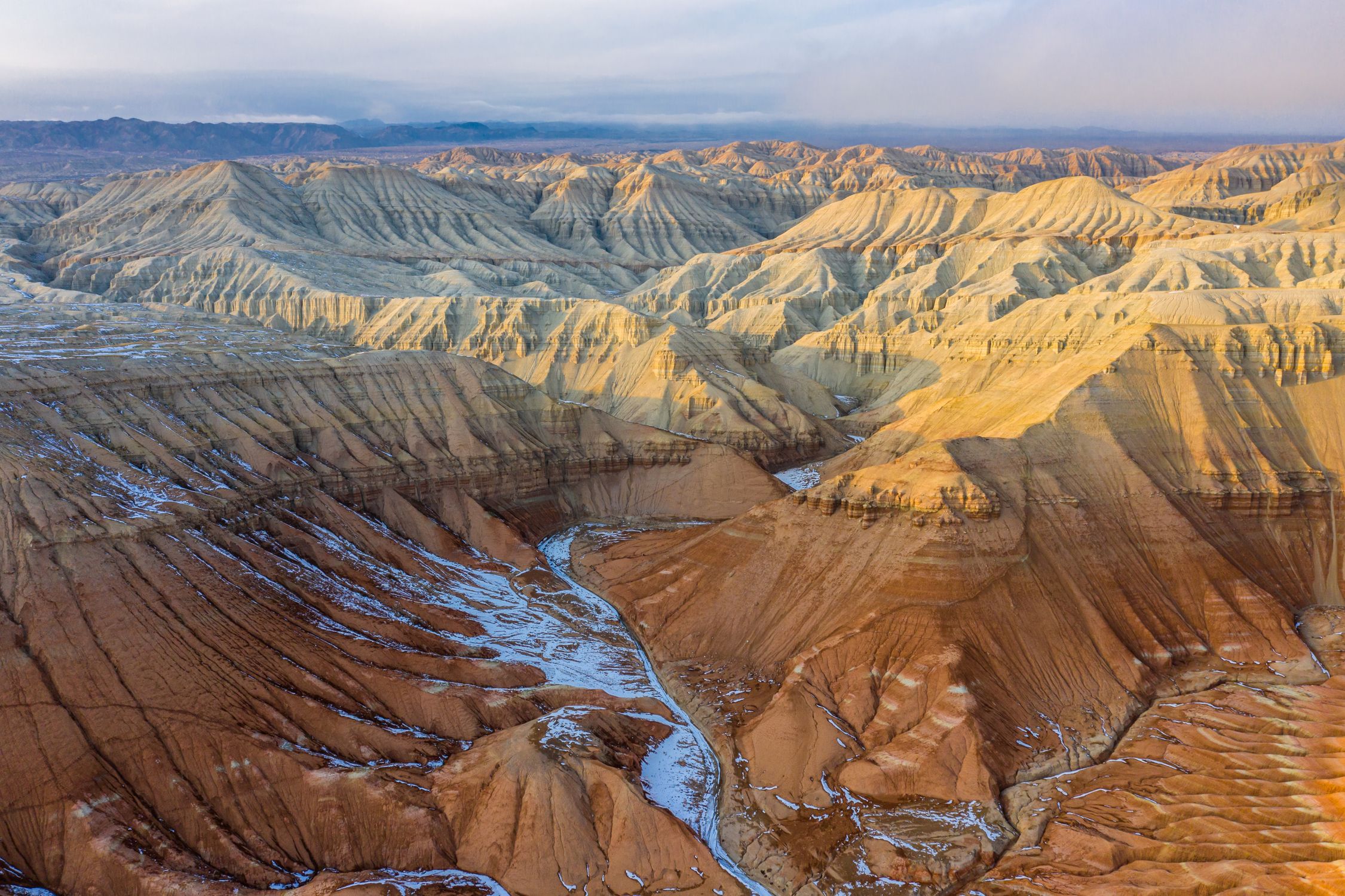
Charyn Canyon, 80 km east of Almaty, stretches 50 miles with walls up to 300 m. The Castles Valley corridor (2 km) offers dramatic rock formations that glow orange at sunset—perfect for a day-long canyon scramble followed by a night under the steppe stars.
2. Alpine Peaks: Tian Shan & Altai
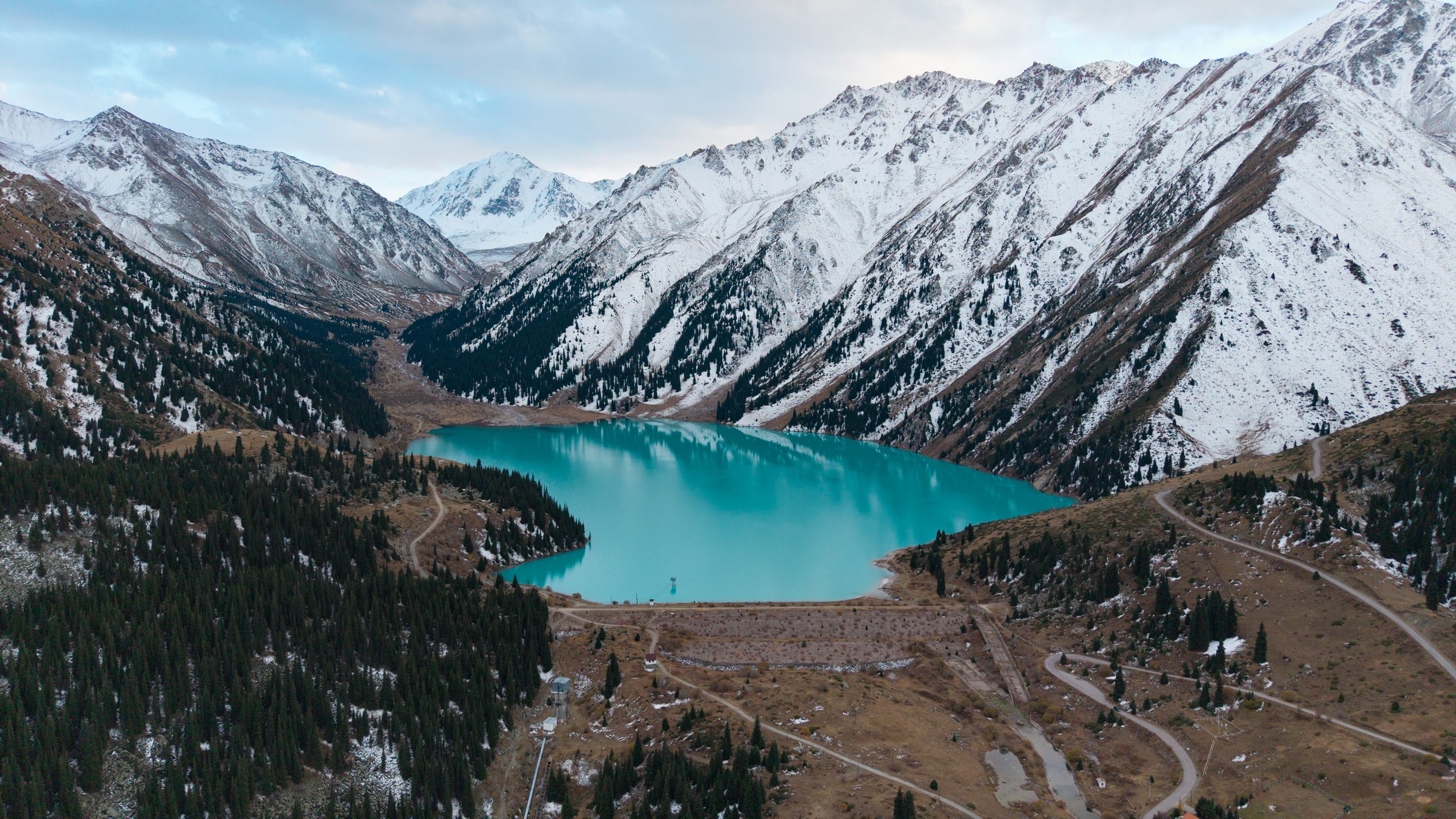
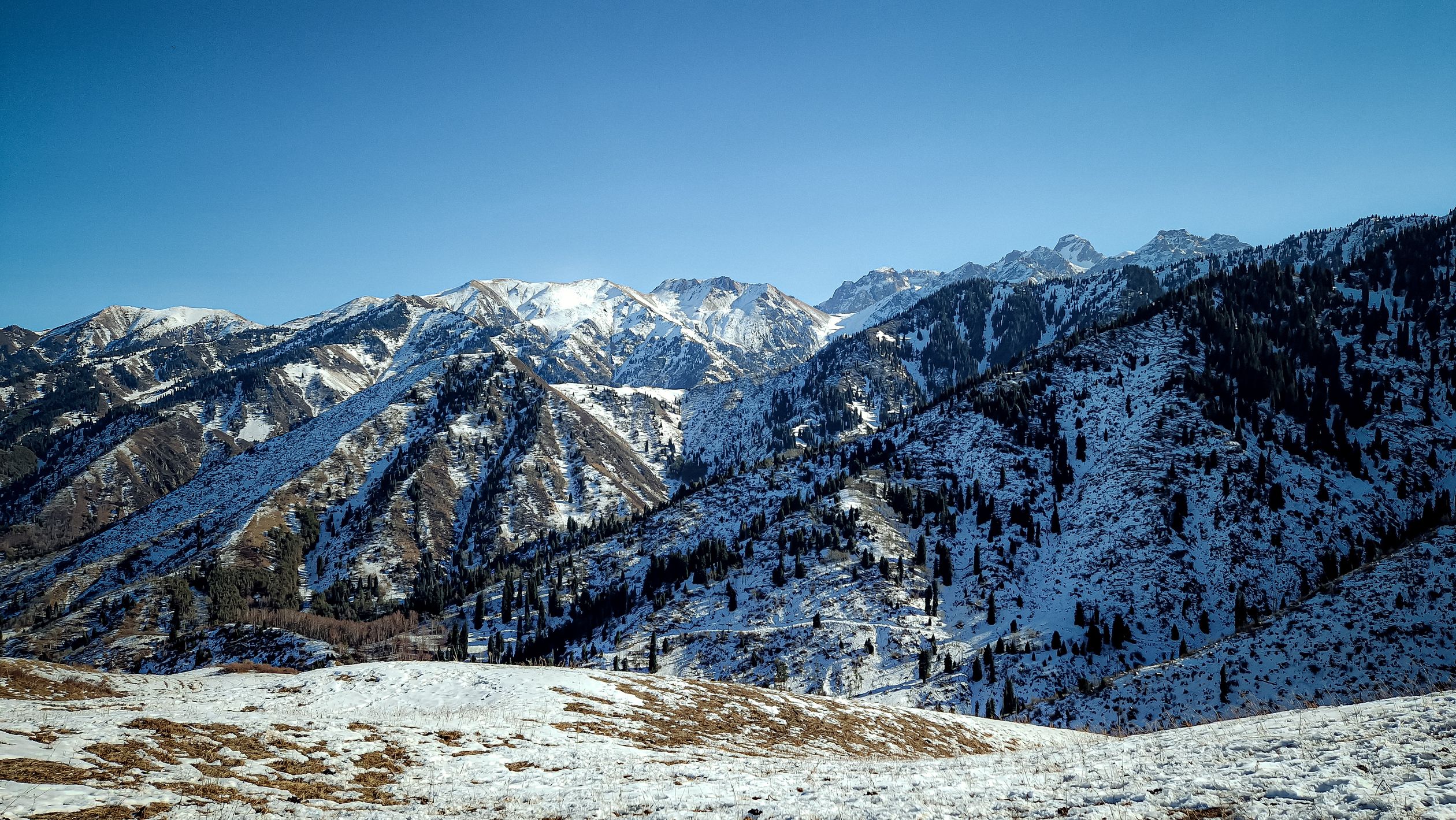
The Ile-Alatau National Park houses Big Almaty Lake (2,511 m) and the towering Big Almaty Peak (3,680 m). The lake supplies Almaty’s drinking water, so its turquoise waters are pristine. From the lake trail, you can launch into a multi-day ascent of Tourist Peak or the more demanding Nursultan (Komsomol) Peak (4,376 m) for technical climbing.
Further east, Katon-Karagay National Park in the Kazakh Altai blends taiga, alpine meadows, and steppe. It’s the only place in Kazakhstan where you can spot snow leopards and ibex on a single trek, making it a prime destination for big-cat enthusiasts and high-altitude wildlife watchers.
3. Lakes & Forests: Big Almaty & Beyond
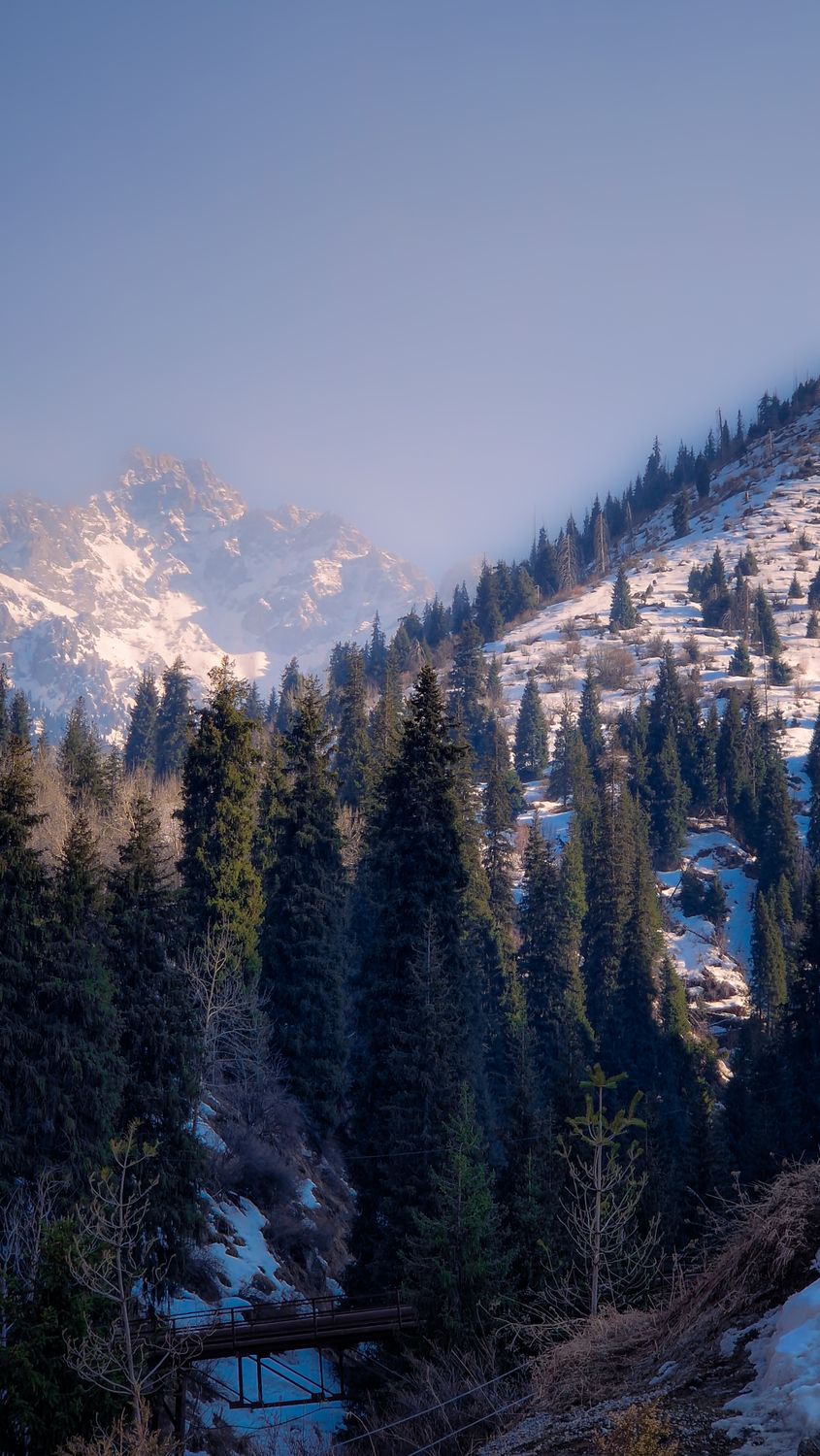
The alpine lake region provides a cooler base for acclimatization. Trails wind through conifer forests that turn powder-white in winter, offering a stark contrast to the desert reds. The Big Almaty Lake trail is a classic high-altitude day hike that can be extended into a 3-day loop with overnight bivouacs on the lake’s shoreline. For a curated list of routes across the country, the Kazakhstan hiking guide covers 12 trails with difficulty ratings and downloadable maps.
Logistics & Safety
Visa & Entry
U.S. citizens enjoy visa-free entry for up to 30 days per visit, with a cumulative 90-day allowance within any six-month period. For the full policy, see the U.S. Embassy Astana visa-free entry guide.
Health & Vaccinations
The CDC lists no mandatory vaccinations for Kazakhstan, but routine immunizations (MMR, tetanus, hepatitis A) are recommended. Review the latest health guidance on the CDC Traveler Health page for Kazakhstan before departure.
Travel Advisory
The U.S. State Department’s Level 1 advisory (normal precautions) places Kazakhstan on par with most European destinations. See the full Kazakhstan travel advisory for current details.
Communication & Emergency
Cell coverage fades beyond Almaty and Shymkent. For solo or remote groups, a satellite communicator is non-negotiable. The Garmin inReach Mini 2 offers two-way texting, SOS with 24/7 GEOS monitoring, and a 14-day battery in tracking mode—essential for the Altai backcountry where evacuation logistics are complex. Pair it with the Garmin Explore app for offline topo maps.
Local Currency & Costs
Kazakhstan’s tenge (KZT) trades at roughly 470-520 KZT per USD (May 2026), making food, lodging, and transport markedly cheaper than Western Europe. Tourism accommodation revenue rose 25% year-over-year in H1 2025, with nearly 4,500 sites nationwide, so a range of budget hostels to upscale yurts is available.
Gear Essentials for Remote Kazakhstan
When you’re miles from the nearest cell tower and the weather can swing from 40 °C desert heat to sub-zero alpine storms, the right gear is the difference between a triumphant summit and a forced retreat.
Backpack: Osprey Atmos AG 65L
- ASIN: B09JXJKBSG
- Buy: Amazon – Osprey Atmos AG 65L – Venturi Blue L/XL
- Price: $270-$310
- Specs: 65 L capacity, AntiGravity 3D-suspended mesh back panel, integrated raincover, Stow-on-the-Go trekking pole attachment, recycled main fabric, load rating 40 lb.
- Why it fits Kazakhstan: Multi-week treks across the Altai and Tian Shan demand a pack that can carry a full camp kit, water-filter, satellite communicator, and spare clothing. The AntiGravity suspension distributes weight on long alpine days, while the built-in raincover protects against sudden mountain storms.
Pros: Superior load distribution; robust warranty for remote repairs. Cons: Heavier than ultralight packs; fixed hip-belt sizing—try before you buy.
Satellite Communicator: Garmin inReach Mini 2
- ASIN: B09PSKG7C3
- Buy: Amazon – Garmin inReach Mini 2 – Orange
- Price: $349-$399
- Specs: 3.5 oz, Iridium two-way messaging, SOS with 24/7 GEOS monitoring, GPS/GLONASS/BeiDou, 14-day battery (tracking), IPX7 waterproof.
- Why it fits Kazakhstan: Cellular dead zones are common in Katon-Karagay and the remote sections of Charyn. The inReach Mini 2 gives you global texting and a reliable SOS that contacts rescue services directly, not just a flare.
Pros: True two-way global texting; SOS triggers live coordination. Cons: Subscription required; tiny screen makes typing slower.
Headlamp: Black Diamond Spot 400
- ASIN: B09NQK2581
- Buy: Amazon – Black Diamond Spot 400 – Graphite
- Price: $45-$55
- Specs: 400 lumens max, dimmable, waterproof IPX8, red night-vision mode, 3x AAA batteries (included), 100 m beam, 40 g weight.
- Why it fits Kazakhstan: Pre-dawn starts on Tian Shan peaks and night-time cave explorations in Turkestan limestone karst demand a bright, reliable light. AAA batteries are sold in Almaty bazaars, eliminating the need for USB charging in the field.
Pros: Powerful burst mode for technical terrain; batteries easy to replace. Cons: Full-brightness drains batteries quickly; lock can toggle unintentionally.
Sample Itineraries
8-Day Altai Alpine Loop (Katon-Karagay)
- Day 1-2: Fly into Almaty, acclimatize, pick up gear, and drive to Katon-Karagay base camp (approximately 250 km).
- Day 3-5: Trek the Taiga-Alpine Corridor, crossing alpine meadows at 2,800 m, spotting ibex and, with luck, a snow leopard. Camp on high-altitude grasslands; use the Osprey Atmos for a 30 L daypack and inReach Mini 2 for daily check-ins.
- Day 6: Summit Tourist Peak (3,954 m) via the classic route; start pre-dawn with the Black Diamond Spot 400 on red night-vision mode to protect night-adapted eyes.
- Day 7-8: Descend to the park’s ranger station, transfer back to Almaty for a recovery night.
3-Day Charyn Canyon & Singing Dune Expedition
- Day 1: Early drive from Almaty to Charyn (approximately 200 km). Hike the Castles Valley corridor at sunrise; capture the red sandstone glow. Camp on the canyon floor with a lightweight tarp.
- Day 2: Sunrise over the Singing Dune in Altyn-Emel; walk the 1.5 km crest to hear the sand “organ”. Use the Spot 400’s red mode to preserve night vision for stargazing.
- Day 3: Return to Almaty via a scenic mountain pass; optional stop at Big Almaty Lake for a quick alpine photo session.
5-Day Big Almaty Lake & Peak Traverse
- Day 1: Transfer to Big Almaty Lake trailhead; set up a high-altitude bivouac.
- Day 2: Ascend Big Almaty Peak (3,680 m) for sunrise; descend to the lake for a midday swim.
- Day 3-4: Continue onto the Khan Tengri ridge (4,144 m) for technical glacier travel—only for experienced alpinists.
- Day 5: Return to Almaty; celebrate with a traditional Kazakh beshbarmak feast.
Budget & Local Currency Tips
- Accommodation: Hostels in Almaty start at approximately 1,200 KZT per night; mountain huts range from 2,000-3,500 KZT, often payable in cash.
- Food: Street-food kebabs cost approximately 300 KZT; a three-course restaurant meal averages 2,500 KZT.
- Transport: Intercity buses run 150-300 KZT per 100 km; renting a 4x4 for a 400 km overland loop costs approximately 15,000 KZT per day, fuel approximately 450 KZT per 100 km.
- Currency Exchange: Exchange rates hover between 470-520 KZT/USD; withdraw cash at ATMs in Almaty for the best rates, and keep a small amount of cash for remote villages where cards are unsupported.
Tip: Use the local tenge for all market purchases; vendors often give a better price when you pay in cash rather than foreign currency.
Numbers That Matter: Why 2026 Is the Year to Go
Kazakhstan’s adventure tourism moment is now. A few data points that frame the opportunity:
- Visitor Growth: 7.5 million international arrivals in the first half of 2025 alone—a 600,000-person increase over the same period in 2024—confirms the infrastructure is scaling fast without yet reaching saturation.
- Accommodation Boom: Tourism accommodation revenue rose 25% year-over-year in H1 2025, reaching 151 billion tenge, as the number of registered accommodation sites neared 4,500 nationwide. Yurt camps near Katon-Karagay and trail-side guesthouses in the Ile-Alatau have doubled in the past two years.
- Low Competition: Outside Almaty, the trails remain uncrowded by global standards. A trekker on the Big Almaty Lake loop or in the Singing Dune corridor will encounter far fewer people than on comparable routes in Nepal or Patagonia.
- Favorable Currency: With KZT at 470-520 per USD in May 2026, a full day of guiding, meals, and a bunk costs a fraction of equivalent services in Central European alpine destinations.
- Tian Shan Reach: The mountain system extends over 2,500 km across four countries; Kazakhstan’s section alone spans from Almaty to the Chinese border, with Tourist Peak at 3,954 m and Nursultan (Komsomol) Peak at 4,376 m offering progressive difficulty for alpinists of all skill levels.
The window before mass-market adventure tourism arrives is narrow. 2026 is the year to move.

Final Thoughts
Kazakhstan delivers the rare thrill of stepping from scorching desert dunes into icy alpine summits without changing countries. With a Level 1 safety rating, visa-free access for U.S. travelers, and a growing network of budget accommodations, the logistical hurdles are low compared to the sheer scale of the adventure on offer. Pair the Osprey Atmos AG 65L, Garmin inReach Mini 2, and Black Diamond Spot 400 with solid planning, and you’ll be ready to chase snow leopards in the Altai, hike the red walls of Charyn, and stand atop Tian Shan peaks—all in one epic 2026 expedition.
Related Reading
Get price-drop alerts and new guides from BoldTripGuide
One email a week: price drops on the gear we recommend, new guides, and what changed. No spam, unsubscribe anytime.