Kyrgyzstan Adventure Travel Guide: Complete 2026 Edition
Complete Kyrgyzstan adventure guide for 2026 — horse trekking, yurt stays, Song-Kol Lake, Ala-Archa, Jyrgalan Valley, visa info, and costs.
This post may contain affiliate links. Disclosure
Updated for 2026 — Accurate as of February 2026.
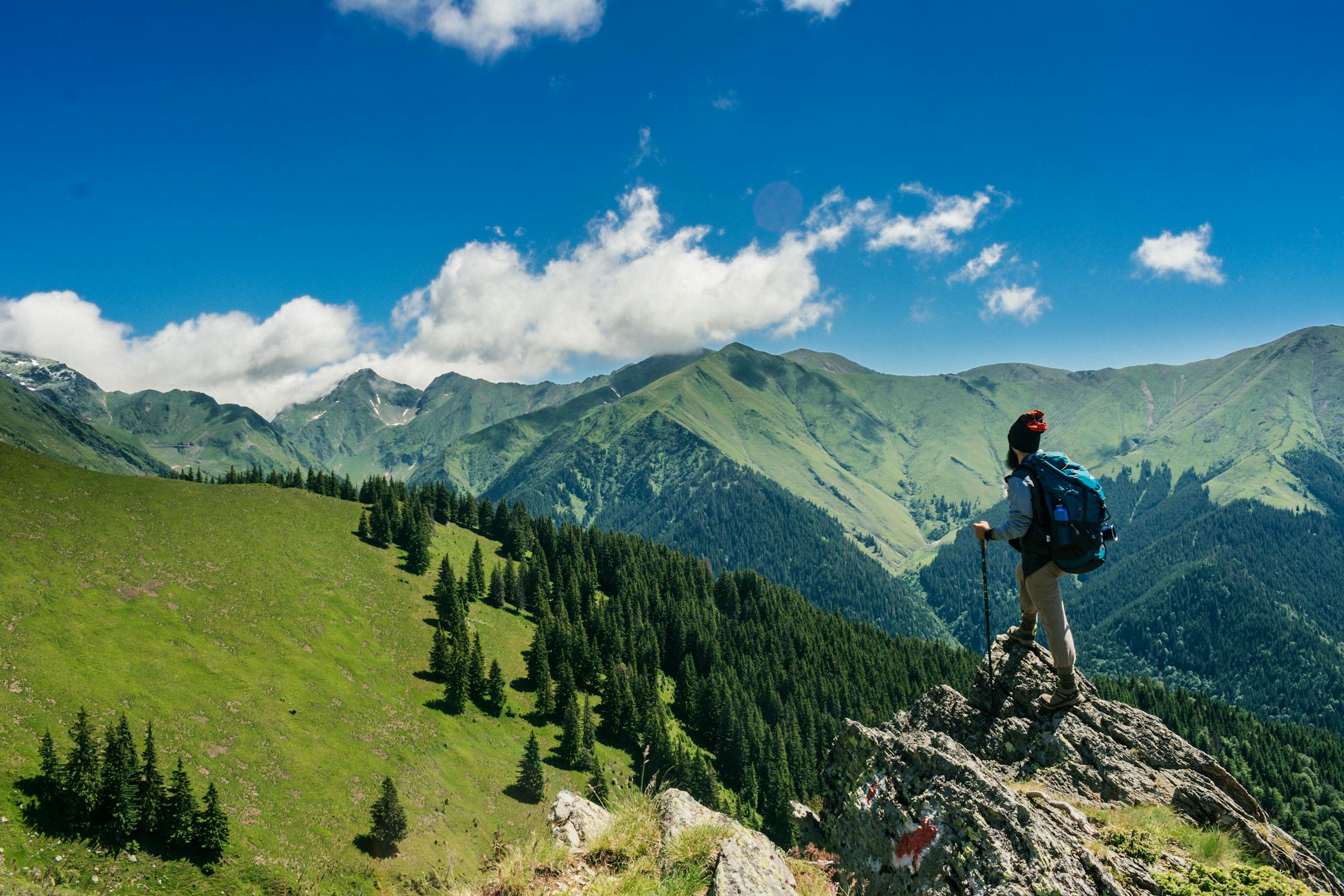
Kyrgyzstan is one of the world’s great undiscovered adventure destinations. A landlocked country in Central Asia bordered by Kazakhstan, China, Tajikistan, and Uzbekistan, it is a landscape of extreme contrasts: 94% mountainous, with 88 peaks above 5,000m, high-altitude lakes of extraordinary beauty, and the nomadic yurt-dwelling culture of the Kyrgyz people that has persisted largely unchanged for centuries. Despite its extraordinary offerings — genuine wilderness, authentic cultural encounters, and world-class hiking and horse trekking — it sees a fraction of the visitors who descend on neighboring destinations.
According to Kyrgyz tourism authorities, international arrivals grew by 31% in 2024, reflecting a growing awareness of the country’s tourism potential. Yet even with this growth, the backcountry remains genuinely uncrowded — a rarity in 2026 adventure travel. This guide covers the essential logistics, the best adventure experiences, and the cultural context you need to travel Kyrgyzstan confidently.
Key Takeaway: Kyrgyzstan is visa-free for citizens of 68 countries, including the USA, UK, EU, Canada, and Australia. No visa application, no cost, no hassle. This is one of the most traveler-friendly entry policies in Central Asia and significantly lowers the logistical barrier to visiting.
Before you pack, read our adventure travel gear guide for a mountain trekking checklist — layering systems, water filtration, and navigation tools are all covered. And given the remoteness of Kyrgyzstan’s backcountry, helicopter-evacuation travel insurance is not optional: our adventure travel insurance guide explains exactly what to look for.
When to Go: Kyrgyzstan’s Seasonal Windows
Kyrgyzstan’s high-altitude geography creates extreme seasonal variation. The comfortable travel window is June through September:
- June: Alpine flowers in bloom, rivers running high with snowmelt (affects some river crossings), temperatures pleasant at altitude
- July–August: Peak season — best weather, all jailoos (summer pastures) occupied by nomads, all passes open. Also the most visitors (still modest by global standards)
- September: Autumn colors, cooler temperatures, crowds diminish significantly, many nomads still at altitude before descent
- October–May: High passes close, many CBT (Community Based Tourism) guesthouses close, some regions inaccessible. Winter adventures (heli-skiing, snowmobile yurt trips) are possible for specialists
2026 Planning Note: Adventure tour spots in Kyrgyzstan are selling out earlier each season. If you plan to visit in July or August, book CBT yurt stays and horse treks by April at the latest.
Getting There
Fly into Bishkek (FRU): The capital’s Manas International Airport receives direct flights from Istanbul, Moscow, Dubai, Almaty, and Tashkent. From Europe: Turkish Airlines via Istanbul is the most reliable connection. From the US: typically one connection via Istanbul or Moscow.
Overland from Almaty, Kazakhstan: The Bishkek–Almaty road crossing (Chaldovar border, 5 hours total) is the most common overland entry. Shared taxis run regularly. Almaty is accessible from many more international destinations than Bishkek.
Internal transport: Marshrutka (shared minivan) networks connect all major towns but run on no fixed schedule. Private taxis are affordable (Bishkek to Karakol: $60–80 by private car, 4 hours). Renting a car with a driver is the most efficient option for itineraries covering multiple regions ($60–100/day all-inclusive).
Bishkek: Gateway and Base
Bishkek, Kyrgyzstan’s capital, is a Soviet-era planned city with wide boulevards, abundant parks, excellent cafés, and a lively restaurant scene that belies its Central Asian location. It is not a destination in itself but an excellent base for acclimatization, logistics, and accessing the nearby Ala-Archa National Park.
Essential Bishkek logistics:
- Money: Withdraw Kyrgyz som (KGS) from ATMs in Bishkek. Many guesthouses and CBT yurt stays are cash-only.
- SIM card: Beeline or O! SIM with data ($5–10 for 15–20GB) available at the airport and in town.
- Tour operators: CBT (Community Based Tourism) Kyrgyzstan has an office in Bishkek and coordinates yurt stays, horse treks, and guides across the country.
- Maps: Download maps.me with Kyrgyzstan installed offline before departure — reliable for trail navigation in most areas.
Ala-Archa National Park: Day Hikes From Bishkek
Ala-Archa National Park begins 40 km south of Bishkek in the Tian Shan foothills — a gorge of glaciated granite peaks that rises from 1,500m at the park entrance to 4,895m at the Semenov-Tianshansky summit. For visitors with limited time, it delivers world-class mountain scenery on day hikes accessible from the capital.
Best day hikes:
- Ak-Sai Waterfall (3 hours, 700m elevation gain): The most accessible hike, passing alpine meadows and a glacial stream to a dramatic waterfall base
- Ak-Sai Glacier (6–7 hours, 1,200m elevation gain): The benchmark Ala-Archa day hike, reaching the terminal moraine of the glacier with views of the Semenov peak
- Korona Hut (4–5 hours to the hut, plus technical climbing above): The mountain sports hut used by climbers attempting the Korona massif — reachable by strong hikers as an out-and-back
Practical details: Entry fee: KGS 150 ($1.70) per person. Hire a private taxi from Bishkek ($15–20 each way or round trip with waiting). The park has a small café at the entrance and a basic guesthouse. Hike in groups — the gorge above the glacier is avalanche-prone in winter and early spring.
Song-Kol Lake: The High-Altitude Nomad Lake
Song-Kol (Son-Kul in Kyrgyz transliteration) is a high-altitude lake at 3,016m elevation in the central Tian Shan — a vast oval of turquoise water surrounded by rolling high pastures where hundreds of Kyrgyz nomad families spend summer months in yurt camps. In July and August, the jailoos around Song-Kol are dotted with white yurts, grazing horses, and the sound of eagle owls and marmots. It is as close to a functioning nomadic landscape as the modern world offers.
Getting to Song-Kol: The lake is remote — no regular public transport reaches it. Options:
- Guided horse trek from Kochkor (2–3 days riding up)
- 4WD vehicle from Kochkor or Naryn (2–4 hours depending on route and conditions)
- CBT-organized transport from Bishkek or Karakol (full day)
Yurt stays at Song-Kol: CBT (cbtkyrgyzstan.com) coordinates yurt stays around the lake at standardized prices: approximately $30–45 per person per night, including three meals (traditional Kyrgyz food — laghman noodles, manti dumplings, fresh bread, and kymyz fermented mare’s milk). The yurts are genuine nomad dwellings, not tourist constructions.
Insider Tip: The Song-Kol horse games festival (Nomad Games regional events, typically August) include kok-boru (a traditional horse game using a goat carcass), mounted archery, and wrestling. Timing your Song-Kol visit to coincide with any local horse game event is extraordinary — ask CBT Kochkor for dates.
What to do at Song-Kol:
- Ride horses across the jailoos (CBT yurt camps provide horses for $10–15/hour)
- Hike the perimeter trail (2-3 days, camping with CBT yurts at intervals)
- Photograph sunrise over the lake when the mist lifts at 6–7 a.m.
- Learn felt-making from nomad women (CBT programs organize craft workshops)
Jyrgalan Valley: Kyrgyzstan’s Adventure Sports Hub
The Jyrgalan Valley, 30 km east of Karakol, has emerged in the past five years as Kyrgyzstan’s dedicated adventure sports hub — a development driven by a community tourism initiative that converted a dying Soviet coal mining town into a destination for mountain biking, hiking, and yurt-based adventure travel. The valley delivers access to some of the Tian Shan’s most dramatic terrain with a concentrated cluster of quality guesthouses and guides.
Activities in Jyrgalan:
- Mountain biking: Jyrgalan has established trail networks built specifically for adventure cycling, with a mix of singletrack, old mining tracks, and high-altitude ridge routes. Bike rental available locally.
- Multi-day hiking circuits: The Jyrgalan to Karakol traverse (3 days) crosses multiple 3,500m+ passes with yurt stays en route. The harder Jyrgalan–Englichek–Karakol circuit (5–7 days) reaches the base of the 7,439m Khan Tengri massif.
- Horse trekking: Guided horse treks into the surrounding valleys connect with Song-Kol and the Terskey Ala-Too range.
New Routes for 2026: Community guides have opened additional routes from Jyrgalan toward the Kol Ukok and Arslanbob regions, some through terrain so remote that few locals have traversed it. Ask at local guesthouses for the latest.
Accommodation: Multiple community guesthouses in Jyrgalan village offer clean rooms and excellent meals for $20–35/person/night (with meals).
Karakol: The Eastern Hub
Karakol, the main city of the Issyk-Kul region (4 hours east of Bishkek), is the best base for eastern Kyrgyzstan adventures. It has a functioning expat and tourism community, quality guesthouses, gear shops, and access to the following:
- Karakol Ski Resort: The biggest ski resort in Central Asia — limited by European or North American standards, but genuinely good terrain at reasonable prices ($20–30 for a day pass) in winter
- Altyn Arashan valley: A day-hike or horse-trek destination with natural hot springs at 3,000m elevation — excellent after multi-day hiking
- Issyk-Kul Lake: Central Asia’s largest lake and the world’s second-largest alpine lake (after Titicaca), 180 km long at 1,606m elevation. The southern shore is wilder and less developed than the heavily touristed northern shore.
Horse Trekking: Kyrgyzstan’s Signature Adventure
Horse trekking in Kyrgyzstan is not a tourist novelty — it is a continuation of a genuine nomadic tradition in a landscape designed by ten thousand years of horse culture. The Kyrgyz people have been horsemen since before recorded history, and every valley contains families who maintain herds and can organize multi-day treks into terrain inaccessible to vehicles.
Types of horse treks:
- Short treks (1–2 days): Accessible from major tourist hubs like Song-Kol, Kochkor, Karakol. Suitable for first-time riders.
- Multi-day circuits (3–7 days): Self-guided with CBT-arranged horse and guide, sleeping at CBT yurts. The Song-Kol circuit (3 days from Kochkor) is the benchmark.
- Expedition treks (7–21 days): Crossing multiple mountain ranges, from the Tian Shan to the Pamir approaches. Requires experienced riders and expedition-level planning.
Packing for horse treks: Dress in warm layers as riding at altitude feels colder than hiking. Wear long pants for saddle protection. Weather changes fast in the Tian Shan — always carry a waterproof shell and an extra insulation layer regardless of the forecast. See our adventure travel gear guide for a full mountain packing checklist.
The horses: Kyrgyz horses are small, hardy mountain horses — not the large warmbloods of European riding schools. They are sure-footed on mountain terrain but require an adjusted riding style (sitting more upright, shorter stirrups). Most guides can assess your riding level and match a horse appropriately.
Cost: CBT horse treks: $30–50 per person per day, including horse, guide, and accommodation. This extraordinary value is one of Kyrgyzstan’s most compelling tourist assets.
For a detailed companion guide on horse trekking specifically, including gear and technique for multi-day rides, see our Mongolia horse trekking guide, which covers many of the same principles applicable in Kyrgyzstan.
Budget Guide: How Much Does Kyrgyzstan Cost?
Kyrgyzstan is among the cheapest adventure destinations available to Western travelers. A comfortable daily budget:
| Category | Budget | Mid-Range | Comfortable |
|---|---|---|---|
| Accommodation (per person) | $8–15 (guesthouse dorm) | $20–35 (private room) | $50–80 (comfortable guesthouse) |
| Food (per day) | $5–10 (local cafés/CBT) | $15–25 (restaurants) | $30–50 (mixed) |
| Transport (per day) | $5–15 (marshrutka) | $20–40 (shared taxi) | $60–100 (private car+driver) |
| Activities | $10–20/day (guided hikes) | $30–50/day (horse trekking) | $80–150/day (multi-day guided) |
| Total daily | $28–60 | $85–150 | $220–380 |
A 10-day Kyrgyzstan adventure trip — including Song-Kol yurt stay, Ala-Archa hiking, Jyrgalan valley, and a Karakol base — costs approximately $800–1,500 per person excluding flights, making it one of the best adventure travel value propositions in the world.
Practical Safety and Health
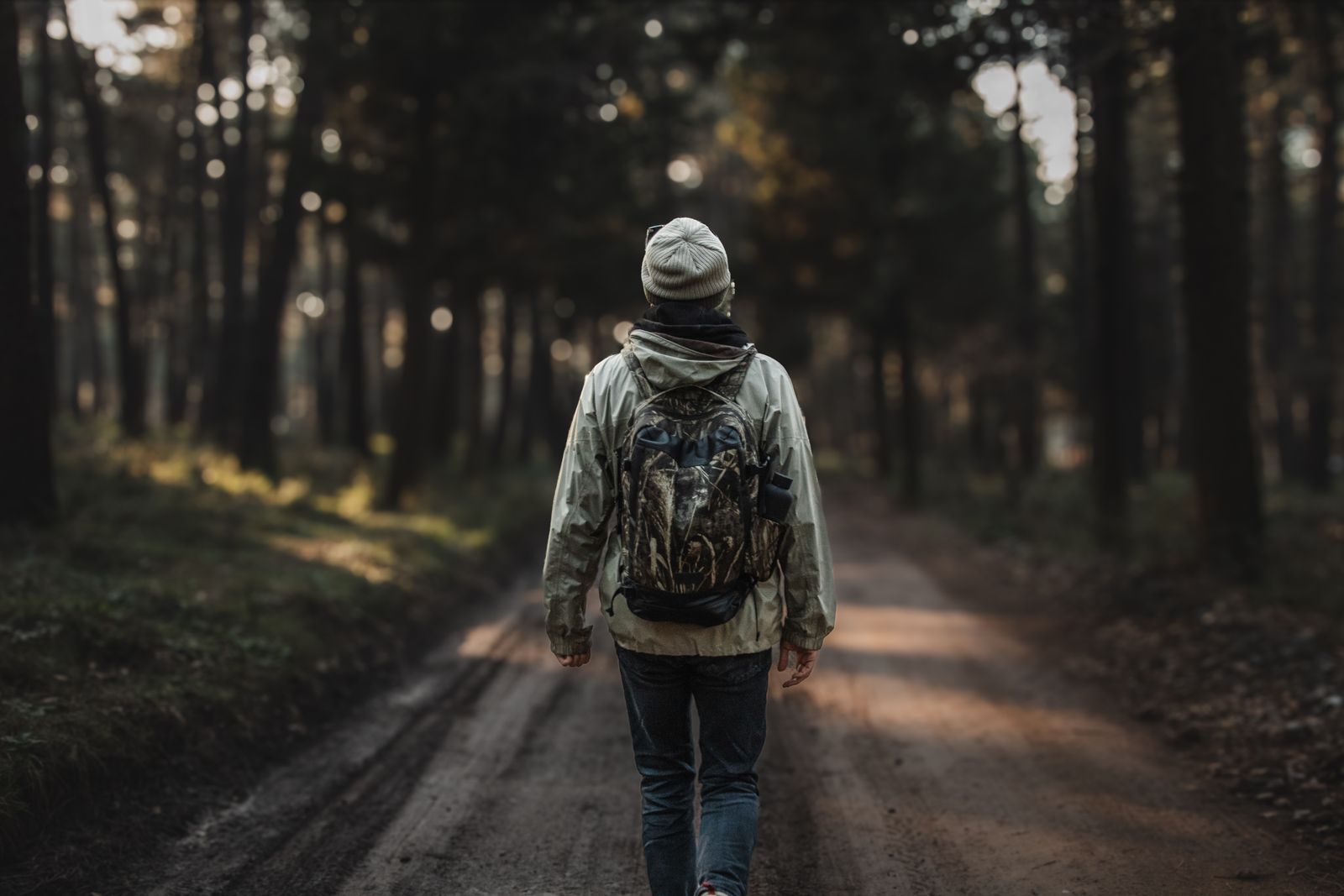
Altitude: Song-Kol sits at 3,016m; many trekking passes exceed 3,500m. Acclimatize by spending 1–2 nights in Bishkek (700m) before ascending directly to high altitude. The CDC’s altitude sickness guidance recommends ascending no more than 300–500m per day above 3,000m. Symptoms of AMS (headache, nausea, fatigue) require descent if they worsen.
Water: Boil or filter all water outside major towns. Katadyn or Sawyer Squeeze Water Filter filters are lightweight and effective. CBT guesthouses provide boiled water.
Medical: Basic healthcare is available in Bishkek and Karakol. Carry comprehensive travel insurance with helicopter evacuation coverage — the terrain is genuinely remote and ground evacuation can take days. Global Rescue provides evacuation memberships suited to Central Asian trekking.
Solo travel: Kyrgyzstan is safe for solo travelers, including solo women, in all major tourism areas. The CBT network provides a support structure that makes independent travel accessible. Inform your guesthouse of your planned route and expected return time for any backcountry hike or trek.
Essential Kyrgyzstan Apps and Resources
- maps.me: Best offline maps for Kyrgyzstan (download before departure)
- CBT Kyrgyzstan: Official community tourism booking portal
- Caravanistan (caravanistan.com): The most comprehensive Central Asia travel resource, updated regularly
Related Reading
Get the best ThrillStays tips in your inbox
Weekly guides, deals, and insider tips. No spam, unsubscribe anytime.