Mongolia Horse Trekking: Complete 2026 Steppe Guide
Horse trekking in Mongolia for 2026: Orkhon Valley, Khentii Mountains, Altai eagle hunters. Real costs, operator picks, visa rules, and gear list.

This post may contain affiliate links. Disclosure
Mongolia is the most sparsely populated country on Earth. Three million people inhabit a territory twice the size of Texas, and approximately 30 percent of them are still semi-nomadic herders, living in gers (yurts) and moving with their livestock across the steppe as their ancestors have done for thousands of years. For more, see our guide to best adventure travel apps. The landscape is vast, open, and almost completely undeveloped: rolling grasslands stretching to every horizon, mountains rising from the plains, rivers winding through valleys without a single bridge, and a sky so enormous that the word “big” does not begin to describe it.
Traveling through this landscape on horseback is one of the purest adventure experiences available anywhere in the world. The Mongolian horse is small, tough, semi-wild, and integral to Mongolian culture in a way that no domesticated animal is in the West. When you ride a Mongolian horse across the steppe, you are participating in a tradition that dates back to the Mongol Empire and beyond. Genghis Khan built the largest contiguous land empire in history from the back of a horse not unlike the one beneath you.
What Horse Trekking in Mongolia Actually Involves
This is not trail riding at a tourist ranch. Mongolian horse trekking is expedition travel on horseback through genuine wilderness, sleeping in gers or tents, eating simple camp food, and riding 20–35 km per day on horses that have their own opinions about pace, direction, and whether they feel like cooperating with their rider.
A typical day on a Mongolian horse trek:
6:00 AM: Wake up in your ger or tent. Temperature inside: maybe 5 degrees Celsius. Breakfast of bread, jam, butter tea (suutei tsai, an acquired taste), and whatever the cook has prepared.
7:30 AM: The wranglers catch and saddle the horses. This can take 30–60 minutes. Mongolian horses are semi-wild and are not always enthusiastic about being caught.
8:30 AM – 12:30 PM: Ride. The pace alternates between walking, trotting, and cantering across open grassland, through river valleys, and over mountain passes. The scenery is spectacular and the silence — broken only by hoofbeats, wind, and occasional birdsong — is profound.
12:30 PM: Lunch stop. Dismount (often with difficulty; Mongolian saddles are wooden and your body will be protesting). Eat by a river. Let the horses graze.
2:00 PM – 5:30 PM: Afternoon ride. The landscapes change gradually: grassland to forest to alpine meadow to river valley.
6:00 PM: Arrive at camp. A ger has been set up (or you pitch a tent). Wash in the river. Dinner of mutton, rice, and vegetables.
8:00 PM: Watch the sunset from the steppe. Stars emerge. The Milky Way is more vivid than you have ever seen it. Sleep.
Best Horse Trekking Routes
Orkhon Valley (7–10 Days)
The Orkhon Valley, a UNESCO World Heritage cultural landscape, is Mongolia’s most popular horse trekking route and for good reason. The valley traces the Orkhon River through grasslands dotted with nomadic ger camps, past the ruins of the ancient Mongol capital of Karakorum, and through forests and volcanic formations. The route typically starts near Karakorum (Kharkhorin) and heads south through the valley to the Orkhon Waterfall, then loops through the Khangai Mountains.
Distance: 150–250 km depending on route variation Duration: 7–10 days Difficulty: Moderate (long days in the saddle, basic camping, variable weather) Riding experience required: No prior experience technically required, but basic riding ability (comfortable at walk and trot) makes the experience significantly more enjoyable. Most operators offer a day or two of riding instruction before the trek begins. Cost: Guided treks from $80–$150 USD per day per person including horse, guide, cook, support vehicle, food, and camping/ger accommodation. A 10-day trek costs approximately $800–$1,500 USD. Best season: June through September (warmest, driest months)
Khentii Mountains (10–14 Days)
The Khentii Mountains in northeastern Mongolia are the birthplace of Genghis Khan and remain one of the most remote and pristine wilderness areas in Central Asia. Horse treks here pass through dense forests, across high alpine passes, and through valleys where the only inhabitants are herders with their livestock. Wildlife sightings — deer, wolves, eagles, marmots — are common.
This route is more challenging than the Orkhon Valley: the terrain is rougher, the distances greater, and the remoteness more absolute. There are no roads, no villages, and no cell service for days at a time. Stone Horse Expeditions runs a well-regarded 12-day Khentii circuit starting at $1,800 per person.
Distance: 200–350 km Duration: 10–14 days Difficulty: Challenging (remote, rough terrain, river crossings) Cost: Guided treks from $100–$180 USD per day Best season: July through August (shortest window due to later snowmelt)
Altai Mountains and Eagle Hunters (10–14 Days)
The Altai Mountains in western Mongolia border Russia, China, and Kazakhstan, and they are home to the Kazakh eagle hunters — the last large-scale practitioners of an ancient tradition of hunting with trained golden eagles. Horse treks in the Altai combine mountain scenery (glaciated peaks over 4,000m), cultural encounters with Kazakh nomads, and the possibility of witnessing eagle hunting demonstrations.
The Golden Eagle Festival, held annually in early October in Olgii, is a competition of eagle hunting skills that draws Kazakh hunters from across the region. Attending the festival and combining it with a horse trek through the Altai is one of the great adventure travel experiences in Central Asia. Discover Altai runs a 10-day horse trekking tour specifically incorporating Altai Tavan Bogd National Park, starting at approximately $2,200 per person.
Distance: 150–300 km Duration: 10–14 days Difficulty: Challenging (altitude, remote terrain, cold temperatures) Cost: Guided treks from $120–$200 USD per day Best season: July through September for horse trekking. Early October for the Golden Eagle Festival.
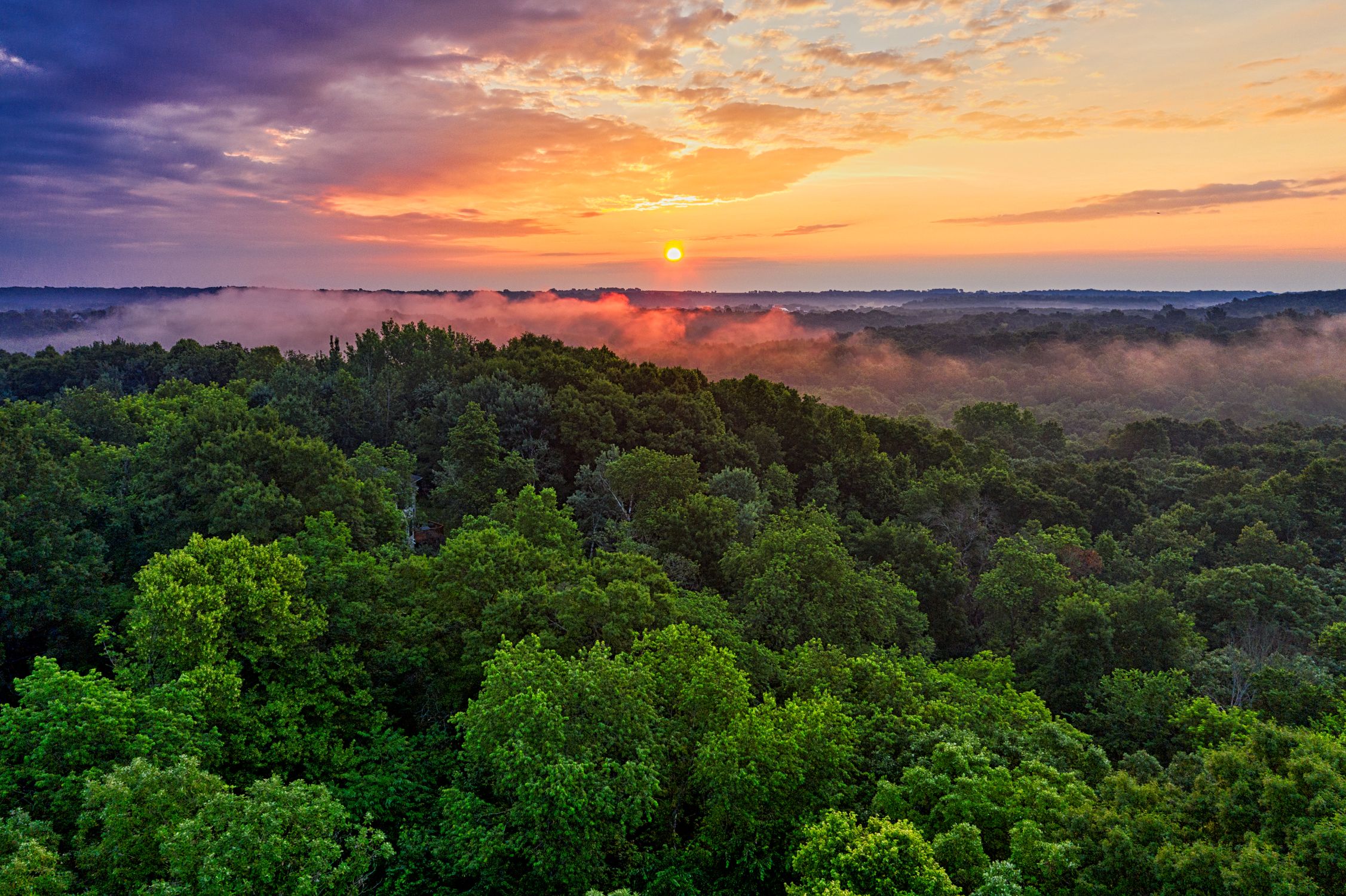 Photo credit on Pexels
What to Know Before You Go
Fitness and Riding Ability
You do not need to be an experienced rider, but you do need to be physically resilient. Spending 6–8 hours per day on a wooden saddle on a horse with a rough gait is genuinely demanding. Your legs, back, core, and shoulders will all hurt for the first three days. After that, your body adapts. Some preparation helps:
- Ride before you go. Even a few riding lessons at home will help you develop basic balance and control.
- Core and leg strength. Squats, lunges, and core exercises for 4–6 weeks before the trip.
- Stretching. Your hip flexors and inner thighs will be the first muscles to protest. Stretch them daily in the weeks before your trip.
Mongolian Horses: What to Expect
Mongolian horses are small (13–14 hands, roughly pony-sized), stocky, tough, and semi-wild. They are not trained to respond to subtle leg aids or rein cues like Western riding school horses. They respond to a combination of rein pulling, leg kicking, and the Mongolian verbal command “choo” (go). They can be stubborn, spooky, and willful. They can also be incredibly surefooted, tireless, and willing over terrain that would stop a larger horse.
Do not expect to choose your horse. Your guide will assign you a horse based on your size and ability. Trust their judgment. They know these horses.
Accommodation and Food
On most treks, you stay in a combination of gers (at nomadic family camps) and tents (in wilderness areas). Ger accommodation is basic but comfortable: a warm stove, mattresses on the floor, and the hospitality of the nomadic family. Tent camping is more exposed but the scenery is usually worth it.
Food is simple and meat-heavy. Mutton is the staple, prepared boiled, fried, or in dumplings (buuz). Rice, noodles, and bread are common accompaniments. Vegetables are limited. If you have dietary restrictions, communicate them clearly to your operator well in advance. Vegetarian treks are possible but require planning.
Weather and What to Pack
Mongolia’s continental climate produces extreme temperature variations. In July and August (peak season), daytime temperatures can reach 30 degrees Celsius on the steppe, but nights can drop to 5 degrees or lower, especially at altitude. Rain is possible at any time. Bring layers for every condition:
- Waterproof riding trousers (not jeans — wet denim on a wooden saddle is misery)
- Merino wool base layers for cold nights
- Warm fleece mid-layer (Patagonia R2 or equivalent)
- Waterproof shell (Arc’teryx Zeta SL or similar packable option)
- Buff/balaclava for wind on exposed passes
- Sunscreen and sunglasses — the steppe offers zero shade and 100% UV exposure
- Sleeping bag rated to -10°C (even in summer, altitude camps get cold)
- Saddle padding or seat saver — a gel seat cover can be the difference between a completed trek and a medical evacuation
Beyond Horse Trekking: Other Mongolia Adventures
Gobi Desert
The Gobi Desert in southern Mongolia is a vast, austere landscape of sand dunes, dinosaur fossil sites, and mountain oases. The Khongoriin Els (Singing Dunes) are Mongolia’s largest sand dunes, stretching 100 km across the desert. Ride camels to the base of the dunes, climb to the ridgeline (a strenuous 2-hour scramble in soft sand), and listen to the eerie humming sound the sand makes in the wind.
Activities: Camel riding, dune climbing, visiting the Flaming Cliffs (Bayanzag, a major dinosaur fossil site), visiting ice canyon Yolyn Am Cost: Guided Gobi tours from $80–$120 USD per day per person (3–5 day tours) Best season: May through October
Kayaking and Rafting
The Tuul, Hovd, and Chuluut rivers offer kayaking and rafting through remote canyons and steppe landscapes. Multi-day river trips (3–7 days) are organized by a handful of specialist operators. See our guide to whitewater kayaking epic rivers for what to expect from multi-day river expeditions.
Comparison: Mongolia Horse Trekking Routes
| Route | Duration | Difficulty | Cultural Encounters | Scenery | Cost/Day |
|---|---|---|---|---|---|
| Orkhon Valley | 7–10 days | Moderate | High (nomadic families) | Grassland, river valley | $80–$150 USD |
| Khentii Mountains | 10–14 days | Challenging | Low (very remote) | Forest, alpine | $100–$180 USD |
| Altai Mountains | 10–14 days | Challenging | High (Kazakh eagle hunters) | Mountain, glacier | $120–$200 USD |
Practical Information
Visa (2026 Update): In 2026, the Mongolian Government provides visa exemptions for stays up to 30 days for 34 countries. US citizens can stay up to 90 days without a visa. Most EU, UK, Australian, and Canadian passport holders qualify for the 30-day visa-free entry. Check the latest requirements at the US State Department’s Mongolia page. Your passport must be valid for at least six months after arrival.
Getting there: Fly to Ulaanbaatar (UBN) from Seoul, Beijing, Moscow, or Istanbul. Direct flights from Seoul (Incheon) are typically the most affordable option from North America — budget $700–$1,200 round trip via Seoul.
Health: No mandatory vaccinations, though the WHO recommends ensuring routine immunizations are current. Bring a comprehensive first-aid kit as medical facilities outside Ulaanbaatar are limited to nonexistent. Travel insurance with medical evacuation coverage is essential — a helicopter evacuation from the Khentii wilderness costs $15,000–$40,000 without coverage.
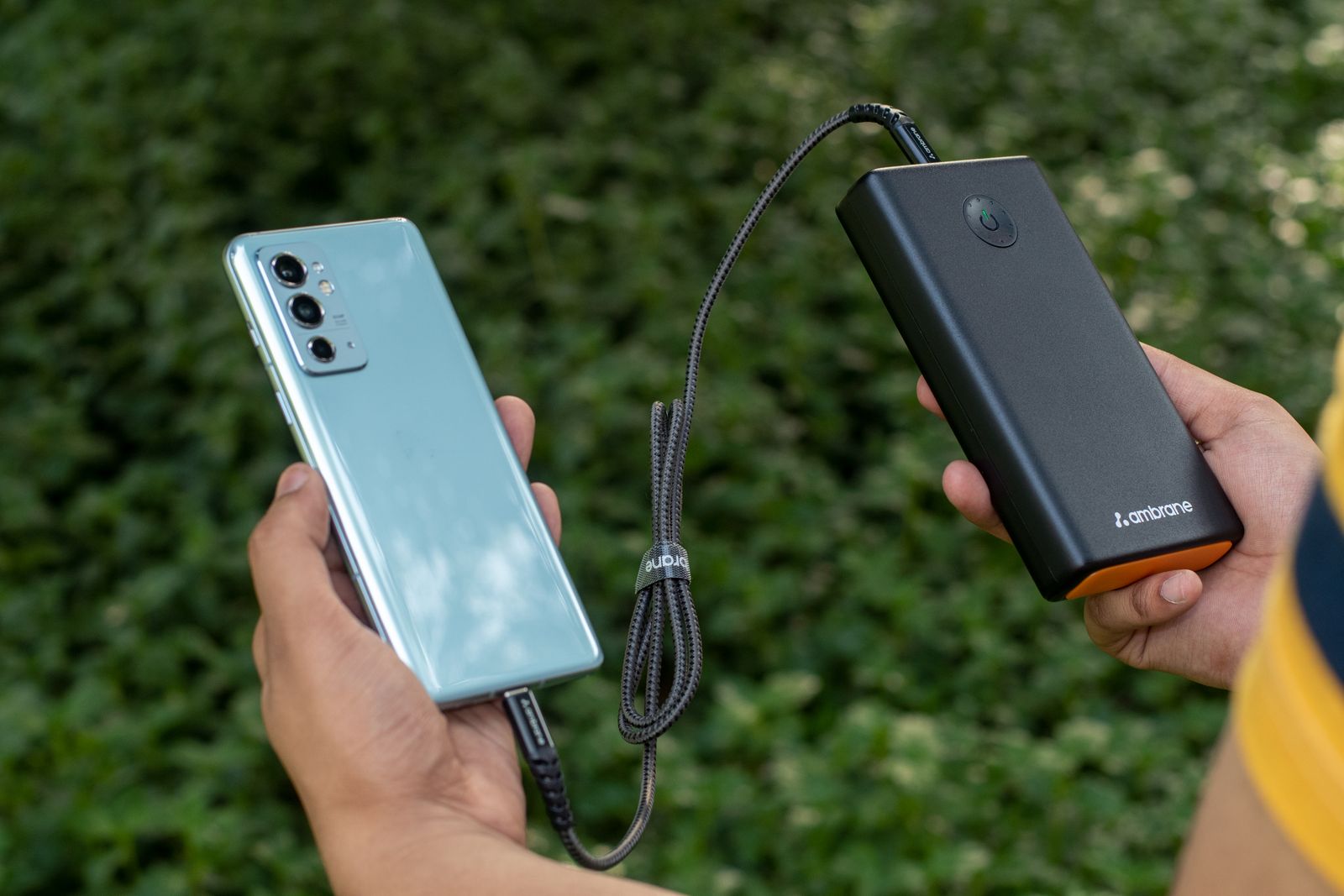
Communication: Cell service exists in Ulaanbaatar and major towns but disappears entirely in the countryside. Carry a Garmin inReach Mini 2 ($349) or similar satellite communicator. An annual subscription ($14.95/month) provides two-way texting and SOS capability anywhere on the steppe.
Currency: Mongolian tugrik (MNT). ATMs in Ulaanbaatar. Bring USD or euros as backup — easily exchanged in the city. Outside Ulaanbaatar, cash is the only option; bring enough for your entire trek plus contingency.
Budget: Mongolia is affordable once you arrive. In Ulaanbaatar: hostels $10–$15 USD per night, meals $3–$5 USD. The guided trek cost ($80–$200 USD per day all-inclusive) is the dominant expense.
Best time to visit: July through August for the warmest weather and the Naadam Festival (July 11–13 in Ulaanbaatar). June and September are cooler but less crowded.
The Naadam Festival: Mongolia’s Adventure Spectacle
If your travel dates are flexible, plan your trip around the Naadam Festival (July 11–13). Naadam is Mongolia’s most important cultural celebration, a festival of the “three manly sports” (despite women now competing in two of the three):
Wrestling: Hundreds of wrestlers compete in an elimination tournament using traditional Mongolian wrestling rules — no time limit, no weight classes, first to touch the ground with anything other than a foot or hand loses. The wrestlers wear tiny costumes (allegedly to ensure no women compete historically) and perform eagle dances before and after each bout.
Horse racing: Not like Western horse racing. Mongolian horse races cover 15–30 km across the open steppe, ridden by children aged 5–12 (lighter riders mean faster horses). The finish is chaotic and thrilling, with hundreds of horses galloping across the grassland toward the crowd.
Archery: Competitors shoot at rows of small leather cylinders from 75 meters (men) or 65 meters (women), using traditional Mongolian composite bows. The judges announce hits with a distinctive singing chant.
The main Naadam takes place in Ulaanbaatar’s national stadium, but smaller, more intimate local Naadams are held throughout the countryside. If your horse trek coincides with a local Naadam, you may find yourself drinking airag (fermented mare’s milk) with nomadic families while watching wrestling matches on the steppe — one of the most genuine cultural exchanges available to a traveler anywhere in the world.
Choosing a Tour Operator
Mongolia’s tourism industry is developing rapidly, and the quality of operators varies significantly. Choose well:
- Use operators with their own horses and equipment. Some operators subcontract to local families, which is fine for cultural immersion but can result in inconsistent quality. The best operators maintain their own herd and equipment.
- Check reviews on independent platforms (TripAdvisor, Google, iOverlander forums). Pay attention to reviews mentioning horses’ condition, food quality, and the guide’s English and knowledge.
- Ask about the guide-to-guest ratio. You want at least one guide per 4–5 guests, plus a cook and a wrangler. Larger groups without sufficient staff create safety and quality issues.
- Confirm what is included. A good all-inclusive quote covers horses, guide, cook, camp setup, food, drinking water, and emergency communication. Transport to and from Ulaanbaatar may or may not be included.
- Recommended operators for 2026: Stone Horse Expeditions, Sunpath Mongolia, Nomadic Journeys, Stepperiders, Discover Altai (Altai-specific), Horse Trek Mongolia (three decades operating).
For more remote expedition-style adventures in the region, see our Kyrgyzstan adventure travel guide — the other great Central Asian horse culture destination — and our overlanding Africa safari guide for a continent-level comparison of off-grid wilderness travel. If you’re weighing Mongolia against other remote destinations, check our adventure travel on a budget guide for strategies to extend your trip.
Get the best ThrillStays tips in your inbox
Weekly guides, deals, and insider tips. No spam, unsubscribe anytime.