Packrafting Beginners Guide 2026: Gear, Routes & Skills
Start packrafting in 2026 with the right gear. Alpacka, Kokopelli models reviewed, best beginner routes in Alaska, NZ, Colorado. Full cost breakdown included.

This post may contain affiliate links. Disclosure
Updated for 2026 — Accurate as of February 2026.
Packrafting sits at the intersection of whitewater kayaking and ultralight backpacking. A small, packable inflatable raft weighing 1–3 kg allows hikers and backpackers to cross rivers safely, descend remote whitewater sections, and link hiking routes that would otherwise require days of inland detour around water obstacles. The concept has been practiced by wilderness guides and military units for decades, but it entered the mainstream adventure market when Alpacka Raft (founded in Mancos, Colorado) began selling purpose-built packrafts commercially in 2002.
In 2026, packrafting is one of the most interesting niches in adventure travel — small enough that the packrafting community remains tight-knit and genuine, large enough that dedicated gear manufacturers, established instructional programs, and well-documented trip reports make it accessible to newcomers. The gear has improved dramatically: modern packrafts are lighter, more rigid, and more capable than their ancestors, with self-bailing whitewater models capable of Class IV rapids in skilled hands.
Key Takeaway: A packraft transforms a hiking or bikepacking trip into a multi-modal adventure. Where a hiking route reaches an impassable river or a road ends at a lake, a packraft creates a solution. This route-connecting capability is what makes packrafting genuinely unique among outdoor activities.
What Is a Packraft? Key Concepts
A packraft is a single-person inflatable raft designed to be carried in a backpack when not in use. They share the same air-over-water physics as whitewater kayaks and canoes, but the high-buoyancy, rounded-hull design makes them more stable and more forgiving for beginners. The trade-off is speed — packrafts are slower than kayaks on moving water and considerably slower on flat water.
Packraft types:
- Flatwater/whitewater hybrid (most common for beginners): Capable of Class II–III whitewater, handles lake crossings and slow rivers comfortably. The Alpacka Classic and Kokopelli Nirvana fall here.
- Whitewater specific: Lower-volume hull, spray deck (sealed cockpit), thigh straps, and self-bailing floor for Class III–V rapids. The Alpacka Gnarwhal and Kokopelli Rodeo are the 2026 models.
- Cargo-capable: Wider beam for carrying a loaded hiking pack, often with a cargo fly on the bow. The Alpacka Expedition and Kokopelli Rogue are established options.
- Flatwater expedition: Purpose-built for coastal and lake travel with kayak-like tracking. Alpacka’s new 2026 Aleutian model ($2,150) bridges the packraft-to-sea-kayak gap.
- Bikerafting: Extra bow space to strap a bicycle. Alpacka’s Expedition model and Kokopelli’s Rogue Lite are purpose-built for this use.
If your main interest is flat-water touring rather than whitewater, a dedicated inflatable stand-up paddleboard may be a better fit — see our 2026 roundup of the best inflatable SUPs for travel for how the leading boards compare on tracking, packability, and expedition readiness.
The Gear: Alpacka, Kokopelli, and Beyond
The packraft market is dominated by two American manufacturers that genuinely compete on quality. A third tier of budget alternatives exists from brands like LiteWater Packrafting but is not suitable for technical whitewater. For a comprehensive field-tested breakdown of the top models at every price point, see our best packrafts for travel guide.
Alpacka Raft (alpackaraft.com)
Alpacka is the pioneer — the brand that created the modern packraft market. Their rafts are made in Mancos, Colorado, from 210-denier nylon laminate with welded seams. Alpacka rafts are widely considered the benchmark for durability and whitewater performance.
2026 lineup:
- Alpacka Classic ($850): The standard beginner packraft. Simple, light (950g), capable of Class II–III.
- Alpacka Gnarwhal ($1,150): Full spray deck, self-bailing floor option, thigh straps — for serious whitewater up to Class IV.
- Alpacka Expedition ($1,500–1,785): Wide cargo bow, coaming, spray deck, deck lash points — the bikepacking/expedition model. Updated for 2026 with revised bow geometry.
- Alpacka Aleutian ($2,150): New for 2026. Coastal sea-kayak hybrid with Cargo Fly zipper, 12-pound build, designed for multi-day coastal expeditions. Best tracking of any packraft on the market.
- Alpacka Zephyr: New for 2026, lighter day-trip focused model positioned between Classic and Expedition.
Kokopelli (kokopelliraft.com)
Kokopelli produces packrafts at a slightly lower price point than Alpacka with comparable performance. Their manufacturing is in Colorado (assembled) with materials from Korea. The 2026 lineup adds one significant new model.
2026 lineup:
- Kokopelli Nirvana ($699): Beginner/intermediate, no spray deck, 1.2 kg, excellent value entry point.
- Kokopelli Rogue Lite ($999): With bow cargo attachment, good for lightweight bikerafting.
- Kokopelli Rodeo: New for 2026, whitewater specialist with fully inflatable I-beam floor that stiffens the hull and adds rocker — significantly better performance in Class III–IV than previous Kokopelli models.
- Kokopelli Moki ($1,350): Full expedition setup with spray deck, self-bailer, and cargo capacity.
Essential Accessories
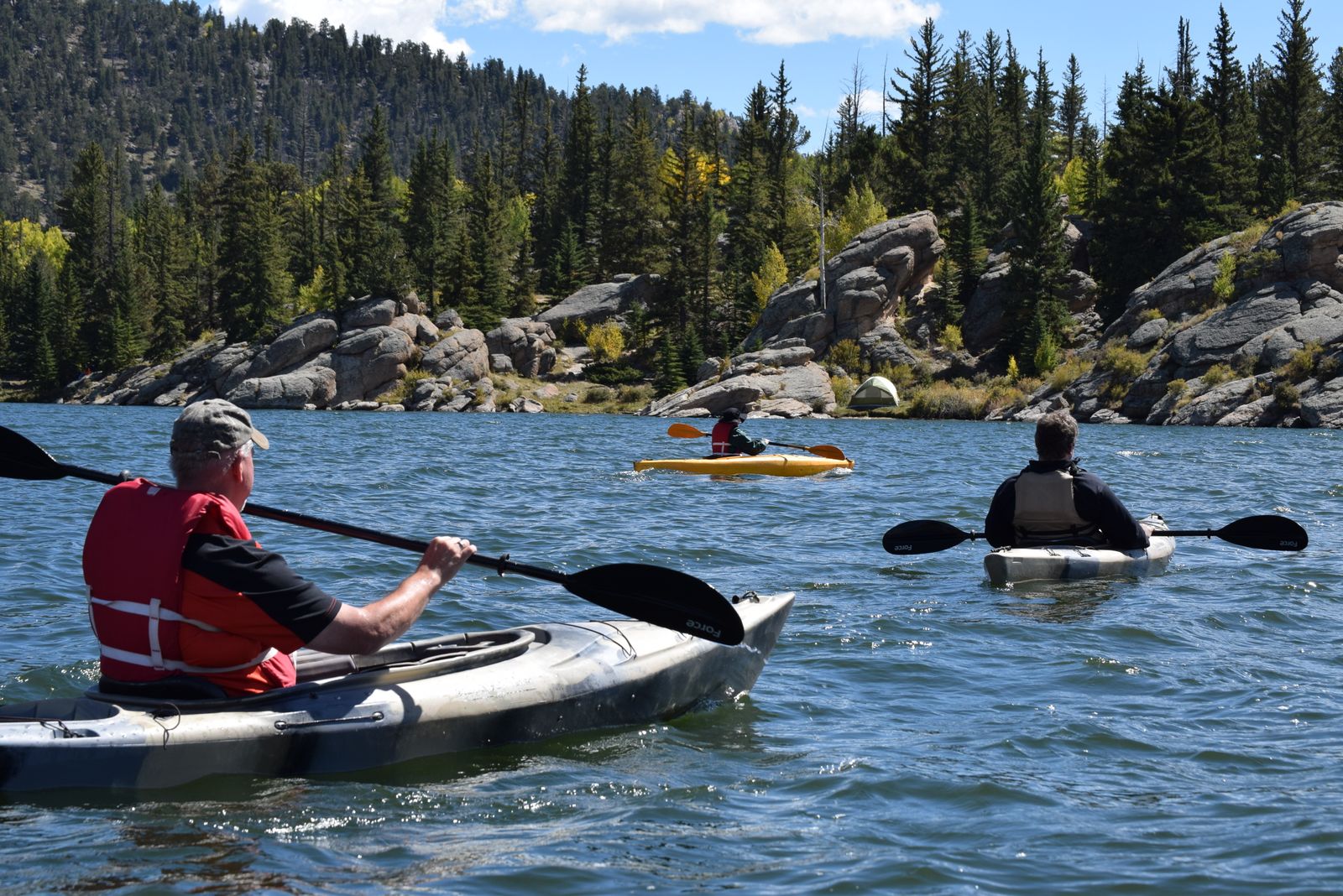
The packraft alone is insufficient — you need a complete safety and propulsion kit:
- Paddle: A packrafting paddle must pack small. The standard choice is a collapsible 4-piece carbon paddle (Aqua-Bound Manta Ray Carbon, $220, or Werner Rio, $280).
- Personal Flotation Device (PFD): Non-negotiable on any moving water. The US Coast Guard requires PFDs on all watercraft. A low-profile whitewater PFD (Astral GreenJacket, $170, or NRS Ninja, $130) is the standard.
- Helmet: Required for any water above Class II. A whitewater helmet (WRSI Moment, $130) protects against rock strikes.
- Dry bag: To keep clothing and gear dry inside the raft. Sea to Summit Hydraulic Dry Bag packs small enough to fit in the bow. Choosing the right waterproof bag for your raft setup matters — see our best dry bags for adventure travel for tested picks across every size and use case.
- Inflation system: Most packrafts include a stuff-sack style inflator. A small backup inflation bag is worth carrying for cold-water conditions where lung capacity is reduced.
- Throw bag: For rescue situations, a 50-foot throw bag ($35–60) allows you to throw a rescue line to a swimmer in current.
Pro Tip: The total packraft kit — raft, paddle, PFD, helmet — weighs 3.5–5 kg depending on model choice. This is heavier than the shelter and sleeping system in an ultralight backpacking setup. Budget this weight against your overall pack limit from the start.
Where to Packraft: Best Destinations for Beginners
Alaska: The Birthplace of Modern Packrafting
Alaska is where packrafting culture was born — Roman Dial, a Juneau-based adventurer, pioneered the modern use of packrafts for wilderness route-finding in the 1990s and 2000s. The Alaska Range and the rivers of the Brooks Range represent the ultimate packrafting landscape: braided glacial rivers, pristine wilderness, and routes that would take weeks by foot alone compressed into days with a packraft.
Key routes:
- Resurrection Pass to Kenai: A classic Alaska packraft route linking the Resurrection Pass trail with the Kenai River, achievable in 4–5 days.
- Wind River traverse (Brooks Range): A remote 10–14 day expedition combining hiking and packrafting through one of North America’s wildest landscapes. Requires solid whitewater skills and expedition experience.
For beginners: The Kenai River below Skilak Lake is a manageable Class I–II river with excellent fishing and brown bear viewing opportunities. It is the ideal first Alaska packrafting location.
Iceland: Rivers Between Glaciers
Iceland’s braided glacial rivers — opaque grey with glacial flour, cold (6–10°C year-round), and subject to rapid fluctuation after rain — are a challenging but extraordinary packrafting environment. The advantage of packrafting in Iceland over kayaking is weight: carrying a packraft over the highland terrain between rivers is feasible, while carrying a kayak is not.
Key routes:
- Þórsmörk (Thorsmork) river crossings: The famous river crossings on the Laugavegur trail that force hikers to wade chest-deep through glacial rivers become manageable packrafting sections.
- Jökulsá á Fjöllum upper sections: Class III–IV volcanic canyon river through the Vatnajökull region. For experienced whitewater packrafters only.
New Zealand: Rivers to the Sea
New Zealand’s South Island has a combination of rugged mountain terrain, accessible rivers, and multi-day route networks that make it one of the world’s best packrafting destinations. The advantage over dedicated kayaking destinations is that packrafts can be carried on the Great Walks trails between river sections.
Key route: The Haast Pass area — linking hiking in Mount Aspiring National Park with river sections descending to the Haast River and the West Coast. This is a genuinely remote route requiring navigation skill and self-sufficiency. New Zealand’s adventure travel infrastructure pairs well with packrafting; the New Zealand adventure travel guide covers the logistics.
Colorado: Accessible US Whitewater
For American beginners, Colorado’s combination of accessible rivers, established packraft communities, and beautiful mountain backdrop makes it the best domestic starting point. The Animas River (Durango), the Arkansas River (Buena Vista), and the Colorado River (near Glenwood Springs) all offer managed whitewater with graduated difficulty levels suitable for progressive skill development.
Safety Fundamentals for Packrafters
Packrafting in moving water carries real risks. The key principles:
Swim position: If you exit your packraft in current, immediately adopt the defensive swimming position — on your back, feet downstream, toes up, hands at your sides. Never try to stand in fast-moving water above knee depth (foot entrapment is a leading river drowning cause).
Scout before you paddle: Walk ahead to inspect any rapid you cannot see the end of. If you cannot identify a clear safe line, portage (carry your raft around the rapid).
Group size: Minimum two packrafters on any moving water. Three is the safest minimum for technical terrain — if one swimmer requires rescue, a second rescuer provides backup.
Water reading fundamentals:
- Tongue (V pointing downstream) = clean line through a rapid
- Eddy = calm water behind an obstacle, useful for rest stops
- Hydraulic (hole) = recirculating water behind a submerged rock — avoid; can trap swimmers
- Strainer = submerged logs or branches allowing water through but trapping solid objects — extremely dangerous; never paddle toward a strainer
Hypothermia: In cold water (below 15°C), immersion after a swim can cause hypothermia faster than most beginners expect. A 5mm neoprene wetsuit or a drysuit is strongly recommended for any river below 15°C.
For more on river safety, the whitewater rafting guide covers the fundamentals of moving water risk management in detail. For essential communication tools in remote terrain, the satellite communicator review covers the Garmin inReach and SPOT devices used by most Alaska packrafters.
Bikerafting: The Emerging Trend
Bikerafting — combining bikepacking and packrafting to create multi-modal routes using both land and water — is the most exciting emerging trend in adventure travel. The concept is simple: a mountain bike carries the packraft across land; the packraft carries the bicycle across water. Together, they unlock routes that neither bike nor raft could access alone.
Key bikerafting routes:
- Noatak River, Alaska: Bike across the coastal plains, raft the Noatak River. A 2–3 week wilderness adventure.
- Norwegian fjords circuit: Bike the coastal roads, raft across fjord crossings that road bikes cannot circumnavigate.
- Kyrgyzstan highland circuit: Bike the valley roads, raft the river crossings that cut hours off mountain routes. The Kyrgyzstan adventure travel guide has full logistics.
Setup considerations: A bikeraft requires a packraft with a bow cargo system capable of supporting a 12–15 kg bicycle. The Alpacka Expedition ($1,500–1,785) and Kokopelli Rogue Lite ($999) are the established bikerafting rigs. Lashing a bicycle to a packraft’s bow requires practice — the weight distribution significantly affects paddling stability.
For those interested in bikepacking routes that incorporate river sections, the bikepacking routes guide covers gear and logistics in detail.
Getting Packrafting Skills: Courses and Instruction
The American Packrafting Association maintains an instructor and course directory. Two-day introductory packrafting courses — covering flatwater skills, basic river reading, and swimming rescue — are available in Alaska, Colorado, and Montana for $250–$400.
Course curriculum (standard 2-day introduction):
- Day 1: Raft inflation/deflation, self-rescue swimming, paddle strokes, eddy turns on flatwater
- Day 2: Moving water application (Class I–II river), downstream swimming position, throw bag rescue
The NOLS Wilderness Skills courses include packrafting modules in their longer Alaska expeditions — an excellent option for those who want instruction within a wilderness expedition context.
Packrafting Costs: Budget Summary
| Item | Cost |
|---|---|
| Packraft (Kokopelli Nirvana, beginner model) | $699 |
| Paddle (Aqua-Bound Manta Ray Carbon) | $220 |
| PFD (NRS Ninja) | $130 |
| Helmet (WRSI Moment) | $130 |
| Dry bags x2 (Sea to Summit Ultra-Sil) | $50 |
| Throw bag | $45 |
| Total basic kit | $1,274 |
A complete beginner packrafting setup is achievable for $1,200–$1,500 — comparable to a quality tent-and-sleeping-bag backpacking upgrade but transforming the type of routes accessible. Upgrading to the Alpacka Expedition for bikerafting runs the total to approximately $2,200. The new Alpacka Aleutian ($2,150 for the raft alone) is a specialist coastal tool — not a beginner purchase, but worth knowing about for expedition planners.
ThrillStays considers packrafting one of the highest-leverage outdoor skills available: a modest investment in gear and a two-day course opens wilderness terrain that would otherwise require helicopter access or extreme technical climbing.
Related Reading
Get the best ThrillStays tips in your inbox
Weekly guides, deals, and insider tips. No spam, unsubscribe anytime.