Rewilding Retreats: Best Conservation Adventures 2026
Volunteer for rewilding projects that restore ecosystems. From Scotland's Caledonian Forest ($350/week) to Argentina's Iberá jaguars. Costs, programs, and how to book.

This post may contain affiliate links. Disclosure
Updated for 2026 — Accurate as of February 2026.
On a cold October morning in the Scottish Highlands, I helped plant 200 Scots pine seedlings on a hillside that had been stripped bare by centuries of sheep grazing. The work was physical, repetitive, and utterly satisfying. By lunchtime, my back ached and my hands were caked in peat, but looking down the hillside at rows of tiny green trees that would grow for the next 300 years gave me a feeling that no summit, no adrenaline rush, and no Instagram moment has ever matched. That feeling is the core of rewilding travel: the deep satisfaction of leaving a place measurably better than you found it.
Rewilding is the large-scale restoration of ecosystems to their natural state, allowing nature to heal itself by removing barriers (dams, fences, drainage systems) and reintroducing keystone species (wolves, beavers, bison, raptors). It is the most ambitious conservation movement of the 21st century, and it is happening across Europe, North America, Africa, and South America on scales that would have seemed impossible a decade ago.
What makes rewilding different from traditional conservation is its ambition. Traditional conservation seeks to protect what remains. Rewilding seeks to restore what has been lost. And increasingly, travelers can participate directly in that restoration through rewilding retreats: immersive experiences where you contribute meaningful labor to rewilding projects while experiencing some of the wildest landscapes on the planet.
What Is a Rewilding Retreat?
A rewilding retreat combines hands-on conservation work with outdoor adventure and environmental education. The format varies, but a typical retreat includes:
- Physical conservation work: Tree planting, fence removal, invasive species clearance, habitat monitoring, wildlife tracking.
- Adventure activities: Hiking, kayaking, wildlife watching, wild camping, bushcraft.
- Education: Lectures, guided walks, and discussions about ecosystem science, rewilding philosophy, and conservation strategy.
- Community: Shared meals, campfire evenings, and connection with other participants and conservation professionals.
The retreats range from luxury (think eco-lodges with gourmet meals) to rugged (tent camping with composting toilets and no electricity). Durations range from weekend workshops to month-long volunteer placements. Costs range from free (in exchange for labor) to $3,000+ per week for curated luxury experiences.
Top Rewilding Retreat Destinations
1. Knepp Estate, England
Knepp is the poster child for British rewilding. This 3,500-acre former dairy farm in West Sussex was rewilded beginning in 2001, and the transformation is staggering. The land now supports breeding populations of turtle doves, nightingales, purple emperor butterflies, and peregrine falcons — species that are declining or extinct across most of England. Free-roaming herds of Tamworth pigs, longhorn cattle, Exmoor ponies, and fallow deer manage the landscape naturally.
What you do: Multi-day immersive safaris with expert ecologists. Walk through the rewilded landscape learning to identify species, track animals, and understand ecosystem dynamics. Optional hands-on conservation sessions include monitoring wildlife populations, maintaining water features, and clearing invasive scrub.
Cost: Safari experiences start at $200 per person per day. Glamping accommodation on-site from $150 per night.
Why it matters: Knepp has become the most influential rewilding project in Europe. The book “Wilding” by Isabella Tree (co-owner of Knepp) is essential reading for anyone interested in rewilding.
2. Trees for Life, Scottish Highlands
Trees for Life is restoring the Caledonian Forest, the ancient woodland that once covered much of Scotland but was reduced to 1% of its original extent by centuries of logging and grazing. Their volunteer conservation weeks are the gold standard of hands-on rewilding retreats.
What you do: Week-long residential volunteer placements at remote conservation sites in Glen Affric, Glen Moriston, or Dundreggan. Work includes planting native trees (Scots pine, birch, rowan, alder), removing non-native conifers, building deer fencing to protect young trees, and monitoring wildlife. You work 6 hours per day in all weather conditions.
Accommodation: Basic but comfortable bunkhouse accommodation with communal meals. Everything is provided.
Cost: From $350 per week including accommodation, meals, tools, and expert guidance. Travel to the site is self-funded.
Physical requirements: Moderate fitness required. The work involves digging, carrying, and walking on rough terrain for 6 hours daily. Suitable for ages 18 to 70+.
First-hand account: A Trees for Life week in November means brutal conditions: rain, sleet, wind, and 4 degrees Celsius. But the group camaraderie is extraordinary. Twelve strangers become genuine friends over five days of shared physical work. And the moment you step back and see 500 newly planted trees on a hillside that was bare when you arrived is deeply, viscerally rewarding.
3. Rewilding Europe — Multiple Locations
Rewilding Europe operates across 10 landscapes spanning Portugal to the Danube Delta. In 2026, the organization has launched its Wilder Parks initiative, with planned actions including dam removal, river restoration, wildlife releases, scaling up natural grazing, and forest regeneration across member parks. They offer curated “rewilding holidays” through local partners that combine wildlife watching with visits to active rewilding areas.
Key locations:
| Project Area | Country | Key Species | Experience Type |
|---|---|---|---|
| Greater Coa Valley | Portugal | Iberian wolf, griffon vulture | Wildlife tracking, rural stays |
| Velebit | Croatia | Brown bear, wolf, lynx | Mountain trekking, bear watching |
| Central Apennines | Italy | Marsican brown bear, wolf | Trekking, wildlife monitoring |
| Rhodope Mountains | Bulgaria | European bison, vulture | Bison tracking, bird watching |
| Danube Delta | Romania | Pelican, otter, eagle | Kayaking, boat safari |
| Swedish Lapland | Sweden | Moose, wolverine, bear | Dog sledding, wilderness camp |
Cost: Varies by location. Typically $100 to $250 per person per day including accommodation and guided activities.
2026 note: Rewilding Spain’s volunteer program for 2026 is fully booked — demand now exceeds capacity. Apply for 2027 placements early if Spain interests you.
4. Gondwana Link, Australia
Gondwana Link is one of the most ambitious rewilding projects in the Southern Hemisphere: reconnecting fragmented habitats across 1,000 kilometers of southwestern Australia to create a continuous wildlife corridor from the karri forests to the arid woodlands. Volunteer programs allow participants to contribute to revegetation, seed collection, and wildlife monitoring.
What you do: Revegetation planting days, seed collection from native species, fauna surveys using camera traps and spotlighting, and bush regeneration work. The landscape is extraordinary: ancient granite outcrops, banksia woodlands, and mallee scrub that support species found nowhere else on Earth.
Cost: Volunteer days are often free or by donation. Multi-day organized retreats through partner organizations cost $50 to $150 per day.
5. Yellowstone to Yukon Conservation Initiative (Y2Y), North America
The Y2Y corridor stretches 3,200 kilometers from Yellowstone National Park to Canada’s Yukon Territory, creating one of the largest wildlife corridors on Earth. Volunteer opportunities include wildlife monitoring, trail maintenance, habitat restoration, and citizen science projects.
What you do: Depending on the program, activities range from multi-day backcountry patrols monitoring wildlife movement through critical corridors, to day projects building wildlife-friendly fencing and removing barriers to animal migration. The landscapes are iconic: the Greater Yellowstone Ecosystem, the Canadian Rockies, and British Columbia’s vast wilderness.
Cost: Many volunteer opportunities are free. Guided retreats through partner organizations (Yellowstone Forever, Canadian Parks and Wilderness Society) range from $500 to $2,000 for week-long programs.
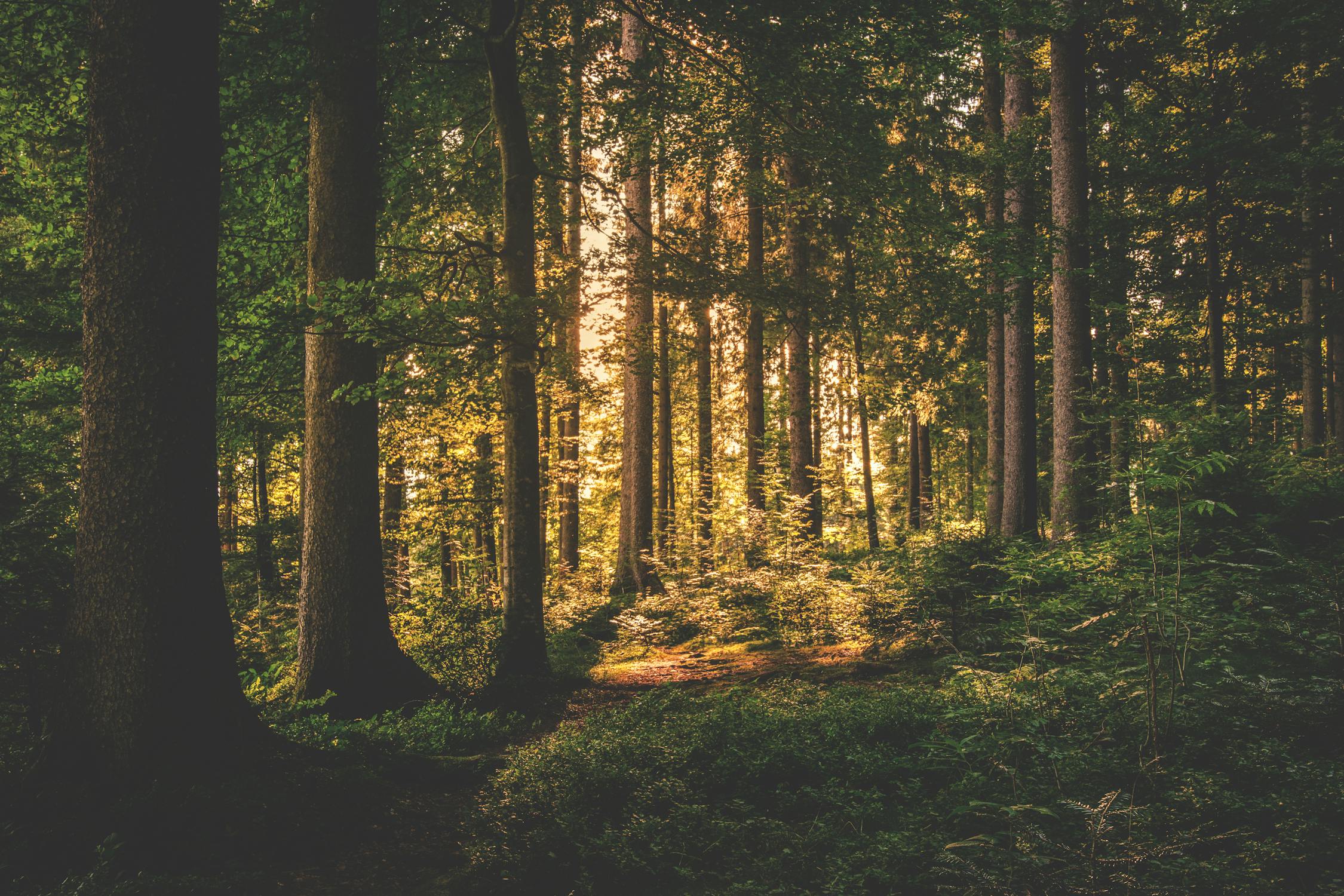 Photo credit on Pexels
6. Iberawild, Argentina
The rewilding of the Argentine Iberá Wetlands is one of the most remarkable conservation stories of the 21st century. The Tompkins Conservation foundation (founded by Doug and Kris Tompkins of North Face and Patagonia fame) has reintroduced jaguars, giant anteaters, green-winged macaws, pampas deer, and giant otters to this vast marshland, creating a “Serengeti of South America.” As of 2026, the jaguar population has grown from a single breeding pair to over 120 individuals — one of the most successful large carnivore reintroductions in history.
What you do: Multi-day wildlife safaris through the wetlands by boat, horseback, and on foot. While not hands-on conservation work in the traditional sense, the tourism revenue directly funds the reintroduction programs, and the experience of seeing rewilded jaguars in a landscape that had been empty of them for 70 years is transformative.
Cost: Guided multi-day experiences from $200 to $500 per person per day including lodge accommodation and meals.
Rewilding Retreat Comparison
| Retreat | Location | Duration | Hands-On Work | Cost | Physical Demand | Best For |
|---|---|---|---|---|---|---|
| Trees for Life | Scotland | 1 week | Heavy | $350/week | Moderate-High | Active conservationists |
| Knepp Estate | England | 1-3 days | Light | $200-350/day | Low | Beginners, families |
| Rewilding Europe | Multiple | 3-7 days | Light-Moderate | $100-250/day | Low-Moderate | Wildlife enthusiasts |
| Gondwana Link | Australia | 1-14 days | Heavy | Free-$150/day | Moderate | Hands-on workers |
| Y2Y | North America | 1-7 days | Moderate | Free-$2,000/week | Moderate-High | Backcountry lovers |
| Iberawild | Argentina | 3-7 days | Light | $200-500/day | Low | Wildlife watchers |
The Science Behind Rewilding
Trophic Cascades
The most famous example of rewilding science is the trophic cascade triggered by wolf reintroduction to Yellowstone National Park in 1995. With wolves present, elk herds changed their behavior, avoiding open valleys where they were vulnerable to predation. Vegetation recovered in those valleys. Streamside willows and aspens grew back. Beavers returned and built dams. The dams created ponds that supported fish, amphibians, and birds. Stream channels stabilized. Erosion decreased. A single predator reintroduction cascaded through the entire ecosystem.
This principle — that apex predators regulate ecosystem health from the top down — is central to rewilding philosophy. It is why projects prioritize species like wolves, lynx, bears, and raptors.
Natural Grazing
Large herbivores shape landscapes in ways that no human management can replicate. Bison create wallows that become seasonal ponds. Horses and cattle create mosaic grazing patterns that support diverse plant communities. Wild boar root through soil, creating disturbed ground where pioneer species establish. Knepp Estate’s success is built entirely on this principle: let the animals manage the land instead of humans, and biodiversity explodes.
Corridor Connectivity
Fragmented habitats are the silent killer of biodiversity. A population of deer in one forest patch cannot access mates in another patch 50 kilometers away because farmland and roads block the route. Over time, both populations decline due to inbreeding and reduced genetic diversity. Rewilding corridors — continuous strips of natural habitat connecting fragmented areas — solve this problem. The Y2Y corridor, the European Green Belt (along the former Iron Curtain), and Gondwana Link are all corridor projects.
DIY Rewilding: Contributing Without an Organized Retreat
You do not need a formal retreat to contribute to rewilding. Here are ways to participate independently:
Citizen science: Apps like iNaturalist, eBird, and Mammal Mapper allow you to record wildlife sightings that contribute to conservation databases. These observations help scientists track species recovery in rewilding areas. Simply hiking through a rewilding zone and recording what you see has genuine scientific value.
Seed bombing: In areas with degraded soil and limited natural seed dispersal, seed balls (clay-coated native seed mixtures) can be distributed by walkers. Some rewilding organizations sell species-appropriate seed balls for specific regions. Check legality and appropriateness before distributing seeds.
Fence removal volunteering: Many rewilding projects need volunteers to remove old agricultural fencing that blocks wildlife movement. This is unglamorous, physical work, but it has immediate, tangible impact. Contact local conservation organizations to find fence removal projects near you.
Financial support: If you cannot travel to a rewilding project, direct financial contributions remain the most efficient way to support rewilding. Organizations like Rewilding Britain, Rewilding Europe, and the Tompkins Conservation foundation convert donations directly into land acquisition, species reintroduction, and community engagement programs.
How to Choose a Rewilding Retreat
- Match your fitness to the work. Tree planting in Scottish peat bogs requires different fitness than kayaking in the Danube Delta. Be honest about your physical capacity.
- Consider your motivations. If you want hands-on physical work, choose Trees for Life, Gondwana Link, or Y2Y. If you want wildlife watching with a conservation context, choose Knepp, Rewilding Europe, or Iberawild.
- Check the conservation credentials. Legitimate rewilding projects are transparent about their methods, funding, and outcomes. Look for published scientific data, partnerships with conservation organizations, and clear community engagement.
- Embrace the conditions. Rewilding work happens in wild places in real weather. If you need luxury accommodation and guaranteed sunshine, a rewilding retreat may not be for you.
- Book early for 2026. Rewilding Spain is already full. Trees for Life weeks fill quickly in summer. Popular Rewilding Europe experiences sell out months in advance.
The Emotional Impact of Rewilding Travel
There is something about rewilding work that stays with you in a way that passive travel does not. I have visited 50+ countries and done hundreds of adventure activities, and planting trees in the Scottish Highlands remains among my most emotionally significant travel experiences. The reason, I think, is agency. In most travel, you are a consumer: consuming views, consuming experiences, consuming meals. In rewilding travel, you are a creator. You leave behind something tangible: a row of seedlings, a stretch of cleared habitat, a data set that will inform conservation decisions.
That sense of contribution persists long after the trip ends. The trees planted at a Trees for Life week three years ago are now over a meter tall, growing into the forest that will stand for centuries. Knowing that a small patch of the world is measurably better because you spent a week there with muddy hands and an aching back is a travel souvenir that no photograph, no magnet, and no Instagram post can match.
Rewilding retreats pair naturally with other slow, intentional forms of travel. The slow adventure travel guide covers the philosophy of depth over distance — the same mindset that makes rewilding travel so uniquely satisfying. For off-grid wilderness settings that complement conservation work, the off-grid wilderness camping guide covers self-sufficient camping in remote terrain.
Recommended Gear for Rewilding Retreats
Two items that support the hands-on nature of rewilding work: the Marmot PreCip Men’s Rain Jacket (or Women’s version) handles the consistent damp conditions of Scottish peat bog tree planting, Carpathian wildlife monitoring, and Atlantic Forest revegetation — seam-sealed, breathable, and durable enough for genuine field conditions. The Sawyer Mini Water Filter provides safe drinking water from streams during multi-day rewilding work in remote wilderness areas where bottled water isn’t carried — reducing waste and the need to porters supplies.
 Rain jacket and water filter for rewilding fieldwork — Photo on Pexels
Related Reading
Get the best ThrillStays tips in your inbox
Weekly guides, deals, and insider tips. No spam, unsubscribe anytime.