Sailing Adventures: Learn to Sail While Traveling
Learn to sail while exploring the world. From Caribbean bareboat charters to Arctic expeditions, discover the best sailing adventure destinations for 2026.
This post may contain affiliate links. Disclosure
Updated for 2026 — Accurate as of March 2026.
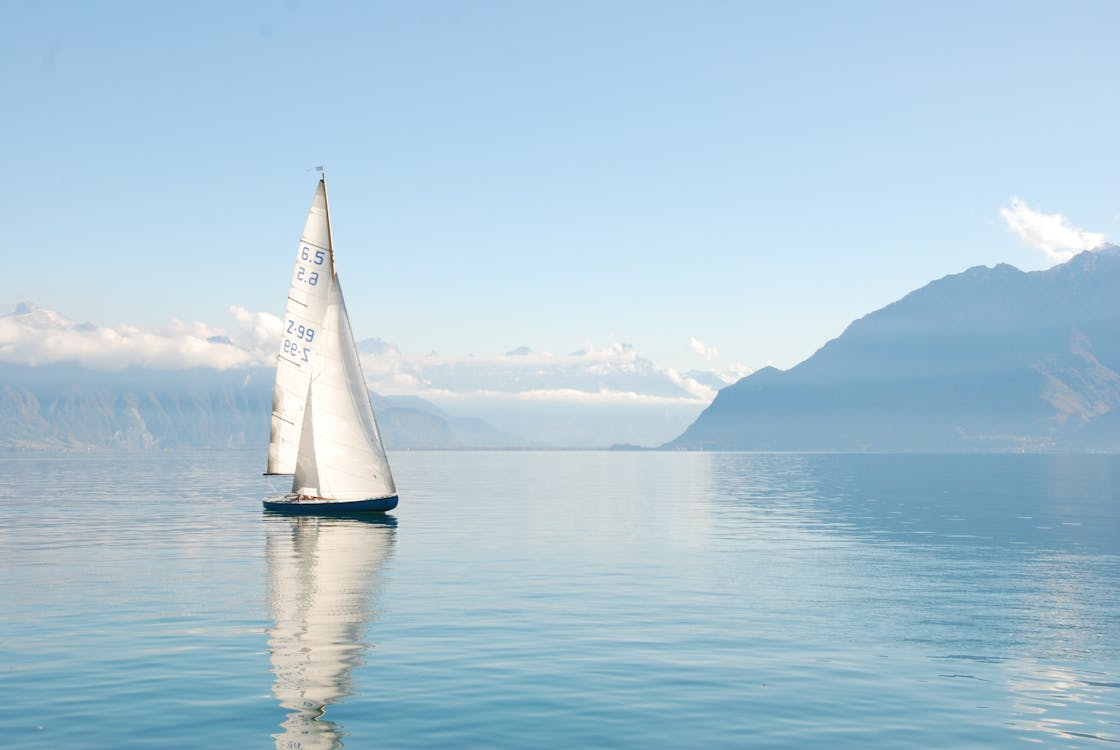
There is a particular moment in learning to sail when everything clicks. The wind fills the sail, the boat heels gently, the engine goes silent, and you realize that you are moving across open water powered by nothing but air. For more, see our guide to best portable water purifiers for backcountry. No fuel. No motor. Just wind, water, and a piece of cloth. It is one of the most elemental feelings in adventure travel, and it is available to anyone willing to learn.
Sailing has shed its exclusive, yacht-club reputation. In 2026, learn-to-sail programs operate on every continent, from week-long bareboat certification courses in the Caribbean to expedition sailing voyages across the Arctic. The American Sailing Association (ASA) and Royal Yachting Association (RYA) have certified schools worldwide, and the cost of learning has dropped as flotilla sailing, co-sailing platforms, and budget sailing schools compete for a growing market of adventure-seeking travelers.
This guide covers everything you need to know about combining sailing with travel — where to learn, what certifications to pursue, the best destinations for every skill level, and how to go from complete beginner to competent cruiser in a single trip.
Why Learn to Sail While Traveling
Learning at home is practical. Learning while traveling is transformative. Here is why:
Concentrated immersion. A week-long live-aboard course compresses months of weekend classes into seven days of continuous practice. You eat, sleep, and breathe sailing. Skills stick faster when you are immersed.
Real conditions. Sailing schools in the Caribbean, Mediterranean, or Southeast Asia operate in the conditions you will actually sail in. Learning to handle 20-knot trade winds in the British Virgin Islands prepares you for real sailing in a way that lake sailing in light air cannot.
The destination is the curriculum. Navigation is more engaging when you are charting a course to a volcanic island. Anchoring skills matter more when you are setting your hook in a turquoise bay. The travel experience and the learning experience reinforce each other.
Sailing Certifications Explained
Two organizations dominate recreational sailing certification worldwide:
American Sailing Association (ASA)
The ASA system progresses through numbered levels:
- ASA 101 — Basic Keelboat Sailing: Sailing theory, basic maneuvers, points of sail. You can sail a 22-30 foot boat in light winds. Duration: 2-3 days.
- ASA 103 — Basic Coastal Cruising: Navigation, anchoring, docking under power. Qualifies you to charter a 30-36 foot boat in familiar waters. Duration: 4-5 days.
- ASA 104 — Bareboat Cruising: Extended cruising, passage planning, night sailing. Qualifies you for international bareboat charters. Duration: 5-7 days.
- ASA 114 — Cruising Catamaran: Specific skills for multihull sailing. Many charter companies now require this for catamaran rentals. Duration: 2-3 days.
Most traveling sailors aim for ASA 104, which unlocks bareboat charter worldwide.
Royal Yachting Association (RYA)
The RYA system is the global standard, recognized in more countries than ASA:
- Competent Crew: Crew skills, safety, basic helming. Duration: 5 days.
- Day Skipper: Navigation, passage planning, skipper responsibilities. Duration: 5 days theory + 5 days practical.
- Coastal Skipper: Advanced navigation, heavy weather, crew management. Duration: 5 days.
- Yachtmaster Offshore: Professional-level certification. Requires significant sea miles plus an exam.
For international charter companies, an RYA Day Skipper or ASA 104 is typically the minimum requirement for bareboat rental.
Best Destinations to Learn Sailing
British Virgin Islands: The Classic Learner’s Playground
Best for: ASA 101-104 | Season: November to June | Cost: $1,800-3,500 for a week-long course
The BVI is where most Americans learn to sail, and for good reason. The islands are close together (rarely more than 10 nautical miles between anchorages), the trade winds are consistent at 15-20 knots, the waters are protected, and the visibility is extraordinary. You can see the bottom in 40 feet of water, which makes anchoring practice much less stressful.
Multiple ASA-certified schools operate out of Tortola, including Offshore Sailing School and Blue Water Sailing. A typical week combines classroom instruction with daily sailing between islands, ending each day at a different anchorage. You learn to sail, and you also get a Caribbean island-hopping vacation.
Combine with: Snorkeling at the Baths (Virgin Gorda), hiking to the Bubbly Pool (Jost Van Dyke), and sundowners at Foxy’s.
Croatia: Mediterranean Sailing on a Budget
Best for: RYA Day Skipper, ASA 103-104 | Season: May to October | Cost: $1,200-2,800 for a week
Croatia’s Dalmatian coast has become Europe’s premier sailing destination, and its sailing schools match the quality of Caribbean programs at lower prices. The coastline offers over a thousand islands, medieval walled towns accessible only by boat, and reliable summer winds (the maestral sea breeze builds each afternoon to 12-18 knots).
Sailing schools in Split, Dubrovnik, and Zadar offer week-long live-aboard courses that combine certification with coastal cruising. The navigation challenges are real — rocky coastlines, ferry traffic, and changing winds — but the infrastructure is excellent, with marinas and anchorages everywhere.
Why Croatia works for learners: The Adriatic is relatively sheltered compared to open ocean sailing. Tidal range is negligible (unlike the UK, where tides add enormous complexity). And the cultural rewards — Hvar, Korcula, Vis — make every day’s destination worth reaching.
Thailand: Budget Sailing in Paradise
Best for: ASA 101-104, RYA Competent Crew to Day Skipper | Season: November to April | Cost: $900-2,200 for a week
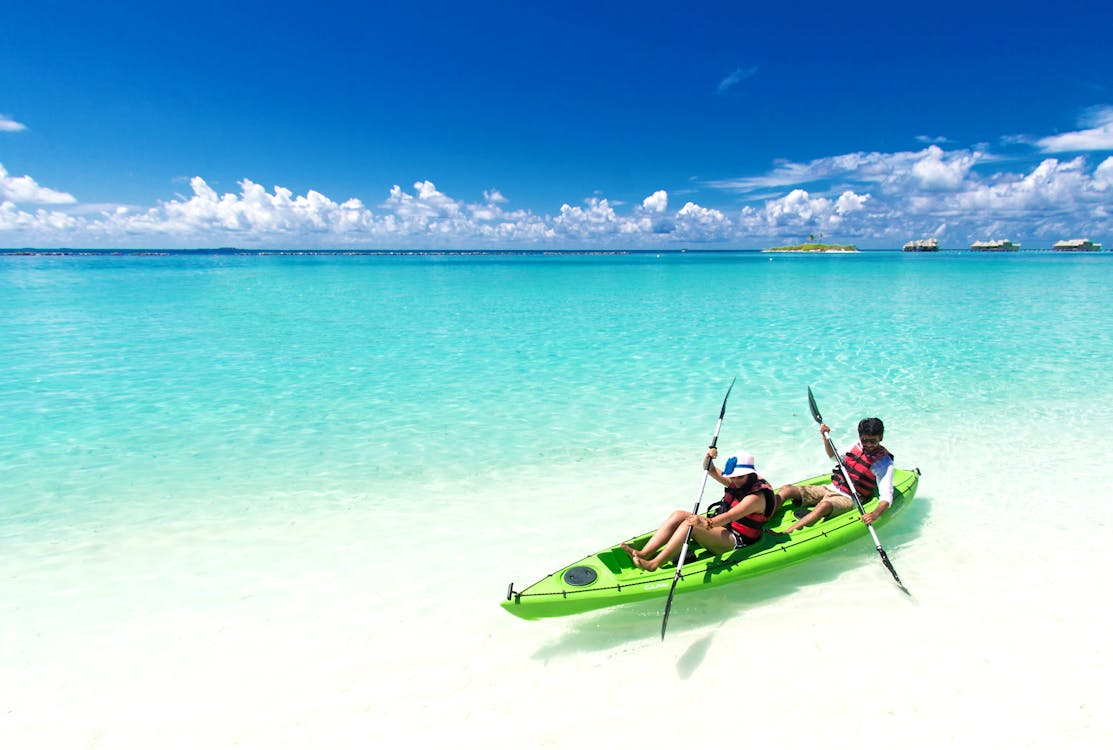
Thailand offers the most affordable sailing education in a tropical setting. Schools in Phuket, Koh Samui, and Langkawi (just across the Malaysian border) provide ASA and RYA courses on boats ranging from 30-foot monohulls to 40-foot catamarans.
The Andaman Sea coast offers dramatic limestone karst scenery, warm water, and generally manageable winds. The monsoon season (May to October) brings stronger, less predictable winds — excellent for advanced courses, but beginners should stick to the dry season.
Budget tip: Thai sailing schools are 40-60 percent cheaper than Caribbean equivalents for identical certifications. Accommodation is typically live-aboard on the training vessel, eliminating hotel costs.
Scotland: Learn in Challenging Conditions
Best for: RYA Competent Crew to Yachtmaster | Season: May to September | Cost: $1,500-3,500 for a week
If you want to learn sailing that prepares you for anything, learn in Scotland. The West Coast — around Oban, the Isle of Mull, and the Inner Hebrides — offers tidal sailing with strong currents, rapidly changing weather, and navigation challenges that will make any subsequent sailing destination feel straightforward.
Schools like Rubicon 3 Adventure Sailing operate expedition-style training voyages that combine RYA certification with genuine adventure. You might anchor in a remote sea loch, hike a Munro, spot sea eagles, and navigate through whirlpools — all while earning your Day Skipper ticket.
The case for hard conditions: Sailors trained in Scottish waters are confident sailors. Period. The weather builds resilience, the tides build precision, and the scenery builds an appreciation for why you are doing this in the first place.
Greece: Island-Hopping Perfection
Best for: ASA 103-104, RYA Day Skipper | Season: May to October | Cost: $1,400-3,000 for a week
Greece invented sailing adventure, and the Cyclades and Dodecanese island chains remain among the finest cruising grounds on Earth. The summer meltemi wind (north-northwest at 15-30 knots) provides consistent, if sometimes boisterous, sailing conditions.
Learn-to-sail courses operating out of Athens, Kos, or Lefkada combine certification with visits to whitewashed island villages, ancient ruins accessible only by sea, and swimming in volcanic calderas. The navigation between islands is engaging without being overwhelming, and Greek marinas are affordable compared to other Mediterranean destinations.
Expedition Sailing: Adventure Beyond Certification
Once you have basic certifications, expedition sailing opens up an entirely different dimension of ocean adventure.
Arctic Expedition Sailing
Destinations: Svalbard, Greenland, Iceland, Lofoten
Arctic sailing expeditions are the frontier of adventure sailing in 2026. Operators like Panexplore offer hands-on expedition voyages where crew actively participate in sailing, watchkeeping, and navigation. A June 2026 expedition from St. Pierre & Miquelon to Nuuk, Greenland covers 1,200 nautical miles through iceberg-strewn waters with whales, seabirds, and midnight sun. Cost: approximately $9,190 for 16 days.
These are not luxury cruises. You stand watch. You trim sails. You navigate through ice. The level of engagement is total, and the landscapes are unlike anything accessible by other means.
Atlantic Crossings
The classic adventure sailing passage: 2,800 nautical miles from the Canary Islands to the Caribbean, following the trade winds that Columbus used. Rally organizations like the ARC (Atlantic Rally for Cruisers) coordinate annual crossings, and several operators offer working crew positions for sailors with at least Day Skipper certification.
Duration: 14-21 days. Cost: $3,000-6,000 as a paying crew member, or free if you bring genuine skills and crew a private yacht through platforms like Crewbay or Find a Crew.
Patagonian Channels
Sailing the channels of southern Chile and Tierra del Fuego is raw, demanding, and spectacular. Williwaw gusts, glacial approaches, and complete isolation define this sailing. Operators like Panexplore and South by Sail offer expedition voyages in these waters for experienced sailors.
Flotilla Sailing: The Social Middle Ground
Not ready for solo bareboat charter? Flotilla sailing offers a supported group experience. A fleet of five to twelve boats sails the same route, with a lead boat crewed by professional sailors who provide navigation guidance, mechanical support, and local knowledge. You skipper your own boat but have backup if needed.
Best flotilla destinations for 2026:
- Turkey’s Turquoise Coast: Sheltered bays, ancient ruins, affordable
- Croatia’s Dalmatian Islands: Reliable winds, excellent marinas
- Greece’s Ionian Islands: Gentle winds, ideal for less experienced skippers
- British Virgin Islands: Classic trade wind sailing with group support
Flotilla sailing typically costs 20-30 percent more than bareboat charter but includes the support boat, social dinners, and guided shore excursions.

Essential Sailing Gear for Traveling Sailors
Sailing requires specific clothing and equipment. Here is what to pack for a learn-to-sail vacation:
Must-have items:
- Sailing gloves (protect hands from rope burn on day one)
- Non-marking deck shoes with grip soles
- Waterproof jacket and trousers (even in the tropics, squalls happen)
- UV-protection sunglasses with a retainer strap
- Wide-brimmed hat with chin strap (wind will take anything unsecured)
- Reef-safe sunscreen (SPF 50, reapply constantly)
- Dry bag for electronics and valuables
- Motion sickness medication (even experienced sailors get seasick in new conditions)
For a comprehensive packing approach, consult our adventure gear guide.
Sailing on a Budget
Sailing has a reputation as an expensive hobby. It can be, but the learn-to-sail travel experience is more affordable than most people assume.
Budget strategies:
- Choose Thailand or Croatia over the Caribbean for certification courses. Same certifications, lower costs.
- Crew for free. Experienced sailors travel the world for free by crewing on private yachts. Platforms like Crewbay, Find a Crew, and Sail.org connect skippers with crew.
- Split charter costs. A bareboat charter split between two couples is often cheaper than a hotel-based vacation in the same destination.
- Off-season sailing. Shoulder season rates (May and October in the Mediterranean, June and November in the Caribbean) are 30-50 percent lower than peak season.
- Work exchange. Some sailing schools offer free courses in exchange for maintenance work, boat cleaning, or marketing assistance.
For more budget adventure travel strategies, read our adventure travel budget guide.
Safety Considerations
Sailing is statistically safer than driving, but the ocean is an unforgiving environment when things go wrong. Essential safety practices:
- Always wear a life jacket in the cockpit at night, in rough weather, and whenever the skipper says to. No exceptions.
- File a float plan. Tell someone ashore where you are going and when you expect to arrive. Check in daily.
- Learn man-overboard recovery before you leave the dock. This is the single most critical emergency procedure in sailing.
- Carry a personal locator beacon (PLB) or satellite communicator on offshore passages. Our satellite communicator review covers the best options.
- Get proper insurance. Standard travel insurance rarely covers sailing. You need a policy that specifically includes crewing, charter, or passage-making. See our adventure travel insurance guide for details.
From Learner to Liveaboard
Many travelers who take a learn-to-sail vacation discover that sailing is not just an activity but a lifestyle. The path from first course to living on a boat full-time is well-trodden:
- Year 1: Take an ASA 101-104 course on vacation. Charter a boat with friends.
- Year 2: Do a longer charter (two to three weeks). Gain confidence in varied conditions. Consider an RYA Day Skipper for international recognition.
- Year 3-4: Crew on an ocean passage. Sail in genuinely challenging conditions. Build sea miles.
- Year 5+: Buy a boat (budget $30,000-80,000 for a capable blue-water cruiser). Sail away.
This trajectory is not fantasy. Thousands of people are living it right now, cruising the Caribbean, Mediterranean, Pacific, and beyond on modest budgets. The sailing community is welcoming, knowledge-sharing, and globally connected.
Sailing is the original adventure travel. Before airplanes, before automobiles, before trains, humans explored the world under sail. Learning to sail while traveling connects you to that tradition in a visceral, wind-in-your-face way that no other form of travel can match. The ocean is still out there, the wind is still free, and the only thing between you and the horizon is the willingness to learn.
Get the best ThrillStays tips in your inbox
Weekly guides, deals, and insider tips. No spam, unsubscribe anytime.