Best Sandboarding Destinations: 10 Dunes Worth Traveling For
Huacachina, Namibia, Atacama, and 7 more. Costs, season, technique, and gear for the world's best sandboarding dunes. Updated February 2026.

This post may contain affiliate links. Disclosure
Imagine snowboarding, but replace the snow with sand, the chairlift with a dune buggy, and the cold with blazing desert sun. That is sandboarding — one of the most underrated adventure sports on the planet. While the sport has existed in various forms for centuries, it has only recently begun attracting international travelers seeking something genuinely different from the standard adventure circuit.
Sandboarding works on the same principles as snowboarding: you strap your feet to a board and ride down a slope. The key difference is the surface. Sand creates more friction than snow, so speeds are lower and the riding style is different. But on a steep, long dune with well-prepared sand, you can reach 50–80 km/h, and the sensation of carving turns down a massive sand face with nothing but desert stretching to the horizon is absolutely exhilarating.
In 2026, sandboarding has established footholds in deserts across every inhabited continent, and several destinations have built genuine sandboarding tourism infrastructure with rentals, lessons, and guided experiences. Here are the ten best, with concrete costs and logistics.
1. Huacachina, Peru: The Sandboarding Capital of the World
If there is one place on Earth that has earned the title of sandboarding capital, it is Huacachina. This tiny oasis town, built around a natural lagoon in the Ica Desert of southern Peru, is surrounded by some of the tallest and steepest sand dunes in South America. Dunes reach heights of 100+ meters, and the sand is fine-grained and fast.
The standard experience is a dune buggy and sandboarding tour: a driver takes you on a wild, roller coaster-like ride up and over the dunes, stopping at several boarding spots where you strap on a board and slide (or ride, if you are skilled) down the face. Most people start on their belly like a toboggan and progress to standing by the end of the trip.
For stand-up riding, ask for a “tabla professional” — a proper board with bindings and boots rather than the basic waxed planks handed out to beginners. Helmets and knee pads are available at most tour desks.
Dune height: Up to 100+ meters Cost: Dune buggy and sandboarding tour from $15–25 per person (2 hours). Private tours from $40–60. Board quality: Basic waxed boards provided. Request professional setup with bindings for stand-up riding. Best season: Year-round desert climate, but late May or late September into October gives warm days without peak-summer crowds and dramatic golden afternoon light. The 16:00 departure is the sweet spot. Where to stay: Huacachina has backpacker hostels from $6–10 per night right on the oasis. Bring soles cash — the village has no ATMs. Getting there: 5 hours by bus from Lima, or fly to Pisco/Ica.
Pro Tip: Go for the late afternoon session around 4 PM. The heat is more manageable, the light on the dunes is golden and perfect for photography, and you will often get a stunning sunset as the tour ends.
 Photo credit on Pexels
2. Swakopmund, Namibia: Africa’s Sandboarding Hub
Namibia’s Skeleton Coast, where the Namib Desert meets the Atlantic Ocean, features some of the largest sand dunes on Earth. Swakopmund — a quirky coastal town with German colonial architecture — is the base for sandboarding on the massive dunes surrounding the city. Namibia holds the world record for the fastest speed ever achieved on sand. Two main types of sandboarding are offered:
- Lie-down boarding: On a modified bodyboard, reaching speeds of 60–80 km/h on steep dune faces. This is the most popular option and requires no prior experience.
- Stand-up boarding: On a modified snowboard with bindings. More challenging and more rewarding for those with board sport experience.
The dunes near Swakopmund are enormous, some reaching 120+ meters, and the sand is remarkably consistent. For the full Namibian dune experience, continue south to Sossusvlei in the Namib-Naukluft National Park, where Big Daddy dune rises 300+ meters above the desert floor — a physically demanding climb with an extraordinary descent.
Dune height: Up to 120+ meters (Swakopmund); 300+ meters (Sossusvlei Big Daddy) Cost: Half-day sandboarding tour from $40–60 per person. Stand-up lessons from $50–80. Best season: Year-round, but morning sessions are recommended — afternoon winds kick up loose sand. Where to stay: Swakopmund has backpackers from $10–15 per night and guesthouses from $30–50. Getting there: 4 hours drive from Windhoek, or domestic flights.
3. Cerro Blanco, Peru: The World’s Tallest Sand Dune
Cerro Blanco, near the city of Nazca, is the tallest sand dune in the world at approximately 2,078 meters (6,818 feet) above sea level, with a vertical drop of over 1,100 meters from summit to base. This is not a casual day trip; ascending Cerro Blanco is a grueling 3–4 hour hike through deep sand, but the descent — either on a sandboard or by sliding — is an unforgettable adrenaline rush.
Dune height: 1,100+ meters of vertical descent Cost: Guided tours from $30–50 per person (full day, includes transportation and boards) Best season: Year-round Difficulty: Hard — the ascent is extremely physically demanding in the heat Getting there: Nazca is a 7-hour bus ride from Lima.
Pro Tip: Start before dawn if possible to avoid the worst heat during the ascent. Bring at least 3 liters of water per person.
4. Dubai, United Arab Emirates: Luxury Desert Adventure
Dubai offers a more polished sandboarding experience, often bundled with desert safari packages that include dune bashing in 4x4 vehicles, camel rides, and traditional Bedouin camp dinners. The dunes in the Dubai Desert Conservation Reserve are substantial at 30–60 meters, and the tourist infrastructure is excellent. This is sandboarding with five-star service.
Dune height: 30–60 meters Cost: Desert safari with sandboarding from $50–100 per person. Premium packages with dinner and entertainment from $100–200. Best season: October through April (cooler months — summer temperatures regularly exceed 45°C) Where to stay: Dubai has everything from hostels at $20 per night to the most expensive hotels on Earth.
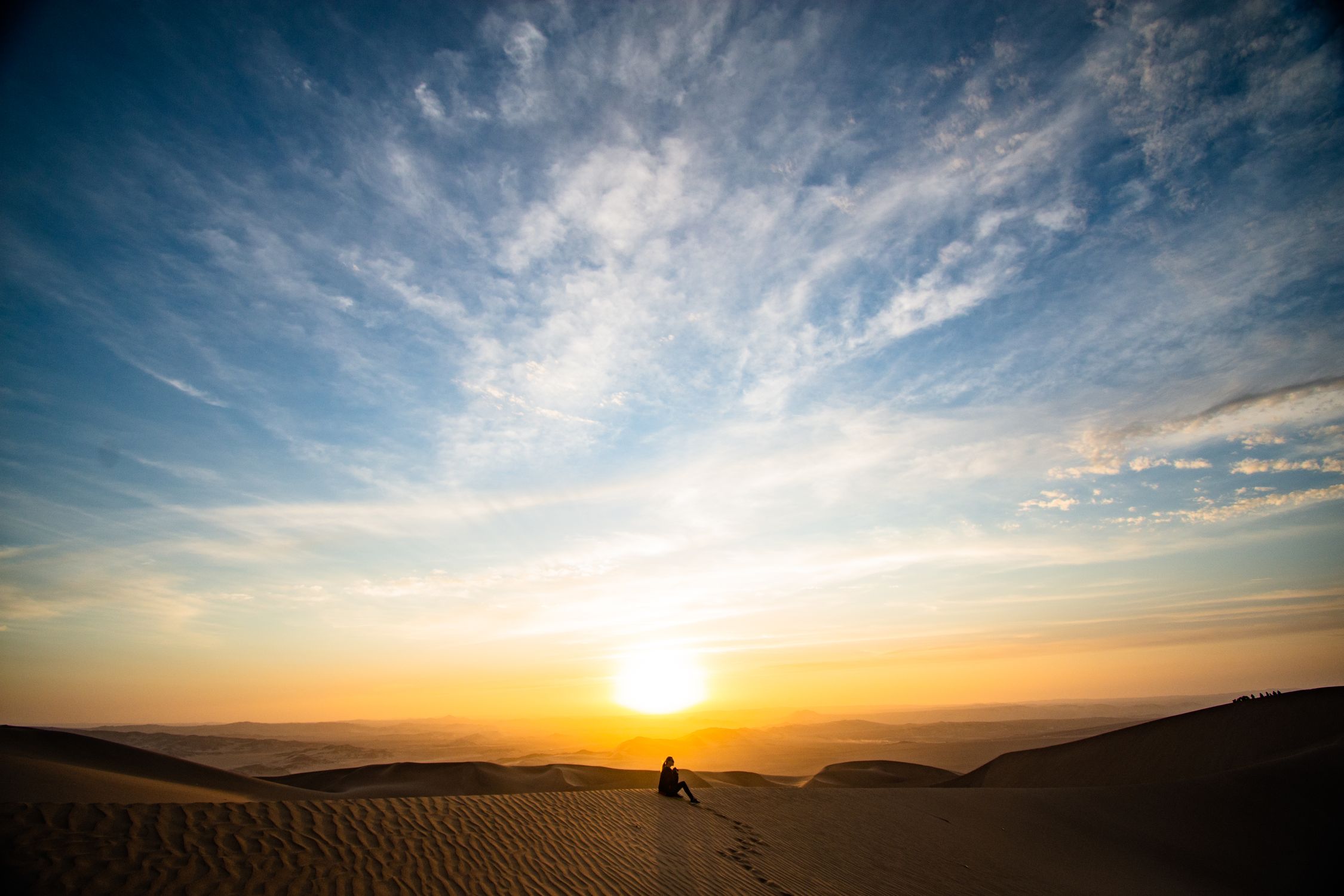 Photo credit on Pexels
5. Florianopolis, Brazil: Beach and Board
The dunes at Joaquina Beach in Florianopolis have been a sandboarding hotspot since the 1980s. The beach dunes are modest in height (10–40 meters) but offer consistent, rideable sand with the bonus of warm weather, great surf, and Brazilian beach culture.
Dune height: 10–40 meters Cost: Board rental from $5–10. No guides needed. Best season: Year-round (summer months December–March are best) Where to stay: Florianopolis has hostels from $10–15 per night.
6. Siwa Oasis, Egypt: Ancient Desert Riding
The Siwa Oasis in Egypt’s Western Desert is one of the most remote and atmospheric sandboarding destinations. The Great Sand Sea, one of the world’s largest sand dune fields, stretches endlessly around this ancient oasis town, providing unlimited riding terrain.
Dune height: Variable, up to 60+ meters Cost: Sandboarding tours from $20–40 per person (often combined with desert camping overnight trips) Best season: October through April — summer is brutal at 40°C+ Where to stay: Siwa has eco-lodges and guesthouses from $15–30 per night. Getting there: 10-hour drive from Cairo or 3-hour drive from Marsa Matrouh.
7. San Pedro de Atacama, Chile: High Desert Boarding
The Valle de la Muerte (Death Valley) near San Pedro de Atacama in northern Chile offers sandboarding on steep dunes in one of the driest places on Earth. The setting is extraordinary: barren lunar landscapes, volcanic peaks, and the vast salt flats of the Atacama at over 2,400 meters elevation.
Dune height: Up to 50+ meters Cost: Sandboarding tours from $25–40 per person (2–3 hours) Best season: Year-round — avoid altiplano winter June–August Where to stay: San Pedro has hostels from $12–18 per night and hotels from $40.
8. Monte Kaolino, Germany: Europe’s Sandboarding Mountain
Monte Kaolino in Bavaria is a 120-meter artificial sand mountain made from quartz sand mining waste. It has been converted into a dedicated sandboarding and sand skiing resort with tow ropes — yes, actual tow ropes on sand — and even hosts an annual sandboarding world championship.
Dune height: 120 meters Cost: Day pass from €15–25 including board rental Best season: May through September Getting there: Near Hirschau, about 1 hour from Nuremberg.
9. Lancelin, Western Australia: The Southern Hemisphere Secret
The coastal dunes north of Perth near Lancelin reach 30–40 meters and offer excellent sandboarding conditions year-round. Lancelin is less touristed than the major international destinations, which means uncrowded dunes and a genuinely local experience. Multiple Perth-based operators run day tours for AUD $60–80 including transport from the city.
Dune height: 30–40 meters Cost: Day tour from Perth AUD $60–80 Best season: Year-round (Western Australia’s Mediterranean climate)
10. Erg Chebbi, Morocco: Sahara Sandboarding
The Saharan dunes near Merzouga in Morocco’s Erg Chebbi region rise to 150+ meters and offer some of the best sandboarding terrain in North Africa outside of Namibia. Most travelers combine sandboarding with a camel trek and overnight Berber camp stay in the dunes. This is the full desert experience: sunrise over sand seas, no infrastructure, complete silence.
Dune height: 150+ meters Cost: Guided sandboarding and camel trek from $50–100 per person Best season: October through April Getting there: Merzouga is reachable from Marrakech (10 hours by bus) or by domestic flight to Errachidia.
For Morocco trip context, see our Morocco adventure travel guide — it covers logistics, budget, and combining the dunes with other Moroccan adventures.
 Photo credit on Pexels
Sandboarding Technique: Getting Started
Lie-Down (Belly Board)
- Wax the bottom of your board generously — this is essential for speed
- Lie face-down on the board with your feet hanging off the back
- Lift the nose slightly by arching your back
- Steer by shifting your weight left or right
- To brake, dig your feet into the sand
Stand-Up Technique
- Strap your feet into the bindings (same stance as snowboarding: regular or goofy)
- Start on a gentle slope to find your balance
- Keep your weight centered, knees bent
- Turn by shifting your weight onto your toe edge or heel edge
- Speed control: S-turns reduce speed, pointing straight downhill increases it
Key Differences from Snowboarding
- Sand has more friction than snow, so you need steeper slopes for speed
- Edges do not bite as effectively, making carved turns harder
- Falls are softer than on packed snow but sand burns are real — always wear a shirt and gloves
- Boards require frequent waxing (every 2–3 runs)
- Climbing back up is the workout — no chairlifts in the desert
Essential Gear
| Item | Notes | Cost |
|---|---|---|
| Sandboard | Rental usually included in tours | Buy: $100–300 |
| Board wax | Essential for speed. Paraffin-based works. | $5–15 |
| Goggles or sunglasses | Sand and wind protection | $15–50 |
| Sunscreen (SPF 50+) | Desert sun is intense | $10–15 |
| Closed-toe shoes | Protect feet from hot sand | Bring your own |
| Bandana or buff | Dust and sand protection for face | $10–20 |
| Gloves | Protect hands during wipeouts | $10–20 |
Budget Comparison
| Destination | Tour Cost | Accommodation | Daily Total |
|---|---|---|---|
| Huacachina, Peru | $15–25 | $6–10 | $25–45 |
| Swakopmund, Namibia | $40–60 | $10–30 | $55–100 |
| Cerro Blanco, Peru | $30–50 | $8–15 | $45–75 |
| Dubai, UAE | $50–200 | $20–200+ | $80–400 |
| Florianopolis, Brazil | $5–10 | $10–15 | $20–35 |
| Siwa, Egypt | $20–40 | $15–30 | $40–80 |
| San Pedro, Chile | $25–40 | $12–18 | $45–70 |
| Erg Chebbi, Morocco | $50–100 | $15–30 | $70–130 |
Combining Sandboarding with Other Desert Adventures
The beauty of sandboarding destinations is that they are almost always located in areas rich with other adventure opportunities.
Peru (Huacachina + Nazca + Patagonia)
Combine your Huacachina sandboarding with a flight over the Nazca Lines (from $80), wine tasting in the Ica Valley ($15–30), and if you head south, the Colca Canyon (twice as deep as the Grand Canyon). A two-week Peru adventure hitting all of these plus Machu Picchu and Lake Titicaca runs about $1,200–$1,800 all-in.
Namibia (Swakopmund + Skeleton Coast + Sossusvlei)
Swakopmund is the adventure capital of Namibia, offering not just sandboarding but skydiving ($200), quad biking ($50–80), and kayaking with seals ($40–60). Add a visit to the red dunes of Sossusvlei and the eerie shipwrecks along the Skeleton Coast in the Namib-Naukluft National Park for a complete Namibian circuit.
Chile (Atacama Desert Grand Tour)
San Pedro de Atacama offers a staggering range beyond sandboarding: stargazing tours in one of the world’s darkest skies recognized by the International Dark-Sky Association ($30–50), geyser field visits at El Tatio ($35–50), salt flat excursions ($30–40), and flamingo-filled lagoons at altitude. A week in Atacama costs $400–700 depending on activity level.
Egypt (Siwa + White Desert + Bahariaya Oasis)
Combine Siwa sandboarding with an overnight trip to the White Desert (surreal chalk formations under starlight, from $50–80) and the hot springs of Bahariaya Oasis. Off-the-beaten-track Egypt at its finest.
Safety in the Desert
Sandboarding destinations are, by definition, in deserts, and deserts have specific hazards:
- Hydration: Desert dehydration happens faster than you expect. Carry at least 2–3 liters per person for any desert excursion. Drink regularly, not just when thirsty.
- Sun protection: Desert UV radiation is intense, especially at altitude (Atacama, Cerro Blanco). The WHO UV Index reaches extreme levels. Use SPF 50+ and reapply every 90 minutes.
- Heat exhaustion: Know the symptoms — nausea, dizziness, rapid heartbeat, confusion. Move to shade, cool down with water, seek medical attention if severe.
- Sand storms: Can develop quickly. Cover your mouth and nose, protect your eyes, and shelter behind a vehicle or large dune.
- Navigation: Deserts look similar in every direction. Never venture from your group without a GPS device. See our adventure travel safety guide for full desert protocols.
Why Sandboarding Deserves Your Attention
Sandboarding is an adventure sport that remains genuinely uncrowded. While ski resorts pack in thousands of visitors daily, a sandboarding dune in Peru might have a dozen people on it at peak times. The sport is accessible — almost anyone can do the belly-board version — affordable especially in South America, and takes place in some of the most visually stunning landscapes on the planet.
There is no off-season in the desert. While your snowboarding friends are stuck indoors waiting for winter, you can be carving turns down a dune in Namibia, Peru, or Chile. Check our adventure gear packing guide for desert travel essentials before you go. Pick a desert, grab a board, and ride the dunes.
Recommended Gear for Sandboarding
Two items for desert dune adventures: the GoPro HERO13 Black mounts to a helmet or chest harness for POV footage of dune runs at Huacachina, Swakopmund, and the Sahara — the dust-sealed housing and image stabilization handle sand conditions and the motion of steep descents. The Sawyer Mini Water Filter at 2 oz provides backup water security during multi-day desert excursions in Morocco, Peru, and Namibia where clean tap water is not guaranteed.
 GoPro for capturing dune runs — Photo on Pexels
Related Reading
Get the best ThrillStays tips in your inbox
Weekly guides, deals, and insider tips. No spam, unsubscribe anytime.