Ski Touring for Beginners: Complete Backcountry Guide 2026
Start ski touring in 2026: real gear costs, avalanche safety, best beginner destinations, and exactly what your first backcountry day looks like. No fluff.
This post may contain affiliate links. Disclosure
Updated for 2026 — Accurate as of February 2026.
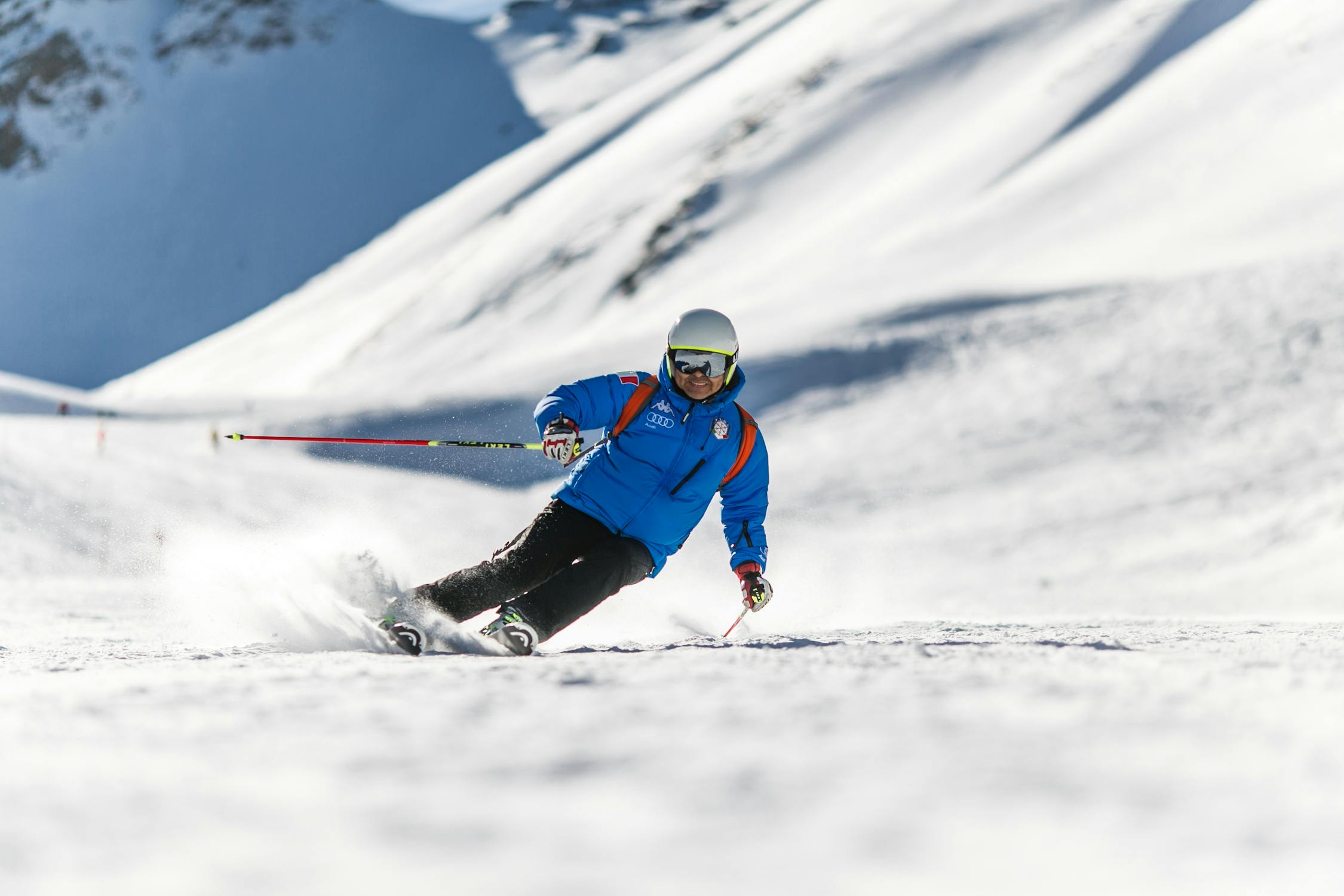
Ski touring is the purest form of skiing. You climb mountains under your own power, using skins attached to the base of your skis for grip on the ascent, then ski down through untracked powder on terrain that no chairlift can reach. No lift lines, no groomed runs, no crowds. Just you, the mountain, and the silence of the backcountry broken only by your breathing on the way up and the hiss of snow on the way down.
The sport has seen extraordinary growth over the past five years. Sales of touring bindings, skins, and boots have grown an estimated 30-40 percent since 2021, driven by skiers seeking untracked powder, physical challenge, and escape from the increasingly expensive resort experience. A single-day lift ticket at major US resorts now averages 200-250 USD. A day of ski touring costs nothing beyond the initial gear investment.
But ski touring also carries risks that resort skiing does not. Avalanches kill approximately 150 people worldwide each year, and the majority of those victims are backcountry skiers and snowboarders. In February 2026, an avalanche struck a guided backcountry ski tour in the western US, a reminder that conditions can turn fast even on guided outings. The backcountry is unpatrolled, unmarked, and unforgiving. This guide will help you understand what ski touring involves, what gear you need, how to stay safe, and where to start.
What Ski Touring Actually Is
Ski touring (also called alpine touring, randonnee, or AT skiing) uses specialized equipment that allows you to switch between climbing mode and skiing mode. In climbing mode, adhesive skins attached to the base of your skis provide grip on snow, allowing you to walk uphill. Your bindings release at the heel for a natural walking stride. In skiing mode, you remove the skins, lock the heel binding, and ski downhill like normal alpine skiing.
The typical ski tour involves:
-
Skinning up (1-3 hours): Hiking uphill on skis with skins attached. You follow a switchback route up the mountain, gaining 600-1,500 meters of elevation. This is aerobic exercise comparable to trail running or cycling.
-
Transition at the summit (10-15 minutes): Removing skins, locking bindings into downhill mode, adding an extra layer for the descent.
-
Skiing down (20-60 minutes): Skiing through untracked snow. This is the payoff for the climb.
The uphill-to-downhill ratio is typically 3:1 or 4:1 in time. You earn every turn.
Essential Ski Touring Gear
The gear required for ski touring is specialized and represents a significant investment. Here is what you need:
| Category | Item | Cost Range | Notes |
|---|---|---|---|
| Skis | Touring skis (85-105mm waist) | 500-900 USD | Lighter than resort skis |
| Bindings | AT bindings (pin or frame) | 300-700 USD | Allow heel release for climbing |
| Boots | AT boots (walk/ski mode) | 400-800 USD | Must be compatible with bindings |
| Skins | Climbing skins | 100-200 USD | Cut to match your ski shape |
| Poles | Adjustable touring poles | 60-150 USD | Extend for climbing, shorten for skiing |
| Avalanche beacon | Digital transceiver | 250-400 USD | Non-negotiable safety equipment |
| Probe | Avalanche probe (240-320cm) | 40-80 USD | For locating buried victims |
| Shovel | Avalanche shovel | 40-80 USD | For digging out buried victims |
| Backpack | Touring pack (25-40L) | 100-250 USD | Carries all gear plus safety equipment |
| Total | 1,790-3,560 USD |
This is a significant upfront investment, but ongoing costs are minimal compared to resort skiing. No lift tickets, no season passes, no parking fees.
Pro Tip: Many ski touring shops offer demo or rental packages (80-120 USD per day for skis, boots, bindings, and skins). Try before you buy. And buy last year’s gear secondhand whenever possible — ski touring equipment does not change dramatically year to year.
 Photo credit on Pexels
Avalanche Safety: The Non-Negotiable
Avalanche awareness is the single most important skill for a ski tourer. This is not optional and it is not something you can learn from an article. You must take a formal avalanche safety course before venturing into the backcountry.
Level 1 Avalanche Course (AIARE 1, AST 1, or equivalent): A 2-3 day course covering snowpack assessment, terrain evaluation, trip planning, rescue techniques, and beacon/probe/shovel use. Cost: 300-500 USD. This is the minimum requirement before touring independently.
Level 2 Avalanche Course: A 3-5 day advanced course covering complex snowpack analysis, decision-making frameworks, and leadership in avalanche terrain. Recommended after 20+ days of touring experience.
Key avalanche safety principles:
-
Always carry a beacon, probe, and shovel. Always. Even on tours that look safe. Avalanches happen on slopes that appear innocuous. Our tested avalanche beacon roundup compares transceivers on search speed, multiple burial handling, and battery life to help you choose the right transceiver before your first backcountry day.
-
Check the avalanche forecast before every tour. Avalanche centers publish daily forecasts rating the danger on a 1-5 scale. Do not tour on days rated Considerable (3) or higher until you have significant experience.
-
Expose one person at a time. When crossing avalanche-prone slopes, only one person should be on the slope at a time. Others watch from a safe zone.
-
Practice companion rescue regularly. You should be able to locate a buried beacon, probe to the target, and dig out a victim in under 5 minutes. Practice this drill at the start of every season.
-
Trust your gut. If something feels wrong, turn around. The mountain will be there next week. A poor decision cannot be undone.
Before your first tour, review the essential safety checklist in our adventure travel safety guide — the backcountry decision-making framework applies directly to avalanche terrain.
Best Destinations for Your First Ski Tours
Chamonix, France
Chamonix is the birthplace of ski mountaineering and remains one of the world’s premier ski touring destinations. The Mont Blanc massif provides a stunning backdrop, and the Chamonix valley offers a range of touring routes from gentle beginner-friendly outings to extreme alpine descents.
For beginners, the classic first tour is the Col du Passon from Le Tour — approximately 800 meters of climbing with moderate terrain and an open, north-facing descent that holds powder well. The Chamonix mountain guides (Compagnie des Guides de Chamonix, founded in 1821) offer introductory ski touring courses that combine instruction with actual tours.
Best season: January through April Guided beginner tours: From 160 EUR per person per day (group); from 420 EUR per day (private guide) Where to stay: Chamonix has hostels from 25 EUR and hotels from 65 EUR Getting there: Geneva airport is 1 hour away. Bus transfers from 15 EUR.
Innsbruck, Austria
Innsbruck and the surrounding Stubai, Sellrain, and Wipptal valleys offer an exceptional density of ski touring routes accessible directly from valley roads and villages. The Austrian Alpine Club (Alpenverein) maintains a network of mountain huts throughout the Alps providing overnight accommodation for multi-day hut-to-hut ski tours.
The Sellrain valley is particularly good for beginners, with several routes offering 600-1,000 meters of climbing on moderate terrain with excellent descents. Innsbruck also benefits from a strong avalanche forecasting service (Lawinenwarndienst Tirol).
Best season: December through April Guided beginner tours: From 85 EUR per person per day (group) Hut accommodation: 30-55 EUR per night including dinner and breakfast (Alpenverein members get discounts) Where to stay: Innsbruck has hostels from 20 EUR and hotels from 50 EUR Getting there: Fly to Innsbruck Airport (INN) or Munich Airport (3 hours by car).
Hokkaido, Japan
Japan’s northernmost island receives extraordinary amounts of light, dry powder snow — an average of 15 meters of snowfall per season, with consistently cold and dry conditions produced by Siberian weather systems crossing the Sea of Japan. The result is powder skiing among the best in the world.
The terrain around Niseko, Furano, and Asahidake is largely forested with gentle gradients and abundant tree skiing. This makes it excellent for beginner tourers: lower avalanche risk in forested terrain, simpler navigation, and powder so deep that falls are consequence-free.
Best season: January through March Guided tours: From 30,000 JPY per person per day Where to stay: Niseko has hostels from 3,000 JPY and hotels from 8,000 JPY Getting there: Fly to New Chitose Airport (CTS) near Sapporo. Bus to Niseko (2.5 hours).
Colorado, USA
Colorado’s Front Range and the mountains around Vail, Berthoud Pass, and Crested Butte offer accessible backcountry skiing within easy reach of Denver. Berthoud Pass is a ski touring training ground: the pass provides access to dozens of touring routes ranging from gentle beginner slopes to steep alpine descents, all within 90 minutes of Denver.
The Colorado Avalanche Information Center (CAIC) is one of the best avalanche forecasting services in the world, providing detailed daily forecasts for every zone in the state.
Best season: December through April Guided tours: From 210 USD per person per day (group) Avalanche courses: AIARE Level 1 courses from 350 USD (3 days) Where to stay: Denver has hostels from 30 USD. Mountain towns from 80 USD. Getting there: Fly to Denver International Airport. Berthoud Pass is 90 minutes west on I-70.
For more on budget-friendly backcountry skiing approaches, see the budget backcountry skiing guide — covers gear sourcing, free touring terrain by region, and how to ski the backcountry without the full AT setup cost.
Fitness for Ski Touring
Ski touring is a demanding cardiovascular activity. A typical day involves 3-5 hours of uphill skinning at altitude, comparable in intensity to trail running or mountain biking. If you are not fit, you will suffer.
Minimum fitness level: You should be able to hike uphill for 2-3 hours continuously while carrying a 5-10 kg pack at a moderate pace without stopping. If you can do this comfortably, you are fit enough for a beginner ski tour with 600-800 meters of climbing.
Training recommendations:
- Cardio base: Running, cycling, or hiking 3-4 times per week for 6-8 weeks before your first tour. Build up to 60-90 minute sessions.
- Leg strength: Squats, lunges, and step-ups to prepare for the skiing descent. Your quads need to handle turns on variable snow after hours of climbing.
- Core strength: A strong core reduces fatigue and improves balance on both the ascent and descent.
Splitboarding: Ski Touring for Snowboarders
If you are a snowboarder, you can access the backcountry through splitboarding. A splitboard is a snowboard that separates into two halves, creating a pair of wide skis for the ascent. At the top, you reassemble the board and ride down as normal.
Splitboarding has grown enormously and the equipment has matured to perform almost as well as dedicated ski touring gear on the uphill and almost as well as a regular snowboard on the downhill. The same avalanche safety principles and training apply.
Splitboard setup cost: Board (600-1,000 USD), bindings (300-500 USD), skins (100-200 USD), plus avalanche safety gear.
Your First Day of Ski Touring: What to Expect
On your first ski tour, expect the following:
Morning: You start early — often 7-8 AM — to take advantage of stable morning snow conditions. You apply skins to your skis, put your bindings in walk mode, and begin ascending. The pace is slow and steady, somewhere between walking and hiking. You will be warm within 10 minutes and may need to remove a layer. A moisture-wicking base layer is essential here — merino or synthetic, it must pull sweat off your skin on the climb without leaving you cold at the transition. Our 2026 picks for the best base layers for hiking and ski touring cover the top options across cold-output and high-output conditions.
Mid-morning: After 1-2 hours of climbing, you reach a natural rest point — a flat spot, a ridge, or a hut. You eat a snack, drink water, and take in the view. The silence of the mountains is profound.
Late morning/early afternoon: You reach the summit or your turnaround point. The transition takes 10-15 minutes: remove skins, fold them into your pack, lock your bindings, put on an extra layer (you cool down quickly when you stop), and assess the descent.
The descent: Untracked powder, no one else in sight, a mountain you climbed with your own legs. The first turn is always the best. The snow sprays over your shins. The mountain falls away below you. You make turn after turn down the mountain, and every one of them was earned.
Back at the car: Tired, happy, and already planning your next tour. This is the addiction of ski touring.
Skin Track Etiquette and Community
Ski touring has strong community culture with unwritten rules worth knowing:
- Do not follow someone else’s skin track too closely. Give at least 20-30 meters of distance to avoid crowding.
- Break your own trail when possible. Sharing someone’s hard-earned track without offering to share the trail-breaking effort is poor form.
- Yield to descending skiers. Step aside and hold your position while someone is skiing down.
- Share avalanche observations. If you see cracking, whumpfing (collapsing snowpack), or recent avalanche activity, share this with other touring parties. It could save lives.
- Leave no trace. Pack out all trash. The backcountry should look untouched when you leave.
When to Progress: Your First Spring Ski Tour
Spring (March-May in the Northern Hemisphere) is the ideal time for beginners to attempt their first longer tours. The snowpack is more stable (lower avalanche risk), days are longer, temperatures are warmer, and “corn snow” — a freeze-thaw cycle that creates smooth, consistent snow — produces some of the best skiing of the year.
A classic spring tour involves starting early (6-7 AM) while the snowpack is still frozen, skinning up during the morning as the sun gradually softens the snow, and skiing down in the late morning when the surface has transformed into creamy, smooth corn. This window of perfect corn snow lasts approximately 1-2 hours before the snow becomes too soft and slushy, so timing your descent is crucial.
Spring touring also opens terrain that is too dangerous in winter due to avalanche risk. South-facing slopes loaded with wind-slab in January become stable, sun-baked runs in April. High-altitude glaciated terrain that is brutally cold in midwinter becomes accessible and enjoyable in spring.
Recommended Safety Gear for Ski Touring
Two pieces of safety kit that belong in every touring pack: the Garmin inReach Mini 2 provides two-way satellite messaging and SOS capability in remote backcountry terrain where cell service ends at the trailhead — if your group triggers an avalanche or someone sustains an injury, this is how help gets dispatched. The Adventure Medical Kits Hiker First Aid Kit is a compact two-person kit that covers the stabilization needs for ski touring injuries while you coordinate evacuation. For early morning boot-ons and late descents, the Petzl Tikka Headlamp at 350 lumens runs all morning on a single charge.
 Safety kit for the backcountry — Photo on Pexels
You Might Also Like
Get the best ThrillStays tips in your inbox
Weekly guides, deals, and insider tips. No spam, unsubscribe anytime.