Ski Touring Hut-to-Hut: Austrian Alps Guide
Complete guide to hut-to-hut ski touring in the Austrian Alps. Routes, huts, gear, and safety tips for backcountry skiing through Europe's premier alpine touring terrain.
This post may contain affiliate links. Disclosure
Updated for 2026 — hut-to-hut ski touring in the Austrian Alps represents the pinnacle of European backcountry skiing, combining challenging alpine terrain, centuries-old mountain hut culture, and the profound satisfaction of earning every turn.
Imagine skinning upward through silent spruce forest as dawn breaks pink over the Hohe Tauern. An hour later you emerge onto an open glacier with the Grossglockner — Austria’s highest peak — dominating the horizon. You crest a ridge, snap your bindings to downhill mode, and spend the next forty minutes carving untracked powder down to a valley where a mountain hut serves Kaiserschmarrn and Glühwein to a room full of people in touring boots. That night you sleep in a bunk with seven other skiers, boots steaming in the boot room, planning the next day’s ascent over a shared dinner.
This is hut-to-hut ski touring in Austria, and nothing quite replaces it.
Why Austria Leads European Ski Touring
Austria’s alpine touring infrastructure is the product of 150 years of continuous development by the Austrian Alpine Club (Österreichischer Alpenverein, or ÖAV). The organization operates over 240 mountain huts with full accommodation services, maintains and waymarks thousands of kilometers of marked touring routes, and publishes comprehensive safety education materials that have shaped Austrian mountain culture.
The result is a hut-to-hut touring network with no parallel in the world: comfortable, well-maintained shelters spaced appropriately for day-long ski tours, served by trained hut wardens (Hüttenwirte) who provide meals and accommodation with a hospitality that’s distinctly Austrian — formal enough to feel civilized, warm enough to feel welcoming.
Combined with terrain that ranges from accessible glacier touring suitable for intermediate alpine skiers to demanding high-mountain routes requiring technical skills and rope management, Austria’s touring network serves everyone from first-time ski tourers to professional alpinists.
Essential Ski Touring Knowledge Before You Go
Alpine Touring vs. Randonnée vs. Splitboarding
The terminology can confuse beginners. All three involve ascending under human power before skiing down.
Alpine touring (AT/Telemark) uses specialized bindings that lock the heel for downhill skiing and release it for climbing, combined with climbing skins (strips of synthetic material that grip snow on ascent). This is the dominant mode in Austria’s backcountry.
Splitboarding is the snowboard equivalent: the board splits lengthwise for ascending, rejoins for descending. Growing in popularity but less common than AT on Austria’s touring routes.
The Austrian touring tradition is solidly AT-focused, and hut culture has evolved around the AT skiing community. Splitboarders are welcome but a minority on most routes.
Avalanche Safety
This is non-negotiable. Every person entering Austrian backcountry terrain must carry and know how to use:
- Avalanche transceiver (beacon) — worn on body, transmitting at all times — our best avalanche beacons roundup covers the top transceivers tested on search speed and multiple burial scenarios
- Avalanche probe — for locating buried victims Avalanche shovel — for extraction
Beyond equipment, competence in using this gear is essential. The ÖAV offers avalanche safety courses (Lawinenkurs) that are widely available at Austrian mountain towns throughout winter. Many guide services require proof of current avalanche training for backcountry guiding.
The European Avalanche Warning Service provides daily avalanche forecasts at avalanche.report — checking this before every touring day is standard practice.
Premier Hut-to-Hut Routes in Austria
The Silvretta High Route — Vorarlberg and Tirol
The Silvretta High Route is widely considered Austria’s most accessible and rewarding multi-day hut tour. The route traverses the Silvretta massif — a compact, glacier-covered range on the border of Vorarlberg and Tirol — over 4-5 days, navigating between ÖAV huts that are among the network’s most comfortable.
The terrain is moderate by Austrian standards — sustained glacier skiing above 2,500m, cols with moderate technical demands, and descents that reward rather than terrify intermediate alpine tourers. The Bieler Höhe to Ischgl traverse is the classic version.
Route overview: Bieler Höhe → Wiesbadener Hütte → Silvretta Hütte → Heidelberger Hütte → Ischgl
Duration: 4-5 days
Distance: ~60km
Elevation gain/loss: ~5,000m cumulative
Difficulty: Intermediate (AT2-3; prior touring experience essential)
Hut booking: Essential — contact ÖAV huts directly or use alpenverein.at
Best season: Late March through May (firn snow, longer days)
Hohe Tauern High Route — Grossglockner Region
For more experienced tourers seeking higher, more committed terrain, the Hohe Tauern High Route through the Grossglockner National Park delivers Austria’s most dramatic alpine ski touring experience. The route navigates glacier systems at 3,000m+ with the imposing presence of the Grossglockner (3,798m) providing constant visual reference.
The Franz-Josefs-Höhe to Kals traverse requires good weather judgment, glacier travel skills including crevasse rescue competence, and solid ski technique on steeper terrain. This is not a beginner route — previous experience on the Silvretta or similar tours is appropriate preparation.
Route overview: Franz-Josefs-Höhe → Stüdlhütte → Glorer Hütte → Kals
Duration: 4-6 days
Difficulty: Advanced (AT3-4; rope and glacier travel skills required)
Best season: April through May
Stubai Alps Circuit — Near Innsbruck
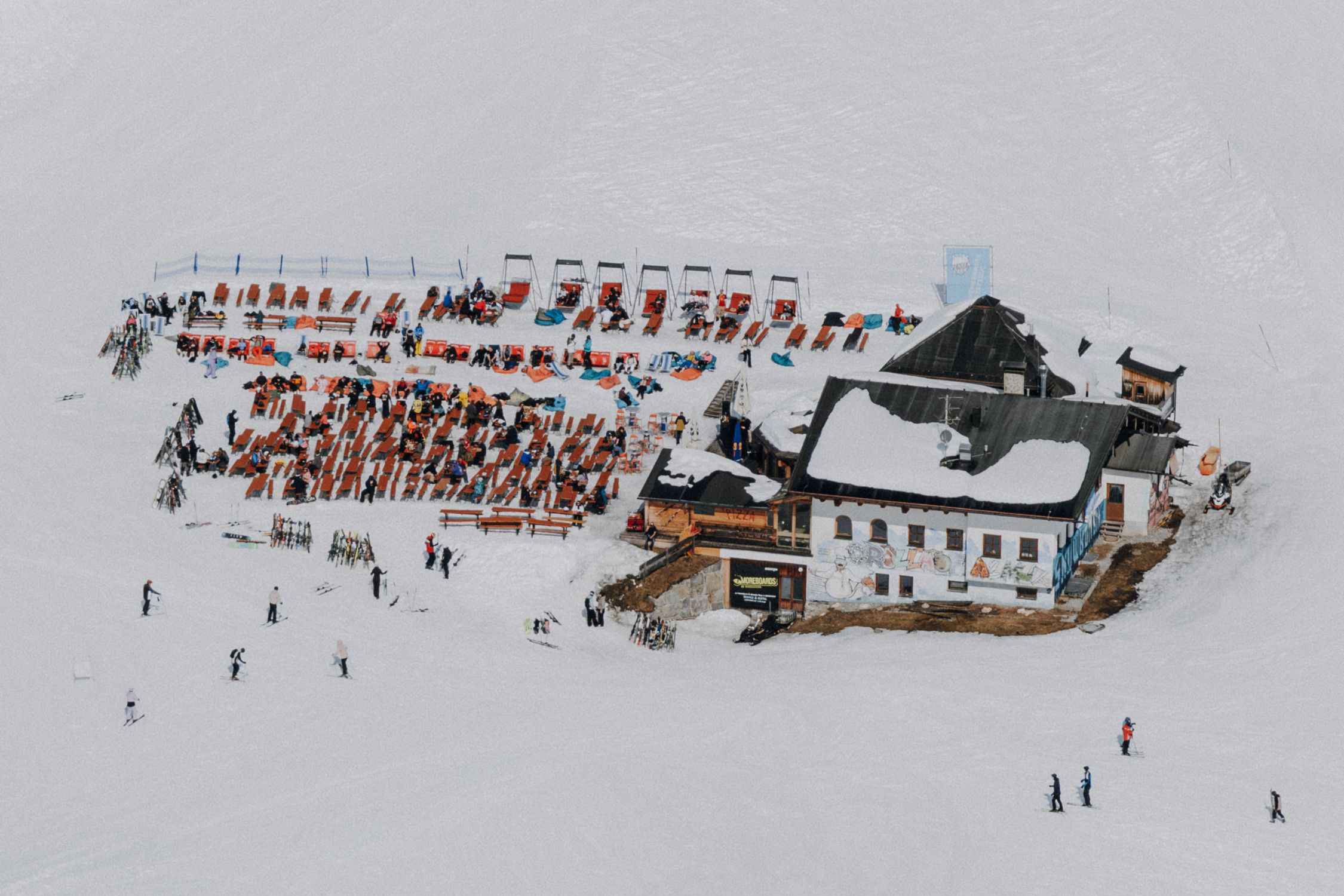
The Stubai Alps, directly accessible from Innsbruck, offer a concentrated touring area that suits weekend trips and introductory multi-day tours equally well. The Stubaier Höhenweg ski route connects the Stubai Valley’s glaciers through a series of ÖAV huts over 4-5 days, with terrain suitable for strong intermediate tourers.
Innsbruck’s accessibility (major European hub for direct flights, excellent climbing gym infrastructure — see our climbing gyms guide) makes the Stubai Alps an excellent choice for combining ski touring with alpine training.
Duration: 3-5 days
Difficulty: Intermediate (AT2-3)
Best season: February through April
Ötztal Alps — Remote Glacier Touring
The Ötztal Alps in western Austria provide the most genuinely remote ski touring in the country. The terrain around Weißkamm and the main Ötztal ridge offers committed multi-day tours on largely crevassed glacier terrain, with huts more widely spaced and weather windows more critical than in the Silvretta or Stubai.
This is the territory for experienced tourers seeking genuine adventure over comfortable infrastructure. The huts exist and are excellent, but the routes between them demand competence.
Duration: 5-7 days
Difficulty: Advanced to Expert (AT4)
Best season: April through May
Austrian Hut Culture: What to Expect
The ÖAV hut system creates a specific social experience that’s as much part of the appeal as the skiing itself.
Reservation system: Almost all huts require advance booking, particularly during prime season (February through May). Book directly with individual huts or through the ÖAV booking system. Many huts sell out for Easter weekend months in advance.
Accommodation: Matratzenlager (dormitory sleeping on mats) is the default. Some huts offer Zimmer (private or semi-private rooms) at premium rates. Bring a hut sleeping bag liner — mattresses are provided, but liners are required and can sometimes be rented.
Food and drink: Full hot meals are served at dinner and breakfast, included or available at modest cost. Lunch is typically available as packed lunch or soup. The food ranges from adequate to genuinely excellent depending on the hut. Local classics — Kaiserschmarrn, Tiroler Gröstl, Gulasch — appear on almost every menu.
Costs: Budget approximately €50-70 per person per night including dinner and breakfast. Hut fees represent exceptional value given their remote locations.
Gear storage: Boot rooms (Schuhraum) are standard; wet gear can be dried overnight. Secure equipment storage is generally available.
Communication: Most Austrian huts now have WiFi; emergency phone communication is always available.
Ski Touring Gear for Austria’s Alpine Routes
| Category | Recommendation | Notes |
|---|---|---|
| Skis | 80-90mm waist width AT ski | Narrower for firm conditions; wider for deep powder |
| Bindings | Tech binding (Dynafit, Marker Kingpin) | Weight savings matter on long ascents |
| Boots | AT boot with good walk mode | Compromise between ascent efficiency and descent control |
| Skins | Cut-to-size climbing skins | Glide treatment improves efficiency significantly |
| Poles | Adjustable touring poles | Longer for ascent, shorter for descent |
| Avalanche safety | Beacon + probe + shovel | Non-negotiable; carried at all times in terrain |
| Navigation | GPS watch + paper map + compass | Electronics fail in cold; paper backup essential |
| Clothing | Merino base, insulating mid, hardshell | Austrian alpine weather changes rapidly |
| Sun protection | SPF 50+ face cream + glacier glasses | Glacier UV intensity is significant |
For gear selection guidance that extends beyond ski touring equipment, our adventure travel gear guide covers comprehensive expedition packing strategy.
Guide Services vs. Independent Touring
Austria offers excellent guide services through certified Austrian Mountain Guide (Österreichischer Bergführer) associations. A guide with a small group (maximum 4:1 client-to-guide ratio for glacier terrain) provides:
- Local knowledge of current conditions and safest routes
- Weather interpretation experience
- Avalanche risk management expertise
- Rescue coordination knowledge
For first-time hut-to-hut tourers or those unfamiliar with glacier travel, a guide for at least the first multi-day trip is strongly recommended. The Innsbruck-based Alpinschule Innsbruck and Bergsport Tirol are well-regarded guide services for the routes above.
Independent touring is appropriate for experienced parties with demonstrated competence in avalanche safety, route finding, and glacier travel. The ÖAV hut network’s quality makes logistics manageable, but the terrain demands respect.

Booking Your Austrian Ski Touring Trip
Optimal timeline: Book huts 3-4 months ahead for February through April peak season. Easter weekend books 5-6 months in advance.
Travel logistics: Innsbruck airport provides the most convenient access for the Stubai, Ötztal, and Silvretta routes. Vienna connects via comfortable train to western Austria. Munich airport (80km from Austrian border) serves all regions with good rental car access.
ÖAV membership: Joining the Austrian Alpine Club provides discounted hut accommodation (typically €3-8 reduction per night) and other benefits. Annual membership is approximately €56 for adults; the savings pay for themselves quickly on a multi-day tour.
Insurance: Austrian ski touring requires comprehensive mountain rescue insurance. ÖAV membership includes rescue insurance. Alternatively, UIAA-compliant mountaineering insurance from your national Alpine Club covers rescue operations.
For adventure safety principles that apply to all backcountry activities, see our adventure travel safety guide.
Related Reading
- Best Climbing Gyms Near Outdoor Crags Worldwide
- Via Ferrata: Europe’s Most Thrilling Iron Roads
- Adventure Travel Safety: Essential Guide
Hut-to-hut ski touring in the Austrian Alps is one of the most complete adventure travel experiences available anywhere. It demands physical preparation, technical skill, and genuine commitment to mountain safety. In return, it offers access to a world of glacier landscapes, mountain hut culture, and earned powder turns that resort skiing can never replicate. Plan carefully, train specifically, respect the avalanche forecast, and go discover why Austrian touring routes have been the benchmark for European backcountry skiing since mountaineering was invented.
Get the best BoldTripGuide tips in your inbox
Weekly guides, deals, and insider tips. No spam, unsubscribe anytime.