Svalbard Arctic Adventure 2026: Snowmobile & Polar Bear Safari
Gear up for a 2026 Svalbard snowmobile trek and polar bear safari. Learn visa rules, safety distances, climate impact, and pro tips for cold-weather explorers.

This post may contain affiliate links. Disclosure
The Arctic archipelago of Svalbard sits at the edge of the world’s fastest‑warming climate zone, offering a raw, high‑stakes playground for seasoned snowmobilers and wildlife hunters. In 2026 the island’s 180 km snowmobile routes thread through glacier‑carved valleys, while the surrounding sea ice hosts a dense population of polar bears — about 300 year‑round residents and another 2,700 roaming between Svalbard and Franz Josef Land. For adventurers who’ve already tackled Lapland or Iceland, Svalbard demands a higher skill ladder, tighter legal compliance, and a deeper respect for an ecosystem that’s both a living laboratory and a fragile sanctuary. Below is the ultimate, gear‑forward guide to navigating visas, safety distances, snowmobile logistics, and responsible travel in this Arctic frontier.
Short answer: Svalbard’s 1920 treaty grants visa-free entry to citizens of all signatory nations, but the archipelago sits under Norwegian sovereignty, so anyone needing a Schengen visa for mainland Norway must hold a valid double-entry Schengen visa to transit Oslo. Roughly 300 polar bears live here year-round, and 180 km of snowmobile routes cross the valleys.
Getting There & Visa Nuances
Svalbard’s unique legal status stems from the 1920 Svalbard Treaty, which grants visa‑free entry to citizens of all signatory nations. However, the archipelago is still under Norwegian sovereignty, meaning travelers who need a Schengen visa for mainland Norway must hold a valid double‑entry Schengen visa when transiting through Oslo or other Norwegian hubs before catching a flight to Longyearbyen. This nuance catches many first‑timers off guard, especially those from non‑EU countries whose Schengen applications are still pending.
Quick tip: Book your Oslo‑Longyearbyen connection on the same ticket to avoid separate immigration checks that could invalidate a single‑entry visa.
For the latest entry and residence rules, consult the Governor of Svalbard’s official entry and residence page.
Flight Options
- Oslo to Longyearbyen: Daily flights operated by SAS and Norwegian Air Shuttle.
- Alternative via Tromsø: Seasonal charters can shave a few hours off total travel time but require an extra domestic transfer.
Once you land, the modest Longyearbyen airport (LYR) sits just a short shuttle ride from the town centre, where most accommodations, gear rentals, and the Svalbard Global Seed Vault visitor centre are clustered. The Seed Vault holds over 1.3 million seed varieties from around the world and is one of the most compelling stop‑offs between your flight and your first sled ride. Budget at least 90 minutes for the visit.
Legal Framework & Polar Bear Safety
In 2025 Norway tightened its polar‑bear protection regulations. All visitors must now keep a minimum distance of 300 meters from any bear at all times, expanding to 500 meters between 1 March and 30 June — the critical denning season when mothers and cubs are most vulnerable. Breaches can result in hefty fines and immediate removal from the archipelago.
These rules are enforced by the Governor’s wildlife officers, who patrol popular landing sites and snowmobile routes. Violations are reported via GPS‑linked ranger radios, and many tour operators now embed real‑time distance alerts into their navigation apps.
For official guidance on bear encounters, see Visit Svalbard’s polar‑bear visitor information. The Barents Sea population research by Polar Bears International provides deeper context on bear numbers and movement patterns.
Practical Safety Measures
- Carry a high‑gain radio with a dedicated wildlife channel.
- Use a GPS tracker that logs your position every 30 seconds; many operators require this for post‑trip analysis.
- Never approach a bear to photograph or feed — maintain distance even if the animal appears curious.
- Travel in groups of at least three snowmobiles when traversing known bear corridors; the noise and visual presence deter close approaches.

Snowmobile Safari Essentials
Snowmobiling is the backbone of the Svalbard adventure season, which runs from February through April. During this window, pack ice stabilises, daylight shifts from polar night to the ethereal blue‑light twilight, and the snowpack is firm enough for high‑speed travel. A typical day‑long expedition covers approximately 180 km, demanding both stamina and precise navigation.
Licensing & Age Requirements
- Category B driving licence (standard car licence) is mandatory for all drivers.
- Minimum age: 18 years.
These standards are enforced by the Norwegian Transport Authority and verified by tour operators before you set foot on a sled. Most operators also require a brief safety briefing and a practice loop around Longyearbyen before heading into the backcountry — treat this as the skill check it is, not a formality.
Equipment Checklist
| Item | Why It Matters |
|---|---|
| Cold‑weather dry suit | Prevents hypothermia during high‑wind exposure at speed. Helly Hansen and Norrona both make expedition‑grade options rated for sustained sub‑zero temps. |
| Helmet with integrated communication | Enables real‑time coordination and emergency alerts. |
| Snowmobile with heated grips | Maintains hand dexterity for long rides; critical after the first 30 km. |
| GPS‑enabled route planner | Critical for staying on approved tracks and respecting bear distance zones. |
| Portable 12 V fridge | Keeps food supplies from freezing solid, reducing waste on multi‑day routes. |
| Insulated water system | Standard hydration packs freeze within minutes at -20 C; use an insulated sleeve or a dedicated thermos system. |
Sample Itinerary
| Day | Route | Highlights |
|---|---|---|
| 1 | Longyearbyen to Barentsburg (approximately 90 km) | Historic Russian mining town, early‑season aurora. |
| 2 | Barentsburg to Pyramiden (approximately 70 km) | Abandoned Soviet settlement, dramatic glacier backdrop. |
| 3 | Pyramiden to Hornsund (approximately 120 km) | Glacial fjord, potential polar‑bear sightings on sea ice. |
| 4 | Hornsund to Return to Longyearbyen (approximately 150 km) | Sunset over the Arctic Ocean, final debrief. |
All routes are pre‑approved by the Governor’s environmental office to minimise disturbance to wildlife and permafrost.
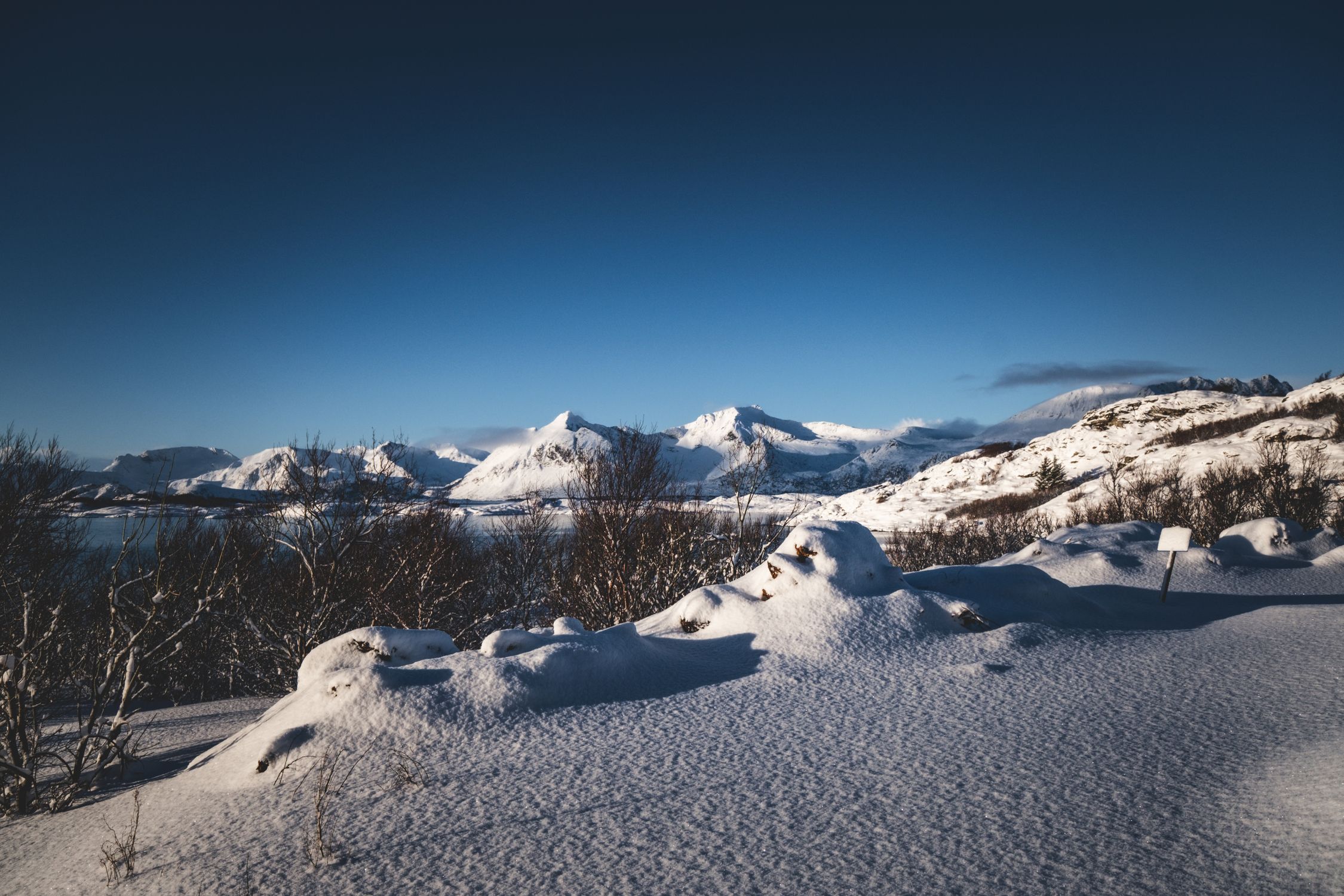
Climate Change Context & Responsible Travel
Svalbard is warming seven times faster than the global average, with temperatures climbing 5 to 7 degrees C since the 1970s. This rapid shift is melting permafrost at a rate of 0.8 degrees C per decade, accelerating the release of stored greenhouse gases and destabilising the ground beneath snowmobile trails.
The archipelago’s 65 percent protection status — national parks and nature reserves — makes it one of Europe’s largest wilderness preserves. Yet the surge in tourism (guest nights doubled from 82,000 in 2010 to over 160,000 in 2019) puts pressure on fragile ecosystems. The post‑pandemic recovery has pushed occupancy near record levels again by 2023, according to official Visit Svalbard statistics.
How to travel responsibly:
- Stay on designated tracks to avoid thawed permafrost zones that could collapse under weight.
- Pack out all waste; Svalbard has limited landfill capacity and strict Leave No Trace policies.
- Support local research by visiting the Svalbard Global Seed Vault (limited access) and donating to climate monitoring projects.
- Choose certified operators — look for the Norwegian Ecotourism certification mark, which requires operators to document environmental impact and use renewable energy where possible.
Logistics & Accommodation
Longyearbyen, the archipelago’s main settlement, offers a range of lodging from boutique hotels to modest hostels.
Recommended Stays
- Radisson Blu Polar Hotel — Central location, heated outdoor pool, and a dedicated gear‑storage wing.
- Basecamp Hotel — Eco‑focused, with solar‑powered heating and a communal kitchen for self‑catering.
All accommodations provide shuttle service to the main snowmobile rental depot, where you can pick up your sled, helmets, and GPS units. Book rentals at least 60 days in advance during peak February and March windows; high‑quality sleds sell out well before arrival season. Operators typically pair guests with a certified Arctic guide for the first day — treat this as mandatory onboarding, not optional tourism. The guide’s route knowledge and wildlife situational awareness is irreplaceable in a landscape where weather and bear encounters can change a plan within minutes.
Food & Fuel
- Fuel: Diesel is sold at the Longyearbyen fuel station; it’s pre‑treated for low‑temperature flow. Carry a small emergency fuel canister for routes that push beyond the day’s turnaround point.
- Meals: Most hotels serve a hearty Arctic menu (reindeer stew, Arctic char, fresh-baked bread). For longer treks, stock up on freeze‑dried meals and high‑energy bars. Caloric needs spike dramatically in cold environments — budget 3,500 to 4,500 calories per active day on the sled.
- Hydration: Dehydration is a silent threat in cold, dry Arctic air. Set a timer and drink regardless of thirst signals; a well-insulated thermos with hot electrolyte drink is the most field-practical solution.

Gear & Preparation
Beyond the mandatory dry suit and helmet, seasoned Arctic explorers should consider the following gear upgrades for a Svalbard expedition. The cold here is a different beast than a European ski resort — sustained wind chill on a moving sled can push apparent temperatures below -40 C on exposed stretches.
- Insulated, wind‑proof gloves with removable liners for quick changes. Mammut and Black Diamond both offer expedition-grade options with grip reinforcement at the throttle contact points.
- Balaclava with integrated communication headset to keep hands free while staying warm.
- High‑energy nutrition packs (chocolate‑based gels work well) that resist freezing.
- Portable solar charger with a high‑capacity power bank to keep GPS and radios powered during the limited daylight hours of February.
- Rab or Hilleberg bivy system for emergency overnight capability — mandatory on multi‑day routes that venture beyond radio range of Longyearbyen.
Physical Conditioning
Snowmobile tours demand steady core strength and cardiovascular endurance. The vibration load from a full day on the sled — particularly on hardpack or sastrugi ice — is equivalent to several hours of light impact exercise. Arrive fit or you’ll pay for it in the form of exhaustion that compromises your decision-making in an environment where decisions carry real consequences. Prior to departure, incorporate:
- Interval training (e.g., hill sprints) to simulate the bursts of power needed on steep glacier inclines.
- Balance drills (e.g., BOSU ball work) to improve stability on uneven snow surfaces and reduce fatigue over a full 8‑hour riding day.
- Cold‑exposure acclimatisation — short ice bath sessions or cold showers in the weeks before travel sharpen your body’s thermogenesis response and reduce the shock of that first Arctic morning.
Final Checklist & Pro Tips
| Check | Item |
|---|---|
| Visa | Double‑entry Schengen visa if required; confirm entry‑free status on sysselmesteren.no. |
| License | Category B driver’s licence, age 18 or older. |
| Bear Distance App | Install the latest GPS‑alert app compatible with Norwegian wildlife regulations. |
| Gear | Dry suit, helmet with comms, insulated gloves, portable charger, high‑calorie food. |
| Insurance | Comprehensive travel and evacuation coverage — Arctic rescues are costly. |
| Environmental Pledge | Commit to staying on marked trails, packing out waste, and respecting 300/500 m bear distances. |
| Local Contacts | Save the Governor’s wildlife hotline and your tour operator’s emergency number. |
Remember, Svalbard isn’t just a backdrop for adrenaline; it’s a living climate‑change laboratory. Your respect for the rules, the wildlife, and the fragile permafrost will determine whether future adventurers can experience the same raw beauty. The archipelago covers 61,022 square kilometers with a permanent population of roughly 2,600 people — one of the lowest population densities of any continuously inhabited territory on Earth. That emptiness is the entire point. Guard it accordingly.
The brands equipping the best operators on the ice — Helly Hansen, Norrona, Rab, Black Diamond, Mammut, and Hilleberg — all share one design philosophy: redundancy. Every critical system has a backup. Heated grips fail; have liner gloves. GPS dies; have a paper topo. Apply that same redundancy mindset to your entire trip plan: backup sled routes, backup accommodations in Longyearbyen if weather pins you down, and a backup flight day to absorb the unpredictability of Arctic operations. The reward for this level of preparation is the rare, unfiltered experience of a landscape that the modern world has barely touched.
Related Reading
Get price-drop alerts and new guides from BoldTripGuide
One email a week: price drops on the gear we recommend, new guides, and what changed. No spam, unsubscribe anytime.