Volcano Boarding Nicaragua: Cerro Negro Guide 2026
Everything you need to know about volcano boarding at Cerro Negro in Nicaragua — tours, safety, what to expect, and tips for the best experience.
This post may contain affiliate links. Disclosure
Volcano boarding is one of the most singular adventure activities on the planet. For more, see our guide to active volcanoes you can hike. You hike up an active volcano, strap yourself to a reinforced plywood board, and slide down a slope of volcanic ash and rock at speeds that can exceed 90 kilometers per hour. It exists in exactly one place on Earth: Cerro Negro, a jet-black cinder cone volcano outside the colonial city of Leon in northwestern Nicaragua.
Since its invention in 2005 by an Australian traveler who tried surfing down the volcano on a mattress (it did not work well), volcano boarding has become Nicaragua’s signature adventure experience. Roughly 10,000 people board down Cerro Negro each year, making it one of the most accessible extreme sports in Central America. This guide covers everything you need to know to do it safely and get the most from the experience.
What Is Cerro Negro?
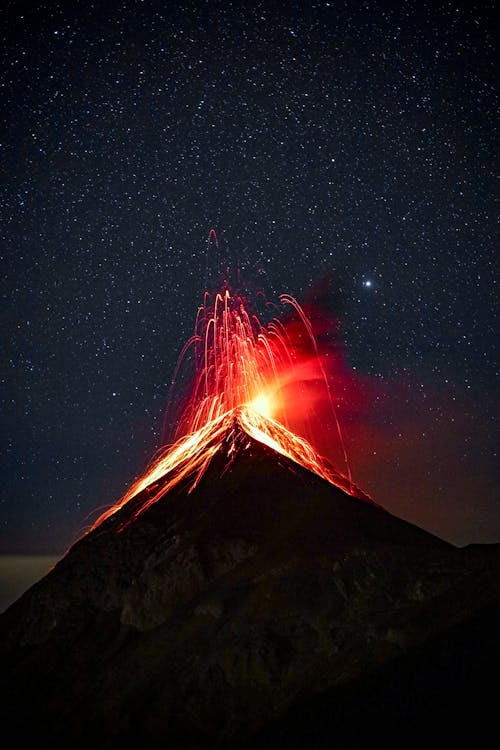
Cerro Negro is one of the youngest and most active volcanoes in Central America. It first erupted in 1850 and has erupted over 20 times since — most recently in 1999. At 728 meters (2,388 feet), it is not a towering peak, but what it lacks in height it makes up for in visual drama. The volcano is a near-perfect black cinder cone rising starkly from the surrounding green farmland, with a crater at the summit that still vents sulfurous gas.
The volcano is part of the Maribios volcanic chain that runs through western Nicaragua, and its relative youth means its slopes are composed of loose volcanic gravel and ash rather than solid rock — which is precisely what makes boarding possible. The surface is similar to coarse black sand, providing enough friction to control speed while being soft enough to slide on.
Cerro Negro’s activity is monitored continuously by Nicaragua’s Instituto Nicaragüense de Estudios Territoriales (INETER). While the volcano is classified as active, the risk of eruption during any given visit is extremely low. Tour operators maintain communication with monitoring agencies and cancel trips if seismic activity increases.
The Experience: What to Expect
Getting There
Cerro Negro is located approximately 25 kilometers (15 miles) northwest of Leon. Most tours depart from Leon in the morning, with a 50-minute drive to the base of the volcano in shuttle buses or converted trucks. The road passes through rural Nicaraguan countryside — cattle ranches, sugarcane fields, and small farming communities.
The Hike Up
The hike from the base to the summit takes approximately 45 minutes to one hour, depending on your fitness level and the heat. For more, see our guide to bucket list hiking trails. The trail ascends the volcano’s outer slope on a well-worn path of loose volcanic gravel — think hiking up a giant pile of dark sand. It is steeper than it looks from below, and the loose surface means you slide back a bit with each step.
The hike is not technically difficult, but it is physically demanding, especially in the heat. Nicaragua’s Pacific lowlands are hot year-round, and there is zero shade on Cerro Negro’s barren slopes. Temperatures at the surface of the black volcanic rock can exceed 50°C (122°F) on sunny days.
What you carry up: Your volcano board (a plywood-and-metal sled weighing about 5 kilograms) plus your protective gear. Most tour operators have you carry your board for at least part of the ascent, though some offer porter assistance.
At the Summit
The summit rewards you with panoramic views of the Pacific coast, the colonial city of Leon, and the chain of volcanoes stretching north and south along the Nicaraguan horizon. On clear days, visibility extends for dozens of kilometers.
You will also walk along the crater rim and peer into the main crater, which vents sulfurous steam. The ground near the vents is noticeably warm underfoot. This is the most visceral reminder that you are standing on an active volcano.
Your guide will spend 10–15 minutes at the top explaining the boarding technique, fitting your protective gear, and setting up the descent route.

The Descent
This is why you came. The boarding slope is on the volcano’s steepest face — a roughly 40-degree incline of black volcanic gravel that drops approximately 500 vertical meters over a distance of about 700 meters.
How it works: You sit on the board (similar to a toboggan position) with your feet forward and your hands gripping rope handles on either side. The board has a metal and formica base designed to reduce friction against the volcanic surface. You steer by shifting your weight and use your feet as brakes by digging them into the gravel.
Speed: Most people reach 40–60 km/h on their descent, though the record is over 90 km/h. You control your speed entirely through your feet — drag them harder to slow down, lift them to accelerate. If you want to go fast, lean back and keep your feet up. If you want to go slow, sit up and plant your feet.
The ride lasts: Approximately 30–90 seconds depending on speed and braking. It goes by much faster than you expect.
Standing option: Some riders attempt the descent standing up, snowboard-style. This is significantly more difficult, produces higher speeds, and results in more crashes. Most operators teach the seated position first.
After the Descent
You will be covered in fine volcanic ash — in your hair, ears, nostrils, clothes, and every crack of your phone case. The ash is not harmful but it gets everywhere and requires a thorough shower to remove completely. Many tours include a stop at Las Penitas Beach or a local swimming hole afterward, which serves as both a rinse-off and a post-adrenaline wind-down.
Choosing a Tour Operator
Several operators run volcano boarding tours from Leon. Quality varies significantly, so choose carefully.
What to Look For
Safety briefing quality: The best operators spend real time explaining technique, speed control, and what to do if you lose control. Be wary of operators who rush through safety instructions.
Gear condition: Inspect the boards and protective equipment. Boards should be sturdy with no cracks. Goggles should seal properly. Jumpsuits should be intact.
Guide experience: Ask how long the guides have been running tours and how frequently. Experienced guides know the slope conditions, can read weather, and respond effectively if something goes wrong.
Group size: Smaller groups (under 15 people) get more individual attention and less waiting at the summit. Some budget operators pack 30+ people into a single departure.
Insurance: Confirm that the operator carries liability insurance and has a plan for medical emergencies. The nearest hospital is in Leon, roughly 30 minutes away.
Top Operators
Bigfoot Hostel: The original volcano boarding operator and still the most popular. They invented the sport in its current form. Consistent quality, well-maintained equipment, and experienced guides. Tours include transport, gear, guide, and a cold beer at the bottom.
Volcano Day Nicaragua: Offers both “basic” and “premium” packages with varying levels of equipment quality and personal attention.
Quetzaltrekkers: A non-profit operator that donates proceeds to local street children’s programs. Slightly longer briefings and strong safety focus.
Typical Cost
Volcano boarding tours run $25–45 USD per person, which includes transportation from Leon, guide, equipment (board, jumpsuit, goggles, gloves), and usually water and a snack. At this price point, it is one of the most affordable extreme sports experiences in the world.
Safety Considerations
Volcano boarding carries real risk. While serious injuries are uncommon, they do occur — mostly from crashes at speed or from heat-related illness during the hike.
Common Risks
Crashes: If you catch an edge or hit a rock at speed, you will tumble. The volcanic gravel is abrasive and will scrape exposed skin. The jumpsuit, gloves, and goggles protect your most vulnerable areas. Wearing long pants and a long-sleeve shirt under the jumpsuit adds another layer of protection.
Heat exhaustion: The hike up a black, shadeless volcano in tropical heat is more demanding than most people expect. Drink at least 1.5 liters of water during the hike. Bring your own water bottle — do not rely solely on what the operator provides.
Volcanic ash inhalation: Fine ash particles can irritate lungs and eyes. Goggles protect your eyes, and a bandana or buff over your nose and mouth during the descent reduces inhalation. If you have asthma or respiratory sensitivities, consult your doctor before booking.
Ankle and knee injuries: The loose gravel surface is unstable for walking, and the descent can jolt joints if you brake hard. Wear sturdy closed-toe shoes with ankle support — not sandals, not flip-flops.
Safety Tips
- Listen to the safety briefing. The technique for controlling speed and stopping is simple but must be executed correctly.
- Start slow on your first descent. You can always ask to go again if the operator allows a second run (some do, for an extra fee).
- Do not ride immediately behind another person. Maintain at least 30 meters of spacing to avoid collisions.
- If you lose control, bail off the board to the side rather than riding it out. A controlled roll on gravel is safer than an uncontrolled crash at speed.
For broader safety planning for adventure activities, our adventure travel safety guide covers risk assessment frameworks that apply here and everywhere.
What to Bring
Essentials:
- Sturdy closed-toe shoes (hiking shoes or sneakers — not sandals)
- Sunscreen (SPF 50+, applied before the hike)
- At least 1.5 liters of water
- Bandana or buff for dust/ash protection
- Sunglasses (for the hike — goggles are provided for the descent)
Recommended:
- Long pants and long-sleeve shirt (wear under the jumpsuit for extra crash protection)
- Hat with a chin strap (wide-brim for sun protection)
- GoPro or action camera with mount (many operators provide footage, but having your own is better)
- Small towel and change of clothes (you will be filthy afterward)
- Cash for tips and any extras
Leave behind:
- Jewelry (it will get scratched or lost)
- Expensive clothing (volcanic ash stains and abrades fabric)
- Loose items that could fly off during the descent
Leon: Your Base Camp
Leon is a compelling adventure travel destination beyond volcano boarding. The city is one of the oldest Spanish colonial settlements in the Americas, with a UNESCO World Heritage cathedral, vibrant street art, and an emerging food scene.
What Else to Do in Leon
Cathedral de la Asuncion: Climb to the roof of the largest cathedral in Central America for sunset views over the city and volcanoes. The white-painted roof is a surreal landscape.
Las Penitas Beach: A laid-back Pacific beach 20 minutes from Leon with consistent surf, fresh seafood, and mangrove-lined estuaries for kayaking. Many volcano boarding tours include a beach stop afterward.
Telica Volcano Night Hike: For a different volcanic experience, hike Telica volcano at night to watch the glowing red lava in the crater. This is one of the few places in Central America where you can safely view active lava.
Street Art and Culture: Leon has a revolutionary history (it was a stronghold during the Sandinista revolution) and a strong contemporary art scene. Walking the mural-covered streets is an experience in itself.
Where to Stay
Leon’s accommodation ranges from $8/night dorms in backpacker hostels to $80/night boutique hotels in converted colonial houses. The Bigfoot Hostel (which also runs the volcano boarding tour) is a popular hub for adventure travelers. For those traveling on a budget, Leon is one of the most affordable cities in Central America.

When to Go
Dry Season (November–April): The best time for volcano boarding. Clear skies, no rain, and firm volcanic gravel that provides good boarding conditions. December through February is peak tourist season in Leon.
Wet Season (May–October): Rain can make the volcanic gravel sticky and slower, reducing speeds. Afternoon thunderstorms are common. However, fewer tourists mean shorter wait times and lower prices. Morning departures before the rain arrives can still provide excellent conditions.
Temperature: Leon is hot year-round, with daytime highs of 32–37°C (90–99°F). The hike up Cerro Negro is most comfortable in the early morning, so choose the earliest available departure.
Nicaragua Travel Logistics
Getting to Leon
Leon is served by Managua’s Augusto C. Sandino International Airport (MGA), roughly 90 minutes away by road. Direct buses and shared shuttles run between Managua and Leon throughout the day. From other Central American countries, overland bus connections are straightforward.
Visa and Entry
Most nationalities receive a 90-day visa on arrival (the CA-4 visa, shared with Guatemala, Honduras, and El Salvador). A valid passport and proof of onward travel are required.
Safety in Nicaragua
Nicaragua’s political situation has been turbulent in recent years. Leon and the Pacific tourism corridor remain safe for travelers, but check your government’s travel advisory before booking. Common-sense precautions (avoiding political demonstrations, not displaying expensive electronics, using registered taxis) apply.
Travel insurance that covers adventure activities is essential. Volcano boarding is sometimes classified as an extreme sport, so verify that your policy covers it specifically. Our adventure travel insurance guide explains what to look for in a policy for activities like this.
Health
No special vaccinations are required for Nicaragua, though hepatitis A and typhoid are recommended. Malaria risk is low in Leon and the Pacific lowlands. Dengue fever is present — use insect repellent, especially during the wet season.
Is Volcano Boarding Worth It?
Volcano boarding is not the most adrenaline-intense extreme sport. It is not as fast as skiing, as technical as rock climbing, or as sustained as whitewater rafting. The actual ride down the volcano lasts under two minutes.
What makes it extraordinary is the sheer absurdity and uniqueness of the experience. You are sliding down an active volcano on a plywood board. There is nowhere else on Earth you can do this. The combination of the dramatic hike, the summit views, the primal thrill of the descent, and the volcanic landscape creates a memory that is completely unlike anything else in adventure travel.
For the price (under $50), the time investment (half a day), and the accessibility (no prior experience needed), volcano boarding delivers one of the highest fun-to-effort ratios in adventure travel. It is the kind of experience that makes great stories — and in adventure travel, stories are the whole point.
Final Thoughts
Cerro Negro will cover you in ash, test your nerves, and give you a story that makes everyone at the dinner table lean forward. It is adventure travel distilled to its most playful form — a reminder that sometimes the best experiences come from someone looking at a volcano and thinking, “I wonder if I could ride down that.”
Book a morning tour, bring plenty of water, listen to your guide, and lean into the absurdity. Then go rinse off in the Pacific and start planning your next improbable adventure.
Get the best ThrillStays tips in your inbox
Weekly guides, deals, and insider tips. No spam, unsubscribe anytime.