Where to Stay Near Grand Teton: Basecamp Guide 2026
Explore every lodging option around Grand Teton National Park for 2026. From luxe in-park cabins to budget-friendly inns, plus fees, safety tips, and gear.

This post may contain affiliate links. Disclosure
The Tetons aren’t just a backdrop for a weekend photo; they’re a launchpad for alpine climbs, river runs, and backcountry treks that demand a solid basecamp. In 2026 the park’s lodging landscape is a mix of ultra-luxury lodges perched on the shoreline, rustic ranches that let moose wander by your hot tub, and budget studios that drop you a stone’s throw from the trailhead. This guide breaks down every verified stay, the latest entrance fees, wildlife safety rules, and the headlamps that will keep your night hikes on track. Pack light, book early, and let the mountains do the rest.
Short answer: Grand Teton basecamps fall into three tiers: in-park icons like Jenny Lake Lodge and Jackson Lake Lodge, downtown Jackson boutiques such as the Anvil Hotel, and budget inns a short drive from the entrance station. Every option below is verified for 2026 with nightly price bands. Choose by trailhead proximity first, budget second.
The Best Places to Stay
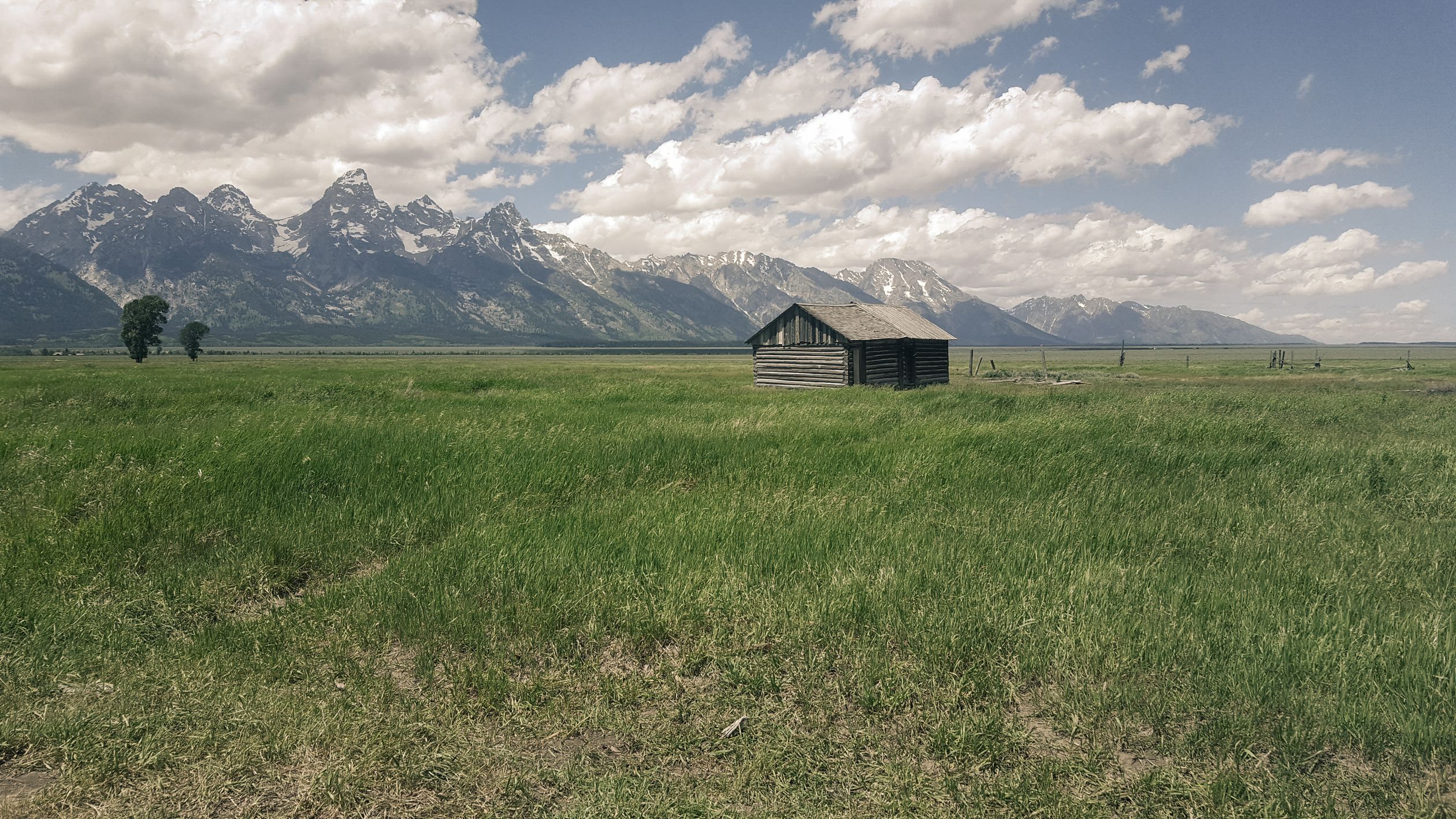
All of the hotels below are verified for 2026 and link directly to their booking pages. Prices are shown as nightly bands; actual rates vary by season and room type. The lineup spans the full spectrum, from in-park icons on Jenny Lake and Jackson Lake to downtown Jackson boutiques and budget motels a short drive from the entrance station, so pick your base by proximity, budget, and how much wildlife you want wandering past your window.
Jenny Lake Lodge
Nestled on the shore of Jenny Lake, this AAA 4-Diamond property offers rustic cottages that feel like upscale cabins. The Signature Stay Package bundles a five-course dinner, breakfast, horseback riding, and cruiser bikes-perfect for a honeymoon or anniversary that wants a touch of adventure. Price: $600-900 per night. Pros: Most exclusive in-park stay; unforgettable dining. Cons: Very expensive and books out fast-in-park lodges like this one should be reserved up to a year in advance (We’re in the Rockies). Best for luxury honeymoon and anniversary trips. Jenny Lake Lodge - Check rates.
Jackson Lake Lodge
Perched on a bluff overlooking Jackson Lake, this iconic resort boasts 385 rooms and a lobby wall of 60-foot windows that frame the Teton Range (GTLC). An outdoor pool, on-site restaurants, and a handful of shops make it a comfortable hub for families who’d rather not leave the property after a long day of hiking. Price: $350-500 per night. Pros: Iconic views, full amenities. Cons: Large, busy property can feel impersonal. Best for families wanting an in-park resort base. Jackson Lake Lodge - Check rates.
Spring Creek Ranch
Set 1,000 ft above Jackson in a wildlife sanctuary, this ranch blends western-style rooms with private terraces where moose sightings from the hot tub are a regular occurrence. The quiet setting is a short drive from town, giving you the best of both worlds-wildlife-watching seclusion at night and easy access to Jackson’s restaurants and outfitters by day. Price: $400-700 per night. Pros: Quiet, wildlife-rich setting close to town. Cons: Still a short drive from the park entrance. Best for wildlife-watching couples wanting quiet luxury. Spring Creek Ranch - Check rates.
The Lodge at Jackson Hole
Located in the heart of Jackson, this lodge mixes western decor with a spa and indoor-outdoor pool. You’re steps from the town’s restaurants and nightlife, then a 10-minute drive to the park-a good compromise for travelers who want an evening out without sacrificing morning trailhead access. Price: $300-450 per night. Pros: Central to Jackson’s amenities. Cons: 10+ minute drive to the park. Best for travelers wanting Jackson’s town amenities plus easy park access. The Lodge at Jackson Hole - Check rates.
Anvil Hotel
Downtown Jackson’s boutique modern-Western hotel delivers design-forward rooms and a strong on-site restaurant. It’s about a 10-minute drive to the park, making it a walkable base for city lovers who want to swap trail dust for a good cocktail list at night. Price: $250-400 per night. Pros: Strong restaurant, walkable downtown. Cons: Smaller boutique property limits amenities. Best for design-forward travelers wanting a walkable downtown base. Anvil Hotel - Check rates.
Teton Mountain Lodge & Spa
Set in Teton Village, this luxury resort offers ski-village amenities that transition seamlessly to summer hiking. The spa, hot tubs, and on-site dining make recovery after a hard day on the trail effortless, and the Village’s gondola and lift infrastructure double as a fast way up for sunrise photographers. Price: $350-550 per night. Pros: Pairs well with Jackson Hole Mountain Resort activities. Cons: Farther from park entrances than downtown Jackson. Best for travelers combining Teton hiking with mountain-resort amenities. Teton Mountain Lodge & Spa - Check rates.
Flat Creek Inn
Just under 2 miles from the park and a 10-minute drive from Jackson, this budget-friendly inn offers a deluxe King studio with a kitchen. It’s basic motel-style but puts you at the trailhead without breaking the bank, and the in-room kitchen means you can skip a few restaurant tabs to put toward permits or a guided float trip. Price: $150-220 per night. Pros: Budget-friendly, close to the park. Cons: Basic amenities. Best for budget travelers wanting proximity without luxury pricing. Flat Creek Inn - Check rates.
For a full list of official park lodging options see the Grand Teton Lodge Company.
Getting Into the Park - Fees & Passes
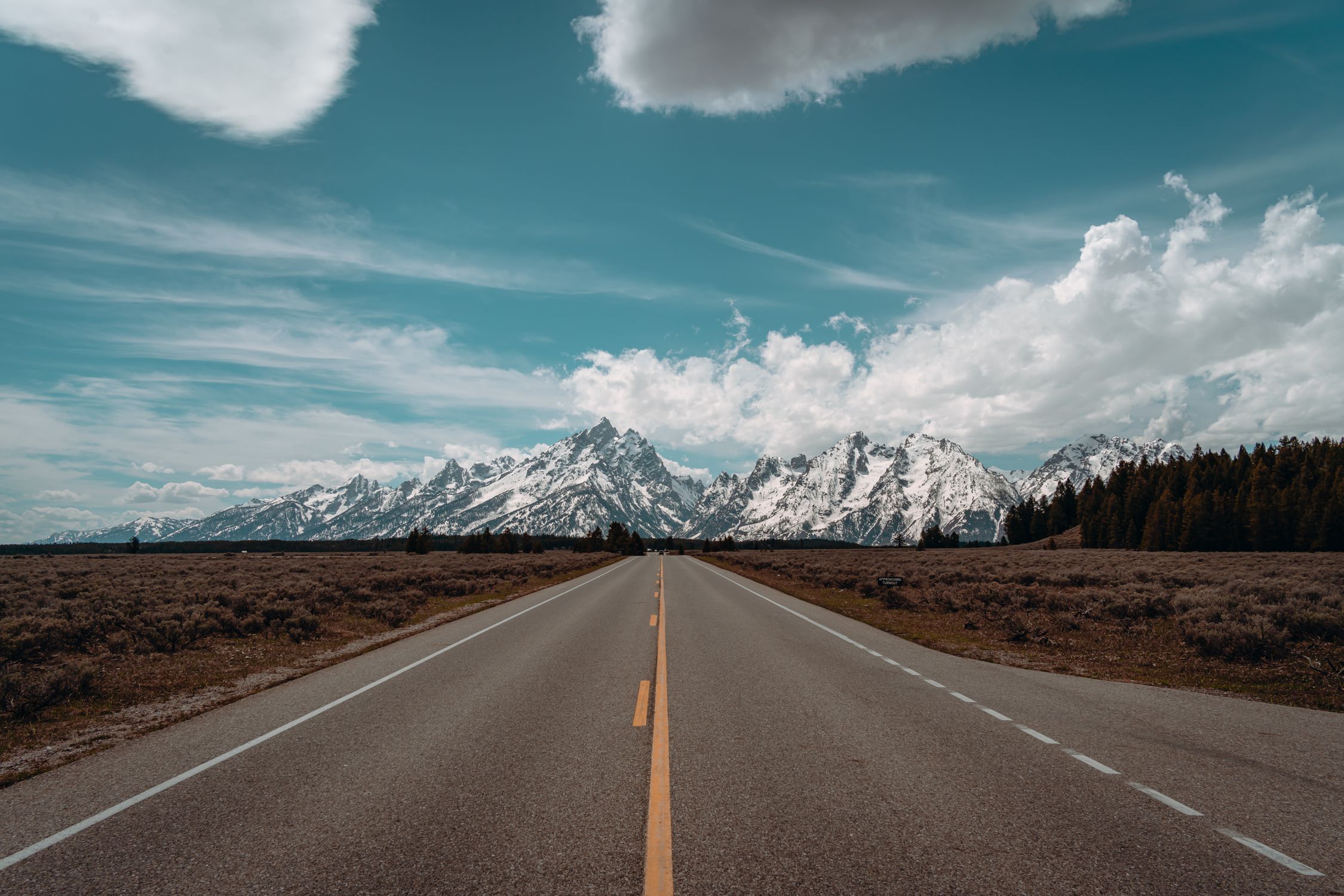
Entrance fees are straightforward but can add up if you’re shuttling a crew. A private vehicle pays $35 for a seven-day pass, motorcycles $30, and walkers or cyclists $20; kids 15 and under enter free (National Park Service). Starting Jan 1 2026, non-U.S. residents 16 and older face an extra $100 surcharge per person (Mountain Journal). If you plan multiple trips or a long backcountry itinerary, consider the annual America the Beautiful pass, which covers Grand Teton and all other national parks and pays for itself after just two visits. Check the official NPS fees page before you arrive, since the 2026 international surcharge is new and gate staff may ask for ID to confirm residency.
Wildlife & Safety Essentials
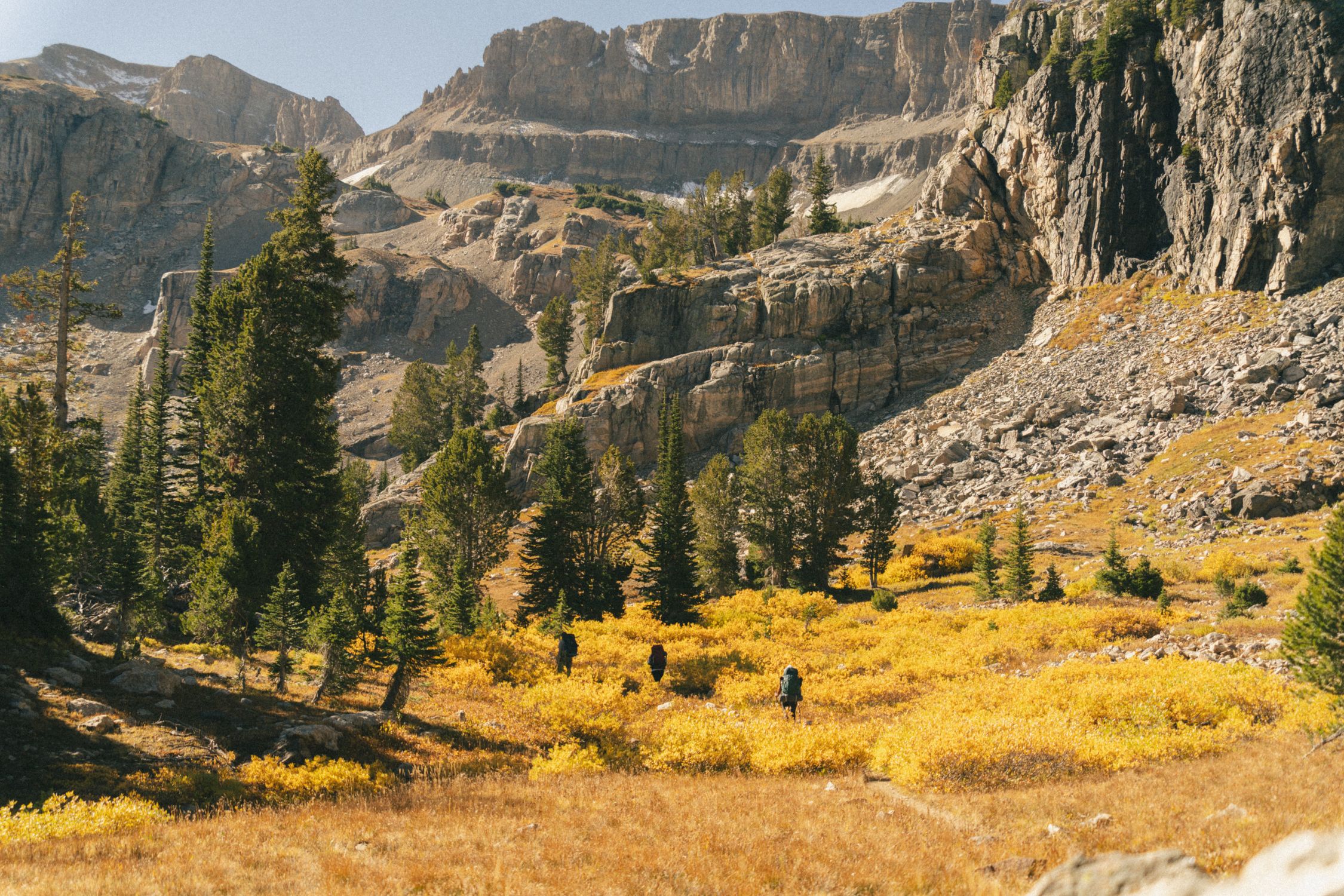
The Tetons are a wildlife haven, and the park’s regulations are crystal clear: stay at least 100 yards from bears and wolves, and 25 yards from elk, moose, and bison (National Park Service). Bear spray is the most effective deterrent and should be within arm’s reach on every hike (National Park Service). A cow moose with a calf is flagged by rangers as one of the more dangerous encounters-keep your distance and never approach (Teton Employee). Carrying a certified bear spray can be the difference between a photo op and a heart-pounding scramble. The NPS bear safety page covers how to carry it (holster, not backpack) and when to deploy it, and it’s worth a five-minute read before your first trailhead. On blind corners and near rushing water where wildlife can’t hear you coming, calling out or clapping periodically gives animals time to move off before you’re close.
What to Pack
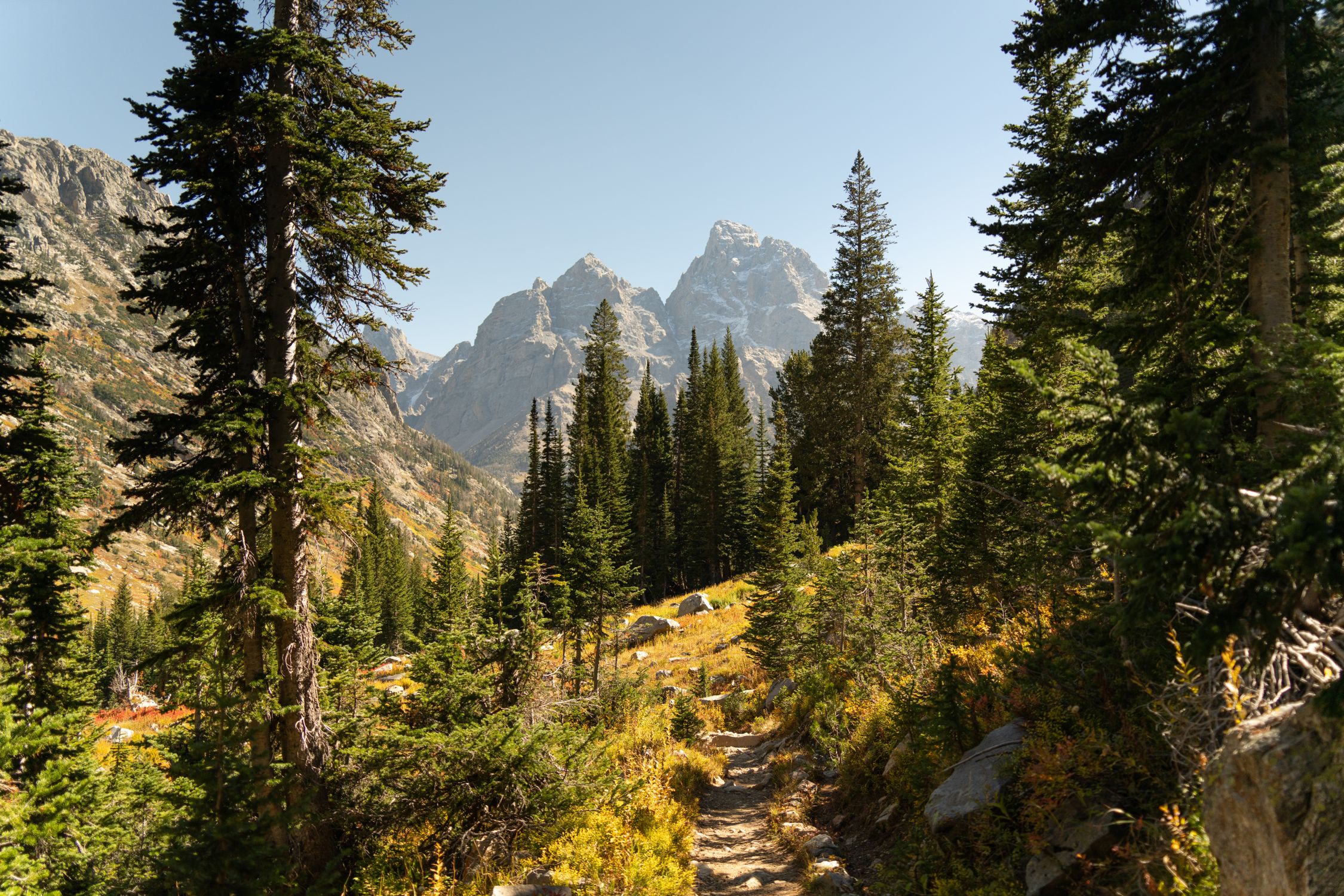
Nighttime navigation and cave explorations demand reliable illumination. Here are three headlamps that have earned their stripes:
-
Petzl ACTIK CORE Rechargeable Headlamp 600 Lumen ($69.95) - 600 lumens, a 120m beam distance, dual CORE rechargeable + 3 AAA backup, IPX4 splash-resistant, and only 88g with the CORE battery installed. Ideal for cavers and night hikers who need brightness and backup power for an early alpine start. Drawback: headband quality has slipped in recent production runs.
-
BLACK DIAMOND Storm 450 Headlamp ($49.95) - 450 lumens with a 120m beam distance, fully waterproof IP67 housing, and PowerTap Technology that jumps straight to max output with one tap. Runs on three included AAA batteries or a BD rechargeable pack at 110g total. Great for canyon hikes and stream crossings where water is a constant threat. Cons: latch durability concerns and lower lumen output than premium models.
-
BLACK DIAMOND Storm 500-R Rechargeable Headlamp ($79.95) - 500 lumens, a 120m beam distance, IP67 waterproof, micro-USB charge in 3 hours, and a 350-hour low-mode runtime built for multi-night backcountry trips where recharging is limited. Cons: some users report electronics failures after extended use, and it charges via micro-USB rather than USB-C.
Pair any of these with a sturdy helmet or cap, and you’ll have hands-free light for everything from glacier crossings to late-night campfire prep. Teton weather can swing from sunny mornings to sudden alpine squalls, so a packable rain shell and a warm mid-layer earn their weight even in July, especially above treeline where the temperature drop is fastest.
Mistakes to Avoid

-
Waiting Too Late to Book - In-park lodges like Jenny Lake and Jackson Lake should be reserved up to a year in advance (We’re in the Rockies). Last-minute bookings force you into distant motels and add extra drive time. Check the NPS lodging page or the Grand Teton Lodge Company directly for cancellation openings if your dates are already locked in.
-
Under-estimating Wildlife Distances - Ignoring the 100-yard rule for bears and wolves, or the 25-yard rule for elk, moose, and bison, can result in citations or, worse, dangerous encounters. Keep your food sealed and store it in bear-proof lockers where available, and remember that a cow moose with a calf is one of the more dangerous encounters rangers flag, so give her a wide berth even if she seems calm.
-
Skipping the Bear Spray - Even seasoned hikers skip it, but the park’s own guidance makes it a non-negotiable item on any trail, not just backcountry routes. A cheap spray that fails in cold weather is a false sense of security, so buy a rated canister and practice the safety-clip release before you’re on the trail, not in the moment you need it.
-
Assuming All Roads Are Open - Seasonal road closures, especially on the high-country passes, can add 30-plus miles to your route and blow past a timed activity or dinner reservation. Check the current conditions on the park’s website before you set out, and build a buffer into your itinerary during shoulder-season trips when closures are most unpredictable.
-
Overpacking Gear - The Tetons reward lightness. Extra boots, multiple jackets, and bulky headlamps add weight that slows you on steep ascents where every extra pound matters. Stick to a modular layering system-base layer, insulating mid-layer, waterproof shell-and test your full pack on a short day hike first so you know what you’ll actually use before committing to a longer route.
By planning ahead, respecting wildlife, and keeping your pack lean, you’ll turn potential pitfalls into smooth, adrenaline-charged days on the trail-leaving more energy for the summit push or the float trip instead of the logistics.
Related Reading
Get price-drop alerts and new guides from BoldTripGuide
One email a week: price drops on the gear we recommend, new guides, and what changed. No spam, unsubscribe anytime.