Where to Stay Near Olympic National Park - Basecamp Guide 2026
2026 guide to the best lodges, cabins, and hotels around Olympic National Park. Gear tips, road info, fees, and smart basing strategies for climbers and hikers.

This post may contain affiliate links. Disclosure
Olympic National Park is a playground for anyone who lives for vertical drops, tide-pounding surf, and deep-green rainforests. In 2026 the park still demands a solid basecamp plan: you’ll need a spot that cuts drive time to the ridge, the coast, or the temperate rainforest, plus a stash of reliable gear for night-time navigation. This guide breaks down every verified lodging option, maps out the seasonal road quirks, and drops a quick gear checklist so you can focus on the climbs, the waves, and the endless trail miles without getting stuck in a parking lot or a cold-sweat hotel room.
Short answer: Olympic has no single central basecamp, so choose the corner of the park you are prioritizing. Seven vetted options cover three in-park historic lodges, the coastal outpost at Kalaloch Lodge, the Sol Duc Hot Springs Resort retreat, and two Port Angeles bases closest to Hurricane Ridge. Book to match your itinerary, not just your budget.
The Best Places to Stay Near Olympic National Park
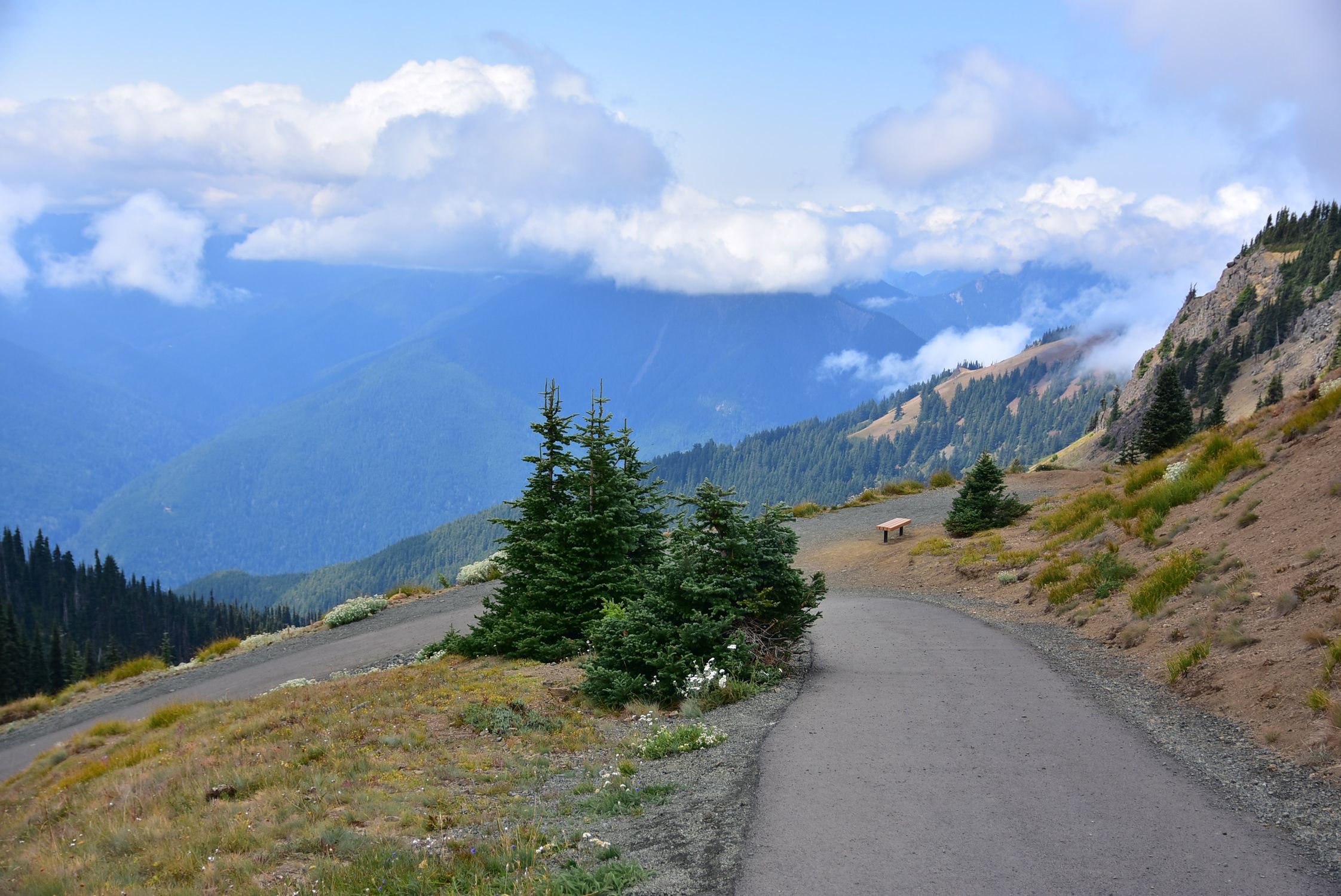
Seven vetted options span the full range of the park’s edges: three in-park historic lodges, a coastal outpost, a hot-springs retreat, and two Port Angeles bases. The real decision isn’t which hotel is objectively best, it’s which corner of Olympic you’re prioritizing first-book the one that matches your itinerary, not just your budget.
Olympic Lodge by Ayres
Port Angeles - about 5 minutes from the Hurricane Ridge entrance. Price range: $200-300 per night. A sleek, upscale lodge with a fireplace-lined lobby and an outdoor pool that stays warm enough for a soak after a day on the ridge-a solid choice if you want hotel-grade comfort without sacrificing proximity to the trailhead. Olympic Lodge by Ayres offers the shortest drive to Hurricane Ridge, but you’ll still need an extra 30-45 minutes for the western coast or the Sol Duc valleys. Pros: Closest upscale option to Hurricane Ridge. Cons: Still a drive to the western and coastal zones.
Lake Crescent Lodge
Lake Crescent - inside the park, on the north shore of the lake. Price range: $200-350 per night. Historic charm from 1915, with a stone-fireplace lobby and a sun porch that looks straight over the water-book the newer annex wing if you want A/C and a TV, since the original historic rooms skip both in favor of period character. Lake Crescent Lodge puts you right in the park’s heart, but rooms in the original wing lack A/C or TV. Pros: Iconic in-park stay with lake views. Cons: Rustic rooms, limited modern amenities.
Lake Quinault Lodge
Lake Quinault - south end of the park, rainforest setting. Price range: $200-320 per night. Built in 1926, the lodge features an indoor pool, sauna, and the Roosevelt Dining Room that serves locally sourced fare-a rare combination of old-growth-forest scenery and genuine creature comforts after a soggy day on the rainforest trails. Details worth confirming on the official Lake Quinault Lodge page before you book. Lake Quinault Lodge is perfect for rainforest explorers, though it sits far from Hurricane Ridge and Port Angeles. Pros: Direct rainforest access, lakefront vibe. Cons: Distance from northern park zones.
Kalaloch Lodge
Pacific coast - about 90 minutes south of Port Angeles. Price range: $200-350 per night. Oceanfront cabins sit on driftwood-strewn beaches, delivering sunrise surf and sunset cliff walks right outside your door-pack layers, since coastal Washington wind rarely lets up even on clear days. Kalaloch Lodge is the park’s premier oceanfront lodging, but its remote location makes day trips to the ridge a long haul. Pros: Best oceanfront setting in the park. Cons: Remote from other zones.
Sol Duc Hot Springs Resort
Sol Duc Valley - nestled among towering evergreens. Price range: $200-320 per night. The only lodging in the Sol Duc Valley, offering direct access to natural hot-spring pools and the trailhead to Sol Duc Falls just up the road-there’s genuinely nowhere else to stay in this pocket of the park, so it’s a book-ahead-or-miss-out situation. Sol Duc Hot Springs Resort is seasonal and has limited amenities, but the soak after a long hike is priceless. Pros: Hot-spring pools, immediate trail access. Cons: Seasonal operation, fewer services.
Red Lion Hotel Port Angeles Harbor
Port Angeles - downtown waterfront. Price range: $150-250 per night. Highly-rated breakfast, harbor views, and a walkable downtown that puts the Coho ferry to Victoria within easy reach-worth considering even if you’re not crossing the border, since it’s the most livable base for a multi-day trip that needs real restaurants and grocery runs. Red Lion Hotel Port Angeles Harbor sits 25 minutes from Hurricane Ridge and serves as a budget-friendly base outside the park. Pros: Central location, good food, ferry access. Cons: Not inside the park.
Forks Cabin Rentals
Forks - western access point, 45 minutes from Hoh Visitor Center. Price range: $120-220 per night. A collection of cabins and modest motels that give you the quickest jump to the Hoh Rainforest and La Push beaches-book early in summer, since the handful of full-service options in this stretch fill up well before the bigger Port Angeles hotels do. Forks cabin rentals are the most practical option for rain-forest-focused itineraries, though full-service hotels are scarce. Pros: Proximity to Hoh and La Push. Cons: Limited full-service options.
Getting Around and Road Realities
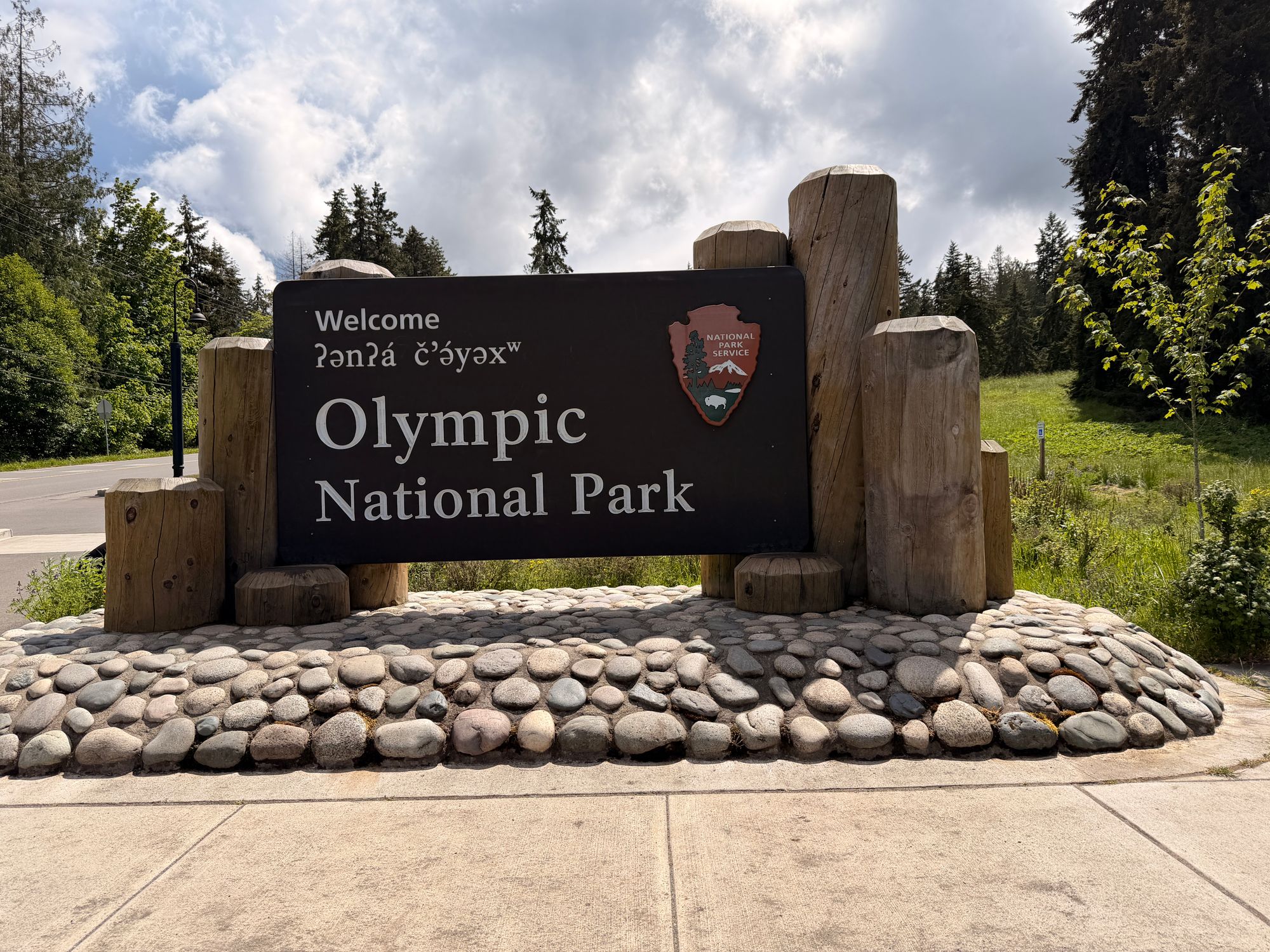
Olympic’s road network is a patchwork of seasonal closures and weather-dependent schedules. The Hurricane Ridge Road, the main artery to the ridge, runs a winter schedule of Friday-through-Sunday only from December through March, and chains may be required even on clear days. Check the latest conditions on the road conditions page before you head out. The park entrance fee is $30 per vehicle in 2026 and must be paid by credit or debit card-cash is not accepted, according to the National Park Service (see the official fees page for the current schedule). Because the park’s four in-park lodges (Lake Crescent, Sol Duc Hot Springs, Kalaloch, Lake Quinault) are spread out, plan your daily drives to stay under two hours whenever possible; the common basing pattern of two nights in Port Angeles followed by two nights near Forks or Lake Quinault keeps mileage manageable (Miss Tourist). That spread-out layout is the park’s defining logistical challenge: no single hotel puts you within easy striking distance of the ridge, the rainforest, and the coast all at once, so most crews end up running a two-base strategy rather than hunting for one perfect basecamp. Fuel up before you leave Port Angeles or Forks, too-gas stations thin out fast once you’re deep in the park’s interior loops.
What to Pack for Alpine & Rainforest Adventures
Nighttime navigation in the park’s caves, waterfalls, and dense forest demands a reliable headlamp. Here are three vetted options:
-
Petzl ACTIK CORE Rechargeable Headlamp 600 Lumen ($69.95) - 600 lumens with a 120m beam distance, dual power (rechargeable CORE + 3 AAA backup), IPX4 splash resistance, and just 88g on your head with the CORE battery installed. Ideal for cavers and night hikers who need a bright, flexible beam, though the headband quality has slipped in recent production runs.
-
BLACK DIAMOND Storm 450 Headlamp ($49.95) - 450 lumens with a 120m beam distance, fully waterproof IP67 housing, PowerTap Technology for instant max-brightness access, and three LED colors including a dedicated night-vision red. Great for canyon hikes and wet environments at 110g total weight, but the latch on the battery compartment can be finicky.
-
BLACK DIAMOND Storm 500-R Rechargeable Headlamp ($79.95) - 500 lumens, a 120m beam distance, IP67 waterproof, micro-USB recharge in three hours, and a 350-hour low-mode runtime that outlasts a multi-night caving trip. Perfect for serious cavers, though some users report electronics failures after heavy use and it charges via micro-USB rather than USB-C.
Pack a lightweight rain shell, insulated layers for ridge mornings, and sturdy waterproof boots-Olympic’s microclimates shift from snow-capped peaks to temperate rainforest within minutes, and the Hoh Rainforest alone can dump rain even when Hurricane Ridge is bone-dry. A dry-bag for camera gear and a spare set of socks will save your trip if a coastal squall catches you between Kalaloch and the car, and trekking poles take real pressure off your knees on the steep, root-tangled descents into the rainforest valleys.
Timing, Fees, and Permit Basics
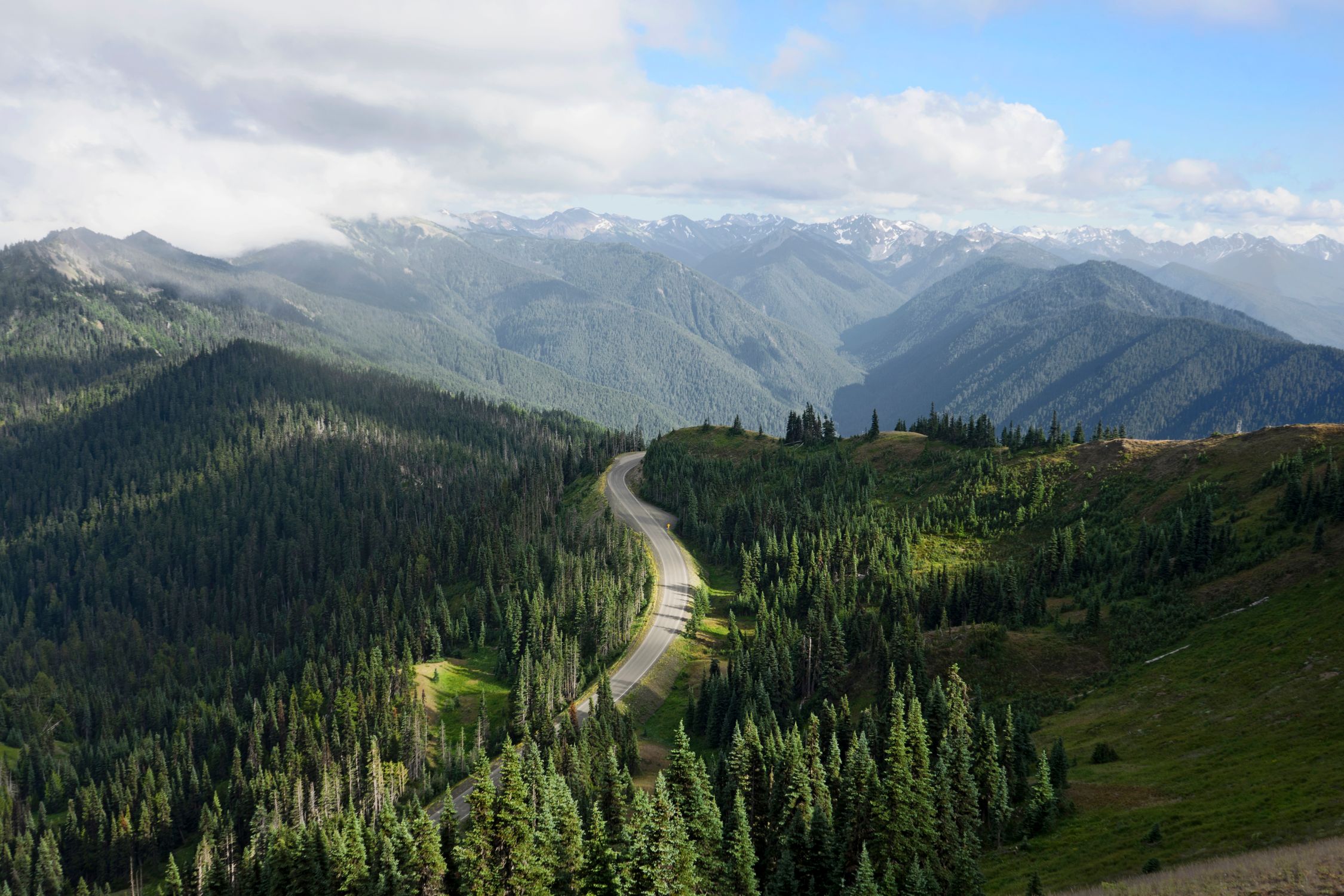
Summer (June-September) is peak season, and the in-park lodges fill up fast. Explorer Sue advises booking 6-12 months ahead on rolling reservation windows to lock in a room. The $30 entrance fee (National Park Service) covers vehicle access for the entire stay; separate permits are required for backcountry camping and certain technical climbs, which you can obtain at the visitor centers. Hurricane Ridge’s visitor center and the historic Mount Olympus Lodge burned down in 2023, leaving limited services on the ridge as of 2026 (National Park Service). The NPS Hurricane Ridge visiting guide has the latest on what’s open. If you’re targeting the ridge, plan for reduced dining options and bring extra snacks.
Port Angeles, the region’s largest town with roughly 20,000 residents, sits just 2 miles north of the Hurricane Ridge visitor area (My Port Angeles). Its harbor location makes it a convenient jump-off point for ferries to Victoria, adding a potential side-trip if you have extra days.
Common Mistakes & FAQ
Q: Can I drive straight from the coast to Hurricane Ridge in a single day? A: Not advisable. The coastal stretch from Kalaloch to Port Angeles is about 90 minutes, then another 30-minutes to the ridge. Add in traffic, possible chain requirements, and you’ll be on the road for three-plus hours total-fine as a one-way transfer day, but a rough way to spend a trip’s only full day if you’re also hoping to hike.
Q: Do I need a reservation for the Sol Duc hot-springs pools? A: The resort operates on a first-come, first-served basis for the pools, but lodging rooms must be booked in advance. Because the resort is seasonal, verify opening dates before you book.
Q: Is the $30 entrance fee per person or per vehicle? A: It’s per vehicle, regardless of the number of occupants, and applies equally to non-U.S. residents (National Park Service). Since the park is cashless, load a card before you arrive-there’s no fallback payment option at the gate.
Q: What’s the best way to split my nights for a balanced park experience? A: Miss Tourist’s common pattern-two nights in Port Angeles for Hurricane Ridge and Lake Crescent, then two nights near Forks or Lake Quinault for the Hoh Rainforest, La Push, and Kalaloch-minimizes back-and-forth driving and lets you hit the park’s three major zones efficiently. Trying to cram all three zones into a single four-night trip without this split usually means burning your first and last days entirely on transfers instead of trails.
Q: Are there any hidden fees for backcountry permits? A: Yes. Backcountry camping and certain technical climbs require a separate permit from the $30 vehicle entrance fee, obtained at the visitor centers-budget extra time (and cash for permit fees, since the park itself is card-only) when you’re finalizing your itinerary.
Related Reading
Get price-drop alerts and new guides from BoldTripGuide
One email a week: price drops on the gear we recommend, new guides, and what changed. No spam, unsubscribe anytime.