Where to Stay Near Yellowstone 2026: Basecamp Guide
Your 2026 guide to Yellowstone basecamps: in-park lodges, West Yellowstone inns, and Gardiner hotels, plus gear tips and road-opening dates for adventure crews.

This post may contain affiliate links. Disclosure
Yellowstone’s wild heart beats louder when you’re planted in a solid basecamp. Whether you’re chasing sunrise over geysers, hauling a pack to a backcountry trail, or carving a line on a frozen canyon wall, the right lodge can shave hours off your approach and keep the stoke high. In 2026 the park’s lodging roster is still tight-most spots fill weeks ahead-so pick your vibe, lock it down, and gear up for the grind. Below is the full lineup of verified stays, road-timing intel, and a stripped-down pack list that’ll keep you moving from the first sunrise to the last night-time hike.
Short answer: Yellowstone splits between in-park lodges that drop you at the trailhead, such as Old Faithful Inn and Lake Yellowstone Hotel, and gateway towns like West Yellowstone and Gardiner offering year-round flexibility. Most in-park rooms fill weeks ahead, and seasonal road-opening dates decide which entrances you can actually use, so plan the route before booking.
The Best Places to Stay
From historic log halls to modern cabins, Yellowstone’s in-park options let you drop your pack right on the trailhead. Outside the park, towns like West Yellowstone and Gardiner give you quick access and year-round flexibility. For the complete official roster before you commit, cross-check the NPS lodging page against the vetted picks below. Every option here is booked through a live link, so you can lock in dates the moment your permit or itinerary is set instead of losing a room to someone faster on the trigger.

Lake Yellowstone Hotel & Cabins - Lake Village
Nestled on the shore of Yellowstone Lake, this historic hotel blends classic timber architecture with private cabins that feel like a backcountry base. Expect dramatic lake views from every window and a quiet vibe that’s perfect for sunrise photography. Price band: $300-450. Pros: Lakefront setting, historic charm. Cons: Books out fast, no A/C. Best for classic in-park lakefront stays. Lake Yellowstone Hotel & Cabins - Check rates.
Canyon Lodge and Cabins - Canyon Village
The largest lodging complex inside the park, Canyon Lodge sits at the crossroads of the Upper and Lower Loops, slashing drive times to major sights. Modern cabins are functional but can feel a bit motel-like, so bring a sleep mask if you’re light-sensitive. Price band: $250-350. Pros: Central location, short drives. Cons: Cabin aesthetic is utilitarian. Ideal for first-timers who want a single hub. Canyon Lodge and Cabins - Check rates.
Old Faithful Inn - Old Faithful
A National Historic Landmark, this massive log structure puts you steps from the iconic geyser’s eruption zone. Rooms are steeped in early-20th-century romance, though the lack of A/C and thin walls can make summer nights noisy. Price band: $250-400. Pros: Geyser-adjacent rooms, historic vibe. Cons: No A/C, limited soundproofing. Perfect for bucket-list history lovers. Old Faithful Inn - Check rates.
Best Western Desert Inn - West Yellowstone
Just a 14-minute walk from the West Entrance, this town-center hotel offers free Wi-Fi and a 24-hour front desk, making gear swaps and last-minute permits painless. The surrounding streets can feel tourist-heavy in peak summer, so expect crowds. Price band: $150-250. Pros: Fastest access to Old Faithful and Lower Loop. Cons: Tourist-y town vibe. Best for budget travelers who prioritize drive time. Best Western Desert Inn - Check rates.
The Ridgeline Hotel at Yellowstone - Gardiner, MT
Perched near the North Entrance, Ridgeline stays open year-round and throws in a pool, sauna, and free breakfast-luxuries that feel rare in a wilderness setting. It sits farther from Old Faithful, so plan longer drives for midday geyser runs. Price band: $180-280. Pros: Year-round operation, wellness amenities. Cons: Distance from central Loop sights. Ideal for winter and shoulder-season adventurers. The Ridgeline Hotel at Yellowstone - Check rates.
Rusty Parrot Lodge & Spa - Jackson, WY
A boutique mountain-lodge that leans into upscale design and an on-site spa, with a Jackson Hole polish that feels a world away from a park cabin. The drive from Jackson to the park’s South Entrance adds extra miles, so factor that into your itinerary. Price band: $400-600. Pros: Luxury boutique experience, spa. Cons: Farthest drive of the listed options. Best for travelers blending Yellowstone with a Jackson Hole ski or summer trip. Rusty Parrot Lodge & Spa - Check rates.
When to Arrive & Road Openings
Timing your entry can be the difference between a smooth sunrise hike and a stalled convoy at a snow-blocked gate. The vehicle entrance fee sits at $35 for a 7-day pass, with non-U.S. residents 16+ paying an extra $100 surcharge in 2026-check the official fees and passes page before you go, since surcharge rules are new for 2026 and easy to miss if you booked last year’s trip as a template.
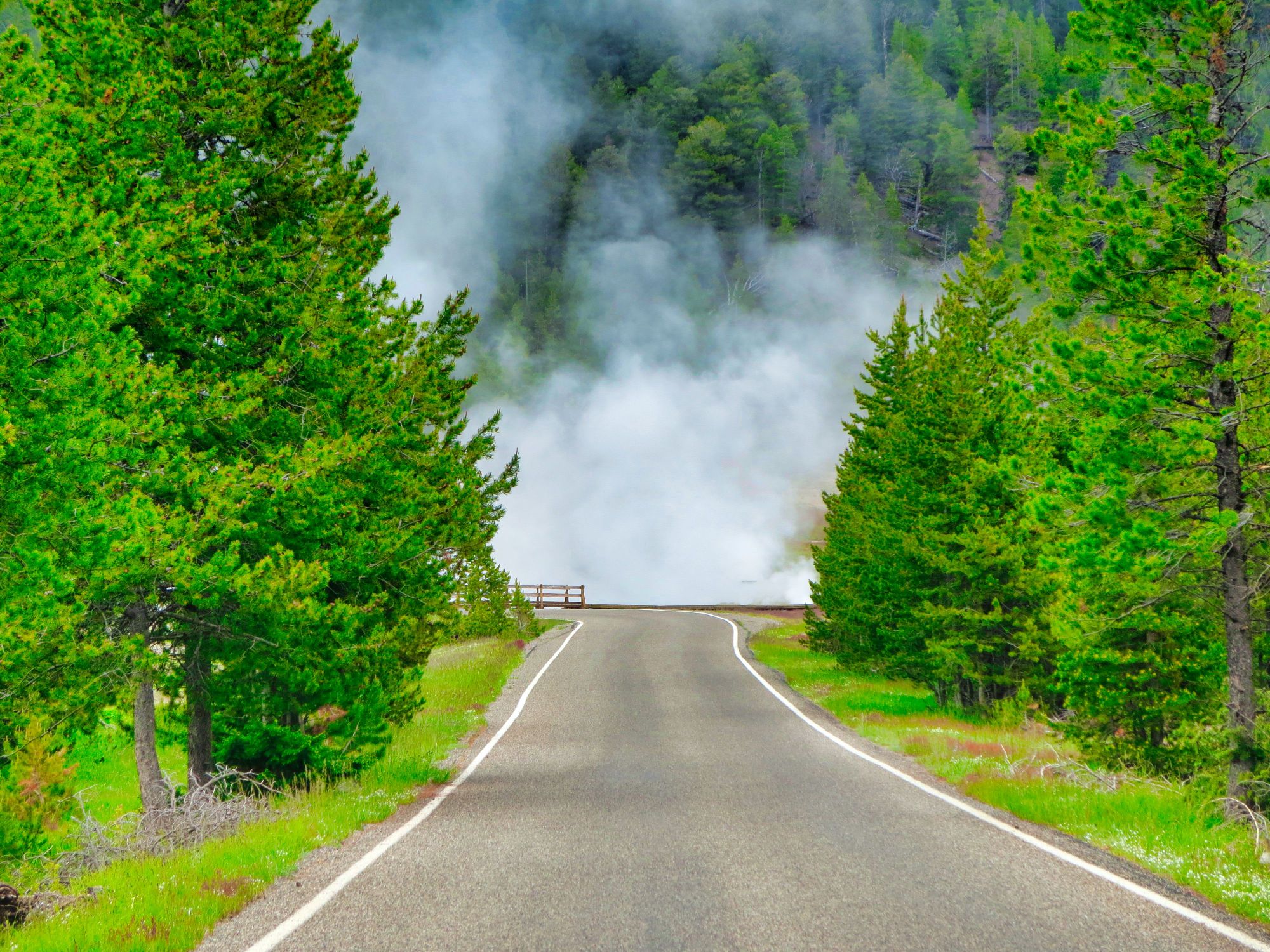
Roads from the North and West Entrances to Norris, Madison, Canyon, and Old Faithful were slated to open at 8 am on April 17, 2026, but a winter storm pushed the rollout to noon (source: National Park Service). The Canyon-Fishing Bridge-East Entrance corridor, plus the South Entrance route to Grant, West Thumb, and Fishing Bridge, both swing open on May 8 (source: National Park Service). Knowing these dates lets you park your rig at the right gate and hit the trail before the crowds flood in.
What to Pack
A solid headlamp is non-negotiable when you’re navigating canyon walls at dusk or setting up a night-time bivy, and geyser basins are pitch-black once the boardwalk lighting ends. Below are three vetted models that cover every moisture and power scenario you’ll meet in Yellowstone’s varied terrain, from a dry summer bivy to a slush-soaked shoulder-season hike.
-
Petzl ACTIK CORE Rechargeable Headlamp 600 Lumen ($69.95) - 600 lumens with a 120m beam distance, dual CORE rechargeable + AAA backup power, IPX4 splash-resistance, and just 88g on your head with the CORE battery in. Great for caving and night hikes when you want a backup power source in your pocket, though the headband quality has slipped in recent production runs.
-
BLACK DIAMOND Storm 450 Headlamp ($49.95) - 450 lumens with a 120m beam distance, fully waterproof IP67 housing at 110g, and PowerTap Technology that jumps straight to max brightness with one tap. Runs on AAA or a BD rechargeable pack. Ideal for wet canyon treks and rainy Yellowstone evenings; the latch on the battery compartment can be finicky.
-
BLACK DIAMOND Storm 500-R Rechargeable Headlamp ($79.95) - 500 lumens, a 120m beam distance, IP67 waterproof, micro-USB charge in 3 hours, and a 350-hour low-mode runtime that easily outlasts a multi-night backcountry trip. Perfect for multi-night cave expeditions and long geyser-basin nights, though some users report electronics issues after heavy use and it charges via micro-USB rather than USB-C.
Beyond lights, pack layered merino, a sturdy insulated water bottle, and a compact first-aid kit. Yellowstone’s altitude and sudden weather swings demand quick adaptability-a bluebird morning at a geyser basin can turn into a hail squall by lunch, and the elevation alone (much of the park sits above 7,500 feet) means sunburn and dehydration creep up faster than you’d expect at sea level. A dry bag for your camera and a second base layer round out the kit for anyone planning both a sunrise and a sunset session in the same day.
Seasonal Strategies
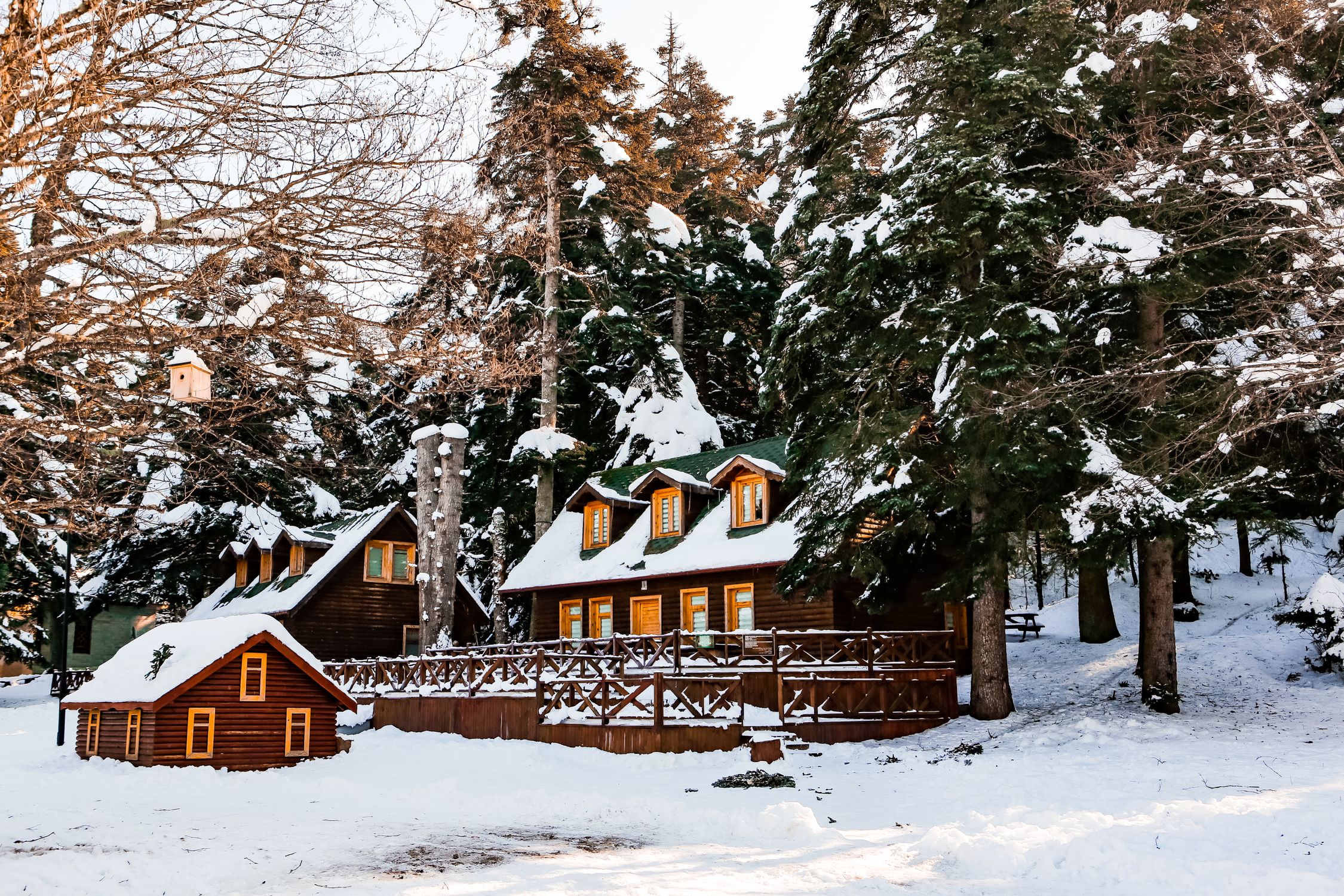
Yellowstone’s nine in-park lodges hold over 2,000 rooms combined, but only two stay open through winter, according to Yellowstone National Park Lodges. If you’re chasing snow-shoe routes or frozen waterfalls, base yourself at The Ridgeline Hotel at Yellowstone in Gardiner-the North Entrance road through Mammoth Hot Springs to the Northeast Entrance is the only one that stays open year-round (source: National Park Service). For summer crowds, lock in a room at Lake Yellowstone Hotel & Cabins or Old Faithful Inn early; they fill within days of the spring opening.
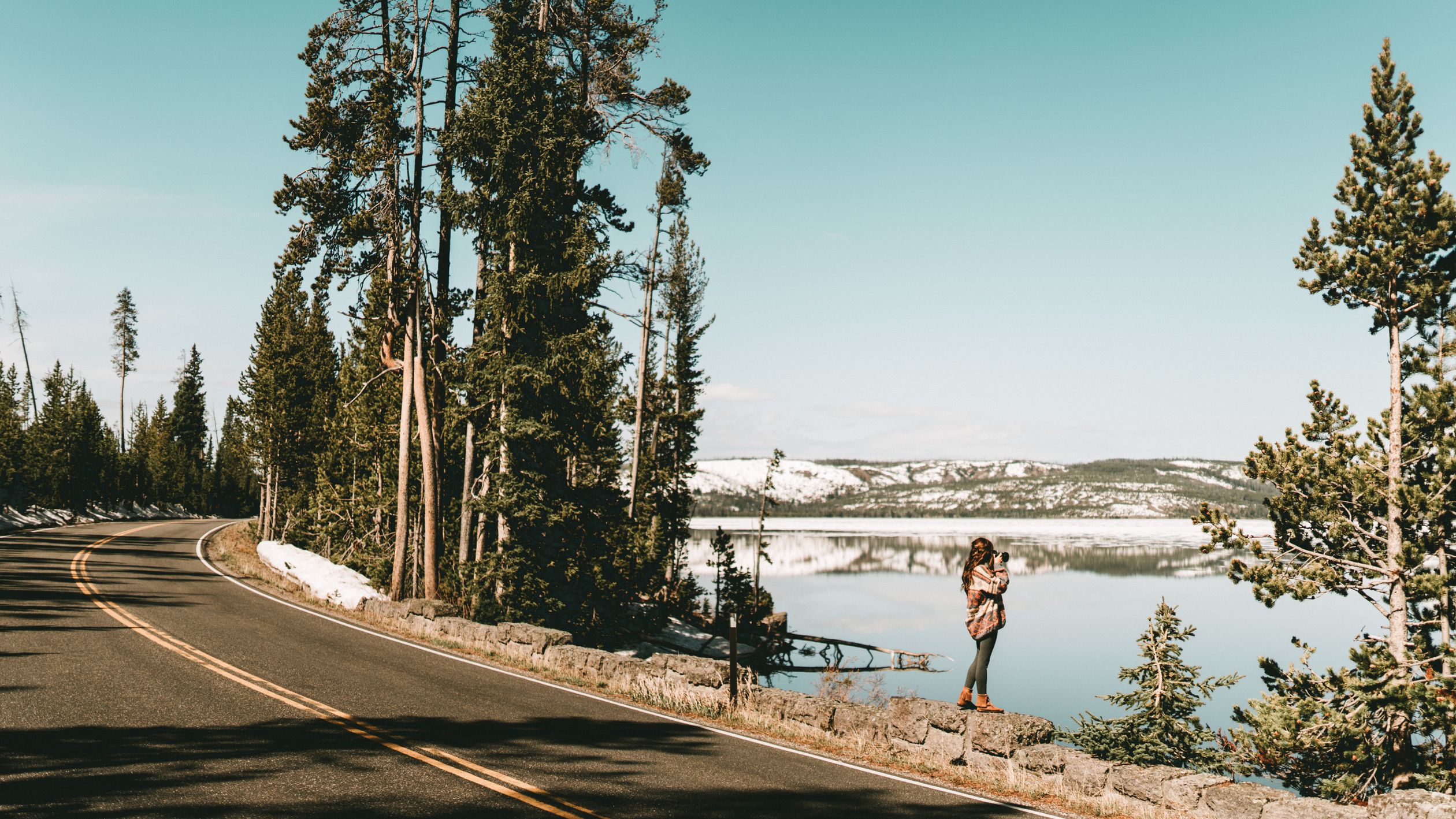
West Yellowstone is the closest gateway town to the West Entrance and the Lower Loop, making it a prime launchpad for early-morning geyser runs, according to Yellowstone Trips. Keep an eye on the May 8 road openings for the East and South Entrances; they unlock access to less-traveled spots like the Grant Village area and West Thumb, where you can escape the main traffic arteries. For the full seasonal rundown before you lock in dates, check the NPS operating dates page. Whichever season you’re chasing, match your entrance to your loop first and your hotel second-the drive times matter more here than almost anywhere else in the National Park system.
Common Mistakes to Avoid
Yellowstone’s short operating season and huge popularity mean a few pitfalls can turn a dream trip into a scramble. Here’s what to avoid and how to stay ahead of it.
- Waiting Too Late to Book - In-park lodges sell out weeks ahead, especially the historic inns like Old Faithful Inn and Lake Yellowstone Hotel. Secure your reservation as soon as the spring opening schedule is posted, and have a backup gateway-town pick like Best Western Desert Inn ready in case your first choice is gone.
- Assuming All Lodges Have A/C - Only a handful of newer cabins offer climate control; historic buildings like Old Faithful Inn and Lake Yellowstone rely on natural ventilation. Pack a lightweight sleeping sack for summer nights.
- Parking at the Wrong Entrance - Driving to the North Entrance for a Lower Loop itinerary adds unnecessary mileage and burns daylight you could spend on trail. Align your entrance with your target loop (West Entrance for Old Faithful, North for Mammoth Hot Springs) before you even book a room.
- Skipping the Entrance Fee Pass - The $35 pass covers all park roads for seven days, but the extra $100 surcharge for non-U.S. residents can bite if you forget it. Purchase ahead online to avoid gate line delays.
- Neglecting Weather Shifts - Even July can bring sudden thunderstorms, and shoulder-season snow squalls aren’t rare at this elevation. A waterproof headlamp (like the Storm 450) and a rain-proof pack liner are lifesavers when a clear forecast turns sideways an hour into a hike.
Quick Logistics Checklist
Run through this before you leave the driveway-it’s the fast version of everything above, distilled for a last-minute gear check.
- Entrance Pass: $35 (7-day) + $100 non-U.S. surcharge if applicable.
- Booking: Use the links above; lock in dates ASAP.
- Vehicle Prep: Full-size SUV or 4WD recommended; check tire chains if traveling before May 8.
- Gear: One of the three headlamps, layered clothing, water filtration, bear-aware food storage.
- Timing: Aim for early-morning arrivals at geyser basins; road openings shift by a few hours in spring storms.
- Connectivity: Expect spotty cell service inside the park; rely on offline maps and satellite messengers for backcountry trips.
Lock in your basecamp against the right entrance, pack a headlamp that matches your itinerary, and check the road-opening dates one more time before you roll out-that’s the whole game plan for a smooth Yellowstone run in 2026.
Related Reading
Get price-drop alerts and new guides from BoldTripGuide
One email a week: price drops on the gear we recommend, new guides, and what changed. No spam, unsubscribe anytime.