Where to Stay Near Yosemite 2026: The Ultimate Basecamp Guide
2026 guide to the best Yosemite lodging options, from iconic valley stays to family-friendly cabins, plus packing tips and reservation hacks for adventure seekers.

This post may contain affiliate links. Disclosure
Yosemite’s granite walls, thunder-rushing waterfalls, and endless high-altitude trails still draw climbers, scramblers, and back-country purists like a magnet. In 2026 the park finally dropped the timed-entry day-use reservation system, meaning you can roll in without a pre-assigned slot-but the parking lots still fill up before sunrise on weekends. Whether you’re chasing the sunrise over Half Dome, planning a multi-day canyon descent, or just need a solid base to refuel, the right spot to bunk can make or break the whole adventure. Below is the no-fluff, gear-forward rundown of every verified lodging option inside or just outside the park, plus the passes, transport hacks, and gear you’ll actually need when the trail calls.
Short answer: Yosemite eliminated its day-use peak-hours reservation system for 2026, but you still need an entrance pass and valley parking fills before sunrise on weekends. In-park choices run from the iconic Ahwahnee down to Curry Village’s canvas tents; gateway stays like Yosemite View Lodge cost less but add drive time to the valley.
Getting In: Reservations & Passes
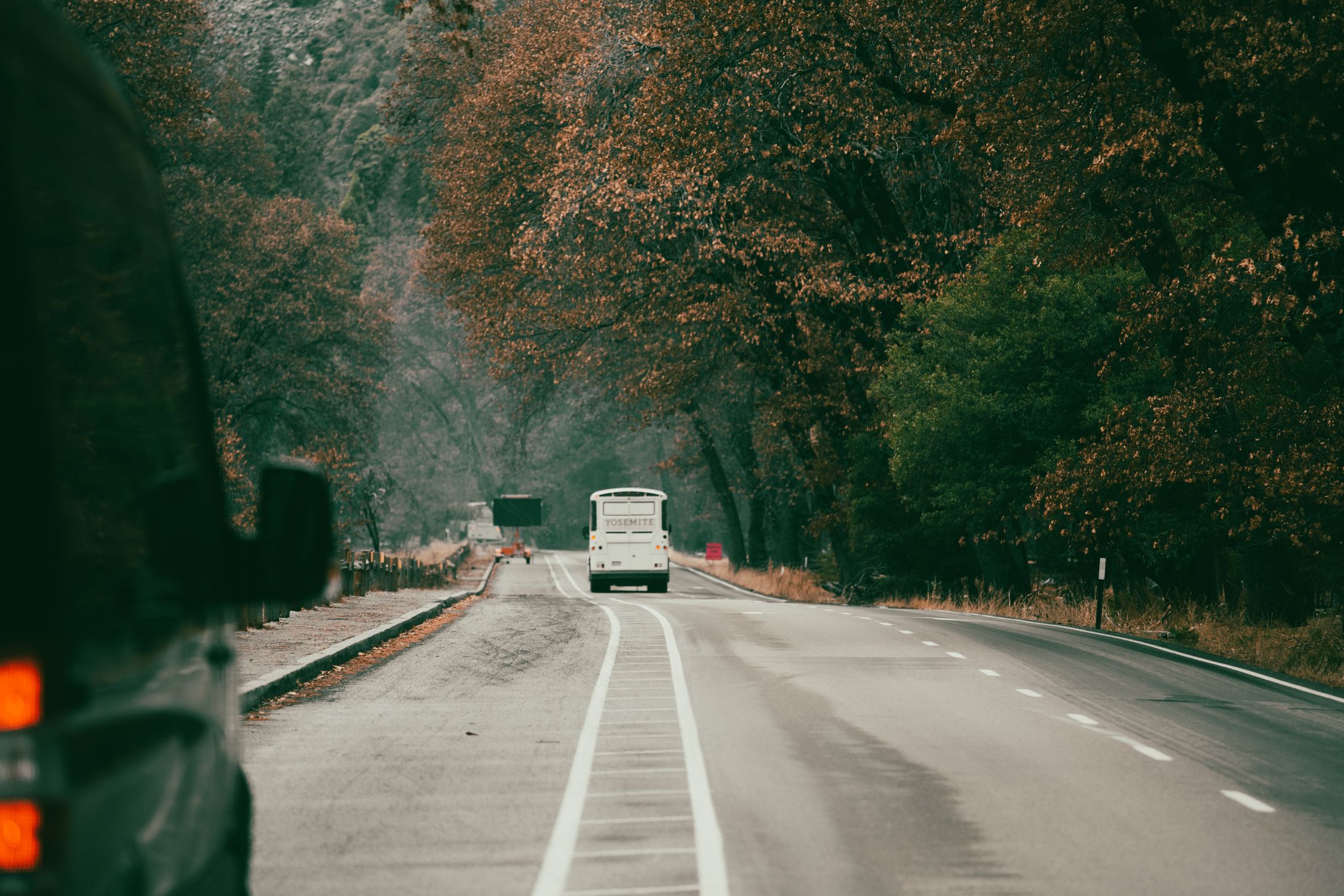
Yosemite’s entrance process got a major overhaul for 2026: the park eliminated the day-use peak-hours reservation system that once forced visitors into timed slots. Now you can simply show up, but you still need a valid entrance pass. The NPS offers digital single-visit passes through Recreation.gov that download straight to your phone’s wallet up to two days before you hit the gate - a lifesaver when you’re already on the road - official pass info (National Park Service).
Historic traffic snarls still peak between 5 am and 4 pm, and on weekends the parking lots start filling by 7:30 am (Outside Online). To beat the crush, aim for an early arrival or consider the park’s shuttle network that drops you off at trailheads without the hassle of hunting for a spot. For a fuller rundown of what’s changed this year, the Yosemite Conservancy’s 2026 visitor guide is worth a skim before you lock in dates.
The Best Places to Stay
Below are the six verified accommodations that cover every budget tier, from iconic stone-fire lodges to budget-camping units. All links go straight to the booking engine, so you can lock in rates fast.
The Ahwahnee - Yosemite Valley
Price band: $500-700 Historic stone fireplaces and a grand dining hall make The Ahwahnee the crown jewel of Yosemite lodging-the kind of property where the lobby alone is worth the detour. Nestled in the heart of the valley, you’re a stone’s throw from Yosemite Falls, El Capitan, and the trailhead to the Mist Trail.
Pros: Most iconic in-park property; central valley location. Cons: Premium pricing that can strain a tight budget. Best for splurge-worthy classic Yosemite experience. Book here: The Ahwahnee.
Yosemite Valley Lodge - Yosemite Valley, near Yosemite Falls
Price band: $300-400 Just steps from the base of Yosemite Falls, this lodge offers an outdoor pool and easy access to the valley floor trails. It’s quieter than the bustling Curry Village but still within walking distance of the main attractions.
Pros: Closer to trails than Curry Village; reliable amenities. Cons: Books out early for summer, so lock dates fast. Best for hikers wanting valley-floor access. Book here: Yosemite Valley Lodge.
Curry Village - Yosemite Valley, 1 mile from Half Dome trailhead
Price band: $150-280 Curry Village mixes private-bath cabins, shared-bath cabins, canvas tent cabins, and a handful of standard hotel rooms (46 private-bath cabins, 14 shared-bath cabins, 403 canvas tents, 18 hotel rooms per Backcountry Emily). It’s the most affordable in-park option and puts you within a short walk to the Mist Trail and Half Dome’s approach.
Pros: Affordable; dining options nearby. Cons: Canvas tents are rustic and thin-walled, offering limited weather protection. Best for budget-conscious hikers. Book here: Curry Village.
Yosemite View Lodge - El Portal, 11 miles from Yosemite Valley
Price band: $180-280 Set along the Merced River just outside the park’s western gate, this lodge scores an 8.6 guest rating and offers a riverside vibe that’s perfect after a long day on the trail. Families and adventure crews appreciate the extra space and lower price point, though you’ll need a shuttle or a short drive to reach the valley floor.
Pros: Budget-friendly; good for families and adventure seekers. Cons: Shuttle or drive time to the valley adds extra planning. Best for families needing more affordable rooms outside the gate. Book here: Yosemite View Lodge.
The Redwoods in Yosemite - Wawona, inside the park’s south entrance
Price band: $250-450 Located about 4.5 miles inside the south gate on Highway 41, The Redwoods offers 115 private vacation-home cabins, each with a full kitchen and a level of privacy you won’t find in the valley’s communal dorms. It sits near the Chilnualna Falls trailhead, making it a solid base for south-side waterfall hikes.
Pros: Privacy; full kitchens for self-catering. Cons: Roughly 30 miles from Yosemite Valley, so daily shuttles are a must. Best for groups and families wanting a private cabin base. Book here: The Redwoods in Yosemite. Since the historic Wawona Hotel is closed for its 2026 condition assessment, check Travel Yosemite’s official lodging page for the latest on when south-side in-park lodging beyond The Redwoods reopens.
Housekeeping Camp - Yosemite Valley, along the Merced River
Price band: $120-160 Three-sided canvas-roof units give you a “camping without the tent” vibe right on the riverbank. The units share a bathhouse, but the open-air feel and river access make it a favorite for budget campers who still want valley-floor proximity.
Pros: Camping experience without pitching a tent; inexpensive. Cons: No privacy walls, shared bathhouse can get busy. Best for budget campers wanting valley-floor access. Book here: Housekeeping Camp.
Quick tip: Expedia reports 622 hotels near Yosemite Valley with rates starting around $289 in the low-season (January-March) versus the peak summer months (June-August) (Expedia). If your dates are flexible, aim for the shoulder season to stretch your dollars.

Transportation & Shuttle Options

Getting from your lodging to the trailheads can be a logistical puzzle, especially when you’re juggling gear, dogs, or a crew. The park runs free shuttles that loop between the valley floor’s major hubs-Yosemite Valley Lodge, Curry Village, and the Yosemite Village Visitor Center-so park-based stays can ditch the car entirely. If you’re staying at Yosemite View Lodge or The Redwoods, you’ll need a private vehicle or a scheduled shuttle service; both options add roughly 30-45 minutes of drive time to the valley.
For those pulling a trailer or a full-size 4×4, remember the park’s vehicle height restrictions on the Wawona Road (max 13 ft). The historic Wawona Hotel is closed for a condition assessment in 2026 (National Park Service), so the south-gate cabins at The Redwoods become the primary south-side lodging choice.
If you’re planning a multi-day backcountry trek, consider parking at the trailhead’s designated lot (often first-come, first-served) and using a lightweight daypack to ferry gear. The park’s bike-share program is limited, but a sturdy gravel bike can shave hours off a return from the valley to El Portal. Whichever base you pick, match your lodging to your itinerary first and your transport plan second-a cheap room 45 minutes from the trailhead can cost you more in lost daylight than the money it saves.
What to Pack
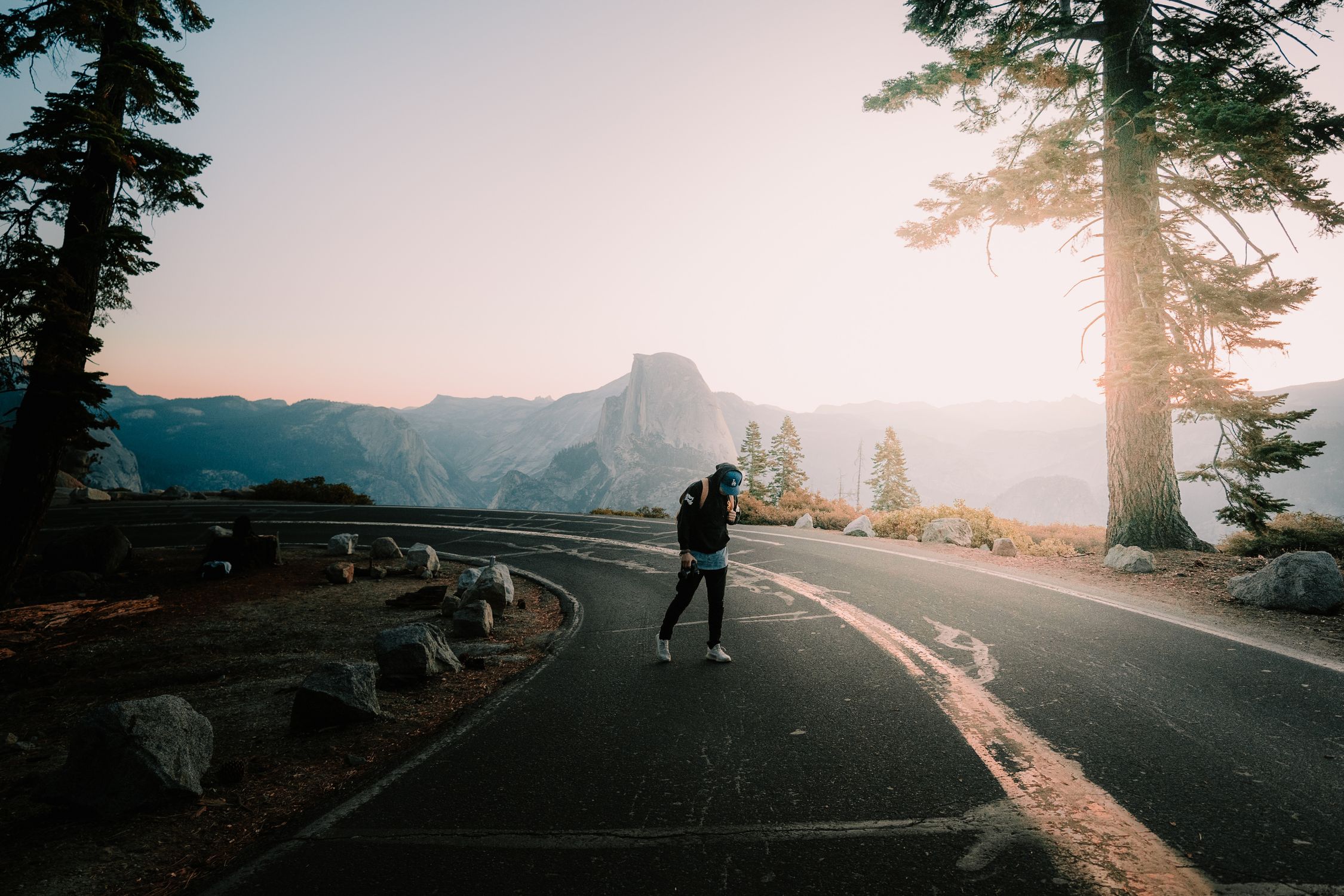
Even the most seasoned climber can get caught off-guard by Yosemite’s variable microclimates. Below are three headlamps that survived our field tests on the Mist Trail, the Upper Yosemite Falls descent, and a night-time canyon scramble. All three are available on Amazon with the boldtripguide affiliate tag.
-
Petzl ACTIK CORE Rechargeable Headlamp 600 Lumen ($69.95) - 600 lumens, a 120m beam distance, dual power (CORE rechargeable + 3 AAA backup), IPX4 splash-resistant, and just 88g with the CORE battery installed. Ideal for cavers and night hikers who need a bright, wide beam and the safety net of AAA cells when the rechargeable runs dry. Drawback: headband quality has slipped in recent production runs.
-
BLACK DIAMOND Storm 450 Headlamp ($49.95) - 450 lumens with a 120m beam distance, fully waterproof IP67 housing at 110g, and PowerTap Technology for instant max output with a single tap. Three LED colors, including a dedicated red night-vision mode, make it great for canyon hikers and wet-environment adventures where rain is a given. Cons: latch durability issues reported by some users, and 450 lumens trails premium rivals at this price.
-
BLACK DIAMOND Storm 500-R Rechargeable Headlamp ($79.95) - 500 lumens, a 120m beam distance, IP67 waterproof, micro-USB rechargeable with a 3-hour charge and a 350-hour low-mode runtime that outlasts a multi-night backcountry trip. Perfect for serious cavers and multi-night hikers who can’t afford to run out of batteries. Cons: some users note electronics failures after heavy use, and it charges via micro-USB rather than USB-C.
Beyond lighting, pack a lightweight insulated jacket (even July nights dip below 40 F), a packable rain shell, and a sturdy pair of waterproof hiking boots. A compact water-filter (e.g., Sawyer Mini) is a must for river refills, and a portable power bank will keep your phone, GPS, and headlamp charging on the go.
Common Mistakes to Avoid
-
Assuming “no reservation” means no crowds. The removal of timed-entry slots didn’t erase the historic traffic surge; parking still fills early (Outside Online). Arrive before 7 am or use the shuttle to dodge the bottleneck.
-
Overpacking for a valley-floor stay. Many travelers bring heavy winter gear to summer trips, only to discover the valley’s temperatures stay mild. Pack layers you can add or shed, and leave bulk items at your vehicle if you’re staying at a campsite with limited storage.
-
Ignoring the digital pass requirement. Forgetting to download your single-visit pass onto your phone’s wallet can lead to a denied entry at the gate (Yosemite.com). Load it up at least a day ahead.
-
Staying at the cheapest option and sacrificing safety. While Housekeeping Camp and Curry Village are budget-friendly, they lack private bathroom walls and can get noisy at night. If you need solid rest before a technical climb, bump up to Yosemite Valley Lodge or The Ahwahnee.
-
Parking at the wrong lot for your trailhead. The Mist Trail and Half Dome start near Curry Village; the Upper Yosemite Falls trailhead is closer to Yosemite Valley Lodge. Driving to the wrong lot adds unnecessary mileage and can waste daylight, especially if the shuttle line is already backed up by the time you realize the mistake.
-
Skipping the park’s fee pass. Check the current fee schedule before you go. If you plan multiple entries-say, a sunrise hike and an afternoon rock-climbing session-consider an annual pass to save cash.
By keeping these pitfalls in mind-and matching your basecamp to your itinerary rather than just your budget-you’ll spend more time on the rock and less time stuck in a line or backtracking for a forgotten pass.
Related Reading
Get price-drop alerts and new guides from BoldTripGuide
One email a week: price drops on the gear we recommend, new guides, and what changed. No spam, unsubscribe anytime.