Whitewater Kayaking: 12 Epic Rivers Worth a Trip
From Chile's Futaleufu to Zambia's Zambezi, these 12 rivers are worth building a trip around. Class ratings, costs, guided options, and seasonal intel inside.

This post may contain affiliate links. Disclosure
There is a moment in whitewater kayaking that no other sport can replicate. You are sitting at the top of a rapid, water churning below you, and the only way forward is through. Your paddle digs into the current, your hips snap to brace, and suddenly you are threading a line through hydraulics and wave trains at impossible speed. When you pop out at the bottom, grinning and soaked, you understand why paddlers travel to the ends of the Earth chasing whitewater.
This guide covers twelve of the most extraordinary whitewater rivers on the planet — rivers worth building an entire trip around. We have included options for intermediate paddlers all the way up to experienced Class V boaters, with practical details on access, cost, guided options, and the best seasons to visit.
1. Futaleufu River, Chile
The Futaleufu is often called the most beautiful whitewater river in the world, and it is hard to argue. Turquoise water so clear you can see the rocky bottom even in Class IV rapids flows through a dramatic Patagonian valley flanked by snow-capped peaks and old-growth forest. The river offers 40 kilometers of continuous whitewater, with standout rapids like Mundaca (Class IV+), the Terminator (Class V), and the infamous Infierno Canyon.
Class: III–V Best season: December through March (Chilean summer) Access: Fly to Chaiten or Balmaceda, then drive. The town of Futaleufu is small but has solid services. Where to stay: Riverside campsites from $10–15/night. Hostels in town from $25/night. Luxury riverside lodges from $200+/night. Guided trips: Multi-day kayaking clinics and guided packages from $1,500–$2,500 USD for 5–7 days all-inclusive (Bio Bio Expeditions, Earth River Expeditions, OARS). Day trips available from $150–$200.
Pro Tip: If you are an intermediate kayaker, book a guided trip that includes safety kayakers. The Futa’s volume and power demand respect even on the easier sections. Trips run December through late March.
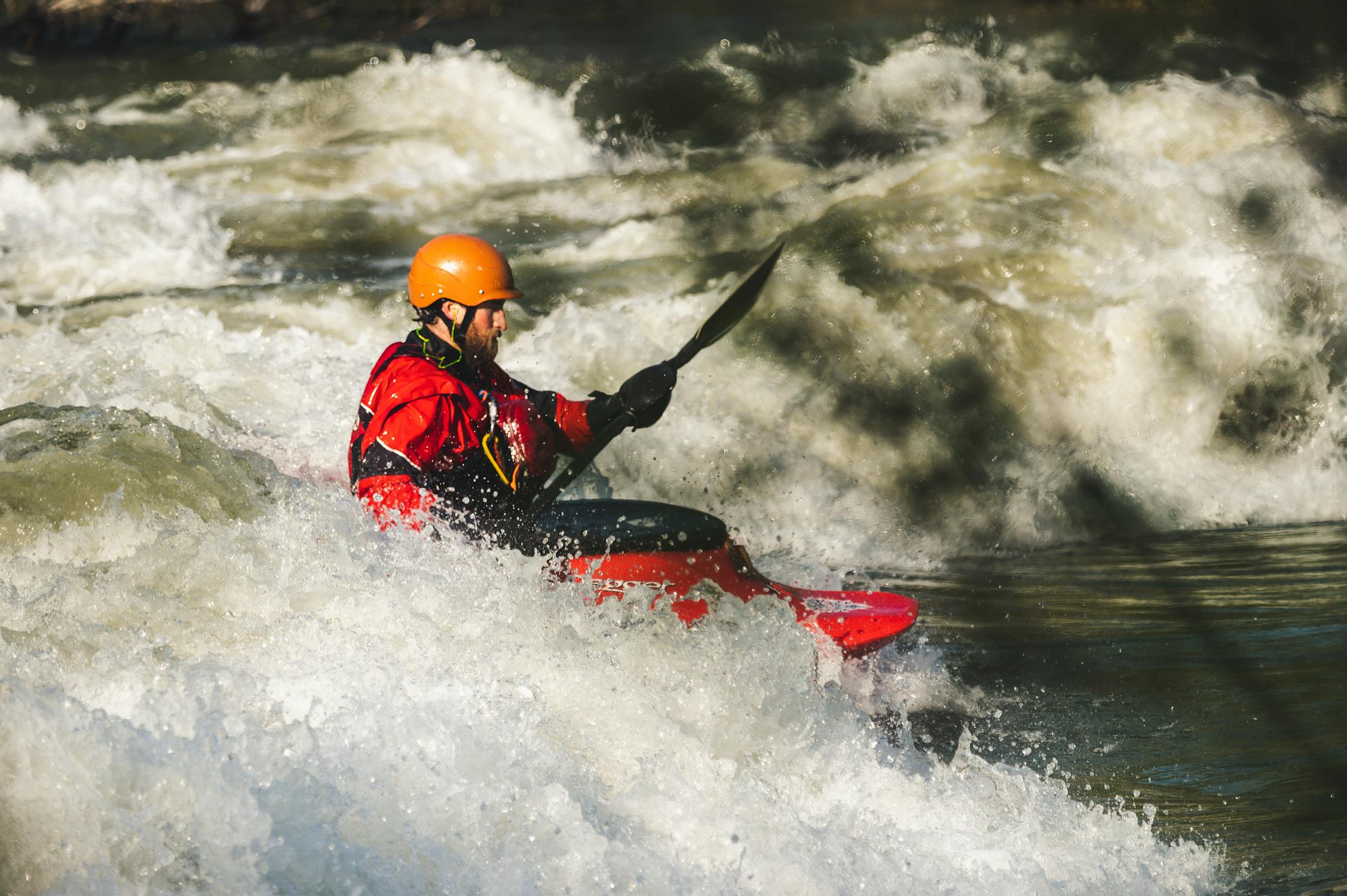 Photo credit on Pexels
2. Zambezi River, Zambia/Zimbabwe
Below Victoria Falls lies the Batoka Gorge, offering some of the most intense big-water whitewater on the planet. The Zambezi here is a powerhouse, with massive Class IV–V rapids thundering through a 120-meter-deep basalt gorge. Rapids with names like The Devil’s Toilet Bowl, Gnashing Jaws of Death, and Oblivion tell you exactly what you are getting into. This is not a river for beginners, but for experienced paddlers it is a bucket-list experience that combines world-class whitewater with the spectacle of one of Earth’s greatest waterfalls.
Class: IV–V Best season: August through December (low water, biggest rapids). January through July is high water with some rapids submerged. Access: Fly to Livingstone (Zambia) or Victoria Falls (Zimbabwe). The put-in is a steep hike down into the gorge. Where to stay: Livingstone has backpacker lodges from $15–25/night. The Jolly Boys hostel is a paddler institution. Mid-range hotels from $60–100/night. Guided trips: Full-day guided rafting from $150–180 per person. Multi-day kayaking instruction through specialist outfitters.
3. Middle Fork of the Salmon River, Idaho, USA
The Middle Fork is the gold standard of multi-day river trips in North America. This Wild and Scenic River flows for 106 miles through the Frank Church River of No Return Wilderness, dropping 3,000 feet in elevation through one of the deepest canyons on the continent. Over 100 rapids in the Class III–IV range, natural hot springs on the banks, ancient pictographs on canyon walls, and abundant wildlife (bighorn sheep, black bears, elk, bald eagles) combine to create an experience that stays with you.
Class: III–IV Best season: June through September. June offers highest water and biggest rapids. August and September have warmer temperatures. Access: Fly to Boise or Sun Valley, then drive to the put-in at Boundary Creek. A permit is required via a weighted lottery — apply in January for summer dates. Where to stay: The trip itself is 4–6 days of wilderness camping. Pre-trip lodging in Stanley from $80–150/night. Cost: Guided trips $2,000–$3,000 per person for 5–6 days, all-inclusive. Private trips require a permit (free but competitive lottery) plus your own gear.
Pro Tip: Apply for the permit lottery even if you plan to book a guided trip. If you score a private permit, you save thousands and can customize your itinerary.
4. Sun Kosi River, Nepal
The Sun Kosi, meaning “River of Gold,” is one of the world’s great multi-day river journeys. The 170-mile expedition through the Mahabharat Lekh mountain range takes 6–10 days and is easily accessed from Kathmandu. The river starts gentle, giving you time to warm up and soak in Himalayan scenery. By day three, rapids build to continuous Class III–IV with a few Class V sections that can be portaged. The cultural experience is as powerful as the whitewater — remote villages, sandy beach camps surrounded by terraced hillsides, and a side of Nepal that most tourists never reach.
Class: II–V (progressive, building through the trip) Best season: October through December (post-monsoon, clear skies, solid water levels) Access: Drive from Kathmandu to the put-in at Dolalghat (4–5 hours). Where to stay: Entirely self-supported wilderness camping. Pre and post-trip accommodation in Kathmandu from $10–30/night. Guided trips: 8–10 day expeditions from $800–$1,500 per person, including meals, camping gear, and transport.
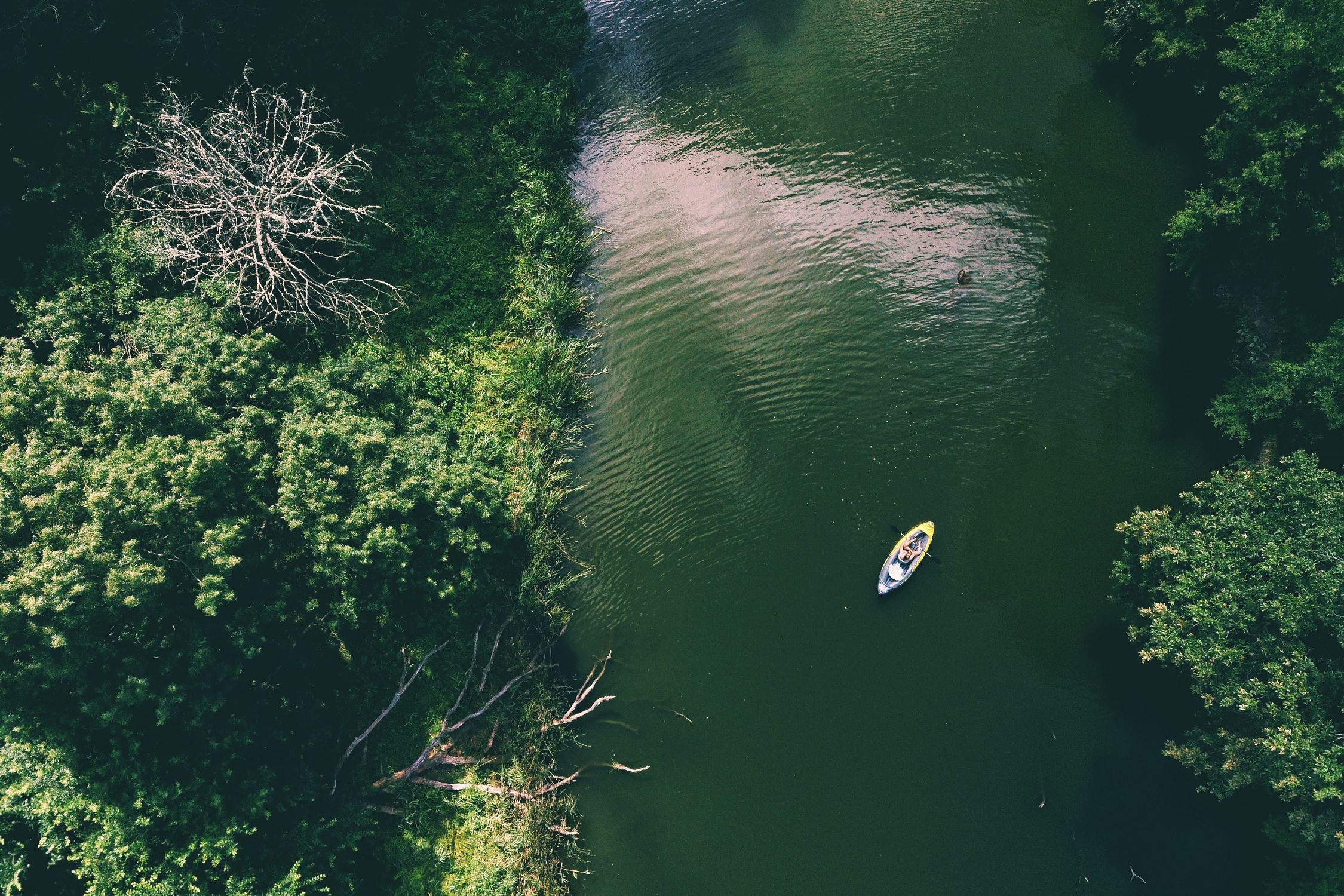 Photo credit on Pexels
5. Pacuare River, Costa Rica
The Pacuare is the most famous whitewater river in Central America. Over 32 miles of Class III–IV rapids cut through primary rainforest filled with toucans, monkeys, and sloths, with canyon walls towering overhead and waterfalls cascading from hidden tributaries. What makes the Pacuare stand out is its accessibility — you do not need to be an expert paddler, and logistics from San Jose are straightforward.
Class: III–IV Best season: June through October (rainy season, highest water). The river runs year-round but can be low in March–April. Access: 2.5-hour drive from San Jose to the put-in. Where to stay: Turrialba hostels from $15–25/night. Stunning riverside eco-lodges accessible only by raft start around $150–250/night including meals and guided excursions. Guided trips: Day trips from $90–120 per person. Overnight riverside lodge trips from $250–400 per person.
For broader Costa Rica adventure planning, see our Costa Rica adventure budget guide.
6. Rogue River, Oregon, USA
The Rogue River’s 35-mile Wild and Scenic section passes through remote canyons, past waterfalls, and under old-growth canopy, with consistent chances to spot bald eagles, black bears, river otters, and spawning salmon. The whitewater is moderate (Class II–III with a few IVs), making this an excellent choice for intermediate paddlers or families with older teens. The option to stay in rustic riverside lodges rather than camping adds a touch of comfort to the wilderness.
Class: II–IV Best season: May through October. Summer (July–August) is prime time with warm water and long days. Access: Fly to Medford, Oregon. The put-in at Grave Creek is about an hour’s drive. Where to stay: Multi-day trips can camp at designated sites or stay at historic riverside lodges. Pre-trip lodging in Grants Pass from $60–100/night. Guided trips: 3–4 day guided trips from $800–$1,500 per person. Lodge-supported trips run $1,200–$2,000.
7. North Johnstone River, Queensland, Australia
The North Johnstone cuts through one of the oldest rainforests on Earth — a UNESCO Wet Tropics World Heritage Area — offering world-class Class IV–V whitewater in a primeval setting. Ancient ferns, massive strangler figs, and cassowaries make this feel like paddling through Jurassic Park. This is an expedition river, not a commercial operation. You need solid Class IV+ skills, your own gear, and the ability to manage risk in a remote environment.
Class: IV–V Best season: February through April (wet season, highest water levels). Access: Fly to Cairns, drive to the put-in near Malanda. Where to stay: Self-supported camping along the river. Accommodation in Malanda or Atherton from $50–80 AUD/night. Cost: No guided options. Budget for shuttle ($30–50 AUD) and camping permits.
8. Soca River, Slovenia
The Soca is often called the most beautiful river in Europe, and its emerald green color is genuinely otherworldly. Flowing from the Julian Alps toward the Adriatic, the Soca offers everything from gentle Class II runs to demanding Class IV–V gorge sections. Slovenia is one of Europe’s fastest-growing adventure destinations, and the Soca Valley is at the heart of that boom. Excellent infrastructure and reasonable prices make this one of the best-value whitewater destinations on the continent.
Class: II–V (depending on section) Best season: April through October. Spring snowmelt (April–May) brings the biggest water. Summer is warmer but flows can be lower. Access: Fly to Ljubljana, drive 2 hours to Bovec. Where to stay: Bovec hostels from €20/night, apartments from €50. Camping along the river from €15/night. Guided trips: Half-day guided kayaking courses from €60–80. Full-day trips from €90–120. Multi-day courses available.
 Photo credit on Pexels
9. Ottawa River, Ontario, Canada
The Ottawa River is North America’s premier big-water playground, with massive volume waves, holes, and surf features that draw paddlers from around the world. Located just two hours from Ottawa, the river offers easy logistics and a thriving paddling community. The Rocher Fendu and Middle Channel sections deliver consistent Class III–IV big-water rapids — huge but generally forgiving, which is ideal for intermediate paddlers pushing into advanced territory.
Class: III–IV (big water) Best season: April through October. Spring (April–May) has highest water. Summer has fun, playful levels. Access: Drive from Ottawa (2 hours) or Montreal (2.5 hours). Where to stay: Riverside campgrounds from $20 CAD/night. OWL Rafting and Wilderness Tours both offer on-site lodging from $30–60 CAD/night. Guided trips: Rafting day trips from $80–120 CAD. Kayak instruction clinics from $150–250 CAD/day.
10. Alsek/Tatshenshini Rivers, Alaska/British Columbia
The Alsek-Tatshenshini watershed is the ultimate whitewater expedition — a remote river system flowing through a UNESCO World Heritage Site, past calving glaciers, grizzly bears, moose, and wolves. The scenery is so vast and wild that words fail to describe it. The Tatshenshini run (10–12 days) is the more accessible option with Class III–IV whitewater. The Alsek, which includes the notorious Turnback Canyon (often portaged by helicopter), demands advanced skills and meticulous planning.
Class: III–V (Alsek), III–IV (Tatshenshini) Best season: July through August Access: Put-in at Dalton Post, Yukon Territory. Fly out from Dry Bay, Alaska. Where to stay: Entirely self-supported wilderness camping for 10–14 days. Guided trips: 10–14 day expeditions from $5,000–$8,000 per person. Expensive but genuinely once-in-a-lifetime.
11. Kali Gandaki River, Nepal
Flowing through the deepest gorge on Earth (between the 8,000-meter peaks of Annapurna and Dhaulagiri), the Kali Gandaki offers whitewater kayaking with the most dramatic mountain scenery imaginable. Less well-known than the Sun Kosi but equally excellent paddling.
Class: III–IV Best season: October through November (post-monsoon) Access: Drive or fly to Pokhara, then drive to the put-in at Naya Pul. Where to stay: Tea houses and basic lodges along the river from $5–15/night. Pokhara accommodation from $8–50/night. Guided trips: 3–5 day guided river trips from $500–$800 per person.
12. Noce River, Italy
The Noce River in northern Italy’s Val di Sole drops steeply through a narrow alpine gorge, delivering continuous Class III–IV rapids with excellent play spots and surf waves throughout. Val di Sole is easy to access from Verona or Innsbruck and has excellent mountain accommodation.
Class: III–IV Best season: May through September. Snowmelt in June provides the biggest water. Access: Fly to Verona or Innsbruck, drive to Dimaro or Male in Val di Sole. Where to stay: Mountain hotels and guesthouses from €40–70/night. Campgrounds from €15–20. Guided trips: Half-day rafting from €40–60. Kayak courses from €70–100/day.
Essential Gear for Whitewater Kayaking Travel
Traveling with a kayak is logistically challenging, but many destinations have quality rental boats. If you bring your own:
- Paddle: Bring your own. A personal paddle makes a significant difference in comfort and performance.
- PFD (life jacket): Always bring your own. Fit is critical for safety.
- Helmet: Your own helmet, properly fitted.
- Spray skirt: Sized to your boat and cockpit.
- Dry suit or wetsuit: Depending on water temperature.
- Throw bag: Essential safety gear on Class III+ rivers.
- First aid kit: Waterproof, with river-specific supplies.
For comprehensive safety planning, review our adventure travel safety guide before your trip. And if you are a sea kayaker as well, check our multi-day sea kayaking expeditions guide.
Skills to Have Before Paddling Abroad
If you are planning to paddle Class III+ whitewater internationally, make sure your skills are solid:
- Reliable combat roll (both sides, ideally)
- Confident ferrying and eddy catching
- Experience reading water at the level you will encounter
- Self-rescue skills (wet exit, swimming rapids)
- Basic rescue skills (throw bag, contact rescues)
Budget Overview
| River | Trip Length | Budget Cost | Comfort Cost |
|---|---|---|---|
| Futaleufu | 5–7 days | $1,500 | $3,500 |
| Zambezi (day trip) | 1 day | $180 | $300 |
| Middle Fork Salmon | 5–6 days | $2,200 | $3,500 |
| Sun Kosi | 8–10 days | $900 | $1,800 |
| Pacuare | 1–2 days | $100 | $400 |
| Soca | 3–5 days | $300 | $700 |
These rivers represent the best of what whitewater kayaking has to offer. Whether you are chasing massive volume on the Zambezi, pristine wilderness on the Middle Fork, or turquoise beauty on the Futaleufu, each delivers an experience that will reshape your understanding of what a river can be. Our budget adventure travel guide can help you make any of these trips financially viable.
Recommended Gear for River Trips
Two pieces of kit that serious kayakers bring on international expeditions: the GoPro HERO13 Black is waterproof to 33 ft and shoots 5.3K60 — mount it to your helmet or kayak to capture the actual line you ran, not a gopro-shake approximation. The Earth Pak Waterproof Dry Bag (Wirecutter pick) protects camp gear, electronics, and extra clothing from swims and rain between put-in and take-out — roll the top and it floats independently if it goes overboard.
 GoPro and dry bag — essential kit for river expeditions — Photo on Pexels
Don’t miss our kayaking with dog guide if you want to bring a four-legged paddling partner, and review adventure travel insurance essentials before any international river trip.
Related Reading
Get the best ThrillStays tips in your inbox
Weekly guides, deals, and insider tips. No spam, unsubscribe anytime.