Winter Wildlife Safari Destinations: 2026 Guide
Best winter wildlife safari destinations for 2026 — Arctic polar bears, Antarctic penguins, Serengeti calving season, and Yellowstone wolves. Costs and timing.

This post may contain affiliate links. Disclosure
Winter is not a season to hibernate. It is the season when some of the planet’s most extraordinary wildlife spectacles occur — polar bears hunting on Arctic sea ice, 500,000 wildebeest calves born in three weeks on the Serengeti, gray whales nursing their calves in Baja California’s warm lagoons, and wolves running full tilt across Yellowstone’s snow-covered valleys.
Winter wildlife safaris offer something that summer tourism cannot: dramatic landscapes stripped to their essentials, animals concentrated around scarce resources, and far fewer tourists competing for the same sightings. I have spent winters tracking wolves in Yellowstone, photographing polar bears in Svalbard, and watching the Serengeti calving season from a mobile camp in the Ndutu area. Each of these experiences fundamentally changed my understanding of wildlife and wildness. This guide covers the best winter wildlife destinations on the planet, with practical details on timing, costs, and what to expect.
Understanding Winter Wildlife Travel
“Winter” means different things depending on hemisphere and latitude. For this guide I am organizing destinations by the Northern Hemisphere winter (November through March), which coincides with Southern Hemisphere summer. This is an advantage — it means you can chase warm-weather wildlife in the south to escape northern cold, or embrace the cold for Arctic and sub-Arctic species you cannot see at any other time.
The key principle of winter wildlife viewing is resource concentration. When food or water becomes scarce, animals congregate around remaining sources. This is why dry-season Africa offers better game viewing than the wet season, why Arctic marine mammals cluster at ice edges, and why predators in northern forests are more active and visible when snow makes hunting easier.
1. Churchill, Manitoba — Polar Bears (October–November)
Churchill sits on the western shore of Hudson Bay and is known as the “Polar Bear Capital of the World.” Each autumn, approximately 900 polar bears gather along the coast waiting for the bay to freeze so they can access their primary food source: ringed seals. This is the most accessible place on Earth to observe wild polar bears.
The experience: You ride in a custom-built Tundra Buggy, a massive vehicle designed to traverse the sub-Arctic landscape while keeping you at a safe elevation above the bears. Bears regularly approach the vehicles out of curiosity, sometimes standing on their hind legs to peer through the windows. On my visit, we had 14 polar bear sightings in a single day, including a mother with two cubs and two sub-adult males sparring.
Costs (2026): Churchill Wild lodge safaris run CAD $13,295–$22,095 per person for 7–14 day experiences. Natural Habitat Adventures (Nat Hab) multi-day expeditions start around $8,000–$12,000 USD. Great White Bear Tours Tundra Buggy day trips run $400–$600 per person. Return charter flights from Winnipeg to Churchill cost approximately $800–$1,200 USD. Book 8–12 months ahead — this is a small town with very limited capacity.
Best timing: Late October to mid-November for peak bear concentration.
What else to see: Northern Lights are frequently visible during polar bear season. Beluga whales visit Churchill in July and August, offering a summer alternative.
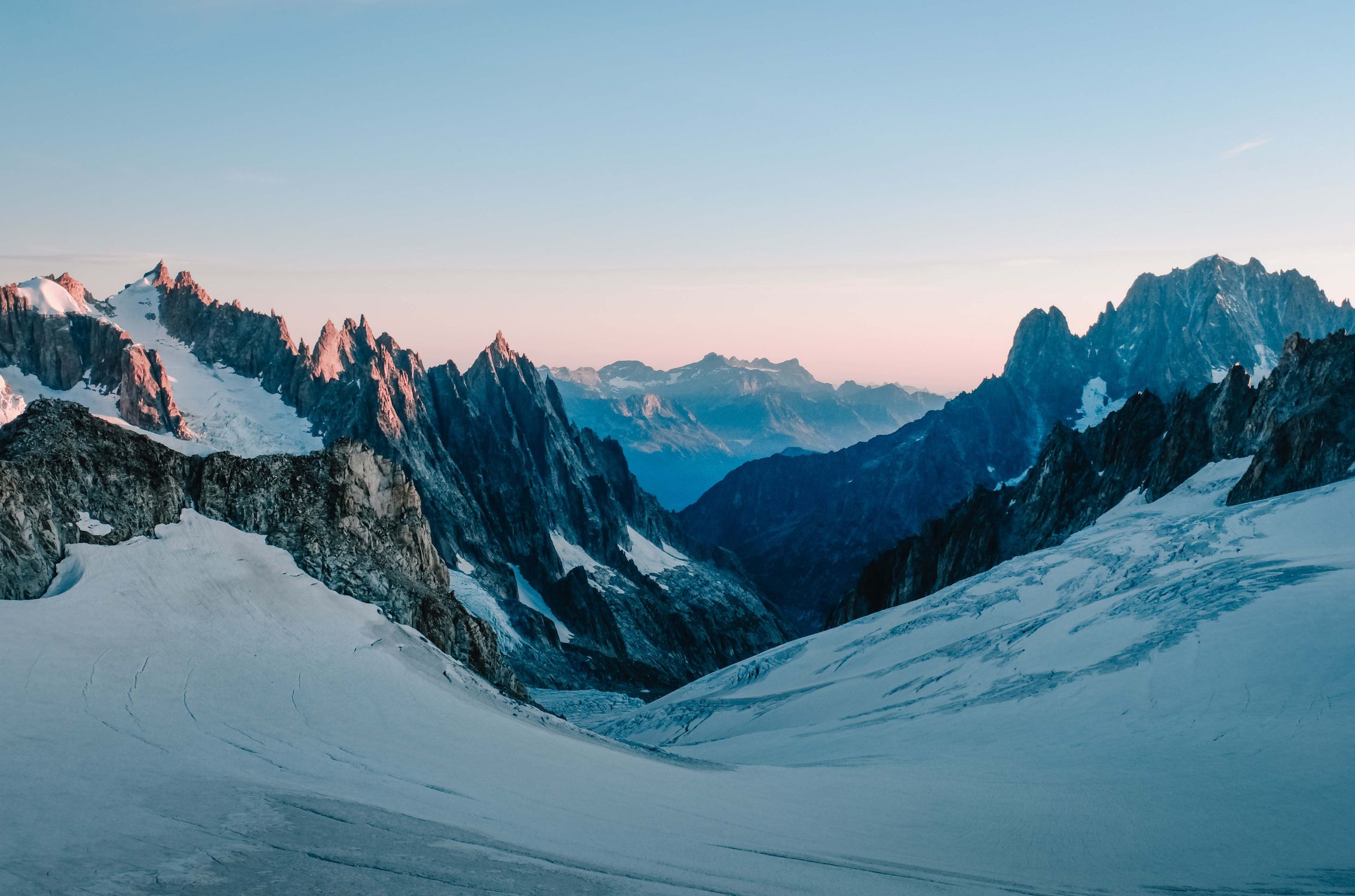 Photo credit on Pexels
2. Svalbard, Norway — Arctic Wildlife (February–April)
Svalbard is a Norwegian archipelago at 78 degrees north, closer to the North Pole than to Oslo. In late winter, the sun returns after months of polar night, casting low golden light across a landscape of glaciers, sea ice, and frozen fjords. This is prime time for Arctic wildlife.
Key species: Polar bears (approximately 3,000 across the archipelago), Arctic foxes, Svalbard reindeer, walruses (arriving in spring), ivory gulls, and ptarmigan.
The experience: Multi-day snowmobile safaris or ship-based expeditions are the primary ways to explore. Armed guides are mandatory due to polar bear risk. The combination of midnight blue twilight, pink-tinged mountains, and vast emptiness creates a photographic atmosphere unlike anywhere else on Earth.
Costs: Week-long ship-based expeditions range from $3,500–$12,000 depending on vessel quality and itinerary. Snowmobile day trips from Longyearbyen start at $250. Flights from Oslo to Longyearbyen (LYR) run $200–$500 round trip.
Best timing: February–March for returning light and sea ice; April for brighter conditions and walrus arrivals.
3. Serengeti and Masai Mara — Great Migration Calving (January–March)
While the Great Migration is often associated with the dramatic river crossings of July–October, the January–March calving season in the southern Serengeti is arguably the most spectacular phase. Approximately 500,000 wildebeest calves are born in a three-week window in February, attracting every predator in the ecosystem.
The experience: The short-grass plains of the Ndutu area provide unobstructed visibility. You watch lionesses stalk through herds, cheetahs sprint after newborn calves, and hyena clans patrol the periphery. The birth rate during peak calving is around 8,000 calves per day. The drama is relentless and visceral.
Costs: Mid-range mobile camps in the Ndutu area cost $350–$700 per person per night, all inclusive. Luxury tented camps run $800–$2,000. A five-night calving season safari typically costs $3,000–$8,000 per person including internal flights.
Best timing: Late January to mid-February for peak calving. The exact timing shifts slightly each year based on rainfall.
4. Antarctica — Penguins and Whales (November–March)
An Antarctic expedition is the ultimate wildlife safari, and because it is summer in the Southern Hemisphere during Northern Hemisphere winter, the timing works perfectly. The Antarctic Peninsula is home to enormous colonies of gentoo, chinstrap, and Adelie penguins, along with leopard seals, elephant seals, humpback whales, and orcas. The landscape of icebergs, glaciers, and volcanic mountains adds visual grandeur that is difficult to overstate.
The experience: Expedition cruises depart from Ushuaia, Argentina and take two days to cross the Drake Passage before reaching the peninsula. Once there, you make daily Zodiac landings at penguin colonies, whale watching excursions, and visits to research stations. Kayaking among icebergs is available on most expedition ships.
Costs: Basic expedition berths start at $6,000 for 10-day voyages. Mid-range cabins run $8,000–$15,000. Luxury vessels charge $15,000–$40,000. Last-minute deals from Ushuaia can drop prices by 30–50 percent but are unreliable for planning. The average traveler spends $12,000–$18,000 all-in including flights to Ushuaia. Book 12–18 months ahead.
Best timing: November–December for pristine snow and courtship behavior; January for chick hatching; February–March for whale concentration and fledgling penguins.
5. Yellowstone National Park, USA — Wolves and Bison (December–February)
Winter transforms Yellowstone from a crowded summer destination into a snow-covered wilderness with some of North America’s most dramatic wildlife viewing. The park’s wolf packs are most active and visible in winter when deep snow limits prey movement. Bison herds congregate in thermal areas, creating surreal scenes of massive animals surrounded by steam and ice.
Key species: Gray wolves, bison, elk, coyotes, trumpeter swans, bald eagles, river otters, bighorn sheep.
The experience: Lamar Valley is the wolf watching epicenter. Arrive before dawn, set up a spotting scope, and wait. Wolf watchers are a dedicated community, and experienced locals share information about pack locations. The Junction Butte Pack — currently numbering around 18 members — is frequently visible. I watched a pack of wolves attempt to separate an elk from its herd in waist-deep snow. The hunt lasted 45 minutes and was the most riveting wildlife encounter I have experienced in North America.
Costs: Snowcoach tours into the park interior run $150–$300. Multi-day guided wolf-watching tours with accommodation cost $2,000–$4,000 for four to five days. The park’s winter lodges (Old Faithful Snow Lodge and Mammoth Hot Springs Hotel) are affordable at $150–$300 per night.
Best timing: January–February for deepest snow and most concentrated wildlife activity.
6. Baja California, Mexico — Gray Whales (January–March)
Every winter, approximately 20,000 gray whales migrate from Alaska to the warm lagoons of Baja California to breed and give birth. The lagoons of San Ignacio, Ojo de Liebre, and Magdalena Bay offer the most intimate whale encounters on Earth — mothers actively bring their calves to small boats for interaction, and it is not unusual to have a whale calf surface inches from the boat and make eye contact.
The experience: Small pangas (open fishing boats with outboard motors) take groups of 6–8 people into the lagoons. The whales approach voluntarily. These are called “friendlies,” and the experience of having a 40-ton whale gently surface next to your 6-meter boat is simultaneously terrifying and magical. On a three-hour trip in San Ignacio, we had 11 close encounters, including a mother who positioned her calf directly alongside the boat for what appeared to be a deliberate introduction.
Costs: Panga trips cost $50–$80 per person for 2–3 hours. Multi-day camp-based trips at San Ignacio Lagoon run $2,000–$4,000 for 3–4 nights including meals and multiple panga outings.
Best timing: Mid-January to mid-March. February is peak season with the highest whale concentration.
7. Japan — Snow Monkeys and Cranes (December–February)
Japan in winter offers two iconic wildlife experiences: Japanese macaques (snow monkeys) bathing in hot springs at Jigokudani near Nagano, and red-crowned cranes dancing on the frozen marshes of Hokkaido.
Snow monkeys: The image of monkeys sitting in steaming hot springs surrounded by snow is one of wildlife photography’s most iconic scenes. The monkeys at Jigokudani are wild but habituated, and access is via a 1.6-kilometer forest walk. Temperatures can drop to -15°C, but the reward is extraordinary.
Red-crowned cranes: These birds stand 1.5 meters tall with a wingspan of 2.4 meters. In winter they gather at feeding stations in the Kushiro marshlands of eastern Hokkaido, where they perform elaborate courtship dances. The juxtaposition of their white plumage against snow, with mist rising from nearby hot springs, creates photographic opportunities of stunning beauty.
Costs: Snow monkey park entry is $10. Hokkaido crane viewing is free at public viewing areas or $100–$200 for guided photography tours. A combined 7-day Japan winter wildlife trip costs $2,500–$5,000 including accommodation and transport.
For more on Japan’s adventure travel scene beyond wildlife, see our Japan outdoor adventure guide.
Winter Wildlife Safari Comparison
| Destination | Key Species | Trip Cost Range | Best Months | Family Friendly |
|---|---|---|---|---|
| Churchill, Canada | Polar bears | $4,000–$12,000 | Oct–Nov | Yes |
| Svalbard, Norway | Arctic wildlife | $3,500–$12,000 | Feb–Apr | No (age 16+) |
| Serengeti, Tanzania | Migration calving | $3,000–$8,000 | Jan–Feb | Yes |
| Antarctica | Penguins, whales | $8,000–$40,000 | Nov–Mar | Limited |
| Yellowstone, USA | Wolves, bison | $2,000–$4,000 | Jan–Feb | Yes |
| Baja California | Gray whales | $1,500–$4,000 | Jan–Mar | Yes |
| Japan | Monkeys, cranes | $2,500–$5,000 | Dec–Feb | Yes |
Gear for Cold-Weather Wildlife Safaris
Cold-weather safari packing differs fundamentally from tropical safari packing.
Clothing Layers
- Base layer: Merino wool top and bottom (Smartwool or Icebreaker). Merino regulates temperature, wicks moisture, and does not smell after multiple days of wear.
- Mid layer: Down or synthetic puffy jacket. The Patagonia Nano Puff works for versatility and packability.
- Outer layer: Waterproof and windproof shell. Gore-Tex is the standard. For extreme cold (Svalbard, Antarctica), add an expedition-weight down parka.
- Extremities: Insulated waterproof gloves plus liner gloves for camera operation. Balaclava or buff for face. Warm hat covering ears. Two pairs of warm socks per day.
Camera Gear for Cold-Weather Wildlife
- Extra batteries: Cold drains batteries 30–50 percent faster. Carry 4–6 batteries and keep spares warm in inside pockets.
- Lens selection: A 100–400mm zoom covers most safari situations. Add a 1.4x teleconverter for extra reach with penguins or distant wolves.
- Hand warmers: Chemical hand warmers taped to your camera body help keep the battery warm and extend shooting time.
- Condensation prevention: When moving from cold outdoors to warm interiors, seal your camera in a plastic bag before entering to prevent condensation on cold glass elements.
For a complete GPS and navigation solution on remote wildlife expeditions, see our best GPS watches for adventure travel. And always carry appropriate coverage — review our adventure travel insurance guide before any polar or remote wildlife trip.
Booking and Planning Tips
- Book early: Polar bear trips in Churchill sell out 12 months ahead. Antarctic cruises often sell out 18 months in advance.
- Consider shoulder season: Early or late season trips are cheaper and less crowded, with only marginally reduced wildlife sighting probability.
- Use specialist operators: General travel agents lack the expertise to plan wildlife-focused trips effectively. Use operators who specialize in the specific destination.
- Travel insurance is essential: Winter conditions increase trip disruption risk significantly. Flights to remote destinations are frequently delayed or cancelled. Ensure your policy covers weather-related delays and emergency evacuation.
- Physical preparation: Cold-weather safaris are more physically demanding than tropical ones. If your trip involves snowshoeing, snowmobiling, or Zodiac landings, a baseline fitness level is required.
Conservation Impact
Winter wildlife tourism provides economic incentives for conservation during the season when it is most needed. In Churchill, polar bear tourism generates approximately $7 million annually, funding research and habitat protection. Antarctic expedition operators contribute to wildlife monitoring data through citizen science programs. Yellowstone’s winter visitors support ranger salaries and wolf monitoring during the park’s most operationally challenging season.
When you choose winter wildlife travel, you are voting with your dollars for the protection of these species and their habitats. Choose operators who contribute to conservation, follow wildlife viewing guidelines strictly, and share your experience to inspire others. For trips that directly support conservation work, see our conservation travel guide.
If gorilla trekking interests you as part of an Africa wildlife itinerary, our gorilla trekking Uganda and Rwanda guide covers everything you need to plan that experience.
Recommended Gear for Winter Wildlife Safaris
Two items that prove essential on cold-weather wildlife trips: the GoPro HERO13 Black handles Churchill’s polar bear season and Churchill’s sub-zero temperatures without the cold-weather battery issues that affect phone cameras — waterproof to 33 ft, shoots 5.3K, and attaches to Zodiac handrails for Antarctic landings. The Marmot PreCip Men’s Rain Jacket (or Women’s version) adds a waterproof shell layer over insulating mid-layers for Hokkaido and Churchill conditions without adding excessive bulk.
 Camera and rain shell for winter wildlife conditions — Photo on Pexels
Related Reading
Get the best ThrillStays tips in your inbox
Weekly guides, deals, and insider tips. No spam, unsubscribe anytime.