Women's Solo Adventure Travel: 15 Best Trips 2026
Top 15 adventure destinations for solo female travelers in 2026: real safety data, GPS coords, female-led operators, gear recs, and community resources.

This post may contain affiliate links. Disclosure
The narrative around women’s solo travel has shifted. Where the conversation was once dominated by warnings and risk management, it has been replaced by practical frameworks, community knowledge, and the lived experiences of millions of women who have traveled solo to every corner of the world — including the adventure destinations once considered the exclusive domain of male expedition culture.
Women now make up approximately 84% of solo travelers globally, up from 65% just five years ago, according to the World Tourism Organization (UNWTO). Female solo travel grew over 35% between 2020 and 2024, and that momentum has not slowed. This majority has driven a meaningful evolution in how the travel industry designs and markets adventure experiences.
None of this means safety considerations are irrelevant. They are not, and any guide that dismisses them in favor of pure positivity is doing its readers a disservice. Risks for women traveling solo are real and vary significantly by destination — cultural context, legal frameworks, infrastructure quality, and population density all affect the safety calculus. The approach in this guide is honest: we identify the genuinely best adventure destinations for solo women in 2026, explain what makes each safe and rewarding, provide specific safety strategies, and recommend female-founded operators and gear that meaningfully improve your experience in the field.
Before you depart: read our adventure travel safety essential guide and make sure your adventure travel insurance covers your specific activities.
Top 15 Solo Adventure Trips for Women in 2026
1. New Zealand: The Gold Standard for Solo Female Adventure
New Zealand consistently tops every global ranking of safe destinations for women traveling solo. The reasons are concrete: extremely low violent crime rates (ranked 3rd globally for personal safety by the Global Peace Index 2025), exceptional outdoor infrastructure, a culture of inclusive adventure, and a traveler community where solo women are common and respected.
The country’s compactness means that dramatic landscape diversity — fiords, glaciers, volcanic plateaux, subtropical forests — is accessible within short driving distances. The freedom camping and DOC (Department of Conservation) hut system provides affordable independent accommodation throughout.
Best adventure activities: Milford Track (4-day guided or independent hike, one of the world’s finest at S 44.672°, E 168.023°), Queenstown’s adventure sports cluster (bungee at Kawarau Bridge, skydiving, white-water rafting on the Shotover), sea kayaking in Abel Tasman National Park, and skiing at Cardrona or Treble Cone.
Practical: English-speaking, excellent public health system, comprehensive travel insurance accepted everywhere. Best season: November–March for South Island outdoor activities. Costs: DOC hut passes from NZD $15/night; guided Milford Track from NZD $2,350 per person.
For full trip planning, see our New Zealand adventure travel guide.
2. Iceland: Safety + Extreme Natural Beauty
Iceland’s combination of genuine global safety ranking — the world’s most peaceful country by GPI for 15 consecutive years through 2025 — and extraordinary adventure landscape makes it one of the most compelling solo female adventure destinations on the planet. Reykjavik’s compact city (population 130,000) provides a comfortable base; the Ring Road (Route 1) circumnavigating the island is one of the world’s classic solo road trip routes.
Best adventure activities: Northern lights hunting (October–March), glacier hiking on Vatnajökull (guided day trips from Jökulsárlón Glacier Lagoon, coordinates 64.048°N, 16.180°W), lava tube exploration at Raufarhólshellir, whale watching from Húsavík, and snorkeling/diving between tectonic plates at Þingvellir in the Silfra fissure.
The Silfra snorkel ($110–$160 for a 2026 guided session) is among the world’s most unusual diving experiences. Water temperature stays 2–4°C year-round (dry suit provided), but visibility in the glacier-filtered water reaches 80–100 meters — Europe’s clearest freshwater diving site.
Read our full Iceland adventure travel guide for Ring Road planning, highland F-road permits, and winter driving strategy.
3. Portugal: Atlantic Adventure in a Safe European Country
Portugal offers the rare combination of genuine surf adventure, hiking infrastructure, and a cultural environment consistently welcoming to solo female travelers. The southwest Alentejo coast is Europe’s finest surfing region for intermediate and beginner surfers, with consistent Atlantic swell and a well-developed surf school ecosystem.
Best adventure activities: Surfing at Sagres, Ericeira (Europe’s only World Surfing Reserve), or Peniche; cycling the EuroVelo 1 coastal route from Porto to Lisbon (860 km, 2–3 weeks); hiking the Fisherman’s Trail (Rota Vicentina) along the Costa Vicentina — 120 km of Europe’s finest coastal trail with excellent accommodation throughout (€15–€30/night in local guesthouses).
Safety context: Portugal ranked 7th globally on the GPI 2025. Solo female travelers consistently report feeling comfortable in both urban and rural environments. English is widely spoken in all tourist areas.
See our surf road trip Portugal Morocco guide for operator recommendations and surf school pricing.
4. Japan: Perfect Infrastructure for Solo Female Travelers
Japan is frequently cited by solo female travelers as the world’s most comfortable country to navigate alone. The cultural emphasis on order and respect means street harassment is genuinely rare by global standards, public transport is extraordinary in reliability and ease, and the combination of ancient cultural depth and modern convenience rewards slow, exploratory travel.
Adventure context: Japan’s adventure credentials are underrated internationally. The country has 200+ ski resorts (Niseko, Hokkaido: 43.138°N, 140.688°E — internationally recognized for powder snow); the Shikoku Pilgrimage offers 40–60 days of solo walking through rural Japan; mountain hiking on the Japanese Alps (Kita Alps, Minami Alps) is exceptional; and sea kayaking in the Seto Inland Sea between the islands is available with English-speaking operators.
Female-specific infrastructure: Women-only train carriages on major metropolitan lines (marked with pink signs), women-only floors at many business hotels, and the ichiran ramen system with individual booth seating — designed specifically for comfortable solo dining, removing one of the common friction points of solo travel.
5. Costa Rica: The Solo Female Adventure Classic
Costa Rica has been welcoming solo female travelers for over three decades, and the infrastructure for independent women’s adventure travel is the most developed in Central America. The combination of surfing on both coasts, zip-lining through cloud forest canopy, white-water rafting on the Pacuare River (Class III–IV, Turrialba: 9.900°N, 83.681°W), and wildlife watching in Corcovado National Park creates one of the densest adventure-per-square-kilometer environments in the Americas.
Safety notes: Costa Rica requires situational awareness in some urban areas. Standard solo female safety practices apply: accommodation in established guesthouses or hostels rather than isolated private rentals; rideshare (Uber or DiDi) rather than unmarked taxis in cities; following local advice about neighborhoods and beach access after dark.
Female-friendly operators: Everyday Adventures (women-focused multi-day tours), and the Instituto Costarricense de Turismo certified guide program.
For a budget breakdown, see our Costa Rica adventure budget guide.
6. Nepal: Himalayan Trekking With Established Infrastructure
Nepal’s trekking infrastructure — the teahouse network along major routes, the TIMS permit system, and the concentration of reputable trekking agencies in the Trekking Agencies’ Association of Nepal (TAAN) — makes it one of the most accessible high-altitude adventure destinations for solo women. The Annapurna Circuit and Everest Base Camp routes both have established teahouses within 2–4 hours of each other throughout, providing consistent shelter, food, and community.
Safety reality: Nepal is generally safe for solo female trekkers on established routes. The teahouse community — a rotating group of international trekkers at any given location — provides informal safety in numbers. Solo trekking on remote, less-traveled routes (Dolpo, Mustang) is better approached with a hired local guide ($25–$45/day in 2026) for navigation and cultural support.
Recommended approach: Join a small-group or semi-private guided trek through operators like Intrepid Travel, G Adventures, or Exodus Travels for a first Himalayan trekking experience.
The “solo” in solo female travel doesn’t always mean alone. Group tour formats with female-majority bookings combine the freedom of independent-minded travel with the practical safety advantages of group dynamics. Many of the best solo female adventure trips use guided components for the most remote terrain.
For detailed route planning, see our guide to Nepal trekking beyond Everest.
7. Scandinavia: Wild Camping and Nordic Freedom
Sweden, Norway, and Finland all grant the legal right to wild camp on any non-private land under the allemansrätten (right to roam) principle. For solo female adventurers, this means paddling a canoe through the Swedish lake district and camping wherever the evening calls for it — legally and without cost. Safety is exceptional across all three countries (top-5 globally on both the GPI 2025 and the Women, Peace and Security Index), and the outdoor culture is sophisticated, respectful, and deeply egalitarian.
Norway’s fjord kayaking: The Sognefjord (61.013°N, 6.400°E) and Hardangerfjord systems offer multi-day kayaking adventures with camping on deserted shorelines. Several operators offer guided multi-day women’s tours specifically. Solo kayaking in Norwegian fjords is viable for experienced paddlers but requires solid coastal kayaking skills.
Swedish lake district (Värmland): The Canoe Trail in Värmland — 100+ km of paddling through lake and river systems with established lakeside camping — is one of the most consistently cited experiences by solo female Scandinavian travelers.
Combine with our sea kayaking expeditions multi-day guide for gear lists and route planning.
8. Slovenia: Europe’s Secret Adventure Country
Slovenia’s combination of Alpine mountain (Triglav National Park), cave systems (Postojna and Škocjan), white-water kayaking on the Soča River (Europe’s cleanest major river, Bovec: 46.338°N, 13.551°E), and Lake Bled cycling infrastructure makes it one of Europe’s finest adventure destinations in one of its smallest countries. Safety is exceptional (ranked among Europe’s top 5 safest countries on GPI 2025), the country is EU-standard in terms of service and infrastructure, and English-language proficiency is high throughout.
Solo female travel advantage: Slovenia’s small scale (the size of New Jersey) means maximum adventure diversity within minimal driving distances. You can kayak the Soča in the morning and be hiking in the Julian Alps by afternoon, returning to Bled for dinner. This compactness makes solo itinerary management simpler.
Best adventure activities: Via ferrata routes in Triglav National Park (guided, from €60/person), white-water kayaking courses on the Soča (beginner-friendly, from €45/half-day), and the Juliana Trail — a 270 km loop around the Julian Alps with established accommodation throughout.
9. Peru: Ancient Mountains and Solo Trekking Traditions
Peru’s trekking industry is mature, heavily regulated, and deeply familiar with solo female travelers. The Inca Trail to Machu Picchu (mandatory guided, maximum 500 permits/day — book 6+ months in advance) is the world’s most famous mountain hike, but the Salkantay Trek (coordinates at Salkantay Pass: 13.345°S, 72.995°W), Ausangate Circuit, and Lares Trek provide less crowded, equally spectacular alternatives with flexible independent options.
Safety context: Peru requires more awareness than Scandinavia or New Zealand, particularly in urban areas. Cusco’s center and the tourist circuit are well-traveled enough to be generally safe. The solo female trekker community in Peru’s highlands is large and well-connected — the hostel culture in Cusco (Ulay Cusco, Loki Hostel) provides immediate community for solo travelers.
10. Canada: Backcountry Wilderness for Experienced Adventurers
Canada’s backcountry — Banff and Jasper National Parks, the Yukon wilderness, British Columbia’s Coast Mountains — offers world-class solo female adventure for experienced wilderness travelers. The scale demands more preparation than smaller European destinations, but the rewards are proportionally greater: genuine wilderness solitude in landscapes of extraordinary scale.
Bear safety is real: Solo hiking in Canadian bear country requires bear spray ($40–$65, available at any outdoor retailer in 2026), making noise on the trail, proper food storage, and following Parks Canada’s bear encounter protocols. Women have an excellent record of managing bear encounters safely — primarily because women follow safety protocols more consistently on average (a finding from Parks Canada encounter data).
Recommended entry points: Banff and Lake Louise for accessible backcountry hiking with park infrastructure; Kluane National Park in the Yukon for genuinely remote wilderness experience with proper preparation.
11. Morocco: Organized Desert and Mountain Adventure
Morocco requires a different approach for solo female travelers than northern European or Oceanic destinations. Cultural context matters: Morocco is a Muslim-majority country with traditional social norms most prominent in smaller cities and rural areas. Solo female travelers who dress modestly (covering shoulders and knees in medinas and rural areas), use riads rather than isolated accommodation, and book legitimate licensed guides for desert and Atlas Mountain adventures consistently report positive and rewarding experiences.
Best adventure activities: 3-day camel trekking in the Sahara from Merzouga (the Erg Chebbi dunes: 31.158°N, 4.015°W — extraordinary at sunrise); multi-day Atlas Mountain trekking with female-led guide operations; and coastal surf camps near Taghazout (female instructor options widely available, surf community is international and inclusive).
Female-specific tip: Book your Atlas Mountain guide through a licensed agency (Fédération Royale Marocaine de Ski et Montagne certified) and specifically request a female guide or a male guide with strong female traveler references. The difference in experience quality is significant.
12. Colombia: Emerging Solo Female Adventure Destination
Colombia’s security situation has transformed dramatically since the 2016 peace agreement. Medellín, once a byword for danger, is now celebrated as Latin America’s most innovative city. The coffee region (Eje Cafetero) offers excellent cycling through lush mountainscape. The Caribbean coast’s Tayrona National Park provides jungle-meets-beach hiking with camping permitted in limited designated zones.
Current safety status: The US State Department rates Colombia at Level 2 (Exercise Increased Caution). For solo female travelers, the key is staying on established tourist routes, using recognized accommodation, and avoiding off-route exploration without a local guide. Cities like Cartagena, Medellín, and Salento are established solo female travel hubs.
13. Scotland: Wild Hiking and Island Hopping
Scotland’s wild landscape — the Highlands, the Outer Hebrides, the Cairngorms — is accessible, legally wild-campable under the Land Reform (Scotland) Act 2003, and culturally welcoming. The West Highland Way (154 km, 7–12 days, Fort William to Milngavie) is one of the world’s finest long-distance walks for solo women: well-waymarked, with accommodation at every end-of-day point and enough solo female trekkers that trail community forms naturally.
The Outer Hebrides island chain (Lewis, Harris, North Uist, South Uist, Barra) offers sea kayaking, wild camping on machair (coastal meadow), and a cultural landscape of standing stones and Gaelic tradition that is entirely unlike mainland Britain.
See our hiking trails bucket list for Scotland route details and hut-to-hut options.
14. Patagonia: Women’s Expedition-Level Adventure
Patagonia is the aspiration destination for solo female adventure travelers ready to push into expedition-level experience. The W Trek and O Circuit at Torres del Paine (51.210°S, 72.989°W), sea kayaking the fjords of the Magellan Strait, and mountaineering in the Argentine Andes (Fitz Roy massif: 49.272°S, 73.049°W) are all within reach of well-prepared solo female adventurers.
Community tip: The Patagonia trekking community is one of the most international and gender-balanced in adventure travel. Solo women on the W Trek consistently report forming lasting friendships with other trekkers at refugio dinners where groups consolidate. The solo female experience here is often less solitary than at home.
For complete trail logistics, see our Patagonia trekking W Trek guide.
15. Taiwan: East Asian Safety and Adventure Depth
Taiwan rounds out this list for its combination of extraordinary safety (one of Asia’s safest countries for women), excellent adventure geography, and cultural warmth that solo female travelers consistently report. The east coast cycling route (Southern Cross-Island Highway), Taroko Gorge hiking (24.187°N, 121.607°E), and Sun Moon Lake kayaking are all world-class experiences in a compact, easy-to-navigate island.
Practical: Excellent public transport (HSR, MRT), low cost of living relative to quality (budget $50–$80 USD/day including accommodation), and an adventure sports ecosystem heavily used by locals, making infrastructure for outdoor activities excellent.
Safety Strategies That Actually Work
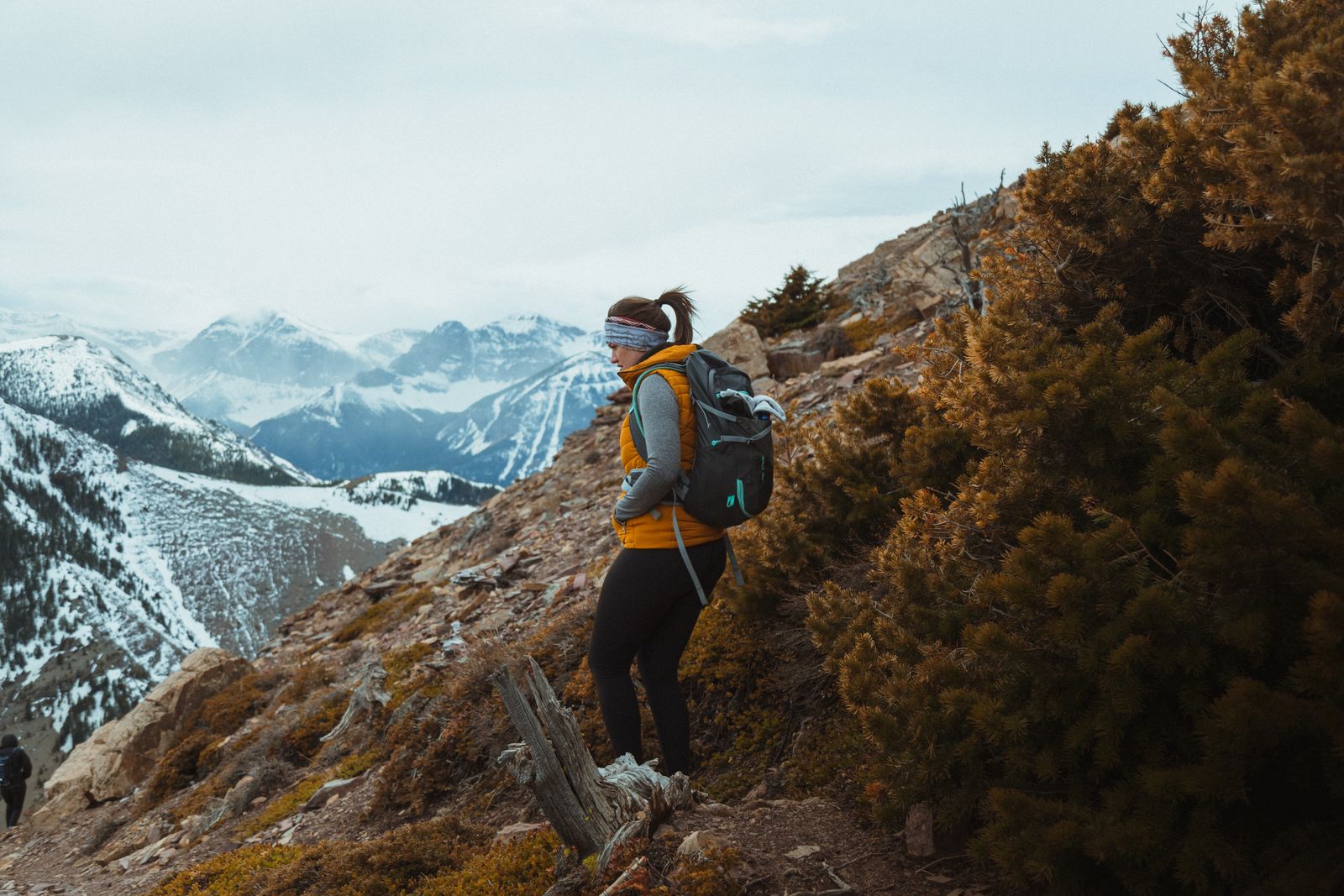
The most effective safety strategies for solo female adventure travelers are practical, not paranoid:
Communication framework: Establish a regular check-in protocol with someone at home — a daily message or location share via WhatsApp. For remote areas, a satellite communicator creates accountability without constant supervision. The Garmin inReach Mini 2 (GPS coordinates broadcast every 10 minutes, two-way satellite messaging, $350 + $15/month plan) is the benchmark device.
Accommodation selection: Prioritize accommodation in the main traveler community — hostels with common areas, established guesthouses in town centers rather than isolated private rentals for the first night in a new area. This provides immediate social environment and local knowledge.
Research women-specific resources: Girls LOVE Travel (Facebook community, 1.5+ million members), Wanderful, and the Solo Female Travelers Facebook group provide real-time safety and logistics advice from women currently or recently in your target destination. The Travel Ladies app publishes a Solo Female Travel Safety Index updated annually.
Trust your instincts: Research on violent crime consistently shows that people’s instinctive threat assessment — the “something feels wrong” sensation — is more accurate than they typically trust. If a situation feels wrong, leave it. No courtesy obligation justifies overriding a clear physical warning signal.
Essential Gear for Solo Female Adventure Travelers
Personal safety device: A satellite communicator for remote wilderness travel or a GPS sharing app for urban and developed-area travel. The Garmin inReach Mini 2 ($349.99, 100g) is the best option for genuine wilderness adventure. For less remote travel, Apple AirTag or Samsung Galaxy SmartTag shared via Find My provides lighter-weight location visibility.
First aid kit: Preassembled wilderness first aid kit — the Adventure Medical Kits Ultralight/Watertight 1.0 ($35 in 2026) covers trail emergencies. Take a Wilderness First Aid course ($200–$300 for a 2-day course) before any remote solo trekking.
Packable personal alarm: A 130dB personal safety alarm (Sabre or BASU eAlarm, $10–$20) clips to a pack or keychain and deters confrontation in urban environments through noise rather than physical force.
Navigation: A dedicated adventure GPS watch reduces phone dependency. See our best GPS watches for adventure travel for 2026 model comparisons.
Insurance coverage: Always verify your policy covers your specific activities before departure. See our adventure travel insurance guide for a full comparison of World Nomads, Safety Wing, and specialist adventure policies.
Female-Led and Female-Friendly Tour Operators
The following operators specialize in or have strong female leadership in adventure contexts:
- Intrepid Travel: B-Corp certified, strong diversity leadership, wide adventure catalog with solo traveler supplement waivers
- Exodus Travels: Strong female guide presence, excellent solo traveler supplements
- G Adventures: Social enterprise model, female community leaders program in multiple destinations
- Rad Season: Female-founded, outdoor sports focus
- Wild Women Expeditions: All-women group expeditions (Canada, international)
- Damesxcape: Female-only adventure tours (Africa focus)
- Flash Pack: Solo traveler-only groups (30s and 40s demographic, age-matched groups)
- Contiki: Under-35 traveler focus with strong female community reputation
Wellness and Recovery on the Road
The intersection of adventure and wellness is growing. If you want to complement your adventure travel with mindfulness practice, see our wellness retreats for solo women guide for destinations that pair yoga, meditation, or spa recovery with outdoor adventure programming.
For travelers weighing a more meditative pace, our slow adventure travel guide covers destinations and formats that balance deep cultural engagement with physical challenge — particularly relevant for solo women who want community without constant hustle.
Solo female adventure travel in 2026 is supported by better resources, better community, better operators, and more honest conversation about both safety and possibility than at any previous point in travel history. The 15 destinations in this guide represent the best of what’s available — places where the adventure is extraordinary, the safety is sound, and the solo female traveler is not an anomaly but increasingly the norm.
Go.
Get the best ThrillStays tips in your inbox
Weekly guides, deals, and insider tips. No spam, unsubscribe anytime.