Yoga Adventure Travel Retreats: Best Picks for 2026
Best yoga adventure retreats for 2026: surf and yoga in Bali, trek and yoga in Nepal, climb and kayak retreats. Real costs, operator vetting, and DIY options.

This post may contain affiliate links. Disclosure
The yoga retreat industry has evolved far beyond silent meditation in a rural ashram. In 2026, the fastest-growing segment is the adventure yoga retreat: trips that combine serious yoga practice with serious outdoor adventure. Surf and yoga in Costa Rica. Trek and yoga in Nepal. Climb and yoga in Spain. Mountain bike and yoga in Morocco. These hybrid retreats recognize that physical adventure and mindful practice are not opposites but natural complements.
The logic is sound. Adventure activities push you physically and mentally, creating stress, muscle tension, and adrenaline. Yoga provides recovery, flexibility, breath work, and mental clarity. The combination creates a travel experience more satisfying than either activity alone: you surf all morning, practice yoga in the afternoon, and finish the day feeling both exhilarated and centered.
The global wellness tourism market reached $817 billion USD in 2025, according to the Global Wellness Institute, and adventure-yoga hybrid retreats have been one of its fastest-growing niches. Hundreds of operators now offer multi-day retreats pairing yoga with everything from kitesurfing to rock climbing to whitewater kayaking. Quality varies enormously — from genuinely transformative experiences with expert yoga teachers and world-class adventure guides, to Instagram-oriented retreats where yoga is an afterthought and the adventure is a marketing gimmick.
This guide distills what separates the good from the bad, how to find them, and how to get the most out of the experience.
Before diving in: if you’re planning an adventure yoga retreat solo, read our women’s solo adventure travel guide for destination safety context, and our adventure travel insurance guide to make sure your policy covers both yoga and the adventure components.
What Makes a Great Adventure Yoga Retreat
The best retreats get three things right:
1. The yoga is taught by a qualified, experienced teacher. A 200-hour Yoga Alliance registration (RYT-200) is the minimum standard. Better retreats feature teachers with 500+ hours of training (RYT-500), years of teaching experience, and the ability to adapt classes to a full range of abilities — from complete beginners to advanced practitioners. The teacher should be the primary reason you book the retreat, not an afterthought.
2. The adventure is led by qualified, local guides. The adventure component should be as good as a standalone adventure trip. If the retreat includes surfing, the surf coaches should hold ISA (International Surfing Association) or equivalent instructor qualifications. If it includes trekking, the guides should know the terrain and hold current first aid certification. Be wary of retreats where the yoga teacher also doubles as the adventure guide — that is almost always a sign that neither activity will be done well.
3. The schedule allows for rest. A good retreat balances activity with recovery. A bad retreat crams every hour with scheduled activities, leaving you more exhausted than when you arrived. Look for retreats with built-in free time, optional activities, and a pace that allows for naps, reading, and simply being present. A healthy daily schedule: 1.5 hours morning yoga, 3–4 hours adventure activity, free time midday, 1 hour evening yoga or meditation.
Surf and Yoga Retreats
Surf and yoga is the original adventure-yoga combination and still the most popular. The physical demands of surfing — paddle strength, flexibility, balance, breath control — align naturally with yoga practice, and the beach lifestyle creates an ideal retreat setting.
Bali, Indonesia
Bali remains the world’s surf and yoga capital, with an ecosystem of retreat centers, yoga shalas, and surf schools unmatched anywhere. The Bukit Peninsula (Uluwatu: 8.812°S, 115.085°E; Bingin; Padang Padang) offers world-class waves for experienced surfers. Canggu and Seminyak have beach breaks suited to beginners and intermediates.
Recommended retreats:
- The Practice Bali (Canggu): Dedicated yoga shala with surfing arranged through vetted local surf schools. 7-day retreat from $900–$1,300 USD in 2026, including accommodation, daily yoga, and 3 surf sessions.
- Pelan Pelan Bali (Canggu): 8-day yoga and surf retreat including four Hatha yoga classes, three massages, and surf tuition from ISA-certified local instructors. From $1,100 USD per person.
- Escape Haven: Women-only retreat in Seminyak. 2026 pricing from $2,295 USD twin share / $2,595 USD private room, 7 nights, fully inclusive.
- DIY approach: Accommodation from $15–$35/night, drop-in yoga classes from $10 USD, surf lessons from $35 USD. Total DIY retreat cost: $400–$600 USD for a week — 40–50% cheaper than packaged retreats.
Best season: April through October (dry season, most consistent swells for the south coast) Where to stay: Canggu for beginners, Uluwatu for intermediates and above Getting there: Fly to Ngurah Rai International Airport (DPS), 30 minutes from Canggu
Portugal (Ericeira and Algarve)
Portugal has emerged as Europe’s premier surf and yoga destination. Ericeira (38.966°N, 9.417°W) — Europe’s only World Surfing Reserve — sits north of Lisbon with consistent Atlantic swell year-round. The Algarve in the south offers warmer water, mellower waves, and a more relaxed vibe.
Recommended retreats:
- Ericeira surf and yoga camps: Multiple operators offering 7-day packages from €650–€1,100 EUR including accommodation, daily yoga, daily surf coaching, and most meals.
- Algarve retreats: Packages from €500–€950 EUR for a week. More beginner-friendly waves.
- Taghazout-style camps: Several Portugal operators have launched Morocco-inspired camp formats on the Alentejo coast with self-catering accommodation and group yoga.
Best season: Year-round (biggest waves October–March, warmest water July–September)
See our surf road trip Portugal Morocco guide for operator-level details on the Ericeira and Algarve surf scene.
Sri Lanka
Sri Lanka offers warm water, consistent waves on both coasts (south coast October–April, east coast April–October), and a yoga tradition that predates the modern retreat industry. The south coast towns of Weligama, Mirissa, and Hiriketiya (6.044°N, 80.520°E) have developed a surf-yoga culture that rivals Bali at a fraction of the cost.
Retreat cost: 7-day packages from $400–$750 USD including accommodation, daily yoga, daily surf coaching, and meals Best season: November through April (south coast) Where to stay: Hiriketiya for a quieter scene, Weligama for more options and larger surf
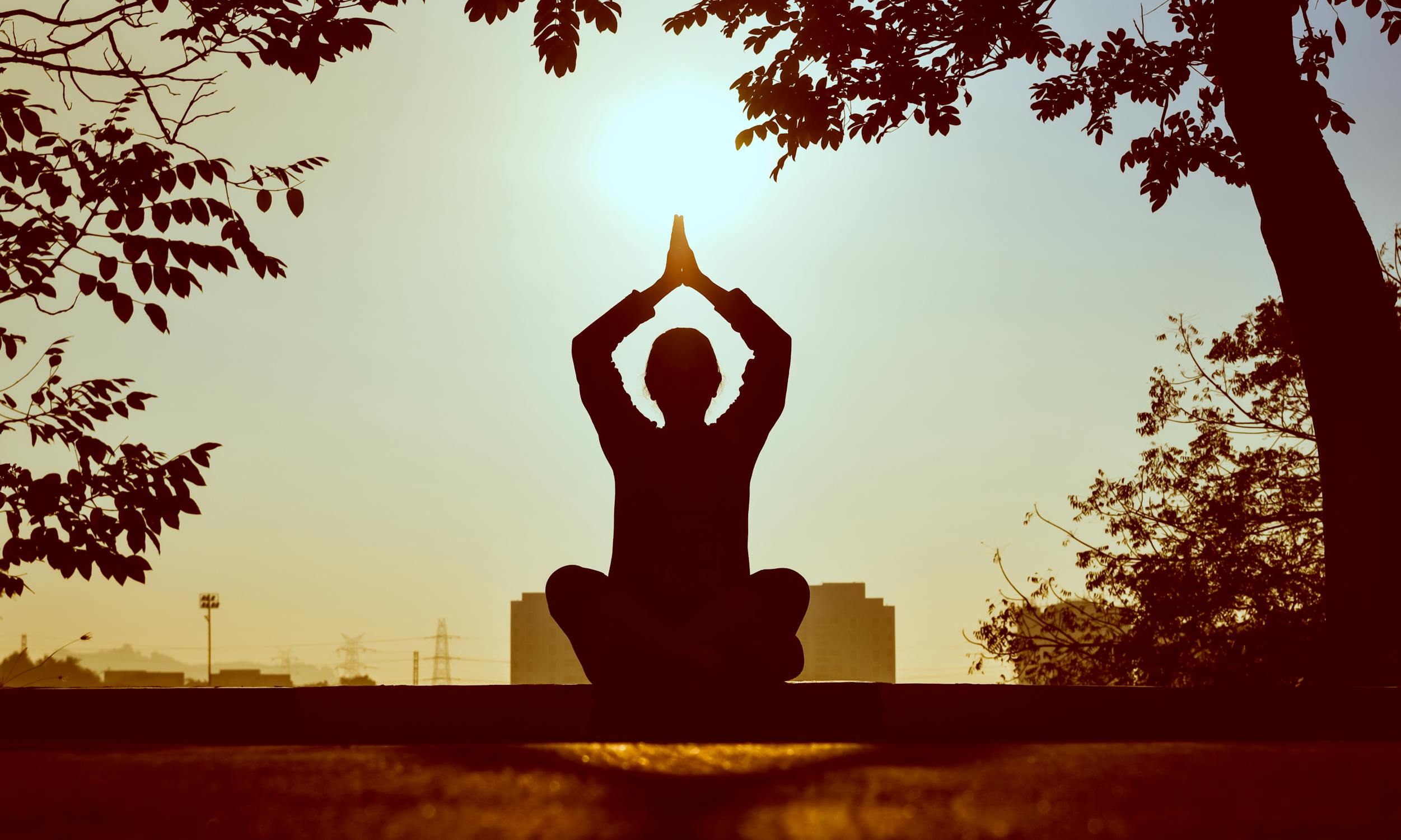 Photo credit: Pexels
Trek and Yoga Retreats
Combining multi-day trekking with yoga practice creates an experience that is both physically rewarding and mentally grounding. Morning yoga prepares the body for the day’s hike. Evening yoga accelerates recovery and relaxation. At altitude, yoga breath work (pranayama) provides a genuine physiological benefit for acclimatization.
Nepal
Several operators now offer trek-and-yoga itineraries in Nepal, combining classic Himalayan treks (Annapurna Circuit, Langtang, Everest region) with daily yoga sessions at teahouses along the trail. The Annapurna Base Camp trek reaches 4,130m (13,550 ft) at the base camp itself — pranayama and morning yoga sessions become practical tools for managing altitude at that elevation.
Recommended operators and formats:
- 10-day Annapurna Yoga Trek: Pokhara to Annapurna Base Camp with daily certified yoga instructor. Pricing from $1,200–$1,800 USD per person all-inclusive (flights from Kathmandu to Pokhara, teahouse accommodation, meals, guide, yoga instructor, permits).
- 14-day Annapurna Circuit with daily yoga: Longer format covering the full circuit (160 km) with dedicated yoga sessions morning and evening. From $1,800–$2,500 USD per person.
- Operators: Nepal Ascent Treks, Peregrine Treks, Himalayan Odyssey — all offer certified yoga instructor addition to standard guide staffing.
Best season: October–November, March–April Permits required: TIMS card (~$20 USD), Annapurna Conservation Area Permit ($30 USD)
For full trekking logistics, see our guide to Nepal trekking beyond Everest.
Morocco
Atlas Mountain trekking combined with yoga retreats offers cultural immersion alongside physical practice. The contrast between exertion on mountain terrain and stillness of yoga in a Berber village creates a genuinely memorable experience. The High Atlas peaks exceed 4,000m (Jebel Toubkal: 31.060°N, 7.915°W, 4,167m) and the trek approaches through cedar forest and terraced villages.
Recommended: 7-day Atlas Mountain trek and yoga from €650–€1,100 EUR per person including accommodation, meals, licensed guide, and daily yoga Best season: April through October Female guide availability: Female-led guide teams available through Responsible Tourism Partnership Morocco — strongly recommended for solo female travelers.
Peru
Combining the Inca Trail or Salkantay Trek (Salkantay Pass: 13.345°S, 72.995°W, 4,630m) with yoga practice and Andean spiritual traditions creates a retreat experience found nowhere else. Some operators incorporate traditional Andean ceremonies — these are separate and serious decisions that merit independent research before committing.
Recommended: 10-day Sacred Valley trek and yoga from $1,600–$2,800 USD per person Best season: May through October (dry season) Altitude note: Cusco sits at 3,400m. Spend 2 nights acclimatizing before beginning any trek. Yoga and pranayama practice at altitude should be gentled for the first 48 hours.
Multi-Sport and Yoga Retreats
Climb and Yoga (Spain and Greece)
Rock climbing and yoga are a natural pairing: climbing demands grip strength, flexibility, body awareness, and mental focus — all of which yoga develops directly. The antagonist muscle groups activated in climbing (forearms, upper back, hip flexors) are precisely what yoga stretches and releases.
Top destinations:
- Costa Blanca, Spain (Calpe: 38.641°N, 0.044°E): Sport climbing on limestone, warm weather October–April, multiple retreat centers offering 7-day packages.
- Kalymnos, Greece (37.035°N, 26.995°E): World-renowned climbing island, season April–June and September–November, several operators offering climb-and-yoga retreats.
- Mallorca, Spain: Mix of sea cliffs and inland crags with excellent yoga retreat infrastructure.
Cost: 7-day climb and yoga retreats from €650–€1,300 EUR including accommodation, daily yoga, guided climbing, and most meals Best season: Spring and autumn (September–November, March–May)
See our rock climbing destinations guide for full Costa Blanca and Kalymnos logistics.
Mountain Bike and Yoga (Morocco and Spain)
Mountain biking demands core strength, flexibility, and mental focus, and the physical punishment of rough terrain benefits enormously from yoga recovery. Morocco’s Atlas Mountains and Spain’s Sierra Nevada and Pyrenees offer excellent terrain for multi-day bike-and-yoga trips.
Morocco: Marrakech-based operators run bike-and-yoga retreats into the Atlas foothills, combining technical singletrack with Berber village accommodation and daily yoga sessions. Spain (Sierra Nevada): Elevation range from 700m to 3,000m, world-class XC and enduro trails, warm climate through October, and a growing number of yoga-integrated retreat centers.
Cost: 7-day bike and yoga retreats from €850–€1,600 EUR including accommodation, daily yoga, guided riding, bike rental, and meals
Kayak and Yoga (Croatia and Norway)
Sea kayaking and yoga retreats combine the meditative rhythm of paddling with morning and evening yoga practice, typically with beach camping or coastal accommodation between paddling days. The Dalmatian Coast of Croatia and the Norwegian fjords are the two premier European destinations.
Croatia (Dalmatian Coast): Island-hopping kayak routes between Hvar (43.172°N, 16.443°E), Brač, and Korčula with nightly camping on isolated coves. From €750–€1,250 EUR for 7 days. Norway (Sognefjord/Hardangerfjord): More physically demanding due to longer crossings and colder water. Exceptional scenery. From €900–€1,400 EUR for 7 days.
For multi-day kayak planning and gear, see our sea kayaking expeditions guide.
Comparison: Adventure Yoga Retreat Types
| Type | Physical Intensity | Yoga Focus | Cost Range (7 days) | Best For |
|---|---|---|---|---|
| Surf + Yoga | Moderate–High | Vinyasa, flexibility | $400–$1,300 USD | Beach lovers, adrenaline seekers |
| Trek + Yoga | Moderate–High | Recovery, breathwork | $1,200–$2,500 USD | Mountain lovers, endurance |
| Climb + Yoga | High | Flexibility, focus | €650–€1,300 EUR | Climbers, precision-oriented |
| Bike + Yoga | High | Recovery, core | €850–€1,600 EUR | Cyclists, thrill seekers |
| Kayak + Yoga | Moderate | Flow, meditation | €750–€1,400 EUR | Water lovers, contemplative |
How to Evaluate a Retreat Before Booking
Check the teacher’s credentials. Look for Yoga Alliance registration (RYT-200 minimum, RYT-500 preferred). Read their bio. Look for teachers who specialize in the style of yoga you enjoy or want to learn. If the website does not name the yoga teacher or list their credentials, that is a red flag.
Read unedited reviews. Look for reviews on TripAdvisor, Google, and yoga-specific platforms (BookRetreats, RetreatGuru) rather than testimonials on the retreat’s own website. Pay attention to reviews mentioning the teacher’s skill, quality of the adventure component, the food, and overall atmosphere.
Ask about the schedule. Request a sample daily schedule before booking. If every waking hour is scheduled, you will be exhausted. A sustainable daily structure: 1.5 hours morning yoga, 3–4 hours adventure, free time, 1 hour evening yoga.
Ask about group size. Smaller groups (8–14 people) provide a better experience for both yoga and adventure. Large groups (20+) dilute instruction quality and complicate logistics.
Ask about accommodation and food. A beautiful, peaceful location with good food enhances the experience. A noisy, crowded hostel with mediocre meals undermines it. Most retreats include accommodation and some meals in the price — clarify exactly what is included before booking.
Verify insurance compatibility. Make sure your adventure travel insurance policy covers the specific activities included in the retreat. A combined surf-and-yoga retreat may require separate activity endorsements for surfing. See our adventure travel insurance guide for policy comparison.
DIY Adventure Yoga: Building Your Own Retreat
You do not need to book a packaged retreat to combine yoga and adventure. Many adventure destinations have excellent yoga studios and drop-in classes you can incorporate into a self-organized trip:
Bali, Indonesia: Drop-in yoga classes from $10 USD. Surf lessons from $35 USD/session. Board rental from $10 USD/day. Weekly total including accommodation: $400–$600 USD.
Ericeira, Portugal: Drop-in yoga from €12 EUR. Surf schools on every corner (group lessons from €40/session). Local guesthouses from €35/night.
Pokhara, Nepal: Yoga studios and meditation centers throughout the lakeside area (Phewa Tal: 28.214°N, 83.960°E). Day hikes and paragliding both available. Budget: $35–$55 USD/day total.
Queenstown, New Zealand: Yoga studios with drop-in classes from NZD $20. Every adventure activity within 30 minutes’ drive. See our New Zealand adventure travel guide for full Queenstown activity pricing.
Taghazout, Morocco: Yoga classes at surf camps from €10 EUR. Surfboard rental from €10/day. Total budget: €40–€60 EUR/day including accommodation.
The DIY approach is typically 30–50% cheaper than a packaged retreat and gives you complete control over your schedule, food, and accommodation choices. The trade-off is losing the structure, community, and expertise that a well-organized retreat provides.
What to Pack for an Adventure Yoga Retreat
Yoga mat: Most retreats provide mats, but they are often thin and well-used. If you are particular about your mat, bring your own. Travel yoga mats (1–2mm thick, foldable) pack easily and weigh under 1 kg. The Manduka eKO Superlite ($78) and Liforme Travel Mat ($120) are the field-tested options.
Yoga clothing: Comfortable, stretchy clothing that wicks moisture. You will practice yoga after adventure activities, so quick-dry fabrics are essential. Bring at least two sets so one can dry while you wear the other. Patagonia Capilene Cool and Lululemon Swiftly fabrics both perform well in hot, humid conditions.
Adventure-specific gear: Depending on the retreat focus. Surf retreats need a rash guard (UPF 50+ recommended). Trek retreats require trail running or hiking boots and a layering system. Climbing retreats may require climbing shoes (though most programs provide them). If you’re bringing your own, our best rock climbing shoes for travel roundup covers packable, versatile options tested at sport crags and gyms worldwide. Check with the retreat operator 4–6 weeks before departure.
Navigation and safety: A GPS device or watch is valuable for any multi-day adventure component. See our best GPS watches for adventure travel for 2026 model comparisons covering both running-focused and expedition-grade options.
Journal: Adventure yoga retreats generate insights. The combination of physical challenge and mindful practice tends to surface clarity that everyday life obscures. Bring something to write in.
Reusable water bottle: Hydration during both yoga and adventure activities is non-negotiable. Insulated bottles (Nalgene, Hydro Flask) maintain water temperature during long outdoor days.
The Rise of Solo Adventure Yoga Travel
Adventure yoga retreats are one of the most accessible forms of solo travel. The group structure means you are never truly alone, the shared activities create natural social bonds, and the yoga practice provides a framework for introspection and personal growth. Approximately 60–70% of adventure yoga retreat participants are solo travelers, and many operators specifically cater to solo guests with single-room options and social programming.
If you have been hesitant to travel solo, an adventure yoga retreat is an excellent entry point. You arrive as a stranger, spend a week sharing intense physical and introspective experiences with a small group, and leave with friendships and memories that feel disproportionately deep for the time spent together.
For destinations combining wellness and slower-paced adventure, see our slow adventure travel guide — particularly relevant for travelers who want yoga integrated into a broader cultural experience rather than a high-intensity athletic program.
Recommended Gear for Adventure Yoga Retreats
Two items that work across retreat formats: the Sawyer Mini Water Filter weighs 2 oz and allows you to refill from mountain streams on multi-day trekking components of adventure retreats in Nepal, Costa Rica, or the Dolomites — no need to carry 2 liters for a full day hike. The Anker 733 Power Bank keeps your phone, GPS watch, and camera charged during off-grid retreat days in Bali or Guatemalan highland villages where electrical outlets are limited or shared.
 Water filter and power bank for adventure yoga retreat travel — Photo on Pexels
You Might Also Like
Get the best ThrillStays tips in your inbox
Weekly guides, deals, and insider tips. No spam, unsubscribe anytime.