Banff Adventure Travel Guide
The adventure traveler's guide to Banff: seasons, logistics, getting around, and the best basecamps.
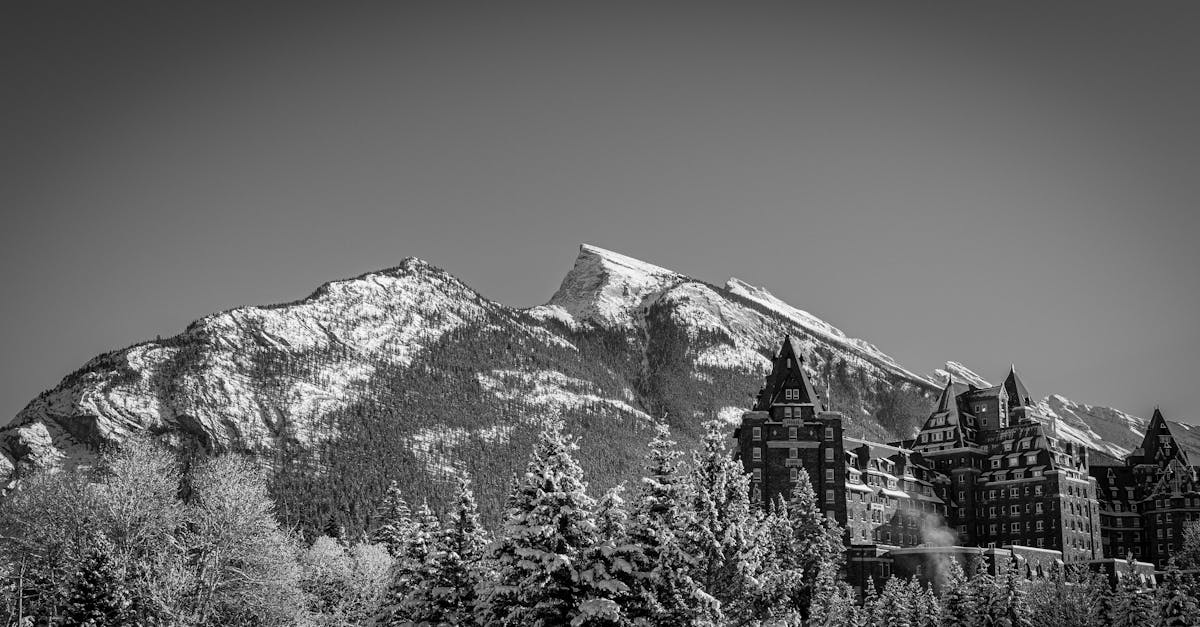
Banff, Canada
Quick Facts
Safety score derived from the U.S. State Department Travel Advisory for Canada: Level 1 (Exercise Normal Precautions), as of 2026-07-08. Country-level guidance; check local conditions before you go.
Welcome to Banff: The Alpine Launchpad

Photo: Banff Canada seen from the sulphur mountain gondola.jpg by Jon Sullivan (Public domain), via Wikimedia Commons
If you’re hunting high‑altitude thrills, crystal‑clear alpine lakes, and a town that lives on the edge of a UNESCO World Heritage playground, Banff is your launchpad. Nestled at roughly 1,400 m (4,600 ft) above sea level, this compact hub sits inside Banff National Park, the first national park in Canada and a UNESCO‑designated natural wonder (according to Parks Canada). With a population that hovers around eight thousand souls, the town punches well above its weight, offering a dense concentration of trailheads, ski lifts, and gear‑rental depots that make it the ultimate base for year‑round adventure. Whether you’re carving powder, tackling a 1,000 km network of marked hikes, or paddling the turquoise expanse of Lake Minnewanka, Banff’s rugged backdrop and well‑tuned logistics keep your adrenaline on constant high gear.
Neighborhoods to Know
Banff Avenue

Photo: Banff Avenue, Banff (7889960184).jpg by InSapphoWeTrust from Los Angeles, California, USA (CC BY-SA 2.0), via Wikimedia Commons
The pulse of the town runs along Banff Avenue. Here you’ll find most of the boutique hotels, hearty eateries, and the primary access points to the Bow River and a suite of nearby hikes. Gear‑shops line the street, offering everything from avalanche transceivers to lightweight trekking poles. Because the avenue is a stone’s throw from the town’s bus hub, you can drop a daypack in the trunk of a shuttle and be on the trail before the sun hits the peaks.
Canyon

Photo: Skiing at Mt. Norquay (20700483184).jpg by Provincial Archives of Alberta (No restrictions), via Wikimedia Commons
Canyon sits at the foot of the Banff Gondola and serves as the gateway to both winter and summer mountain playgrounds. In winter, ski runs from Sunshine Village and Mt. Norquay are a short lift ride away; in summer, the same lifts feed a web of mountain‑bike singletracks and alpine trailheads. The neighborhood’s proximity to rental facilities means you can swap a battered pair of crampons for fresh ski boots in under ten minutes.
Lake Minnewanka

Photo: Misty Minnewanka Lake.jpg by Jakub Fryš (CC BY-SA 4.0), via Wikimedia Commons
If water‑based adventure is your jam, Lake Minnewanka is the place to dock. The lakeside community offers kayak rentals, guided boat tours, and direct access to backcountry trails that snake up into the surrounding valleys. Early‑morning paddles reward you with mirror‑smooth water and the chance to spot elk drinking at the shoreline—just remember to keep your wildlife safety gear handy.
Sunshine Village

Photo: Sunshine Village, December 2004 01.jpg by Axel Pettersson (CC BY-SA 4.0), via Wikimedia Commons
Sunshine Village isn’t just a ski resort; it’s a year‑round alpine village with its own gear‑rental hub, lift‑ticket office, and a handful of lodges that stay open through the summer. From high‑altitude glacier skiing to summer heli‑hiking and rock‑climbing, Sunshine’s elevation (over 2,300 m) guarantees reliable snow in the colder months and breathtaking vistas when the snow melts.
Top Things to Do in Banff
Banff Gondola (Sulphur Mountain)
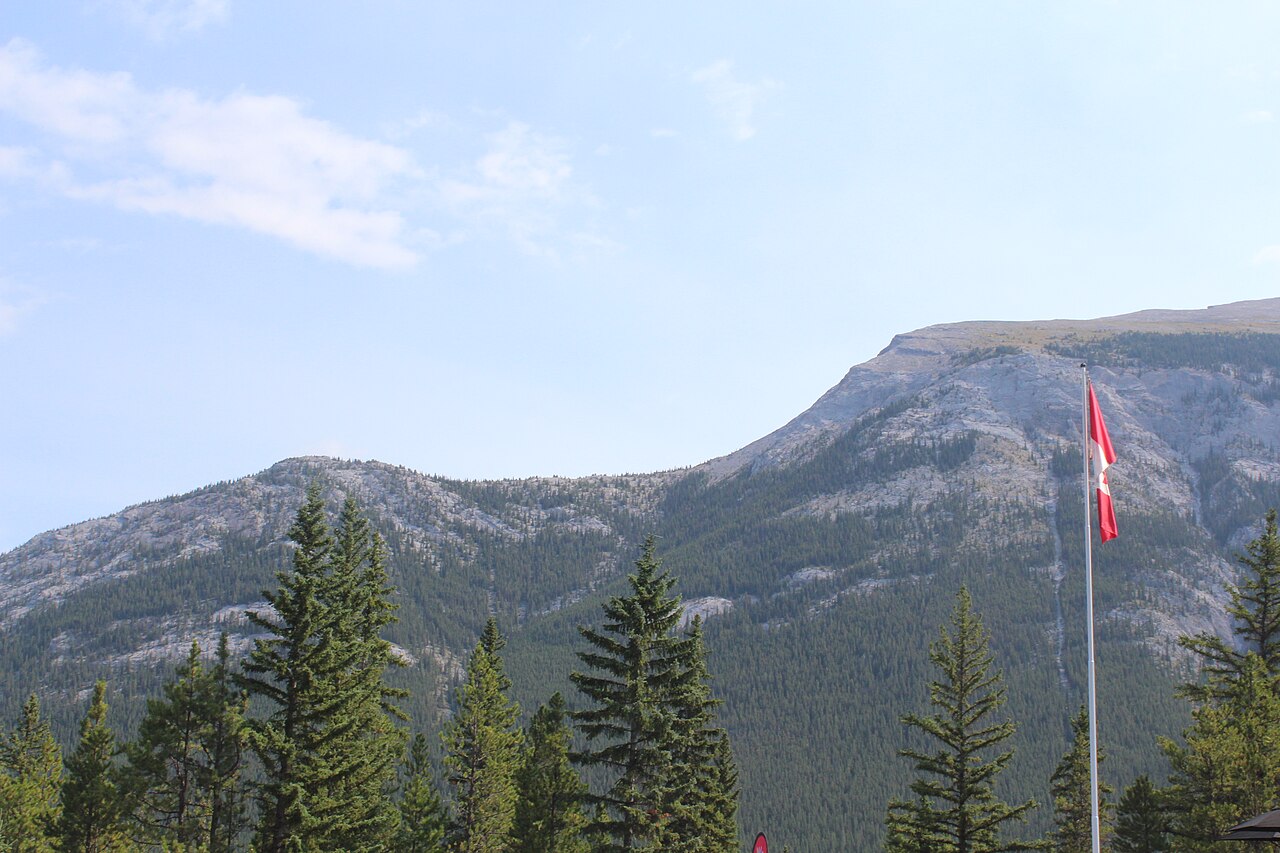
Photo: Banff Gondola IMG 4113.JPG by Deror_avi (CC BY-SA 4.0), via Wikimedia Commons
The gondola hauls you up Sulphur Mountain to a ridgeline boardwalk with a 360‑degree view of the Bow Valley and the surrounding peaks. It’s the fastest way to trade sea‑level lungs for alpine air without lacing up boots first.
Lake Louise

Photo: LOUISE (Explored July 2021) - Flickr - G Yancy.jpg by G Yancy (CC BY 2.0), via Wikimedia Commons
The glacier‑fed turquoise water backed by the Victoria Glacier is the single most photographed scene in the Canadian Rockies, and it’s a reasonable day trip from town. Paddle a canoe on the lake in summer or lace up skates on the groomed ice oval in winter.
Moraine Lake

Photo: Moraine Lake 17092005.jpg by Gorgo (Public domain), via Wikimedia Commons
Set in the Valley of the Ten Peaks, Moraine Lake’s glacial‑blue water is the trailhead for some of the range’s best day hikes, including the climb up the Rockpile for the classic overlook shot.
Johnston Canyon

Photo: Johnston Canyon-Lower Falls.jpg by Florian Fuchs (CC BY 3.0), via Wikimedia Commons
A catwalk trail bolted to the canyon walls leads past the Lower and Upper Falls, with the option to keep going to the Ink Pots, a cluster of cold mineral springs beyond the canyon’s rim.
Cave and Basin National Historic Site

Photo: Cave and Basin National Historic Site of Canada Image3.JPG by Kiral (CC BY-SA 3.0), via Wikimedia Commons
This is the site of the hot springs discovery that led to Banff National Park’s founding. The interpretive centre and boardwalks over the cave pool make it a low‑effort way to get the park’s origin story.
Bow Falls

Photo: Bow River Falls, Banff (HS85-10-19062).jpg by Byron Harmon (Public domain), via Wikimedia Commons
A short, flat walk from the Banff Springs Hotel gets you to this wide, churning drop on the Bow River — an easy add‑on to any day that starts or ends in town.
Banff Upper Hot Springs

Photo: Upper Hot Springs Banf BNP 2531.JPG by Glenlarson (Public domain), via Wikimedia Commons
Soak your legs after a big trail day in this mineral pool at the base of Sulphur Mountain — it’s the closest thing Banff has to a mandatory recovery day activity.
Book tickets & skip-the-line tours: Browse Banff experiences
Getting Around

Photo: A trans canada highway animal crossing - Banff (33866188031).jpg by m01229 from USA (CC BY-SA 2.0), via Wikimedia Commons
Banff’s compact layout makes it easy to stay light on wheels. The Roam public‑bus network stitches together Banff, neighboring Canmore, the three major ski resorts, and the most popular trailheads. Buses run on a frequent schedule during peak season, and the fare system is integrated with the local bike‑share program—so you can hop off a bus, grab a mountain‑bike, and charge up a ridge in minutes.
If you prefer the freedom of a four‑wheel drive, car rentals are plentiful at the Trans‑Canada Highway entrance. The highway itself is a well‑maintained artery that gives you direct road access to the backcountry trailheads and the ski‑area parking lots. For those who want to shave off the hassle of parking, shuttle services run from major hotels to the gondola base, the ski lifts, and the lake launch points. Whatever your mode, the town’s logistics are built around minimizing load‑in‑load‑out time so you can spend more minutes on the line and fewer in the line.
Safety & Practical Notes
The U.S. State Department rates Canada Level 1 (Exercise Normal Precautions) (as of 2026-07-08). The real hazards in Banff are the weather and wildlife that dominate the high country. Always carry bear‑spray, know how to store food in bear‑proof containers, and check avalanche forecasts before heading into backcountry terrain. The town’s elevation means weather can flip from sunny to sub‑zero in minutes—layering systems and a reliable headlamp are non‑negotiable.
Tap water in Banff is sourced from deep underground wells and classified as “High Quality Groundwater” by Alberta Environment (according to the Town of Banff). It’s safe to drink straight from the faucet, which is a huge plus after a long day on the trail. Electrical gear can be plugged into Type A/B sockets delivering 120 V, so most North‑American equipment works without a converter.
In an emergency, dial 911 for police, fire, or medical assistance. The local rescue services are seasoned mountain‑rescue professionals, but response times can be longer in remote zones, so a personal satellite messenger or PLB (Personal Locator Beacon) is advisable for solo backcountry excursions.
Visas are a breeze for U.S. passport holders—visa‑free entry for tourism up to six months (visaInfo). English is the primary language, and the town operates on the America/Edmonton time zone, which aligns with Mountain Time (UTC‑7/‑6).
Best Time to Visit
The sweet spot for most adventure activities runs from June through September. Summer temperatures hover between 15‑22 °C, offering comfortable conditions for high‑altitude hiking, mountain biking, and water sports on Lake Minnewanka (according to Wikipedia). This window also aligns with the tail end of the ski season on the higher glaciated runs, giving you the rare chance to catch early‑season powder before the crowds arrive.
If you’re chasing deep powder and don’t mind sub‑zero temps, the winter months deliver average lows of –15 °C and heavy snowfall—perfect for the three world‑class ski resorts that sit within 30 km of town (according to Banff & Lake Louise Tourism). Just remember that daylight hours shrink dramatically, so plan your runs accordingly.
Where to Stay
Banff’s lodging spectrum ranges from historic inns on Banff Avenue to full‑service resort cabins at Sunshine Village. Most accommodations bundle gear‑rental discounts, shuttle passes, and early‑check‑in options for those who hit the trail at dawn. For a curated list of the best base‑camps, check out our full hotel guide.
Frequently Asked Questions
Do I need a special permit to hike the marked trails?
The 1,000 km of marked trails inside Banff National Park are free to use for day hikers. However, backcountry routes that require off-trail navigation may need a park permit, which you can obtain online through the Parks Canada portal.
What's the best way to rent technical gear for a multi-day trek?
Most gear shops on Banff Avenue and at Sunshine Village offer multi-day rental packages that include everything from insulated jackets to crampons. Booking ahead through the shop's website guarantees availability, especially during peak summer months.
How reliable is cellular service in the backcountry?
Coverage drops off quickly once you leave the town limits and the main highway. For critical communications, carry a satellite messenger or a PLB. The town's Wi-Fi hotspots are plentiful in cafés and hotels, but don't count on them for navigation.
Are there any wildlife-related restrictions I should know about?
Yes. Feeding wildlife is strictly prohibited, and food must be stored in bear-proof containers or locked in your vehicle. The park also enforces seasonal closures on certain trails to protect grizzly bear habitats — check the latest trail status on the Parks Canada website before you head out.
Upcoming Holidays
CanadaGet price-drop alerts and new guides from BoldTripGuide
One email a week: price drops on the gear we recommend, new guides, and what changed. No spam, unsubscribe anytime.