Travel Guide to Chamonix, France
The birthplace of alpinism sits at the foot of Mont Blanc, offering world-class climbing, skiing, trail running, and mountaineering in the heart of the French Alps.

Chamonix, France
Quick Facts
Safety score derived from the U.S. State Department Travel Advisory for France: Level 2 (Exercise Increased Caution), as of 2026-07-08. Country-level guidance; check local conditions before you go.
Why Adventurers Love Chamonix
 Photo: Aiguille du Midi peak.jpg by Reza (CC BY 2.0), via Wikimedia Commons
Chamonix is where modern mountaineering began and it still draws the most committed alpinists, skiers, and trail runners in the world. The town sits in a narrow valley directly below Mont Blanc (4,808m), surrounded by granite spires, glaciers, and some of the most famous routes in climbing history. In winter, the Vallee Blanche descent is 20km of off-piste skiing through glacial terrain. In summer, the trails around the valley host the Ultra-Trail du Mont-Blanc, the biggest trail running event on earth. The climbing ranges from single-pitch granite cragging to multi-day alpine routes on the Aiguilles.
Neighborhoods & Base Camps
Chamonix Town Center
 Photo: Chamonix (centre-ville).JPG by moi-même (CC BY-SA 3.0), via Wikimedia Commons
The historic center puts you within walking distance of the Aiguille du Midi lift, the main gear shops, and the widest choice of hostels and restaurants. It’s the obvious base if you want lift access and nightlife without a shuttle ride.
Argentiere
 Photo: Argentière (le mont Blanc).JPG by moi-même (CC BY-SA 3.0), via Wikimedia Commons
A quieter village 20 minutes up-valley, Argentiere sits at the base of the Grands Montets lift and its namesake glacier, making it the natural pick for ice climbers and off-piste skiers who want to skip the crowds in town.
Les Houches
 Photo: Les Houches (7105429707).jpg by eGuide Travel (CC BY 2.0), via Wikimedia Commons
Just downvalley from Chamonix, Les Houches is cheaper and less touristy, with its own ski area and easy access to the Tour du Mont Blanc trailhead — a solid option if you want lower prices without giving up mountain access.
Top Things to Do in Chamonix
- Ride the Aiguille du Midi cable car — One of the highest cable cars in the world, it climbs to 3,842m in about 20 minutes and is the launch point for the Vallee Blanche ski descent and several classic alpine routes.
- Walk out onto the Mer de Glace — France’s largest glacier is reachable by a historic cog railway followed by a cable car and stairway down to an ice cave; it’s retreating fast, so this view is changing year to year.
- Run or spectate the Ultra-Trail du Mont-Blanc — The race that defined modern ultrarunning circles the massif through France, Italy, and Switzerland every August, and its course markers double as a bucket-list trekking route the rest of the year.
- Trek a stage of the Tour du Mont Blanc — The full loop is 170km over 10-11 days, but day and multi-day sections out of Chamonix or Les Houches let you sample it without committing to the whole circuit.
- Hike into the Aiguilles Rouges nature reserve — The balcony trail here, including the Lac Blanc hike, delivers the best panoramic view of the Mont Blanc massif without needing a lift ticket.
- Take the Le Brevent cable car — Chamonix’s other major lift climbs the opposite side of the valley and is a primary launch point for tandem paragliding over the town.
- Gaze up at Mont Blanc itself — Western Europe’s highest peak (4,808m) is the reason the whole valley exists as a climbing destination; guided ascents run from late June through early September for climbers with glacier experience.
Book tickets & skip-the-line tours: Browse Chamonix experiences
Getting to the Adventure Spots
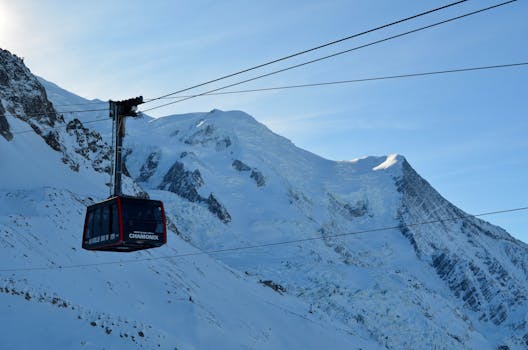
 Photo: Aiguille du Midi Cable Car.JPG by Kristoferb (CC BY-SA 3.0), via Wikimedia Commons
The lift system is your ticket to everything. The Aiguille du Midi cable car takes you to 3,842m in 20 minutes. A multi-day Chamonix pass covers all lifts and is essential. In summer, free shuttle buses connect the valley villages. A car is helpful for accessing trailheads in nearby valleys but not required in town. Geneva airport is one hour away with regular shuttle buses ($30-40 each way).
Safety & Practical Notes
The U.S. State Department rates France Level 2 (Exercise Increased Caution) (as of 2026-07-08). That rating is driven mostly by crime and unrest risk in major French cities — Chamonix itself is a low-crime alpine town where the real hazards are mountain conditions, not street safety. A few practical pointers:
- Mountain risk is the real risk — Weather turns fast at altitude, and glacier travel (Vallee Blanche, Mer de Glace routes, alpine climbs) requires a guide or serious experience with crevasse rescue. Check conditions with the Chamonix guides’ office (Compagnie des Guides) before any off-piste or glacier objective.
- Avalanche and rockfall — Both are real in shoulder seasons; check the daily avalanche bulletin and stick to marked routes if you’re not with a guide.
- Altitude — The Aiguille du Midi puts you at 3,842m in minutes with zero acclimatization; take it slow and know the symptoms of altitude sickness.
- Emergency number — Dial 112 for mountain rescue (PGHM) as well as general emergencies.
- Water and power — Tap water is safe to drink; plugs are Type C/E, standard European two-pin.
Best Time to Visit
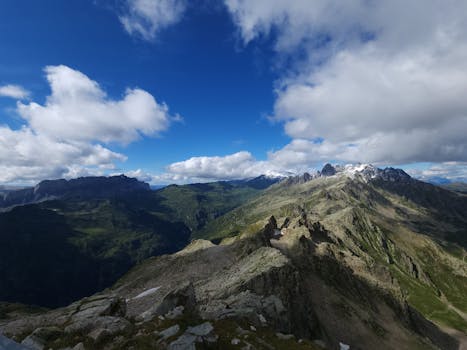
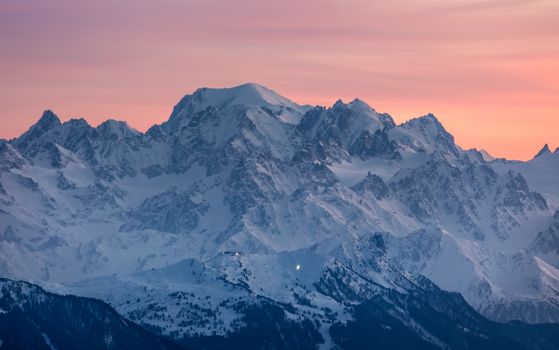
 Photo: Massif du Mont Blanc.JPG by Ymaup (CC BY-SA 3.0), via Wikimedia Commons
Chamonix runs on two adventure seasons. January through March is peak ski and off-piste season, with the Vallee Blanche and Grands Montets in full condition. June through September is climbing, trail running, and hiking season, with July and August the busiest (and priciest) weeks thanks to the Ultra-Trail du Mont-Blanc crowds. Shoulder months (June and September) offer the best mix of good conditions and thinner crowds for both hiking and via ferrata. April, May, October, and November are the “dead season” — many lifts and refuges close for maintenance.
Where to Stay
 Photo: Refuge du Requin.jpg by David Bochot (CC BY-SA 4.0), via Wikimedia Commons
Chamonix town center has hostels and budget hotels within walking distance of the Aiguille du Midi lift and the main street. Budget travelers should check Gite le Vagabond or similar hostels ($30-50/night). Mid-range options include apartment rentals in the center or in Les Houches next door ($80-120/night). For climbers, the mountain refuges (huts) along routes cost $50-70/night including dinner and breakfast — book early in summer. The Argentiere and Les Houches areas offer quieter and slightly cheaper alternatives to central Chamonix. For a curated shortlist by budget and season, see our Chamonix basecamp hotel guide.
Budget Tips
Buy the multi-day lift pass for significant savings over single rides. Self-cater from the Carrefour supermarket — restaurant prices in Chamonix are steep. Visit in June or September for lower accommodation prices and fewer crowds while conditions are still excellent. Bring your own gear to avoid rental fees that add up fast.
Frequently Asked Questions
Do U.S. citizens need a visa to visit Chamonix?
No. France is part of the Schengen Area, so U.S. passport holders can stay up to 90 days within any 180-day period without a visa. Bring a passport valid for at least three months beyond your departure date.
Is Chamonix safe to visit, including at night?
The U.S. State Department rates France Level 2 (Exercise Increased Caution), as of 2026-07-08 -- mostly a reflection of petty crime and occasional civil unrest in larger cities, not Chamonix specifically. The town itself is low-crime and walkable at night; the real risks here are mountain-related (weather, crevasses, altitude), so match your objective to your experience and hire a guide for glacier travel.
What's a realistic daily budget in Chamonix?
Plan on $80-150/day covering a hostel or budget hotel, self-catered meals, and a multi-day lift pass. Climbers staying in mountain refuges can budget less for lodging ($50-70/night including meals) but should add gear rental and guide fees if needed.
Do I need a car to get around Chamonix?
Not for the town or main lifts -- free shuttle buses connect the valley villages in summer and the lift network reaches most trailheads. A car helps if you want to explore side valleys or day-trip into Italy or Switzerland, but it's not essential for a lift-and-trail-based trip.
Upcoming Holidays
France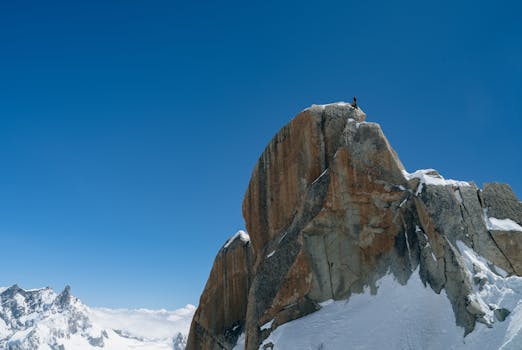
Get price-drop alerts and new guides from BoldTripGuide
One email a week: price drops on the gear we recommend, new guides, and what changed. No spam, unsubscribe anytime.