Flagstaff Adventure Travel Guide
The adventure traveler's guide to Flagstaff: seasons, logistics, getting around, and the best basecamps.
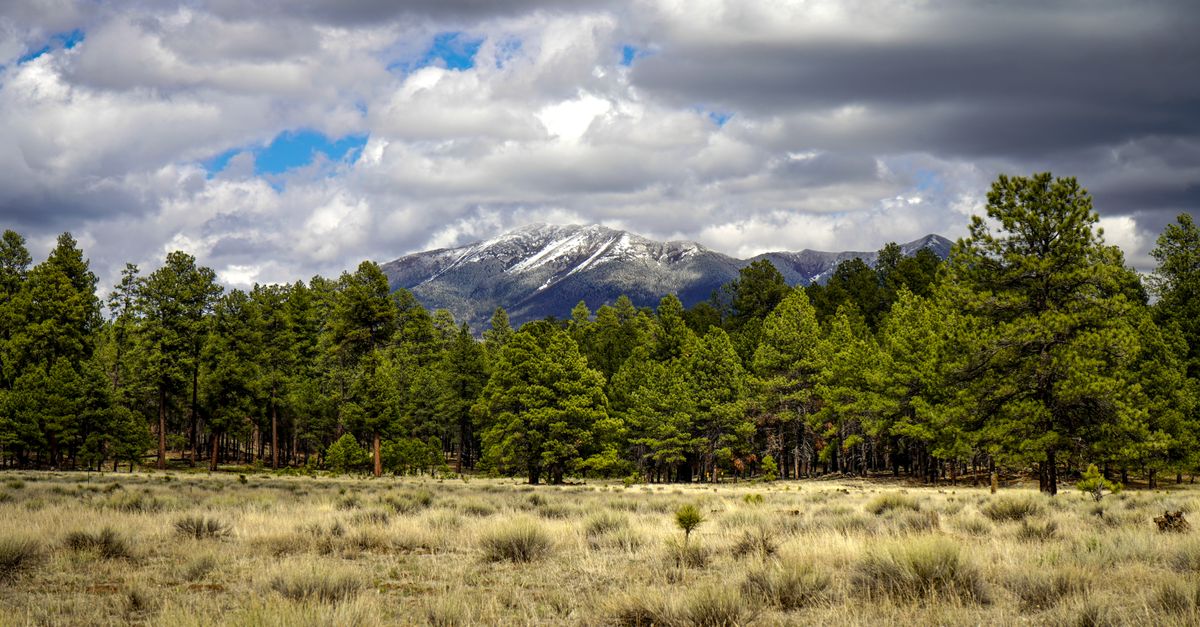
Flagstaff, United States
Quick Facts
The U.S. State Department does not issue travel advisories for domestic U.S. destinations. This score reflects a normal-precautions baseline; always check current local conditions.
Welcome to Flagstaff – The High‑Altitude Playground
 Photo: Downtown Flagstaff nightline.jpg by Rod Ramsey (CC BY 2.0), via Wikimedia Commons
If you’re chasing altitude, night skies, and a mile‑long trail network that never quits, Flagstaff should be your next drop‑point. Nestled at 6,821 ft (2,079 m) above sea level, this Colorado‑sized slice of Arizona delivers cooler summers and snow‑packed winters that make alpine sports feel like second nature. The city is a magnet for outdoor enthusiasts, offering everything from backcountry camping and technical climbing to mountain‑bike shredding and elite‑level trail running (according to Wikipedia – Flagstaff). And because it sits just 75 mi (121 km) south of Grand Canyon National Park, you can swap a sunrise over the rim for a sunrise over a desert night sky without ever leaving the state.
Flagstaff’s reputation as a Dark Sky City guarantees crystal‑clear stargazing after a day on the trail, while the surrounding protected areas—Walnut Canyon, Sunset Crater Volcano, Wupatki, and the iconic Barringer Crater—provide a diverse playground for every discipline. Whether you’re loading up a rack for a weekend backpacking push or fine‑tuning your bike suspension for the next downhill run, the city’s geography, climate, and community make it a basecamp you can trust.
Neighborhoods to Know
Downtown Flagstaff
 Photo: Downtown Flagstaff on Art Walk.jpg by Deborah Lee Soltesz (CC0), via Wikimedia Commons
The downtown core is the beating heart of the adventure scene. It’s walkable, packed with gear shops, cafés, and trailheads that drop you into the Coconino National Forest within minutes. You’ll find a solid mix of boutique outfitters and national retailers, plus a rotating roster of pop‑up clinics and gear demos that keep you stocked and sharp. The area’s compact layout makes it easy to bike or walk to the bus stop for the Flagstaff Shuttle, so you can ditch the car when you’re not heading out on a multi‑day trek.
West Side
 Photo: Arizona Snowbowl Grand Canyon Express Ski Lift Opening Celebration (31458524632).jpg by Coconino National Forest (CC0), via Wikimedia Commons
If you’re looking to stretch your budget without sacrificing access to the slopes, the West Side is where you’ll want to park your rig. This neighborhood offers more affordable housing and a direct line to Arizona Snowbowl, the region’s premier ski area. Snowbowl’s lift‑served terrain and backcountry corridors are a short drive away, making it the perfect launchpad for winter snowboarding, ski touring, or early‑season powder hunts. The West Side also hosts several community bike shops that specialize in mountain‑bike builds tailored for the high‑altitude terrain.
Northwest Flagstaff
 Photo: Walnut canyon cliff dwellings.jpg by Daniel Schwen (CC BY-SA 3.0), via Wikimedia Commons
Adventure seekers who crave proximity to iconic canyons and a dense web of trails gravitate toward Northwest Flagstaff. It sits next to Walnut Canyon National Monument, where you can drop into slot canyons and explore ancient cliff dwellings before hitting the extensive hiking and biking networks that snake through the surrounding forest. The neighborhood’s location makes it a convenient staging area for longer backcountry trips into the San Francisco Peaks or the volcanic fields of Sunset Crater.
Top Things to Do in Flagstaff
Once you’ve picked a neighborhood, here’s where to actually burn daylight. Every one of these is a real reason to load the truck and head out of downtown.
1. Lowell Observatory
Founded in 1894 and still running the 24-inch Clark Refracting Telescope that helped find Pluto in 1930, Lowell is the reason Flagstaff earned Dark Sky City status. It’s the natural nightcap after a day on the trail — legs are done, but the sky isn’t.
2. San Francisco Peaks
The eroded remains of an ancient stratovolcano, the range tops out at Humphreys Peak — 12,633 ft, the highest point in Arizona. Whether you’re grinding the summit trail in July or lapping lifts in January, this is the backbone of every Flagstaff adventure.
3. Walnut Canyon National Monument
About 10 miles southeast of downtown, a 0.9-mile loop trail drops 185 ft into the canyon past 25 cliff dwelling rooms built by the Sinagua people roughly 800 years ago. It’s a short outing, but the descent back out is enough to remind you why trekking poles exist.
4. Sunset Crater Volcano National Monument
The youngest cinder cone in the San Francisco volcanic field, Sunset Crater’s black lava flows and reddish rim make for one of the starkest landscapes near the city. Pair it with Wupatki for a full day of volcanic-terrain trail running or a slow scenic drive.
5. Wupatki National Monument
A sprawling set of pueblo ruins built on ground reshaped by Sunset Crater’s eruption, Wupatki preserves structures spread across more than 35,000 acres of high desert. The loop road connecting it back to Sunset Crater is one of the best half-day add-ons to any Flagstaff basecamp.
6. Arizona Snowbowl
Fifteen miles north of town on the western slopes of Humphreys Peak, Snowbowl is what turns Flagstaff into a full-on ski town every winter. In the off-season, the scenic skyride keeps running for hikers and leaf-peepers chasing fall color at elevation.
Book tickets & skip-the-line tours: Browse Flagstaff experiences
Getting Around
 Photo: Flagstaff Amtrak station exterior.jpg by Volker Schmidt (CC0), via Wikimedia Commons
Flagstaff’s transportation mix is built for the gear‑laden traveler.
- Car rental – The most flexible option for hauling racks, kayaks, or a full snow‑gear setup to remote trailheads. Major rental agencies sit downtown, and the city’s wide streets handle oversized loads with ease.
- Flagstaff Shuttle (public bus) – A reliable, budget‑friendly way to hop between neighborhoods, the airport, and the downtown hub. Routes intersect with popular trail access points, so you can leave the car at the lodge and still reach the forest.
- Bike rentals – Several downtown shops offer mountain‑bike rentals, many with full suspension rigs ready for the rugged Coconino trails.
- Walking – Downtown’s compact grid makes on‑foot navigation a breeze, perfect for scouting gear shops, cafés, and the first few miles of nearby hikes.
Plan your routes with the city’s bike lanes and shuttle schedules in mind to maximize time on the trail and minimize time stuck in traffic.
Safety & Practical Notes
The U.S. State Department does not issue a specific advisory for Flagstaff or Arizona — domestic U.S. travel carries no formal advisory level (Level 1, No advisory (domestic)), as of 2026-07-08. The real hazards here aren’t crime, they’re altitude and weather, so plan around those instead.
Water
Flagstaff’s tap water is not recommended for drinking straight from the faucet. Pack a reliable filtration system or bring bottled water for daily use, especially when you’re refilling after a long day in the backcountry.
Power & Plugging In
The city uses standard U.S. Type A/B outlets. Bring a spare set of chargers and a portable power bank; high‑altitude electronics can drain faster than at sea level.
Emergency Services
The United States’ universal 911 service applies nationwide. Keep a charged phone, a basic first‑aid kit, and a map of the nearest medical facilities—Flagstaff Medical Center sits just a few blocks from downtown and is equipped for trauma and altitude‑related issues.
Weather & Altitude
At over 6,800 ft, the air is thin and weather can shift in a heartbeat. Summer days are pleasant, but evenings can drop below freezing. Winter brings heavy snowfall that transforms the city into a snow‑sport haven, but also demands proper cold‑weather gear and avalanche awareness when venturing into backcountry terrain. Always check the forecast and layer smartly; a breathable base, insulating mid‑layer, and wind‑proof shell are non‑negotiable.
Best Time to Visit
 Photo: Fall color scenic skyride at the Arizona Snowbowl (23867586748).jpg by Coconino National Forest (Public domain), via Wikimedia Commons
Flagstaff’s climate offers distinct windows for different pursuits.
- Late Spring (May‑June) – Snow melt opens high‑altitude trails, and wildflowers begin to dot the forest floor. Ideal for backpacking, trail running, and early‑season mountain‑bike climbs.
- Summer (July‑August) – Despite being Arizona, the elevation keeps temperatures moderate, making it perfect for multi‑day hikes, technical climbing, and night‑time stargazing. Expect occasional monsoon thunderstorms, so pack a rain shell.
- Fall (September‑October) – Crisp air, vibrant aspens, and reduced crowds create prime conditions for backcountry skiing, snowshoeing, and high‑altitude trail runs.
- Winter (December‑February) – Snow blankets the city, feeding the Arizona Snowbowl ski area and providing deep powder for ski touring, snowshoe treks, and ice‑climbing routes.
Each season brings its own set of gear considerations, but the city’s year‑round accessibility means you can plan an adventure any time you’re ready to chase altitude.
Where to Stay
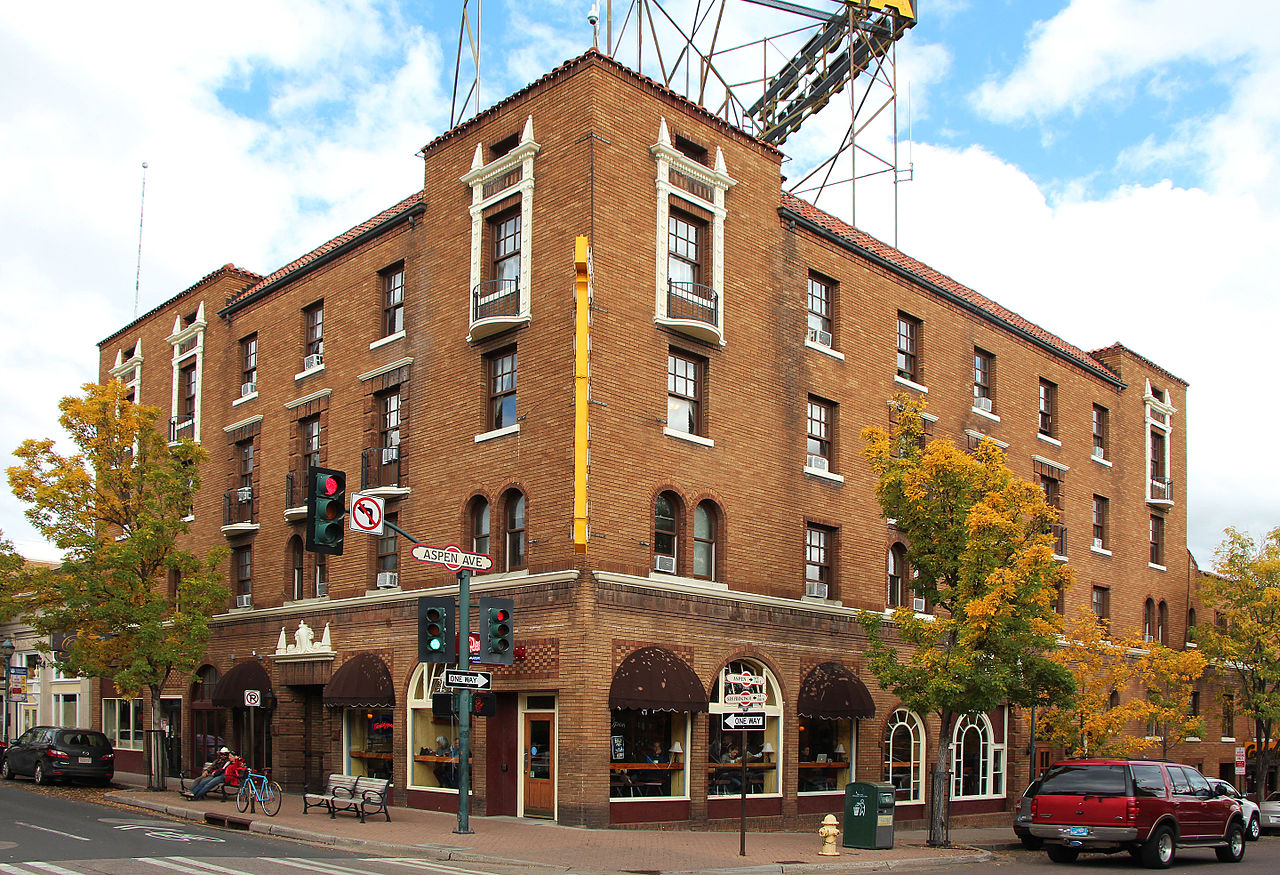 Photo: Flagstaff-Monte-Vista-Hotel.jpg by Steven C. Price (CC BY-SA 4.0), via Wikimedia Commons
Flagstaff’s lodging spectrum ranges from rustic cabins tucked near trailheads to boutique inns in the downtown core. For a curated list of properties that cater to gear‑heavy travelers—think bike‑friendly rooms, ski‑storage lockers, and easy shuttle access—check out our full hotel guide.
Frequently Asked Questions
Do I need a special permit to camp in the Coconino National Forest?
Most dispersed camping in the forest is free, but you must follow Leave No Trace principles and stay at least 200 ft from water sources. For developed campgrounds, reservations are recommended during peak summer months.
Is it safe to drink the tap water in Flagstaff?
No. Flagstaff's tap water is not recommended for drinking straight from the faucet, so bring a filtration system or rely on bottled water for drinking and cooking.
What's the best way to transport a full bike rack to trailheads?
Renting a car gives you the most flexibility, especially if you have a full-suspension mountain bike. If you're staying downtown, many bike shops offer rack-compatible rentals and can load your bike for you.
When is the optimal window for night-time astrophotography?
As a designated Dark Sky City, Flagstaff offers excellent conditions year-round, but the clearest, darkest skies typically appear in the shoulder months of September and October, when humidity is low and moonlight is minimal.
Are there any local resources for avalanche safety?
The Arizona Avalanche Center provides daily forecasts for the San Francisco Peaks and surrounding backcountry. Check their reports before heading into snow-covered terrain, and consider taking an avalanche safety course if you plan extensive winter backcountry travel.
Upcoming Holidays
United StatesGet price-drop alerts and new guides from BoldTripGuide
One email a week: price drops on the gear we recommend, new guides, and what changed. No spam, unsubscribe anytime.