Telluride Adventure Travel Guide
The adventure traveler's guide to Telluride: seasons, logistics, getting around, and the best basecamps.
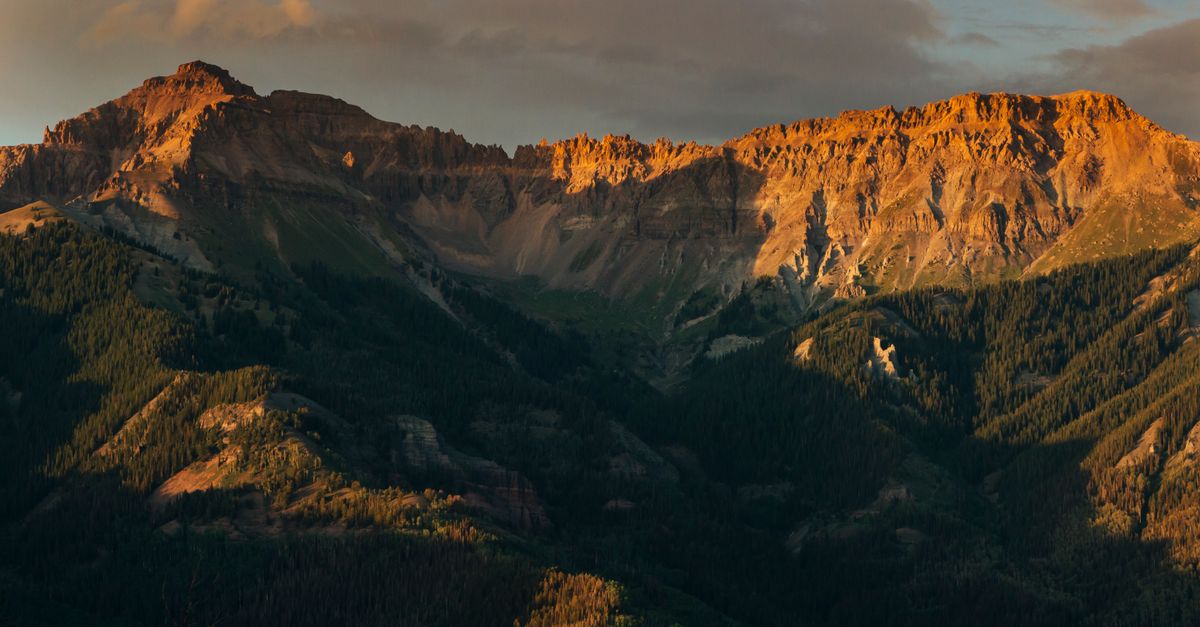
Telluride, United States
Quick Facts
The U.S. State Department does not issue travel advisories for domestic U.S. destinations. This score reflects a normal-precautions baseline; always check current local conditions.
Welcome to Telluride: An Alpine Playground for the Hard‑Core Adventurer
 Photo: San Juan Mountains, Telluride, Colorado 2007.jpg by Ehiris (CC BY 2.5), via Wikimedia Commons
Nestled at 37.93944° N, ‑107.81806° W in the heart of Colorado’s San Juan Mountains, Telluride reads like a top‑secret field notebook for anyone who lives for altitude, powder, and rugged terrain. At 8,754 ft (2,668 m) above sea level, the town commands a thin‑air perspective that sharpens every descent and amplifies every sunrise. With a permanent population of roughly 2,607 souls according to the 2020 census, the settlement feels like a tight‑knit base camp where everybody knows the best line down the mountain and the hidden creek that still runs clear in late summer (Wikipedia).
Born from a silver‑mining camp that sprouted in the 1870s, Telluride has shed its industrial roots for a reputation as a world‑class outdoor hub. The town sits squarely in the Mountain Standard Time zone (MST/MDT), so you’ll be syncing your watch to the same rhythm that guides the lift operators and the sunrise‑chasing hikers (Wikipedia). Whether you’re carving fresh tracks, tackling alpine rock, or paddling the pristine stretches of the San Miguel River, the geography here is a living, breathing toolbox for adventure.
Neighborhoods to Know
 Photo: Houses in Telluride, Colorado.jpg by Ken Lund (CC BY-SA 2.0), via Wikimedia Commons
Mountain Village
If you want ski‑in/ski‑out convenience without sacrificing the vibe of a resort community, Mountain Village is the answer. This purpose‑built enclave hugs the slopes, offering year‑round mountain amenities that let you roll out of bed and straight onto a lift or a trailhead. According to telluridelifestyle.com, the area’s design centers on seamless access to the Telluride ski area, making it the logical staging ground for backcountry launches in winter and high‑altitude trailheads in summer.
Downtown Telluride
The historic downtown core is the cultural pulse of the town. Brick‑paved streets wind past boutique shops, acclaimed restaurants, and a mix of historic and modern residences. Zillow notes that Downtown Telluride hosts a blend of residential properties and historic businesses, preserving the mining‑town charm while catering to the needs of modern explorers. This is where you’ll find gear shops, guide offices, and the kind of après‑ski scene that fuels late‑night debriefs over a hot cocoa or a craft brew.
Town of Telluride (Central)
The original mining town, now the county seat, sits compact and walkable, offering direct access to trailheads, river launches, and the iconic Telluride Bridge. Wikipedia describes this central hub as a “compact walkable layout,” which translates to minutes on foot from your lodging to the start of a multi‑day trek or a technical climbing route. The historic streets double as a launchpad for everything from white‑water kayaking on the San Miguel to high‑altitude mountain biking on the surrounding fire roads.
Top Things to Do in Telluride
 Photo: San Juan Mountains North of Telluride, Colorado (14017067499).jpg by Ken Lund (CC BY-SA 2.0), via Wikimedia Commons
- Telluride Ski Resort — Opened in 1972, the resort is known for steep, expert‑heavy terrain and free‑hike backcountry access from Gold Hill and Palmyra Peak. Its free gondola links the town to Mountain Village, doubling as year‑round public transit.
- Imogene Pass — A 13,114‑foot pass connecting Telluride to Ouray via a rugged 4WD and mountain‑bike route, and one of the highest drivable passes in Colorado. The annual Imogene Pass Run draws trail runners over the summit every September.
- Black Bear Pass — A narrow, exposed jeep road that drops into Telluride from the south, regularly cited as one of the most dangerous drivable roads in the country. Its switchback descent is strictly one‑way for a reason.
- San Juan Mountains — The rugged sub‑range of the southern Rockies that surrounds the town, packed with 13,000‑ and 14,000‑foot peaks and a deep mining history. Nearly every trailhead in this guide feeds into it.
- Uncompahgre National Forest — Spanning over 900,000 acres of southwestern Colorado, this forest wraps the San Juans near Telluride and Ouray with backcountry camping, alpine lakes, and high‑elevation singletrack.
- Via ferrata — Originally developed in the Alps, this “iron path” climbing style uses fixed cables and rungs bolted to rock. Telluride’s own via ferrata route is strung along the cliffs above town, requiring a harness and lanyard kit but no technical climbing background.
- Telluride Historic District — A National Historic Landmark District preserving the town’s 1880s‑90s mining‑boom architecture along its grid‑plan streets. Worth a slow walk on a rest day between big mountain days.
Book tickets & skip-the-line tours: Browse Telluride experiences
Getting Around
 Photo: Telluride, Colorado Main Street.jpg by Felipe Galoppini (Public domain), via Wikimedia Commons
Telluride’s geography is deliberately compact, and most adventure seekers find that a sturdy pair of hiking boots or a mountain bike is the most efficient “vehicle” for daily movement. The town’s layout encourages pedestrian traffic, and the free shuttle system — operated seasonally — links Downtown, Mountain Village, and key trailheads without the need for a car. In winter, the gondola provides a swift, weather‑proof conduit between the two main neighborhoods, shaving off the climb to the ski slopes. For those who prefer four‑wheel freedom, rental agencies in Downtown offer everything from compact SUVs to rugged 4×4s, but the narrow mountain roads and steep grades mean you’ll spend more time on the trail than in traffic.
Safety & Practical Notes
 Photo: Moon rises over the San Juan mountain range 2025.jpg by NatalieZavaleta (CC BY-SA 4.0), via Wikimedia Commons
The U.S. State Department does not issue a travel advisory for Telluride — this is a domestic U.S. destination, and the normal‑precautions baseline applies.
Water: Tap water in Telluride meets EPA Safe Drinking Water Act standards, so you can refill your hydration pack straight from the faucet without a second thought (WaterVerge).
Power: Outlets follow the standard U.S. Type A/B configuration at 120V. Pack a universal adapter if you’re traveling from abroad, but most U.S.‑based gear will plug right in.
Emergency Services: As a U.S. municipality, dialing 911 connects you to local police, fire, and medical responders. For avalanche safety, the local ski patrol and the Colorado Avalanche Information Center are your go‑to resources; always check the latest conditions before heading into backcountry terrain like Black Bear Pass or Imogene Pass.
Health & Altitude: At over 8,700 ft, altitude acclimatization is essential. Hydrate early, ascend gradually, and consider a day of light activity upon arrival to let your body adjust.
Local Authority: For up‑to‑date regulations, trail closures, and public safety notices, consult the Town of Telluride Official Website. The 2025 Drinking Water Quality Report also confirms the ongoing safety of the municipal water supply.
Best Time to Visit
 Photo: Mountain Village, Colorado (14223876013).jpg by Ken Lund (CC BY-SA 2.0), via Wikimedia Commons
Telluride’s adventure calendar is defined by the seasons rather than a fixed “peak month” list.
-
Winter (December – March): The ski area transforms into a powder haven, with deep snowpacks feeding both resort runs and backcountry bowls. Night skiing and heli‑skiing are options for the truly daring.
-
Spring (April – May): Snow melt opens up high‑altitude trails for hiking and mountain biking, while the lower slopes still hold enough snow for late‑season skiing. Wildflowers begin to pepper the meadows, offering a vibrant contrast to the lingering snowfields.
-
Summer (June – August): Warm days and long daylight hours make this the prime window for multi‑day treks, technical rock climbs, and white‑water runs on the San Miguel River. Thunderstorms are common in the afternoons, so an early start is advisable.
-
Fall (September – October): The foliage turns golden, and the crowds thin. This shoulder season is ideal for backcountry ski touring on early snow and for photographing the dramatic transition from summer green to winter white.
No single month dominates the calendar, so plan your trip around the activity that fuels your adrenaline.
Where to Stay
 Photo: NEW SHERIDAN HOTEL & OPERA HOUSE , TELLURIDE, COLORADO.jpg by Jerrye & Roy Klotz MD (CC BY-SA 3.0), via Wikimedia Commons
Whether you crave the ski‑in/ski‑out luxury of Mountain Village, the historic charm of Downtown, or a budget‑friendly hostel tucked near the river, Telluride’s lodging options span the spectrum. For a curated list of the best base‑camp hotels and lodges that cater to adventure seekers, check out our full hotel guide.
Embrace the altitude, respect the terrain, and let Telluride’s rugged beauty push your limits. The mountains are waiting.
Frequently Asked Questions
When is the safest time to attempt backcountry skiing?
Late winter to early spring usually offers the most stable snowpack, but always check the latest avalanche forecast from the local ski patrol and the Colorado Avalanche Information Center before heading out.
Can I rely on the tap water for cooking and drinking?
Yes. According to WaterVerge, Telluride's tap water meets EPA Safe Drinking Water Act standards, making it safe for both drinking and cooking.
Do I need a special permit to hike the high-altitude trails?
Most day hikes are free, but certain backcountry areas require a permit for overnight stays or for fire-restricted zones. The Town of Telluride Official Website provides up-to-date permit information and application procedures.
What gear should I prioritize for a summer trip?
Pack a lightweight, breathable layer system, a reliable hydration pack, and sturdy trail shoes or mountain bike tires. Because afternoon thunderstorms are common, a waterproof shell and quick-dry clothing are essential.
Upcoming Holidays
United StatesGet price-drop alerts and new guides from BoldTripGuide
One email a week: price drops on the gear we recommend, new guides, and what changed. No spam, unsubscribe anytime.