Best Approach Shoes for Climbing & Scrambling 2026
The best approach shoes for climbing and scrambling in 2026, from versatile all-terrain to ultra-sticky technical options, with specs and buying tips.

This post may contain affiliate links. Disclosure
Approach shoes sit at the crossroads of trail running agility and rock-shoe precision. For a climber-hiker who spends half the day navigating scree and the other half on a thin slab, the right shoe can mean the difference between a fluid ascent and a bruised ankle. In 2026 the market is crowded with high-tech rubber compounds, waterproof membranes, and carbon-shank reinforcements, yet the core problem remains the same: you need a shoe that sticks to rock, cushions the hike, and survives the inevitable mud-splatter. Below we break down why that gap exists, how the leading models close it, and which pair aligns with your skill ladder—from weekend scramblers to alpine expeditionists.
Short answer: Approach shoes sit between trail runners and rock shoes: sticky enough for dry granite and slick limestone, yet cushioned and protective enough for a long scree approach. The best 2026 pairs combine a Vibram Megagrip or XS Flash 2 rubber platform with a supportive midsole, a durable upper, and genuine toe protection.
Why Approach Shoes Matter
Traditional trail shoes excel on loose soil but lack the bite needed for dry granite or slick limestone. Conversely, dedicated climbing shoes give you unparalleled friction but sacrifice ankle freedom, cushioning, and protection on long approaches. The ideal approach shoe blends a Vibram Megagrip or XS Flash 2 rubber platform with a supportive midsole, a durable upper, and enough toe protection to survive edge-on-edge contact.
Recent data underscores the stakes: falls account for more than 60% of serious climbing injuries, and a stable, grippy sole is the first line of defense on technical terrain. With the outdoor participant base in the U.S. topping 181 million and climbing gym attendance reaching 6.36 million, the demand for footwear that can transition from gym-floor to crag-side is higher than ever.
Below we rank the seven most capable approach shoes that meet the dual demands of rock grip and hike comfort, then dive into the science of fit, rubber, and durability.
Top Picks for 2026
La Sportiva TX4 EVO — Men’s Nubuck Leather Approach Shoe
- Price: $179-$199
- Weight: 12.6 oz (360 g) per shoe
- Key Tech: Vibram Megagrip outsole with Impact Brake System, 3 mm climbing-zone lugs, co-molded TPU shank, Mythos Lacing System, recycled AirMesh lining.
- Best For: Long technical approaches and all-day scrambles where you need bomber support and rock-sticky grip.
Pros – The Megagrip climbing zone excels on thin slabs and crack approaches; Impact Brake System stabilizes steep descents; the shoe is resole-ready thanks to the ESS platform. Cons – At 12.6 oz it’s heavier than minimalist trail shoes; the stiff nubuck requires a break-in period.
The TX4 EVO remains the benchmark for climbers who want a shoe that can double as a low-cut boot on exposed ridgelines. Its combination of a carbon-reinforced shank and a dedicated climbing zone makes it a go-to for multi-pitch approaches where every foothold counts.

SCARPA Crux — Men’s Suede Leather Approach Shoe
- Price: $150-$170
- Weight: 13.4 oz (383 g) in size 42
- Key Tech: Vibram Vertical Approach/Megagrip outsole, 1.8 mm suede/nylon upper, 2D EVA midsole, full-coverage toe rand, 12 mm drop.
- Best For: Budget-conscious climbers who still demand genuine Megagrip performance on slabby scrambles and loose talus.
Pros – Full-coverage toe rand shields the foot on technical rock; Megagrip compound stays sticky wet or dry; suede upper endures rough granite. Cons – Heavier build can feel plodding on flat trail sections; the stiff leather needs multiple outings to break in.
The Crux delivers a classic “rock-shoe feel” without the price tag of premium models, making it a solid entry point for climbers transitioning from standard hiking shoes.
Five Ten Guide Tennie — Men’s Approach Shoe
- Price: $155-$175
- Weight: ~14 oz per shoe (men’s size 10)
- Key Tech: Stealth Phantom rubber (same compound as Five Ten climbing shoes), beveled toe cap, stiff midsole, nubuck leather upper.
- Best For: Climbers who want the best possible rock grip on granite slabs and want to skip changing into dedicated rock shoes for easier pitches.
Pros – Stealth Phantom rubber is the gold standard for smearing on granite; beveled toe enables precise crack entry; thick suede upper is exceptionally durable. Cons – Firm midsole feels stiff on extended flat hiking; traction on mud and loose dirt is inferior to lugged outsoles.
If you spend most of your day on vertical rock and only need a short approach, the Guide Tennie gives you climbing-shoe performance in a low-cut package.
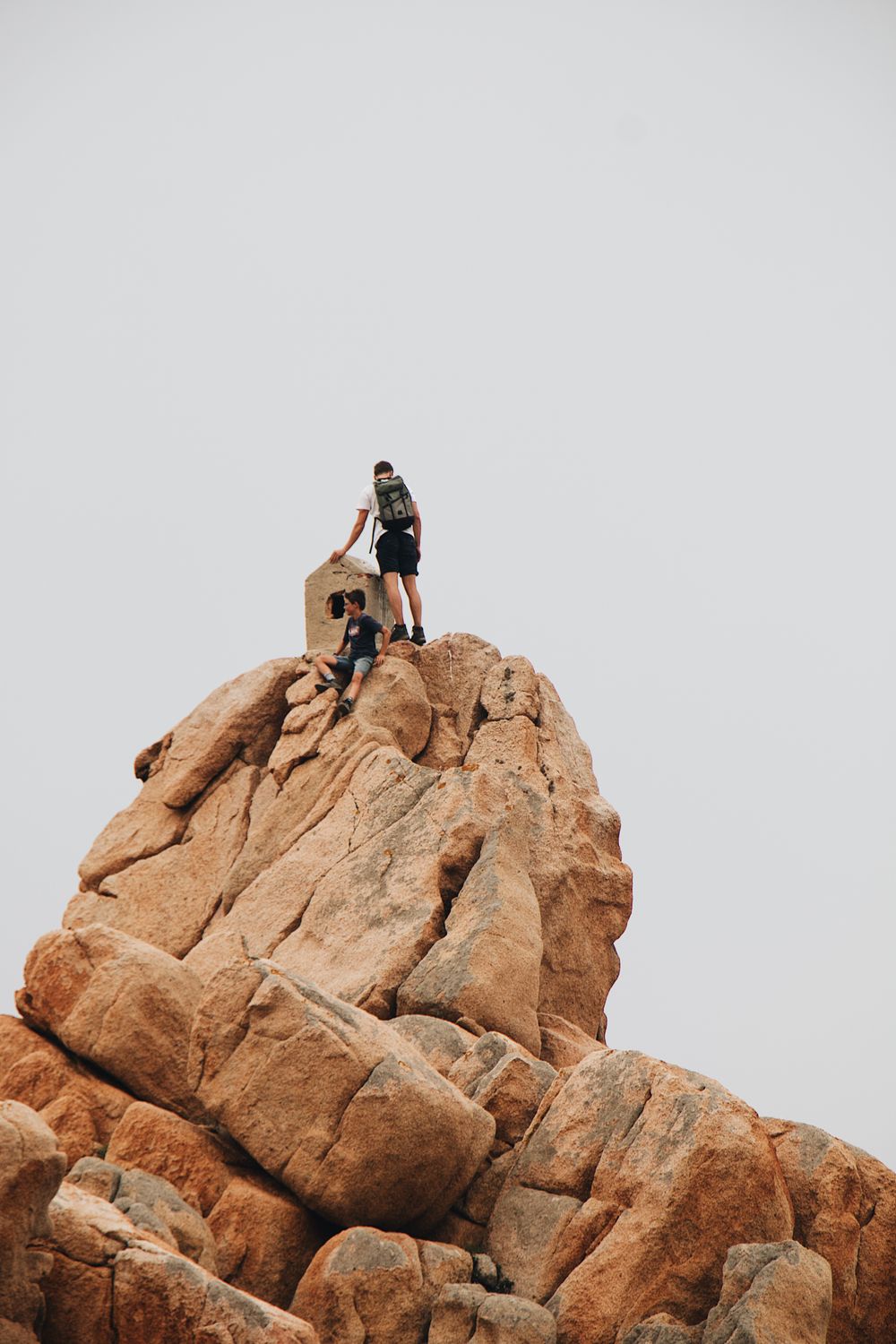
Arc’teryx Konseal GTX Shoe — Men’s Waterproof Approach Shoe
- Price: $210-$240
- Key Tech: Abrasion-resistant suede upper, GORE-TEX waterproof-breathable membrane, Vibram XS Flash 2 climbing-specific rubber, carbon-shank-reinforced sole, wraparound rubber midsole protection.
- Best For: Alpinists tackling wet alpine approaches, glacier travel, and mixed-condition technical scrambles.
Pros – GORE-TEX keeps feet dry on soggy approaches and stream crossings; XS Flash 2 delivers superior wet-rock grip; carbon shank provides torsional stability under heavy packs. Cons – Premium price; GORE-TEX reduces breathability on warm days.
When you’re negotiating a snow-covered couloir or a rain-slicked granite ridge, the Konseal GTX is the only shoe that won’t let moisture compromise your footing.
Salewa Wildfire 2 — Men’s Approach Shoe
- Price: $160-$185
- Weight: ~12 oz (340 g) per shoe
- Key Tech: Pomoca rubber outsole (3 mm forefoot to 5 mm heel lugs), 3F Total Lacing System, 11 mm heel drop (30 mm heel / 19 mm toe stack), EVA midsole, recycled synthetic mesh upper.
- Best For: Fast-and-light scramblers on via ferratas and Class 3-4 ridges who need hiking comfort without sacrificing rock traction.
Pros – Aggressive Pomoca lugs handle both rock and trail; 3F lacing allows micro-adjustment around the ankle; lighter build suits rapid alpine objectives. Cons – Sizing runs small; reviewers often recommend going up a half to full size; less precise rock feel than stiffer platforms.
The Wildfire 2 is the “speed-runner” of the approach-shoe world, ideal for those who want to keep the pace up on long ridge traverses while still feeling confident on a steep slab.
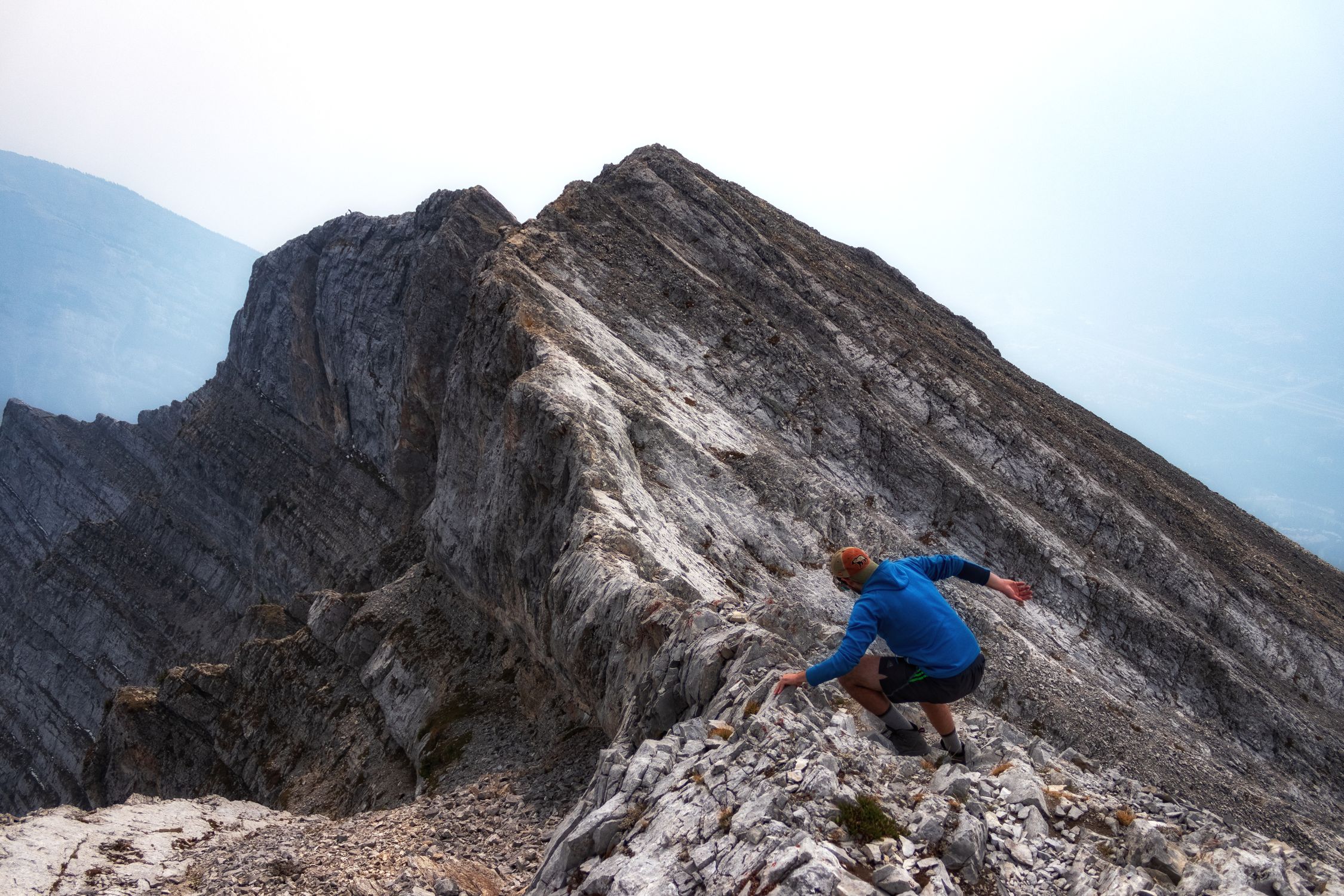
La Sportiva TX4 EVO Mid GTX — Men’s Waterproof Approach Boot
- Price: $209-$229
- Key Tech: Mid-cut ankle collar with GORE-TEX lining, Vibram Megagrip outsole with Impact Brake System, nubuck leather upper, co-molded TPU shank, STB Control System for lateral ankle support.
- Best For: Multi-day alpine objectives and exposed scrambles where ankle support and waterproofing are non-negotiable.
Pros – Mid-cut collar provides meaningful lateral support on loose scree; GORE-TEX plus Megagrip handles mixed-condition approaches reliably; STB Control System locks the heel for precise footwork on vertical rock. Cons – Heavier and warmer than low-cut shoes; overkill for moderate single-day approaches; higher price places it in the “expedition” tier.
If you’re hauling a pack over a glacier-crossing approach and need a boot that won’t let water in, the TX4 EVO Mid GTX is the most secure option on the list.
Arc’teryx Konseal Shoe — Men’s Non-GTX Technical Approach Shoe
- Price: $185-$200
- Key Tech: Abrasion-resistant suede upper (no waterproof membrane), Vibram XS Flash 2 climbing-specific rubber, carbon-shank-reinforced sole, wraparound rubber midsole, extended precision-fit lacing.
- Best For: Technical dry-weather scrambles and single-pitch climbing approaches where breathability matters as much as grip.
Pros – XS Flash 2 provides superior sticky grip on dry granite and limestone; breathable suede keeps feet cooler than waterproof alternatives; carbon shank delivers race-car stiffness-to-weight ratio for edging precision. Cons – No waterproofing limits usefulness in wet alpine environments; premium Arc’teryx pricing makes resole economics less favorable than La Sportiva alternatives.
For summer crags and hot-day ridge lines, the non-GTX Konseal gives you the same razor-edge grip without the heat-trap of a membrane.
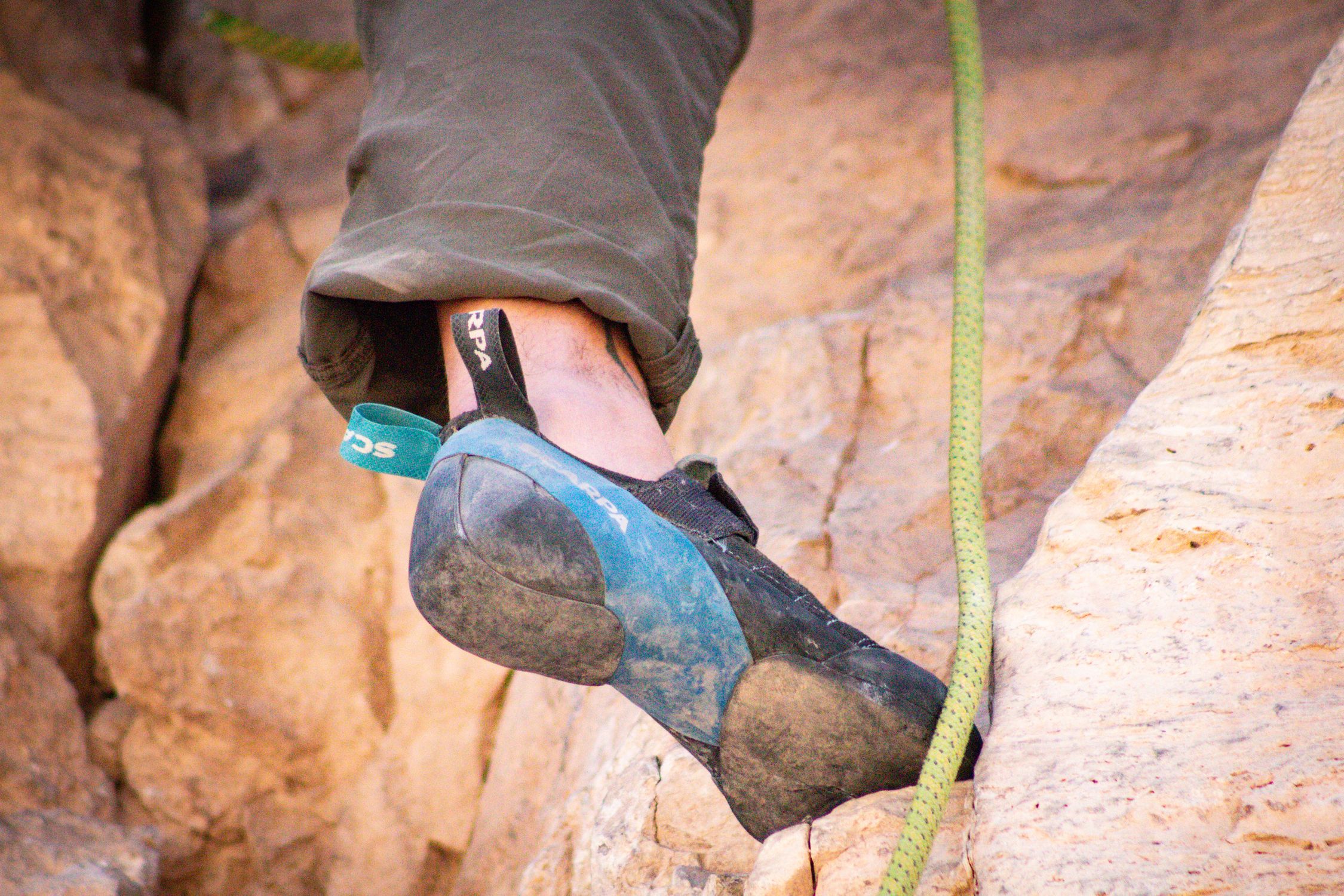
How to Choose the Right Pair
- Terrain Focus – If you spend more than 60% of your time on steep, technical rock, prioritize a shoe with a dedicated climbing rubber (Megagrip, XS Flash 2, or Stealth Phantom). For mixed terrain (rock + loose scree) a Pomoca or lug-heavy outsole offers better traction on dirt and mud.
- Waterproof Needs – Wet alpine routes demand a GORE-TEX or similar membrane. Remember that waterproof layers sacrifice breathability; they’re best saved for shoulder-season or glacier travel.
- Fit & Drop – Approach shoes typically sit between a 10-12 mm heel drop. A lower drop (10 mm) feels more natural on steep climbs, while a higher drop (12 mm) can ease calf fatigue on long hikes. Try the shoe with the socks you’ll wear on the route.
- Ankle Support – Low-cut shoes excel on fast scrambles; mid-cut boots like the TX4 EVO Mid GTX add lateral stability for exposed ridgelines and heavy packs.
- Weight vs. Durability – Lighter models (Wildfire 2, TX4 EVO) reduce fatigue on long approaches but may wear faster. Heavier, leather-based shoes (Crux, Guide Tennie) tend to last longer and resist abrasion.
When possible, test the shoe on a short local scramble before committing to a full-day expedition. The feel of the rubber on real rock is the ultimate litmus test.
Maintenance & Resole Tips
Approach shoes are an investment; proper care extends their life:
- Clean the outsole after each muddy outing with a stiff brush and mild soap. Avoid high-pressure hoses that can force water into the midsole.
- Dry naturally away from direct heat. GORE-TEX membranes benefit from a brief period of air-drying to maintain breathability.
- Inspect the midsole for compression. A hardened midsole reduces shock absorption and can lead to foot fatigue.
- Resoling – La Sportiva’s ESS platform (TX4 EVO) is explicitly resole-ready, making it a cost-effective long-term choice. Arc’teryx’s carbon-shank soles are more difficult to resole, so factor that into the total cost of ownership.
- Lacing care – The 3F Total Lacing System on the Wildfire 2 and Mythos Lacing on the TX4 EVO allow micro-adjustments; keep the eyelets clean to prevent fraying.
Performance on Different Terrains
| Terrain | Recommended Rubber | Example Model |
|---|---|---|
| Wet granite slabs | Vibram Megagrip or XS Flash 2 (water-optimized) | La Sportiva TX4 EVO, Arc’teryx Konseal GTX |
| Loose talus / scree | Aggressive lugs (Pomoca, Megagrip with larger lugs) | Salewa Wildfire 2, La Sportiva TX4 EVO |
| Muddy forest trails | Lugged outsole, moderate rubber hardness | Salewa Wildfire 2 (Pomoca) |
| Dry limestone edges | Sticky, low-cushion rubber (Stealth Phantom, XS Flash 2) | Five Ten Guide Tennie, Arc’teryx Konseal |
| Alpine glacier approaches | Waterproof membrane + stable carbon shank | La Sportiva TX4 EVO Mid GTX, Arc’teryx Konseal GTX |
Understanding the interaction between rubber compound and surface condition is key. Vibram Megagrip is rated for superior wet and dry friction across the industry, making it the benchmark for technical mountain footwear. However, on muddy or loose dirt, a rubber with deeper lugs (like Pomoca) will outperform a smooth climbing-specific compound.
Budget vs. Premium Considerations
- Entry-Level (under $170) – SCARPA Crux offers genuine Megagrip at a modest price, ideal for climbers transitioning from standard hiking shoes.
- Mid-Range ($170-$210) – Five Ten Guide Tennie and Salewa Wildfire 2 strike a balance between rock grip and hike comfort, with weight and durability that suit most weekend trips.
- Premium ($210+) – La Sportiva TX4 EVO Mid GTX and Arc’teryx Konseal GTX provide waterproofing, carbon-shank stiffness, and resole-ready platforms for multi-day alpine pursuits.
Remember that the total cost of ownership includes potential resole fees, replacement laces, and occasional waterproof membrane repairs. A higher upfront price can pay off if you plan to log dozens of technical approaches per year.
The Bigger Picture: Footwear Trends in 2026
The global outdoor footwear market is projected to reach USD 101.7 billion by 2035, driven by a 7.1% CAGR and a record-breaking participant base in the United States. As indoor climbing gyms proliferate (over 870 gyms in North America as of 2024) and bouldering continues its 20% year-on-year growth, the demand for hybrid footwear that bridges gym-floor performance and back-country durability has never been higher.
Manufacturers are responding with recycled materials (La Sportiva’s AirMesh, Salewa’s synthetic mesh) and carbon-shank technologies that shave weight while preserving torsional rigidity. The emphasis on Vibram Megagrip across multiple brands reflects a consensus that a single rubber compound can serve both wet and dry technical terrain, a claim backed by Vibram’s own technical documentation.
For the adventure-forward traveler, the right approach shoe is the foundation of a safe, efficient, and exhilarating ascent. Whether you’re tackling the granite slabs of Yosemite (see the Yosemite climbing guide) or carving a new line on a remote alpine ridge, the models above provide a proven platform for every skill level.
Related Reading
Get price-drop alerts and new guides from BoldTripGuide
One email a week: price drops on the gear we recommend, new guides, and what changed. No spam, unsubscribe anytime.