Best Basecamp Hotels & Lodges in Moshi for Kilimanjaro 2026
Compare Moshi's top Kilimanjaro basecamp hotels and lodges for 2026 - prices, pros and cons, a real safety note, and the logistics every trekker needs.

This post may contain affiliate links. Disclosure
Moshi sits at roughly 830 m (2,720 ft), a temperate perch about 30 km (19 mi) south of Kilimanjaro National Park that makes it the default staging town for every major route up the mountain. It’s a working town of just under 200,000 people, not a resort strip, which means your basecamp choice actually matters - some properties sit gate-side and quiet, others put you in the middle of the action near gear shops and the bus station. Below is the full lineup of Moshi’s basecamp hotels and lodges for 2026, plus the logistics, safety context, and common mistakes worth knowing before you land.
Short answer: Moshi sits at about 830 m, warm enough to sleep well and cool enough that you are not fighting heat on top of jet lag the night before a Kilimanjaro start. The two dependable climbing windows are January to March and June to October. Eight verified lodges span backpacker guesthouses to Kaliwa Lodge.
Why Moshi Is the Perfect Kilimanjaro Basecamp
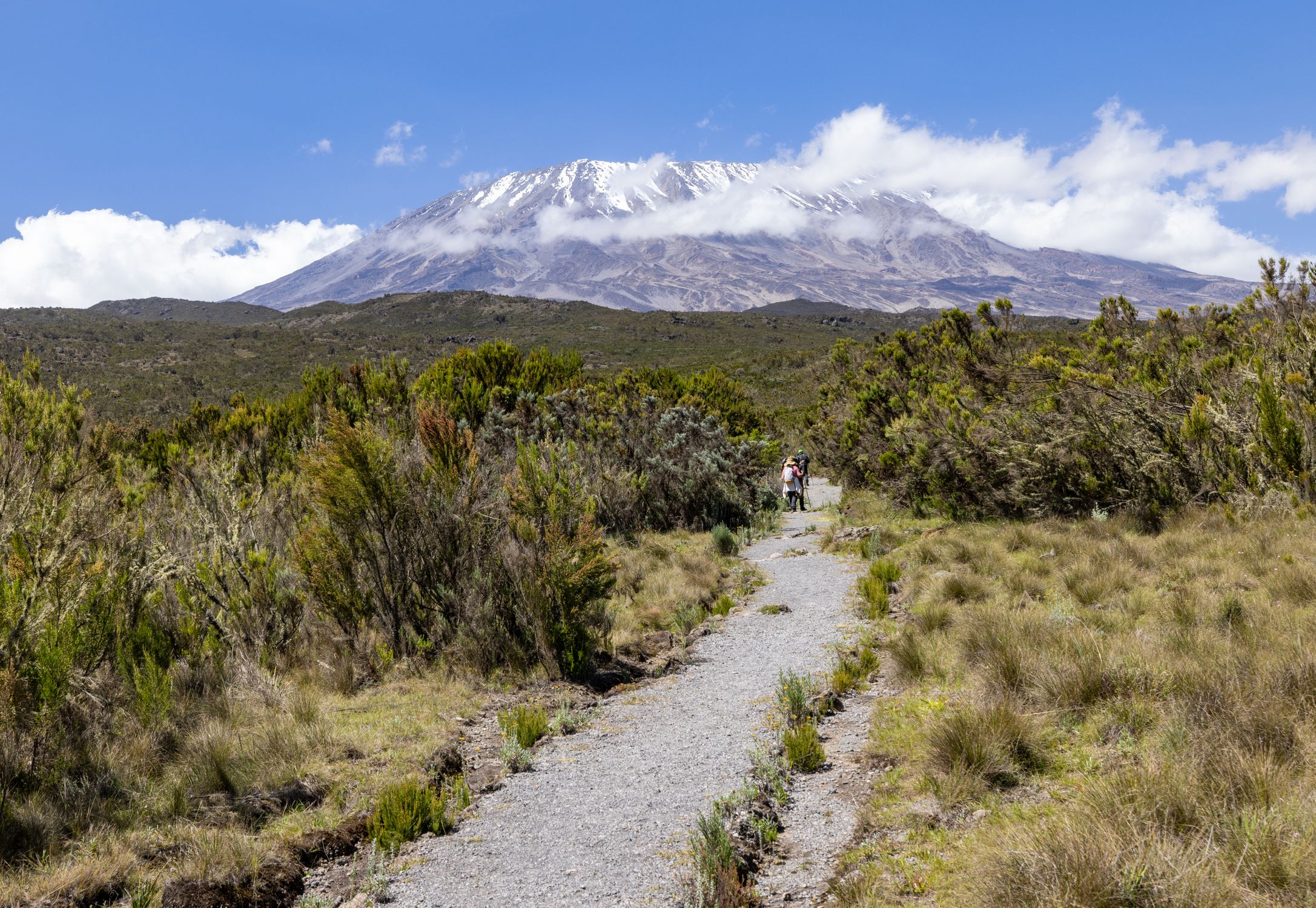
Moshi’s altitude of about 830 m keeps the climate moderate year-round, which is exactly what you want the night before you start climbing toward Kilimanjaro’s summit zones - warm enough to sleep comfortably, cool enough that you’re not fighting heat on top of jet lag (source: Hikers Bay). The two dependable climbing windows are January-March and June-October, when weather across the mountain is most stable; the April-May rainy season is the one stretch worth avoiding if you can help it, since it can also slow road access to the park gates (source: Travelworld Africa).
Getting there is straightforward. Kilimanjaro International Airport (JRO) sits about 45 km (28 mi) from town, with regular shuttle services covering the run (source: Climbing Kilimanjaro Info). Once you’re in Moshi, the town itself functions as a genuine hub rather than a tourist bubble - a mix of gear outfitters, climbing agencies, and everyday Tanzanian commerce, which is part of why it works so well as a place to decompress before or after a week on the mountain.
A Note on Safety
Before you book anything, know this: the U.S. State Department rates Tanzania at Level 3: Reconsider Travel, a meaningfully higher advisory than most adventure-travel destinations covered on this site. The UK Foreign, Commonwealth & Development Office echoes that caution, noting there is “a risk of armed crime, including armed robbery, throughout Tanzania” and advising particular care “in places frequented by tourists and foreign residents” (updated 19 May 2026, source: UK FCDO Tanzania travel advice). That’s an official country-wide rating, and it’s worth taking seriously rather than waving off.
What it doesn’t mean is that a guided Kilimanjaro climb carries the same risk profile as unstructured travel elsewhere in the country. Trekking the mountain runs through a licensed-operator system, and basecamp towns like Moshi see a steady flow of trekking traffic. Crime rates in Moshi itself run low, though petty theft can occur in crowded markets, so keep valuables secured the way you would in any busy town (source: Tour with Pipi). Book through a reputable operator, stay aware in markets and transit hubs, and treat the Level 3 rating as what it is - a real, official caution about Tanzania as a whole, not a verdict on the climb itself.
The Best Places to Stay
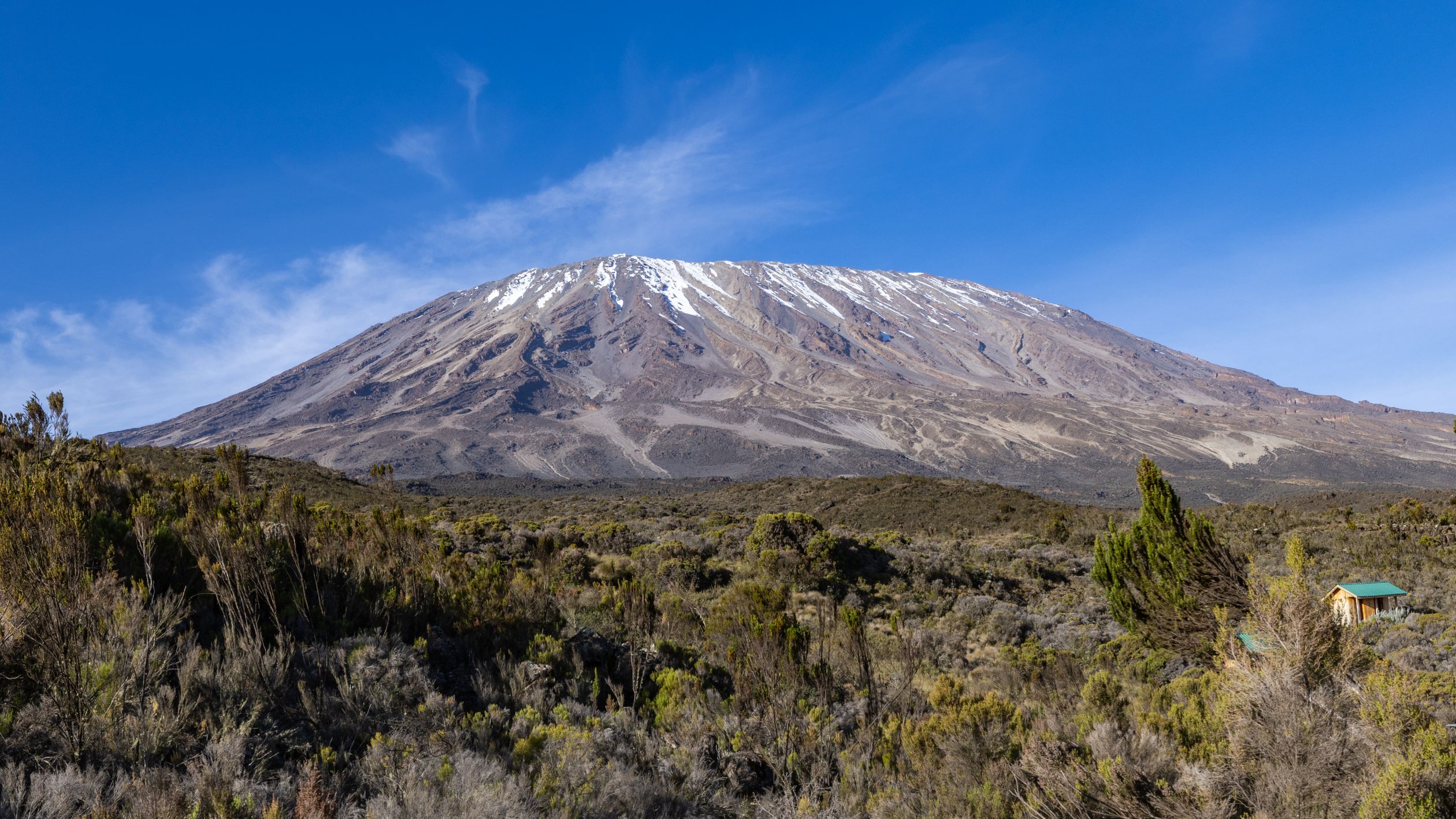
Moshi’s lodging runs from $9-a-night dorm beds to $180-a-night mountain-view suites, and where you land depends mostly on whether you want gate-side quiet, town-center convenience, or the cheapest bed that’ll hold your gear overnight. Here’s the full rundown, verified pricing and all.
Kaliwa Lodge
Kaliwa sits near Machame Gate on the outskirts of Moshi, away from the town’s noise entirely. The terrace delivers panoramic Kilimanjaro views - a good spot for pre-dawn coffee before a summit push - and the on-site restaurant is built around hearty meals for climbers rather than tourist fare.
Price band: $80-160 per night. Kaliwa Lodge - Check rates.
Pros: Excellent service and clean rooms, easy gear storage and luggage hold for trekkers. Cons: Distance from town can make late-night arrivals inconvenient. Best for: Adventure travelers who want comfortable upscale lodging with mountain views and a peaceful setting.
Parkview Inn Moshi
Set in central Moshi town, Parkview Inn trades gate-side quiet for walkable convenience - restaurants, shops, and transport hubs are all close by. A rooftop bar frames Kilimanjaro’s silhouette, and a pool plus free public-area Wi-Fi round out the Western-standard amenities.
Price band: $80-130 per night. Parkview Inn Moshi - Check rates.
Pros: Good Western-standard amenities, convenient for early check-in and late check-out. Cons: Rooms can get noisy during peak tourist season. Best for: Trekkers who want city convenience plus quick access to gear shops and transport.
Chanya Lodge
A short taxi ride outside town, Chanya Lodge centers on a large outdoor pool and bar area - a solid spot to unwind after a day on the trail. Rooms are spacious, Wi-Fi is reliable, and the garden setting keeps the mountain backdrop in view without the town’s traffic.
Price band: $100+ per night. Chanya Lodge - Check rates.
Pros: Great value for comfort, easy luggage storage, 24-hour front desk. Cons: Requires a taxi to reach town amenities. Best for: Travelers who prefer a relaxed lodge with a pool and storage, willing to stay a bit outside town.
Keys Hotel Moshi
Right in Moshi’s town centre, Keys Hotel is the practical budget pick - en-suite rooms, an airport shuttle service, and staff who are used to running logistics for Kilimanjaro groups, which makes luggage handling and early departures painless.
Price band: $60-80 per night. Keys Hotel Moshi - Check rates.
Pros: Affordable, practical for groups and early arrivals. Cons: Basic decor, no pool. Best for: Budget-conscious trekkers needing reliable service and easy airport transfer.
Ameg Lodge Kilimanjaro
On Moshi’s outskirts near the route trailheads, Ameg Lodge is the premium pick for climbers specifically. Rooms have private balconies that frame the mountain, the in-house restaurant serves high-protein meals built for climbers, and a 24-hour front desk handles gear securely.
Price band: $120-180 per night. Ameg Lodge Kilimanjaro - Check rates.
Pros: Luxury comfort with excellent service, close to the Machame and Lemosho route start points. Cons: Higher price point compared with town hotels. Best for: Travelers who want a premium basecamp experience with mountain views and full concierge support.
Stella Maris Lodge
Also on the outskirts, Stella Maris sits in a quiet garden setting and is built around trek schedules specifically - early check-in and late check-out are standard here, along with on-site gear storage and laundry for post-summit recovery.
Price band: $130-170 per night. Stella Maris Lodge - Check rates.
Pros: Quiet atmosphere ideal for recovery, helpful staff for trek logistics. Cons: Distance from town amenities requires a short taxi ride. Best for: Climbers who value tranquility, flexible check-in times, and secure gear handling.
Rafiki Backpackers & Guesthouse
Rafiki is the social pick for solo trekkers - dorms and private rooms, a common kitchen and lounge for gear prep, and informal check-in and check-out times that flex around trek schedules rather than fighting them.
Price band: $12-20 per night. Rafiki Backpackers & Guesthouse - Check rates.
Pros: Very low cost, great for meeting other climbers. Cons: Very basic amenities, limited privacy. Best for: Solo adventurers on a tight budget who want a community vibe and flexible arrival times.
Osy Grand Hotel
Osy Grand is the rock-bottom option in the heart of Moshi, near the bus station - easy to find straight off a long flight, with a staff reputation for helpfulness that outruns the modest facilities.
Price band: $35-55 per night. Osy Grand Hotel - Check rates.
Pros: Very cheap, easy to locate. Cons: No elevator, cash-only payments. Best for: Backpackers on a tight budget who just need a safe place to sleep.
Getting To and From Moshi
Most international arrivals land at Kilimanjaro International Airport (JRO), roughly 45 km from town, with shuttle services - through hotels or independent operators - covering the transfer (source: Climbing Kilimanjaro Info). Public dala-dala minibuses also run the route, but they’re crowded and short on luggage space, which is why most trekkers arriving with duffels and duffel bags of gear opt for a pre-booked shuttle instead.
Within Moshi, shared taxis are the fastest way to reach gate-side lodges like Kaliwa or Ameg - a typical ride to the Machame gate runs about 30 minutes (source: Tranquil Kilimanjaro). If you’re staying centrally at Parkview Inn, Keys Hotel, or Osy Grand, the bus station and gear shops are walkable, and most properties will arrange a private pickup for early-morning departures regardless of where you’re headquartered.
Kilimanjaro National Park itself is managed by the Tanzania National Parks Authority, which is worth bookmarking directly if your operator hasn’t already handled park permits and entry logistics for you. And if you’re building out your itinerary beyond the climb, the Tanzania Tourism Board is the official source for country-wide trip planning.
One scheduling note: the April-May rainy season can cause road delays getting to the gates, so build in buffer time if you’re traveling during that window (source: Hikers Bay).
What to Expect From Your Accommodation
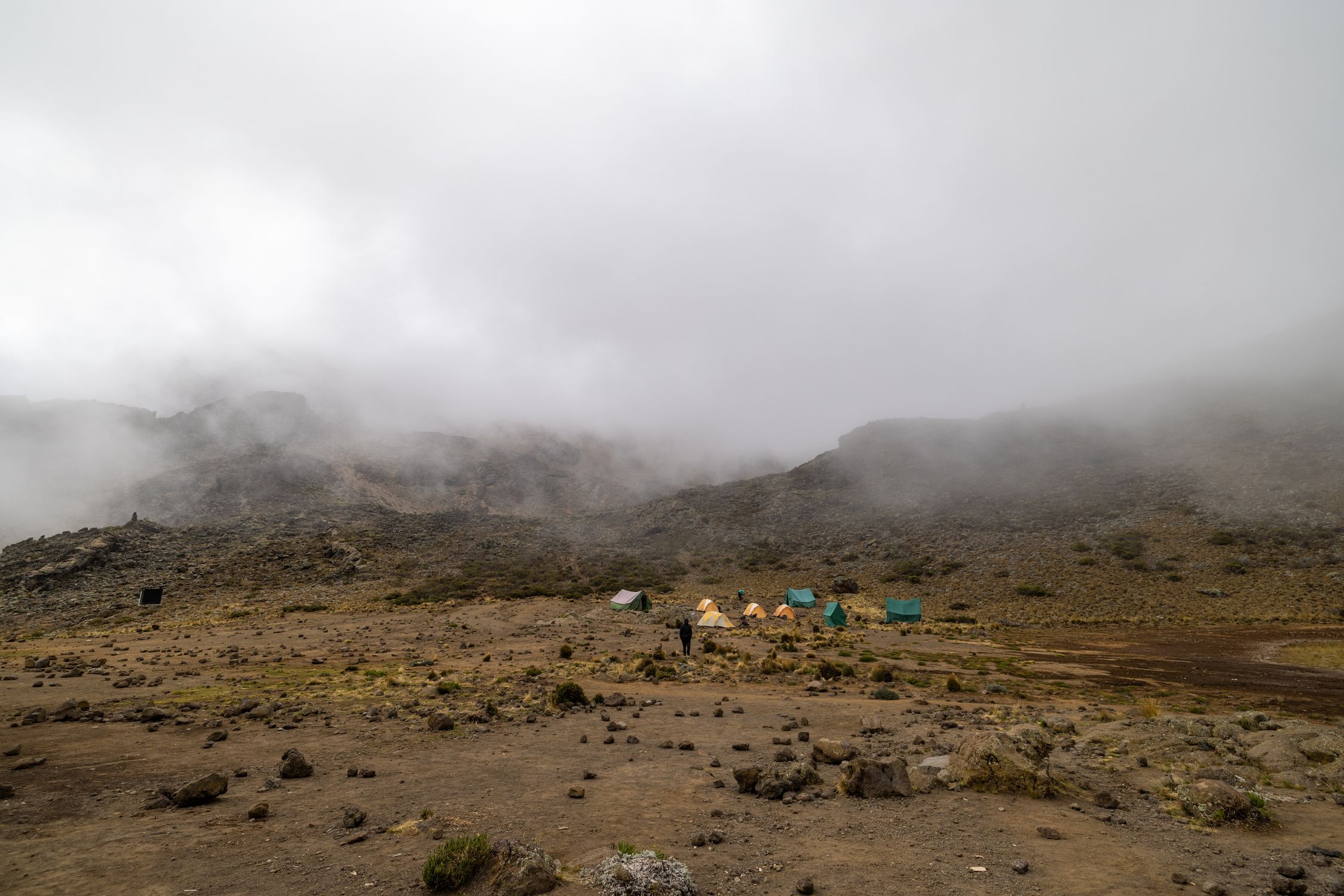
Wi-Fi across Moshi’s hotels is generally available in public areas but can run slow, so don’t count on it for anything more than checking email or downloading a map before you head out (source: Takeyourbackpack). Breakfast ranges from simple continental spreads at the budget end to the high-protein meals built specifically for climbers at places like Kaliwa and Ameg Lodge. Gear storage is close to universal across the properties on this list - a genuinely important amenity when you’re carrying boots, crampons, and a sleeping bag you don’t want cluttering a small room.
Expect basic en-suite bathrooms and communal facilities at the budget end - Osy Grand and Rafiki Backpackers both fall here. Mid-range properties like Parkview Inn and Chanya Lodge step up with pools, rooftop bars, and more polished rooms, while the upscale end - Stella Maris and Ameg Lodge - delivers private balconies with direct Kilimanjaro views.
On money: a local restaurant meal runs about $3-5, while a mid-range hotel dinner runs $10-15 (source: African Things To Do). The Tanzanian Shilling (TZS) is the local currency, and while most hotels accept USD, small vendors and street food stalls prefer cash in shillings (source: Easy Travel Tanzania). Carry a mix of both.
Common Mistakes to Avoid
- Arriving too late for check-in. Gate-side lodges like Kaliwa and Stella Maris sit a real drive from town, and a late-night arrival can leave you stranded. Book an early check-in, or stage a night in central Moshi first - Parkview Inn’s flexible policy is a reasonable fallback.
- Skipping gear storage. Leaving boots, crampons, and packs loose in your room clutters limited space and exposes gear to humidity. Every lodge on this list offers secure storage - use it.
- Underestimating cash needs. Hotels take USD, but taxi drivers, market stalls, and small eateries want Tanzanian Shillings. Carry enough cash for meals, tips, and incidentals before you need it (source: Easy Travel Tanzania).
- Ignoring malaria precautions. The Moshi region is malaria-endemic. Prophylaxis, insect repellent, and a mosquito net if one isn’t provided are non-negotiable, not optional extras (source: Hikers Bay).
- Over-packing for the town. Moshi’s climate is moderate - heavy mountain layers belong on the trek, not in your hotel room. Pack light for town, use laundry services where they’re offered (Stella Maris runs one), and save the bulk for summit day.
Practical Tips for a Smooth Trek
- Currency: Carry a mix of USD and TZS. Hotels will often change money, but small vendors want cash (source: Easy Travel Tanzania).
- Internet: Expect spotty Wi-Fi. Download offline maps and confirm your itinerary details before you leave the lodge (source: Takeyourbackpack).
- Health: Bring malaria prophylaxis, insect repellent, and a basic first-aid kit for the trip.
- Transport: Pre-book your airport shuttle through your lodge, especially during the January-March and June-October peak seasons.
- Visas: Check current entry requirements before you fly via Tanzania Immigration.
- Meals: Take advantage of the high-protein restaurant menus at Kaliwa, Ameg, and Stella Maris to refuel after a summit attempt.
Get the logistics right at the basecamp level and the mountain becomes the only hard part of the trip - which, for a climb like Kilimanjaro, is exactly how it should be.
Related Reading
Get price-drop alerts and new guides from BoldTripGuide
One email a week: price drops on the gear we recommend, new guides, and what changed. No spam, unsubscribe anytime.