Brazil Adventure Travel Guide 2026: Complete Playbook
The complete Brazil adventure travel guide for 2026. Surfing, trekking, canyoning, and wildlife from the Amazon to Chapada Diamantina to Fernando de Noronha.
This post may contain affiliate links. Disclosure
Brazil is a continental-scale country with an adventure portfolio to match. The world’s largest rainforest, over 7,000 kilometers of Atlantic coastline, tabletop mountains rising from savanna, crystal-clear rivers flowing through limestone canyons, offshore archipelagos with some of the best diving in the Americas, and a surf culture that rivals Australia and California. Travel + Leisure named Brazil its 2026 Destination of the Year, and the country’s Travel and Tourism market is projected to reach $17.72 billion in 2025 revenue — a recognition that international travelers are arriving in record numbers.
Brazil is also affordable by international standards. The Brazilian real has remained weak against the US dollar and euro, making food, accommodation, transport, and guided activities excellent value. A day of world-class surfing costs nothing. A guided trek through a national park costs a fraction of comparable experiences in Europe or North America. And the warmth of Brazilian culture, the music, the food, the relentless hospitality, adds a dimension to adventure travel that cold-weather destinations simply cannot match.
If you are an adventure traveler and you have not been to Brazil, you are missing one of the most diverse outdoor playgrounds on Earth.
Chapada Diamantina: Brazil’s Trekking Paradise
Chapada Diamantina National Park, in the interior of Bahia state, is one of the most spectacular trekking destinations in the Americas that most international travelers have never heard of. The park features tabletop mountains (chapadas) rising from the surrounding lowlands, deep canyons, underground rivers, caves with crystal-clear pools, and waterfalls that rank among the most beautiful in Brazil.
The flagship trek is the Vale do Pati (Pati Valley), a 3-5 day trek through a high-altitude valley surrounded by towering sandstone cliffs. The trail passes through diverse landscapes: forest, savanna, cliff-top lookouts, and valley floors where local families have lived for generations and now host trekkers in their homes. The Cachoeira da Fumaca (Smoke Waterfall), at 380 meters, is Brazil’s tallest waterfall and can be reached on a day hike from the village of Vale do Capao.
The Vale do Pati is the equal of any multi-day trek in Patagonia or Nepal, at a fraction of the cost. The scenery is unique, the local hosts are extraordinarily welcoming, and the swimming in natural pools at the bottom of waterfalls after a long day of trekking is one of life’s great pleasures.
Best treks: Vale do Pati (3-5 days), Cachoeira da Fumaca (1 day), Gruta da Lapa Doce (cave tour, half day), Poco Encantado (enchanted pool, half day) Best season: May through October (dry season). November through February is wet and some trails become impassable. Cost: Vale do Pati trek with local guide and homestay accommodation from 200-400 BRL per day (approximately $40-80 USD). Day treks with guide from 100-200 BRL. Where to stay: Vale do Capao and Lencois are the main bases. Hostels from 40 BRL ($8 USD), pousadas from 100 BRL ($20 USD). Getting there: Fly to Salvador. Bus to Lencois (7 hours) or to Vale do Capao (9 hours). Domestic flights occasionally available to Lencois.
Fernando de Noronha: Island Adventures
Fernando de Noronha is an archipelago of 21 volcanic islands 354 km off the northeast coast of Brazil, and it is home to the best diving, snorkeling, and surfing in the country. The Brazilian government limits the number of visitors to protect the marine environment, which means the reefs are pristine, the marine life is abundant, and the beaches are uncrowded. Early booking is essential at all times of year — visitor numbers are strictly capped.
The water visibility regularly exceeds 40 meters. Spinner dolphins in pods of hundreds swim in the Baia dos Golfinhos every morning. Sea turtles nest on the beaches. Reef sharks patrol the shallows. And the surfing at Praia da Cacimba do Padre produces powerful, hollow waves that have hosted international competitions.
Activities: Snorkeling (Baia do Sancho, consistently rated one of the world’s best beaches), diving (30+ sites, visibility 30-50m), surfing (December-March swells), trail hiking around the island Best season: August through November for diving (calmest seas, best visibility). December through March for surfing (north swells). Cost: Environmental preservation fee of 97 BRL per day per person. Accommodation from 300 BRL per night (the island is not budget-friendly). Diving from 400 BRL for two dives. Getting there: Fly from Recife or Natal (1 hour).
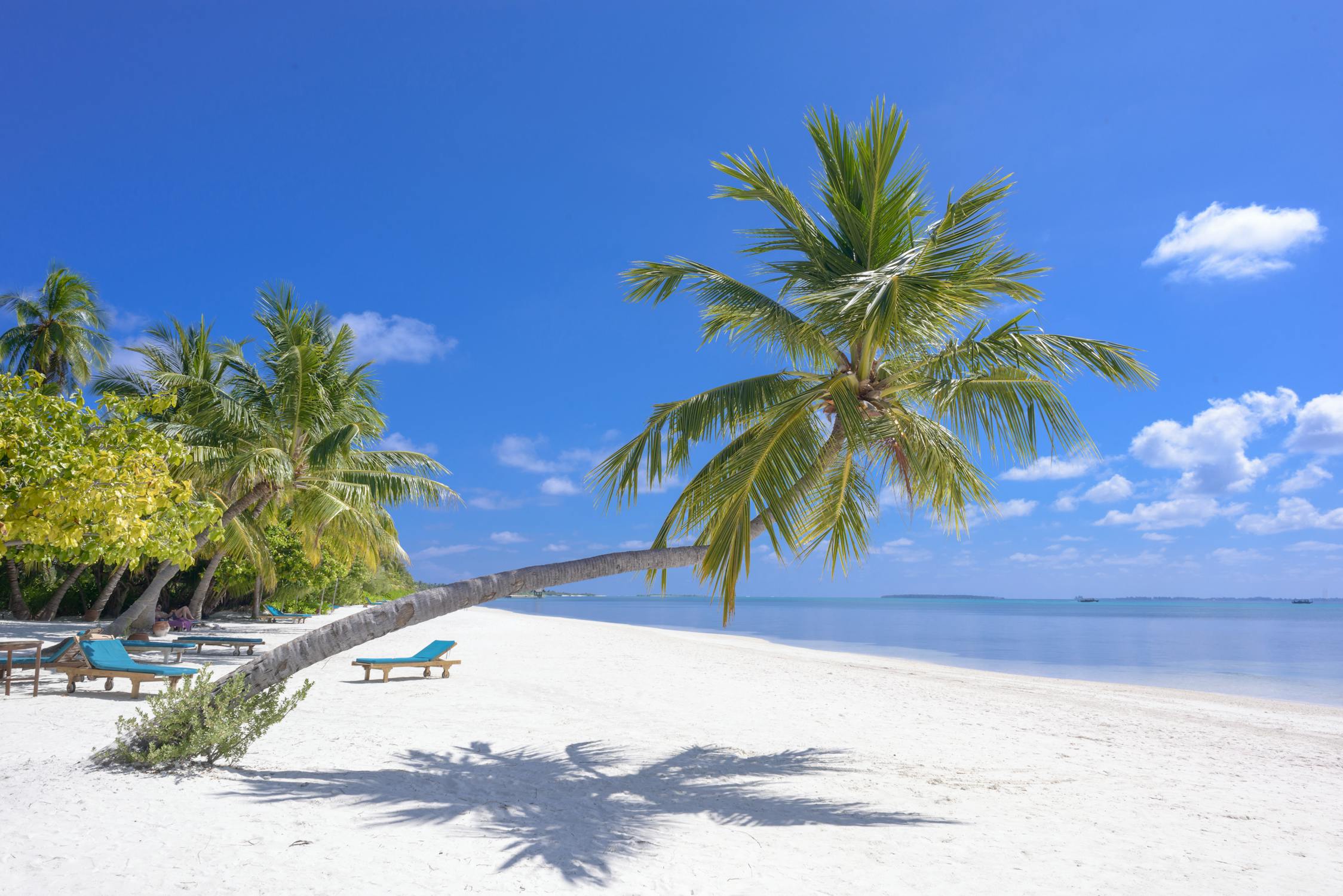 Photo credit on Pexels
Amazon Rainforest Adventures
The Amazon covers 60 percent of Brazil’s land area and is the most biodiverse ecosystem on Earth. Adventure options range from multi-day jungle survival experiences to comfortable eco-lodge stays with daily guided excursions. Brazil’s shift toward sustainable ecotourism in the Amazon is well-established — most quality operators are investing in conservation while improving the visitor experience.
The adventure approach to the Amazon centers on Manaus (the capital of Amazonas state) and the surrounding tributaries of the Rio Negro and Rio Solimoes. From a jungle lodge or on a live-aboard boat, you can canoe through flooded forest, fish for piranhas, spot caimans on night excursions, hike through primary rainforest, and visit indigenous communities. The meeting of the waters, where the dark Rio Negro and the sandy-colored Rio Solimoes flow side by side for kilometers without mixing, is a natural phenomenon visible from space.
Activities: Jungle trekking, canoe expeditions, piranha fishing, wildlife spotting (jaguars, pink river dolphins, macaws, monkeys, anacondas), indigenous community visits Best season: June through November (dry season, lower water levels expose more trails). December through May (wet/flood season, canoe through flooded forest, but more mosquitoes). Cost: Eco-lodge packages from $300 USD per day (all-inclusive). Budget jungle tours from $150 USD per day. Multi-day live-aboard boats from $200 USD per day. Where to stay: Manaus is the gateway city. Hostels from 40 BRL. Hotels from 100 BRL. Getting there: Fly to Manaus (MAO) from Sao Paulo, Brasilia, or international gateways.
Surfing the Brazilian Coast
Brazil’s 7,400 km coastline faces every direction and catches swells from multiple sources, making it one of the most consistent surfing destinations on Earth. The surf culture here is massive: Brazil has produced multiple world champions and has more competitive surfers per capita than any other country. Board rental starts at 50 BRL per day and accommodation in surf hostels runs from 30 BRL per night — making Brazil one of the most affordable surf destinations on earth.
Best surf destinations:
- Florianopolis (Santa Catarina): An island city with over 40 beaches facing every direction. Joaquina and Praia Mole are the famous breaks. Water temperature 16-24 degrees. Best swells April through October.
- Itacare (Bahia): Tropical point breaks and beach breaks in a lush, bohemian setting. Warm water year-round (25-28 degrees). Best swells April through September.
- Saquarema (Rio de Janeiro): The capital of Brazilian surfing. Powerful beach breaks that host international competitions. Best swells April through October.
- Fernando de Noronha: World-class waves in a pristine island setting (see above).
For additional surf destination guidance, see our best surf towns guide.
Canyoning in Aparados da Serra
The canyons of Aparados da Serra and Serra Geral National Parks, on the border of Rio Grande do Sul and Santa Catarina states, are among the most dramatic in the Americas. The Itaimbezinho Canyon is 720 meters deep, 5.8 km long, and 600 meters wide, with vertical basalt walls and waterfalls pouring into the misty depths below.
Guided canyoning trips allow you to descend into the canyons on rappel, scramble along the river at the bottom, and hike back out through Atlantic Forest. The Trilha do Rio do Boi (Bull River Trail) follows the floor of Itaimbezinho Canyon for 7 km, crossing the river multiple times and passing beneath towering cliff walls. It is one of the most dramatic day hikes in South America.
Best season: March through November (drier months). The canyon floor floods during heavy rains. Cost: Guided canyoning from 200 BRL per person. National park entry 42 BRL. Where to stay: Cambara do Sul has pousadas from 80 BRL per night. Getting there: Drive from Porto Alegre (4 hours) or Florianopolis (5 hours).
Lencois Maranhenses: Dune Adventures
Lencois Maranhenses National Park in Maranhao state is one of the most visually surreal landscapes on Earth. Thousands of rolling sand dunes stretch to the horizon, and during the rainy season (January-June), the valleys between the dunes fill with crystal-clear freshwater lagoons colored in shades of turquoise and emerald. The combination of white sand dunes, blue lagoons, and empty sky creates a landscape that looks photoshopped but is entirely natural.
Adventure activities include 4x4 excursions across the dunes, hiking between lagoons, sandboarding down the dune faces, and swimming in the lagoons (the water is warm and the swimming is safe). The park is remote and the infrastructure is basic, which adds to the sense of discovery. For a deeper look at sandboarding globally, see our sandboarding destinations guide.
Best season: June through September (lagoons are fullest, weather is dry and clear) Cost: 4x4 tours from 150 BRL per person per day. Trekking tours from 100 BRL. Where to stay: Barreirinhas is the main gateway. Pousadas from 60 BRL per night. Getting there: Fly to Sao Luis (SLZ). Drive or bus to Barreirinhas (4 hours).
Practical Information
Visa: Brazil introduced e-visas for US, Canadian, and Australian citizens in 2024. Apply at the Brazilian e-Visa portal. EU citizens do not need a visa for stays under 90 days. The e-visa costs approximately $80 USD and is processed online.
Safety: Brazil has a reputation for crime that is partially deserved but often overstated for adventure travel areas. The adventure destinations described in this guide (Chapada Diamantina, Fernando de Noronha, Amazon lodges, Aparados da Serra, Lencois Maranhenses) are generally very safe. Urban areas (Sao Paulo, Rio de Janeiro, Recife, Salvador) require standard precautions: avoid displaying expensive items, use registered taxis or ride-hailing apps, and stay in well-lit areas at night. For comprehensive safety planning, see our adventure travel safety guide.
Health: Yellow fever vaccination is required for travel to the Amazon region and recommended for all travel to Brazil. Malaria prophylaxis is advised for the Amazon. Dengue fever is present throughout Brazil. Use insect repellent. See our adventure travel health guide for full vaccination and health preparation advice.
Budget: Brazil is affordable. Daily budget for a mid-range adventure traveler: 200-400 BRL ($40-80 USD) including accommodation, meals, and activities.
Language: Portuguese. English is not widely spoken outside of tourist areas. Learning basic Portuguese phrases will significantly improve your experience.
Internal transport: Brazil is enormous. Fly between regions (domestic flights from 200-500 BRL one way). Bus for shorter distances (comfortable and affordable).
Bonito: Brazil’s Eco-Adventure Capital
Bonito, in the state of Mato Grosso do Sul, is a small town that has become Brazil’s most famous eco-adventure destination. The area’s unique geology produces rivers of extraordinary clarity, the water filtered through limestone to create visibility of 30-60 meters in fresh water. The result is snorkeling experiences in freshwater rivers that rival ocean reef snorkeling, with thousands of colorful freshwater fish swimming around you in water so clear it feels like floating in air.
Activities in Bonito:
- Rio da Prata snorkeling: A 3 km float downstream through crystal-clear water surrounded by fish, including giant pacu and dorado. One of the most unique aquatic experiences in the world. From 250 BRL per person.
- Gruta do Lago Azul: A vast limestone cave with an underground lake of impossibly blue water. From 80 BRL.
- Abismo Anhumas: A 72-meter rappel into a cave containing an underground lake where you can snorkel or dive. Extraordinary and expensive (from 800 BRL per person). Limited to 18 people per day.
- Rio Sucuri: Another crystal-clear river float, even clearer than Rio da Prata. From 200 BRL.
- Boca da Onca waterfall trail: A trail through Atlantic Forest passing seven waterfalls, culminating in the 156-meter Boca da Onca, the tallest waterfall in Mato Grosso do Sul. From 200 BRL.
Where to stay: Bonito has hostels from 50 BRL and pousadas from 120 BRL per night. Getting there: Fly to Campo Grande (CGR) from Sao Paulo. Bus to Bonito (5 hours) or short domestic flight. Best season: Year-round. December through March for highest water clarity.
Best Adventure Itinerary: 3-4 Weeks in Brazil
Week 1: Chapada Diamantina (trekking, caving, waterfalls) Week 2: Fernando de Noronha (diving, snorkeling, surfing) or Lencois Maranhenses (dune adventures) Week 3: Bonito (crystal-clear river snorkeling, caving) or Amazon (jungle expeditions) Week 4: Atlantic coast surfing (Florianopolis, Itacare) or Aparados da Serra (canyoning)
Brazil rewards long trips. The country is enormous (larger than the contiguous United States), and moving between regions requires flights. Budget 2-3 days per region for transit and acclimatization, and plan at least 3 weeks if you want to see multiple adventure zones.
When to Visit Brazil for Adventure
Brazil’s climate varies enormously by region, and the best time to visit depends on which adventures you prioritize:
Northeast (Chapada Diamantina, Lencois Maranhenses): Dry season May through October. Lencois Maranhenses lagoons are fullest June through September. Southeast coast (surfing, Aparados da Serra): Best swells April through October. Canyoning best March through November. Amazon: Dry season June through November for jungle trekking. Wet season December through May for flooded forest canoeing. Fernando de Noronha: Diving best August through November. Surfing best December through March. South (Bonito, Florianopolis): Year-round. Bonito is clearest December through March. Florianopolis surf is best April through October.
The Brazilian school holiday period (December through Carnival in February) is peak tourist season domestically. Prices rise and popular destinations get crowded. For the best combination of weather, value, and crowd avoidance, visit between March and May or August and November.
Recommended Gear for Brazil Adventure Travel
Two items that work across Brazil’s diverse terrain — from Amazonian rivers to coastal surf to canyon rappels: the GoPro HERO13 Black is the go-to waterproof action camera for Fernando de Noronha diving, Bonito river snorkeling, and Chapada Diamantina waterfall hikes. The Earth Pak Waterproof Dry Bag (Wirecutter pick) keeps your electronics and documents safe during river snorkeling excursions and boat trips — essential when crystal-clear water is the whole point.
 GoPro and dry bag for Brazil’s rivers and coastal adventures — Photo on Pexels
Related Reading
Get the best ThrillStays tips in your inbox
Weekly guides, deals, and insider tips. No spam, unsubscribe anytime.