Costa Rica 4x4 Rental Guide 2026: What Adventurers Need to Know
Your 2026 playbook for renting a 4x4 in Costa Rica. Learn age rules, seasonal rates, insurance options, road tips, packing gear and avoid common pitfalls.

This post may contain affiliate links. Disclosure
The Costa Rican landscape is a playground for surf-chasing, mountain-crushing, and waterfall-hunting crews, but the only way to string those hotspots together is with a reliable 4x4. In 2026 the market is stable, the roads are a mix of slick highways and gnarly gravel passes, and the rental rules are clear if you read them right. This guide breaks down every checkpoint - driver requirements, seasonal price bands, mandatory insurance, real-world road conditions, and the gear you’ll actually use - so you can drop the map, fire up the GPS, and chase the next line without a paperwork hang-up. Let’s get the rig rolling.
Short answer: Costa Rican agencies want a foreign licence held two years, a passport and a credit card for the deposit. Adobe Rent a Car sets its age floor at 23 while most others accept 21. Low-season 4x4 rentals start around $29 USD a day with basic liability cover, before mandatory and optional insurance layers.
Rental Requirements & Age Rules

Every Costa Rican rental company asks for the same three basics: a valid foreign driver’s licence that’s been held for at least two years, a passport or national ID for verification, and a major credit card for the security deposit. Adobe Rent a Car is explicit about the age floor - renters must be 23 years old - while the other providers on this list accept drivers as young as 21. A credit card is non-negotiable for the deposit; debit cards can pay the rental fee but won’t hold the required amount. If your licence is in a non-Latin script you’ll also need an International Driving Permit, per Adobe’s policy. All four operators - Adobe, Jumbo Car, Budget, and 4x4 Rent a Car - follow these same paperwork standards, so once you’ve got your licence, ID, and card in hand, the counter process is nearly identical no matter which brand’s lot you walk into.
If you’re 21 or 22, that age floor actually narrows your options: Adobe is off the table until your 23rd birthday, so it’s worth confirming the minimum age directly with Jumbo Car, Budget, or 4x4 Rent a Car before you get attached to a specific vehicle class or price quote.
Worth knowing before you commit to a company: Jumbo Car Costa Rica carries certification from both the Instituto Costarricense de Turismo (ICT) and CANATUR, the national chamber of tourism - two credentials worth checking if you’re weighing an unfamiliar local operator against a name you already recognize. It doesn’t mean the other three are less legitimate, but it’s a concrete data point if you’re vetting a company you’ve never used before booking from abroad.
Pricing by Season & Vehicle Class
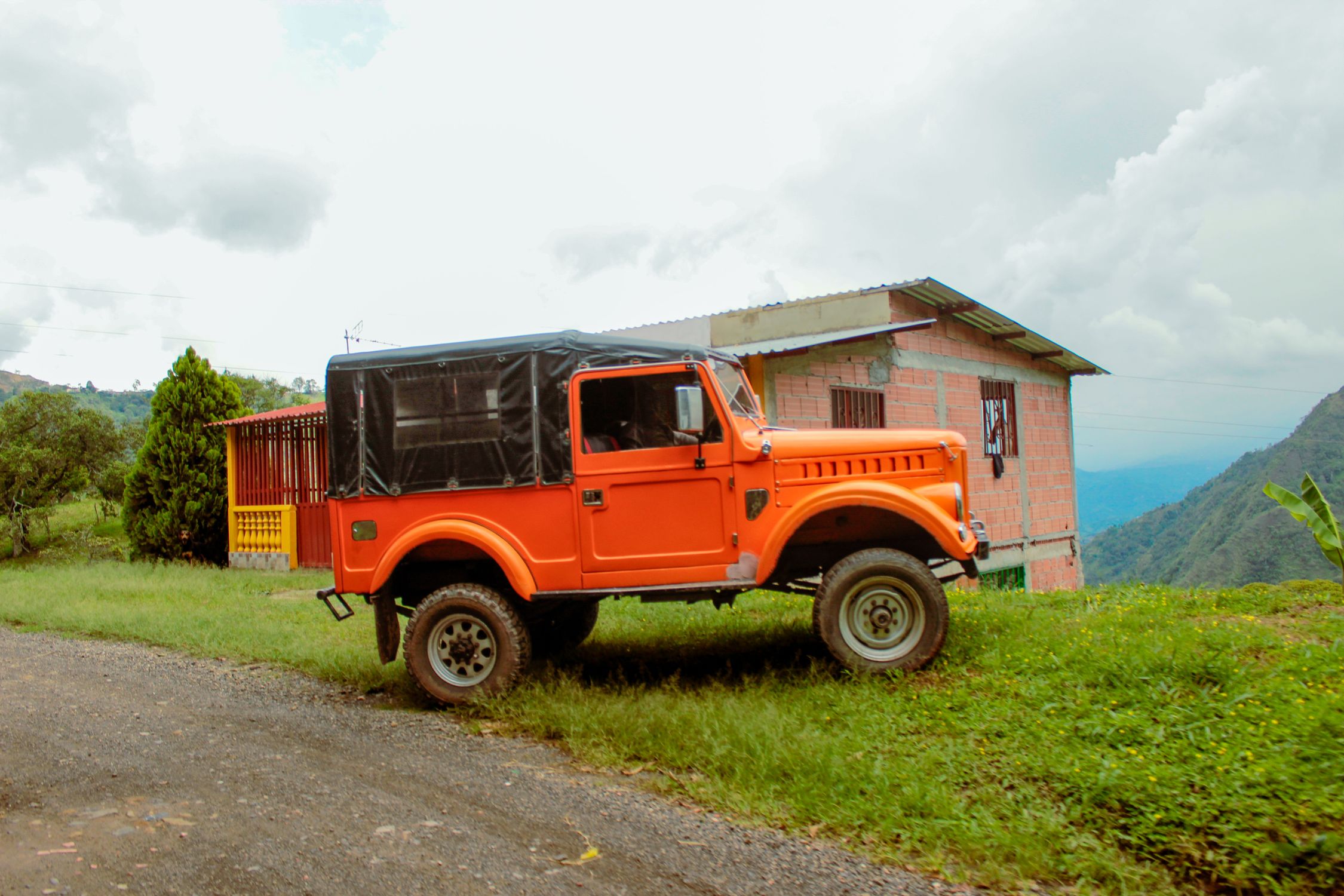
If you’re budgeting, the biggest swing comes from the season. Low-season (roughly May-October) 4x4 rentals start at $29 USD per day for basic liability coverage and climb to $39 USD when you add the optional extended package. High-season (December-April) rates jump to $52 USD basic and $62 USD extended - nearly double the low-season basic rate, so shifting your trip even a few weeks either side of December can meaningfully change the daily bill. Those numbers come straight from Jumbo Car’s published rate tables. By contrast, a non-4x4 economy sedan sits around $35-$45 USD per day, but you’ll quickly discover why the 4x4 is the most popular rental category among locals and tourists alike - its clearance and drivetrain are practically mandatory on Monteverde, Santa Teresa, and the gravel-spiked routes to Drake Bay.
When you’re ready to compare offers, the aggregator DiscoverCars pulls rates from all four Costa Rican operators - Adobe Rent a Car, Jumbo Car, Budget, and 4x4 Rent a Car - so you can see the daily cost for the vehicle you need side by side instead of opening four separate company sites.
One more line item worth tracking: pickup logistics. Adobe runs 14 offices nationwide and, per its own delivery policy, will bring the vehicle to you for free within a 12-mile radius of any of them, which is handy if your hotel isn’t near a rental counter. Confirm the radius and any drop-off fee with your chosen company before you book, since policies vary even when the daily rate looks similar.
Insurance Basics & Optional Coverage
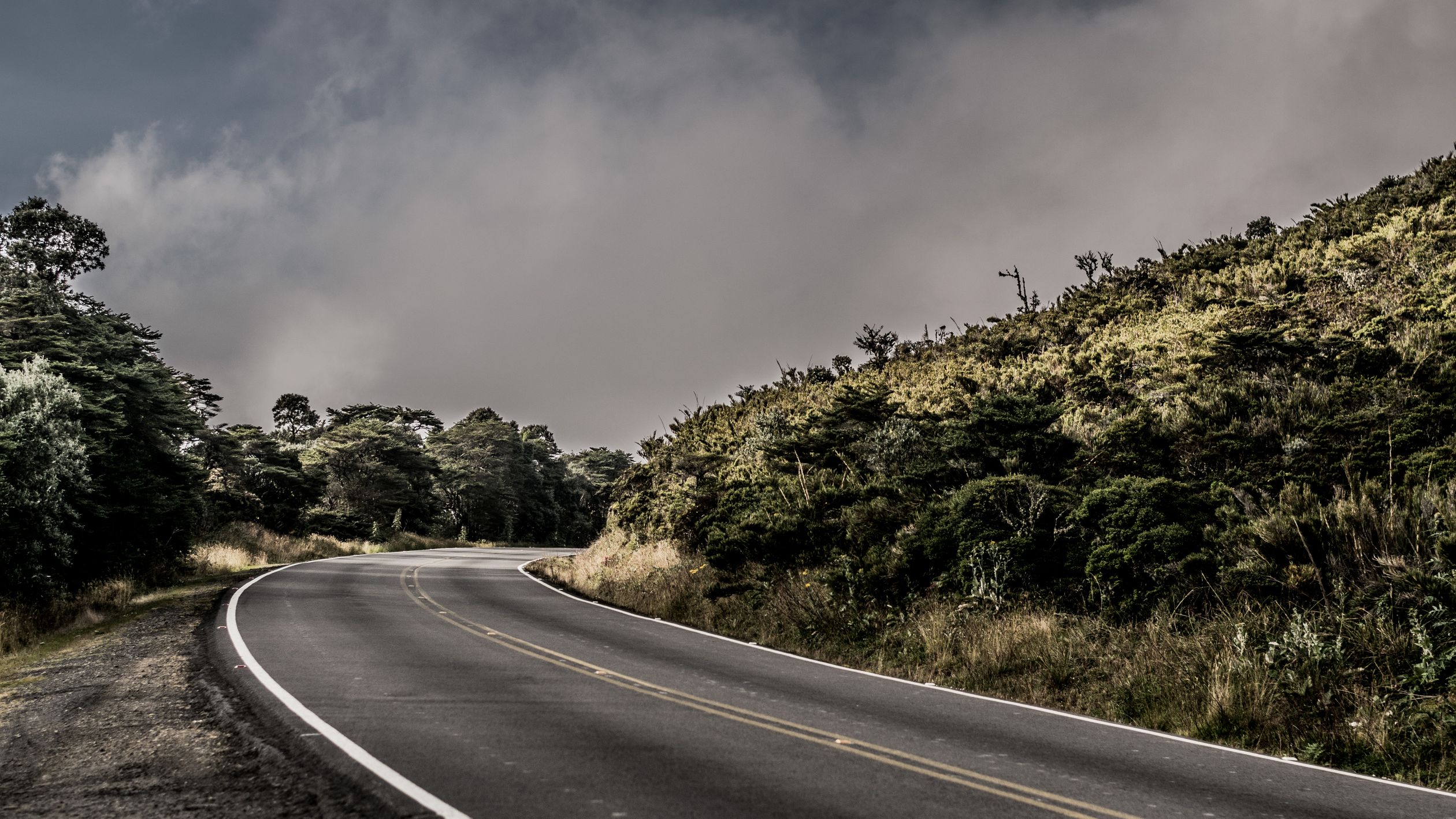
Costa Rican law mandates basic liability insurance on every rental - this covers third-party damage and is baked into the daily rate. All four providers include it automatically, so you won’t see a separate line item. Optional upgrades are where the real protection lives: collision-damage waiver (CDW), loss-damage waiver (LDW), theft coverage, and personal accident insurance. Adding the extended package not only lifts the daily price (see the $39/$62 figures above) but also unlocks CDW, which is essential if you plan to tackle off-road sections or steep mountain passes. Notice that the gap between basic and extended is a flat $10 a day in both seasons - a small line item next to the cost of repairing chassis or undercarriage damage on a gravel pass with no insurance behind you. Adobe requires you to purchase at least the basic coverage to release the credit-card hold, and the same rule applies across the board. If you already have a personal travel policy that covers rental cars, double-check the exclusions - some policies won’t honor damage on unregistered off-road use, which is a common pitfall for adventure crews.
Road Realities & Driving Tips
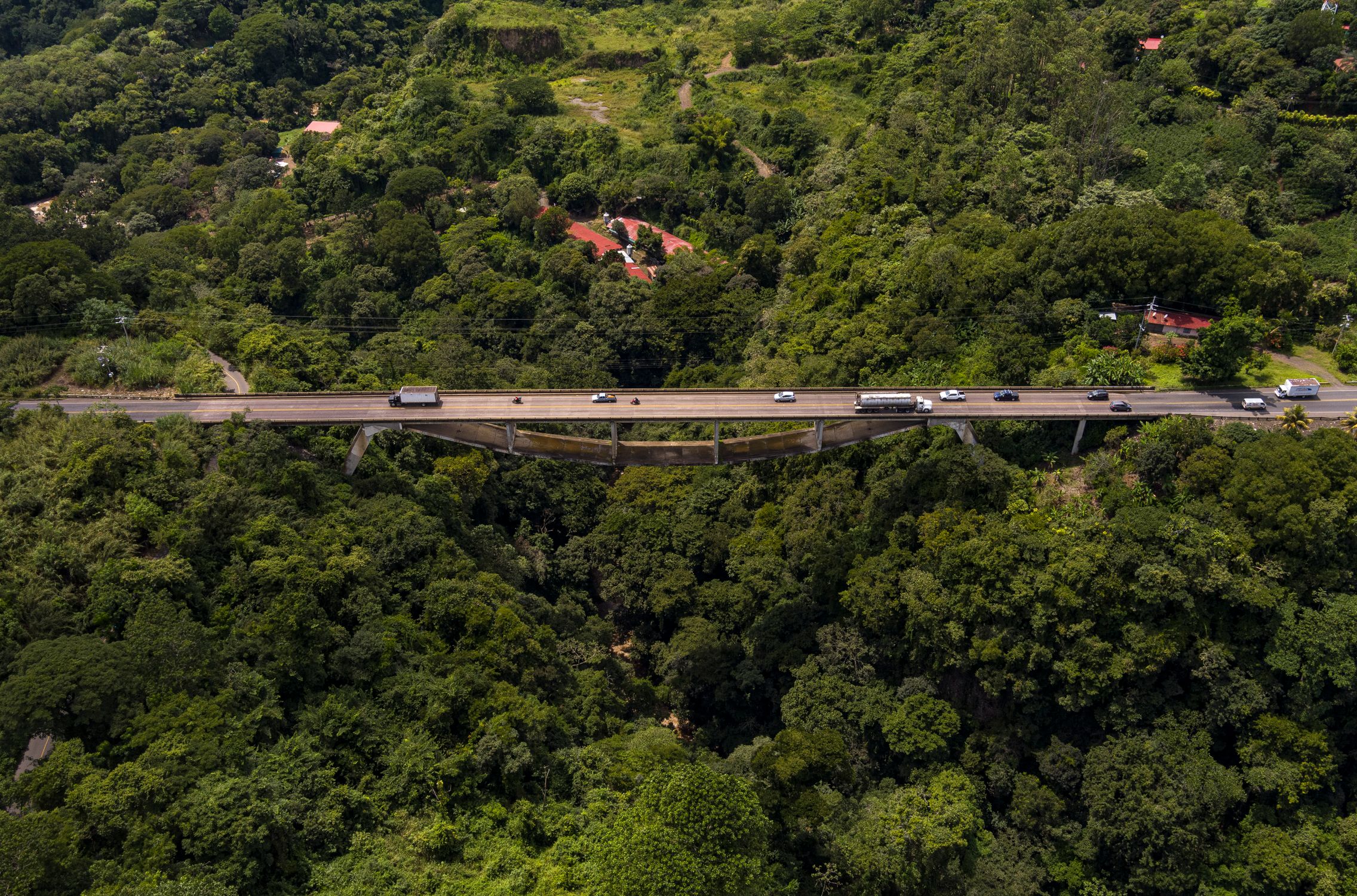
Costa Rica’s road network is a patchwork. The Autopista del Sol, a toll highway linking San Jose to the Pacific coast, is the only fully paved, high-speed corridor and requires electronic toll payment - ask your rental desk whether the car already carries a toll tag or whether you’ll need to settle tolls separately. Outside that spine, you’ll encounter gravel-filled mountain passes, pothole-riddled sections, and steep, winding climbs in Monteverde, the Nicoya Peninsula, and other remote stretches, especially once the rainy season turns dust to mud. Costa Rica’s road authority, MOPT (Ministerio de Obras Publicas y Transportes), maintains the paved backbone, but plenty of the routes adventure travelers actually want - toward Nosara, Rio Celeste, and the surf breaks past Santa Teresa - drop off that maintained network fast.
Practical driving etiquette: keep a low gear on long downhill runs, use the 4x4’s torque-split to maintain traction, and never attempt a river crossing - rental contracts explicitly forbid it and the fines are steep. Night driving on rural roads is discouraged; wildlife (coatis, iguanas) and unlit bends make visibility a gamble. When you reach a town, park in secure lots or ask your hotel for a gated space, since street parking in popular towns can be limited, particularly around Monteverde and the Nicoya beach towns during peak season. If you’re unsure whether a route is passable this week, a quick call to your rental company before you leave the lot is worth more than any online forum thread - their fleets are out on those roads daily and know which stretches are currently rough going.
What to Pack for 4x4 Adventures
A solid 4x4 rig is only as good as the navigation gear you strap to the dash. Here are three battle-tested GPS watches that survive the humidity, altitude, and endless trail loops of Costa Rica.
Garmin fenix 8 Solar Sapphire 51mm - The heavyweight champion of battery life, offering up to 149 hours of GPS tracking with solar trickle-charging, backed by a titanium build and a 40m dive rating that holds up at river-side camps. Multi-band GPS, GLONASS, Galileo, and BeiDou coverage plus a built-in LED flashlight round out the feature set, making it the pick for serious adventurers and expedition athletes who want maximum runtime and full-featured navigation in one watch. The trade-offs are real: it’s a premium buy at $1,199.99, and at 89g on the wrist it’s the heaviest of the three. Garmin fenix 8 Solar Sapphire 51mm
COROS VERTIX 2S Adventure GPS Watch - A lighter-priced alternative that still delivers 118 hours of GPS and a 40-day smartwatch battery, wrapped in a sapphire scratch-resistant screen and titanium bezel, with a 100m water rating for river crossings on foot or sudden downpours. Dual-frequency GPS shines in canyons where signal bounce is a problem, making it a strong fit for trail runners, mountaineers, and adventure athletes who want premium GPS at a better price than the Garmin. It runs about $699.00, and the trade-offs are a smaller third-party app ecosystem than Garmin’s and no built-in flashlight. COROS VERTIX 2S Adventure GPS Watch
SUUNTO Vertical Adventure GPS Solar Watch - The most screen real estate of the trio, with a 1.4-inch color touchscreen, solar-assisted 60-day battery life, a 100m water rating, and 95-plus sport modes with detailed training metrics. Offline maps come pre-loaded, which suits hikers and multisport athletes who want a big display and don’t mind trading some GPS-only runtime (85 hours) for screen size. Expect to pay $649.00; know going in that the touchscreen can lag in cold conditions and heart-rate accuracy trails a dedicated chest strap. SUUNTO Vertical Adventure GPS Solar Watch
Beyond the watch, pack a compact waterproof dry-bag for your electronics, a high-visibility safety vest, and a spare tire kit (most rentals include a spare, but verify the jack and lug wrench are present). A portable tire inflator and a basic first-aid kit round out the essentials for any back-country push. A printed backup map is worth the glovebox space too - cell coverage thins out fast on the same remote mountain stretches these 4x4 routes are built for.
Common Mistakes & FAQ
Mistake #1 - Ignoring the “no river crossing” rule. Rental contracts are clear: you cannot drive a rental through any waterway, regardless of depth. The penalty can be the full value of the vehicle plus loss-damage fees. If you need to ford a stream, hire a local guide with a purpose-built vehicle.
Mistake #2 - Skipping extended insurance for off-road days. The basic liability coverage won’t protect the rental’s own chassis or mechanical components. When you add CDW/LDW you gain peace of mind on Monteverde’s steep, pothole-laced roads.
Mistake #3 - Forgetting to check the toll tag status. The Autopista del Sol’s electronic toll system will bill the rental company, which in turn charges you later. Missing the tag can result in a hefty surcharge.
Mistake #4 - Assuming street parking will be waiting for you. Popular basecamps like Monteverde and the Nicoya beach towns fill up fast in high season. Ask your hotel about secure or gated parking when you book rather than hunting for curb space after dark.
FAQ
Q: Do I need an International Driving Permit? A: Only if your licence isn’t in a Latin-script language. Adobe notes the IDP is required in that case.
Q: Can I pick up in San Jose and drop off in Liberia? A: Yes. Most firms allow one-way drop-offs, often with a small fee. Adobe even offers free delivery within a 12-mile radius of its offices, so coordinate pick-up accordingly.
Q: Are there mileage limits? A: Standard rentals include unlimited kilometers. Only special “tourist-package” deals sometimes impose caps, so read the fine print.
Q: What’s the best time of day to drive on gravel roads? A: Early morning when the ground is dry. Avoid late-afternoon rain showers that turn loose stone into slick mud.
Q: Is a spare tire mandatory? A: All rentals come with a spare, but verify the condition and that you have the correct tools before hitting the trail.
Q: Is it safe to book with a smaller local company instead of a big international brand? A: Costa Rica’s local operators are often ICT/CANATUR-certified - Jumbo Car, for instance, holds both credentials - so certification status is a fair thing to ask about when you’re comparing an unfamiliar name against one you already know.
None of this is complicated once you’ve seen it laid out: confirm your age and licence against the right company, budget for the season you’re actually traveling in, buy the extended coverage before you touch a gravel pass, and pack navigation gear that doesn’t quit when the trail does. Handle those four items before you leave the counter and the rest of the trip is just driving toward whatever coastline or cloud forest you came for.
Related Reading
Get price-drop alerts and new guides from BoldTripGuide
One email a week: price drops on the gear we recommend, new guides, and what changed. No spam, unsubscribe anytime.