Norway Car Rental Guide 2026: What Adventurers Need to Know
Gear up for Norway's epic roads in 2026. Learn rental costs, age rules, tolls, winter tire laws, and essential gear to keep your adventure on track.

This post may contain affiliate links. Disclosure
Norway’s jagged fjords, glacier-carved valleys, and endless daylight in summer make it a magnet for climbers, surf-chasers, and back-country trekkers. But the freedom to chase sunrise from a remote trailhead to a hidden surf spot hinges on one thing: a reliable set of wheels. In 2026 the rental market is mature, the toll system is fully automated, and winter-tire rules are non-negotiable. This guide strips away the fluff and gives you the hard numbers, legal must-knows, and practical hacks you need before you hand over that credit card and hit the road.
Short answer: Norway’s minimum rental age runs 19 to 21 depending on the company and vehicle class, and every major operator adds a young-driver surcharge under 25. Economy hatchbacks typically cost $37-48 USD a day, with May and December the cheapest months nationwide at roughly $43 and $45 a day respectively.
Requirements & Documentation 
Renting a car in Norway is straightforward, but the paperwork can trip up anyone who assumes it works like a weekend car-share in the States.
- Age - Minimum age ranges from 19 to 21 depending on the rental company and vehicle class. All major operators - Hertz, Budget, Europcar, Sixt, Alamo, Enterprise, Thrifty, Hyre - apply a young-driver surcharge for renters under 25. That surcharge stacks with whatever age floor the vehicle class carries, so a 22-year-old renting a compact hatch generally pays less overall than the same driver booking an SUV with a higher age floor.
- License tenure - You must have held a full, valid driver’s license for at least one year before you can pick up the keys. Check your license issue date before you book; this isn’t something a desk agent can waive.
- ID - A passport or national ID card is required at pickup. If your license is not in the Roman alphabet or issued by a country that Norway does not automatically recognize, you’ll need an International Driving Permit (IDP) - arrange this before you leave home, since a rental desk can’t issue one on the spot.
- Credit card - A credit card is mandatory for the security deposit; prepaid cards, debit cards, and cash are not accepted, as confirmed by Auto Europe. Showing up with only a debit card is one of the most common reasons travelers get turned away at the counter.
- Insurance proof - Fire and third-party liability insurance is required by law and is already baked into every rental contract (Auto Europe), so you’re covered the moment you drive off the lot. The next section breaks down what that minimum layer does and doesn’t cover.
Double-check the age policy for the specific class you want; a compact hatchback may have a lower minimum than a 4x4, and some firms will refuse to rent certain models to drivers under 21 outright.
Cost Breakdown by Vehicle Class & Season 
Understanding the price bands helps you lock in the best deal before the high-season rush.
| Vehicle class | Typical daily rate (USD) | Seasonal notes |
|---|---|---|
| Economy (e.g., compact hatchback) | $37-48 | Nationwide, the cheapest months to rent are May ($43/day) and December ($45/day), per Skyscanner. |
| Small car | $60 average in Bergen | Drops to roughly $42/day in February, the cheapest month for this class in Bergen, per momondo. |
Bergen swings the hardest by season: the city’s overall average sits at $131-169/day across vehicle classes depending on when you book (momondo), yet shopping company-by-company can undercut that considerably - Hertz, Alamo, and Enterprise recently posted Bergen’s lowest daily rates at $37.28, $45.62, and $58.01 respectively (KAYAK). That gap between the city-wide average and the best individual-company rate is the single biggest lever you have on cost, so compare operators directly rather than assuming one flat “Bergen price.”
If you’re chasing the fjords in summer, book an economy or small car in May to land near that $43/day average. For winter adventures, budget for the upper end of whatever band you’re in, since mandatory winter-tire fitting (more on that below) is bundled into the rate rather than charged as an extra line item. Premium and 4x4 categories aren’t broken out in the pricing data available for this guide - treat any “premium” quote as company-specific, and weigh it against the 4x4-value guidance in the FAQ further down before committing to the higher band.
When you’re ready to compare, the DiscoverCars platform aggregates all operators and lets you filter by price, vehicle type, and pickup location in one clean view.
Insurance & Liability Basics 
Norwegian law mandates fire and third-party liability coverage on every rental, so you’re never left without the bare minimum (Auto Europe). That coverage protects you against damage to the rental vehicle from fire and against claims from third parties for injuries or property damage - it’s baked into the contract price, so you don’t choose it or pay extra for it.
Beyond the mandatory layer, most companies sell optional add-ons:
- Collision Damage Waiver (CDW) - Reduces your out-of-pocket expense if the car is damaged in an accident. Since the mandatory fire/liability layer doesn’t extend to collision damage on the rental itself, CDW is the piece that actually protects your deposit if you clip a guardrail on a mountain pass.
- Theft Protection - Covers loss or damage from theft or attempted theft, which matters if you’re parking at trailheads or remote surf breaks overnight rather than in a monitored lot.
- Toll & Ferry Administration Fees - Some firms bundle these into the rental price; others bill them separately with a small per-transaction surcharge (Life in Norway).
Ask the desk whether tolls are automatically billed through the built-in AutoPASS chip or if you’ll need to register for a separate account. The billing method doesn’t change what you owe for the toll itself, but an added per-transaction admin fee can add up over a multi-day mountain route, so it’s worth asking before you sign.
Road Realities: Tolls, Winter Tires, and Seasonal Closures 
Norway’s road network is a blend of high-tech tolls and ancient mountain passes that close with the seasons.
AutoPASS Toll System
All major roads, tunnels, and ferries are part of AutoPASS, the automated toll system run by the Norwegian Public Roads Administration (AutoPASS). Rental cars arrive pre-fitted with a chip or are tracked by license-plate cameras, and the rental company registers the vehicle with AutoPASS on your behalf so tolls are billed automatically rather than requiring you to stop and pay at a booth (Life in Norway). After your trip, the rental company sends you a consolidated bill - sometimes with an added administrative fee on top of the toll itself. Confirm at pickup whether that admin fee applies and how it’s calculated, since it’s the line item that varies most between operators.
Winter Tires
From November 1 through Easter, winter tires are legally required (Auto Europe). Rental fleets automatically switch to winter-treaded rubber during this window, so you won’t have to buy or fit them yourself - it’s part of the standard rental rather than an upgrade. If you’re traveling in shoulder months (April/May or September/October), keep an eye on conditions; storm-driven convoys are occasionally mandated for safety even outside the official winter window.
Seasonal Mountain Pass Closures
Iconic routes such as Trollstigen and Fv55 Sognefjellet shut down for the winter (Guide to Lofoten). Additional high-altitude roads - Fv257 Gamle Strynefjellsvegen and parts of Fv243 near Aurland - also close. Even when the official season is open, sudden snowstorms can force temporary closures in spring and autumn (Visit Norway), so a pass being “open for the season” on paper doesn’t guarantee it’s passable the day you arrive. Before you set out, check the latest status on Statens Vegvesen rather than relying on a seasonal calendar alone.
Practical Tips for Remote Driving
- Snow chains - Ask the rental desk if chains are available; they’re required on certain back-country roads if conditions demand.
- Fuel type - Norwegian fleets mix gasoline and diesel. Confirm at pickup to avoid refueling mishaps, especially at a rural station without attendant help.
- Convoy driving - In severe weather, authorities may require vehicles to travel in groups with a lead car guiding through fog or avalanche risk zones; if you hit one of these convoys, plan for the pass to take longer than your map estimate suggests.
Booking Tips & Mistakes to Avoid 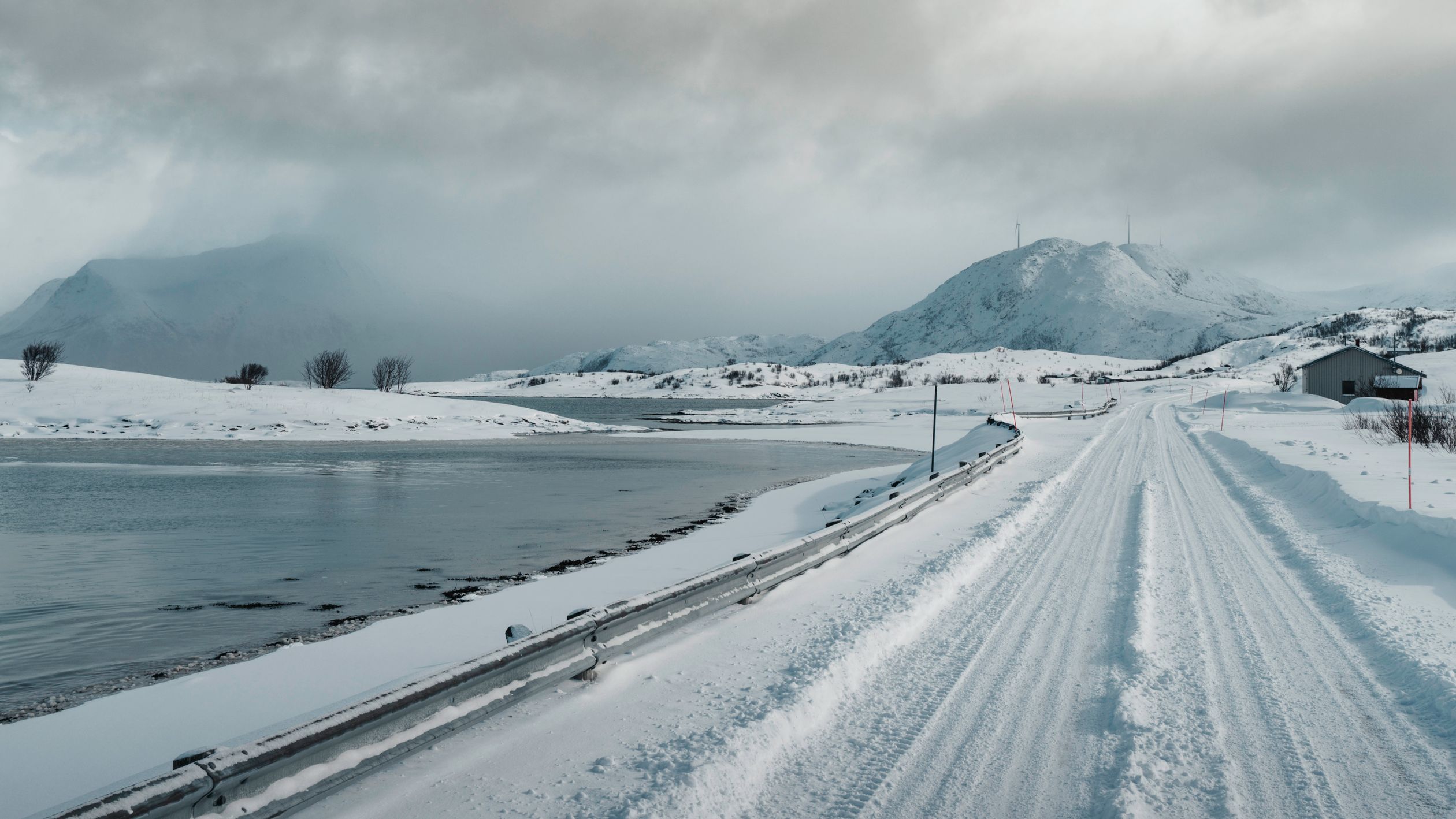
Even seasoned adventurers slip up on the paperwork or timing. Here’s a quick FAQ-style checklist.
When should I book?
- May offers the lowest average daily rate ($43) and decent weather for early-season hikes (Skyscanner).
- December is the second-cheapest month ($45) but expect winter conditions and mandatory winter tires.
Do I need to pre-register for AutoPASS?
- No, rentals are already linked. However, ask whether the company adds a per-toll admin fee; some do, some don’t (Life in Norway).
Do I need an International Driving Permit?
- Only if your license isn’t in the Roman alphabet or was issued by a country Norway doesn’t automatically recognize. If in doubt, get one before you fly - it’s a same-day process at home but not something a rental desk can produce for you.
What happens if I only have a debit or prepaid card?
- You won’t be able to complete the rental. A credit card is mandatory for the security deposit, and Auto Europe confirms prepaid cards, debit cards, and cash are not accepted for this purpose - bring a credit card even if you’d rather settle the final bill another way.
What’s the biggest hidden cost?
- Young-driver surcharges can add $10-$20 per day for renters under 25. Optional CDW and theft protection can also push the total above the advertised rate.
Can I pick up in one city and drop off in another?
- Yes, but one-way fees vary by company. Budget and Europcar often have lower inter-city fees than premium brands.
Is it worth renting a 4x4 for fjord drives?
- For paved routes, a compact SUV is sufficient. If you plan to tackle gravel passes like Fv257 or remote valleys, a 4x4 gives you clearance and traction, but it comes with a higher daily price.
Common mistake: Forgetting to verify whether the rental includes toll administration. End up paying extra after the trip, which can be avoided by confirming at the desk.
What to Pack
Your vehicle will get you to the trailhead, but the right gear keeps you moving once you’re off-road.
Garmin fenix 8 Solar Sapphire 51mm
The Garmin fenix 8 Solar Sapphire 51mm ($1,199.99) is built for serious adventurers and expedition athletes who need maximum battery life and full-featured navigation. Its 1.4” solar sapphire touchscreen pairs with multi-band GPS/GLONASS/Galileo/BeiDou tracking and stretches to up to 149 hours of GPS use on solar charge (48 days in smartwatch mode) - the kind of runway you want when a fjord crossing or a multi-day trek leaves you far from an outlet. It’s dive-rated to 40m with a titanium build and packs a built-in LED flashlight, useful the moment a closed pass or a convoy delay pushes your day past dusk.
- Pros: Up to 149 hours of GPS battery with solar charging; dive-rated to 40m with titanium build; built-in LED flashlight and dual-frequency GPS.
- Cons: Premium price over $1,100; heavy at 89g compared to rivals.
COROS VERTIX 2S Adventure GPS Watch
The COROS VERTIX 2S ($699.00) is the pick for trail runners, mountaineers, and adventure athletes who want premium GPS at a better value. It matches a 1.4” sapphire crystal touchscreen with dual-frequency GPS/GLONASS/Galileo/BeiDou for precise tracking even in narrow fjord canyons where signal bounces off rock walls, and it holds 118 hours of full GPS tracking (40 days in smartwatch mode) on a titanium-bezel build.
- Pros: 40-day battery in daily mode, 118-hour full GPS; sapphire scratch-resistant screen with titanium bezel; dual-frequency GPS for precise tracking in canyons.
- Cons: Smaller third-party app ecosystem than Garmin; no built-in flashlight.
SUUNTO Vertical Adventure GPS Solar Watch
The SUUNTO Vertical ($649.00) suits hikers and multisport athletes who prioritize a large screen and solar battery endurance over top-tier ruggedness specs. Its solar-assisted battery runs 60 days in daily mode with 85 hours of GPS tracking, and the large 1.4” touchscreen ships with free global offline maps plus 95+ sports modes - handy for switching between driving-adjacent hikes, surf checks, and glacier walks on the same trip.
- Pros: 60-day battery in daily mode with solar assist; large 1.4” touchscreen with free global offline maps; 95+ sports modes with detailed training metrics.
- Cons: Touchscreen can lag in cold conditions; heart rate accuracy lags behind a chest strap.
Pack a portable tire pressure gauge, a compact shovel, and high-visibility vests for any unexpected road closures. A universal car charger for your watches and phone will keep navigation alive on long ferry rides.
Related Reading
Get price-drop alerts and new guides from BoldTripGuide
One email a week: price drops on the gear we recommend, new guides, and what changed. No spam, unsubscribe anytime.