Patagonia Argentina Car Rental Guide 2026: What to Know
2026 guide to renting a car in Patagonia, Argentina: requirements, price bands, insurance, Ruta 40 road tips, booking hacks, and essential gear picks.

This post may contain affiliate links. Disclosure
Patagonia’s wild expanse rewards the bold with towering glaciers, wind-swept steppe, and endless horizons. But the region’s sheer size means you’ll spend most of your time behind the wheel, chasing the next trailhead or ice-climbing crag. In 2026 the rental market is more competitive than ever, yet the rules haven’t changed: you need the right paperwork, a clear picture of costs, and a solid plan for the gravel-strewn Ruta 40. This guide strips away the fluff and delivers the exact checklist, price bands, insurance hacks, and packing must-haves you need to keep the adventure rolling and the stress low.
Short answer: Argentine Patagonia requires a licence printed in the Roman alphabet, a passport, and a credit card for the guarantee hold; the minimum age is 21 with a surcharge under 25. Economy cars run $19-44 USD a day and intermediates $40-84. Manuals dominate the fleets, and automatics can cost roughly double.
Requirements & Documentation
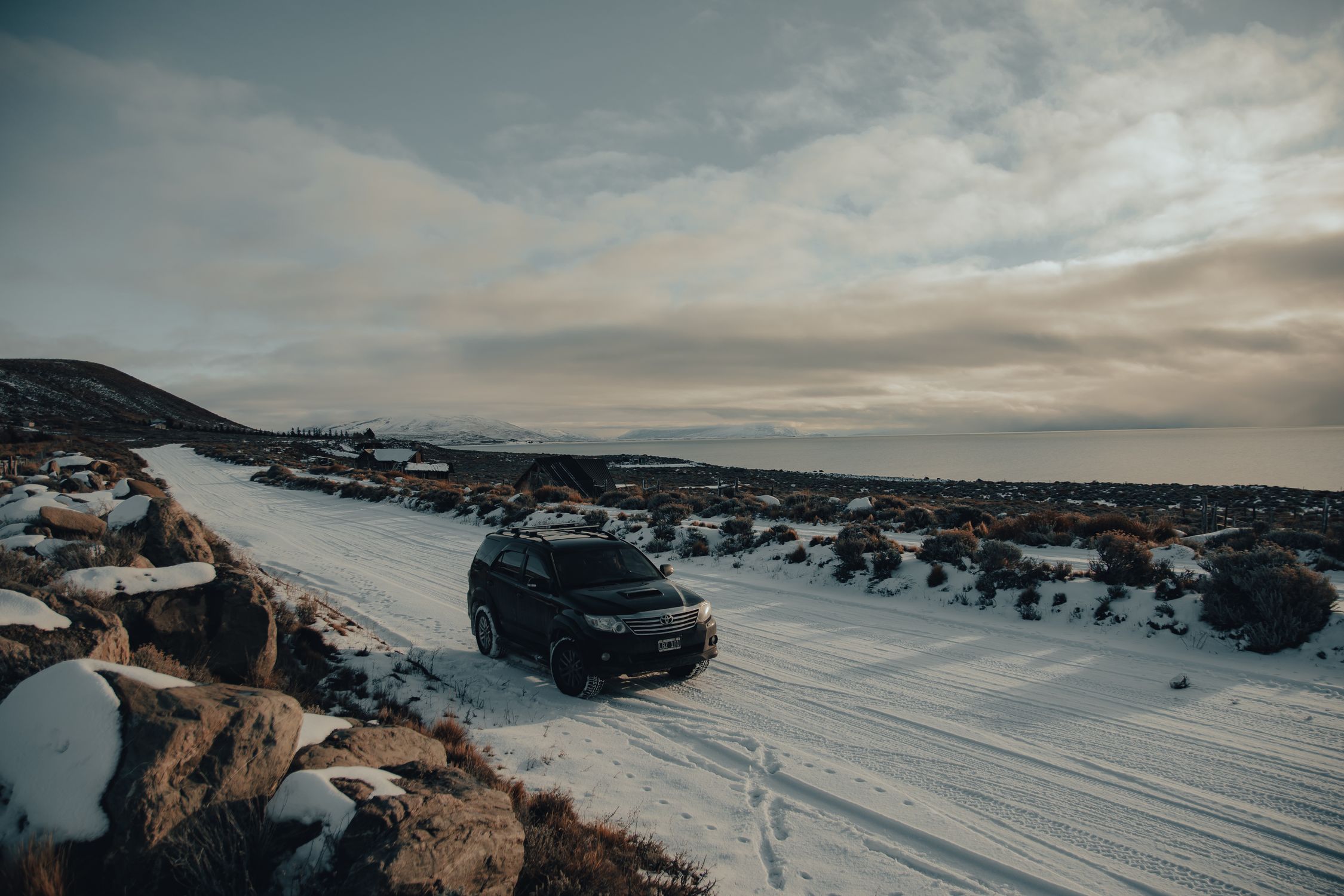
Renting a car in Argentine Patagonia is straightforward if you bring the basics:
| Requirement | Details |
|---|---|
| Driver’s licence | Must be printed in the Roman alphabet. An International Driving Permit (IDP) is accepted but not mandatory. |
| Minimum age | 21 years. Companies often add a surcharge for drivers under 25 years (Expats Focus). |
| Passport | Required for identity verification at pickup. |
| Credit-card | Needed for the guarantee hold; the hold covers the insurance excess and can be several hundred dollars (Kayak). |
| Insurance form (Chile-Argentina) | If you plan to cross into Chile, arrange the cross-border insurance form with the rental company before you leave (Wanderlust Designers). |
Double-check that the credit limit on your card can accommodate the hold; a low limit can lead to a denied reservation at the desk. It’s also worth knowing who’s actually renting to you: alongside the international names, Patagonia’s counters are shared by regional operators including Adel Rent a Car, Altos de Punta Arenas, Mitta, Nunatak, Localiza, and Servi Car, plus Keddy by Europcar, Avis, Europcar, Hertz, and Sixt. The regional players often run smaller lots at El Calafate, Bariloche, and Ushuaia airports and can undercut the majors on walk-up rates, but their online booking systems are less polished, so confirm your reservation by phone a few days out. None of this paperwork is unique to Patagonia — it’s the same checklist Argentina requires nationwide — but enforcement at rural, low-traffic counters can run stricter than at a Buenos Aires airport desk, since staff have fewer backup options if your documents are incomplete.
Vehicle Classes & Price Bands
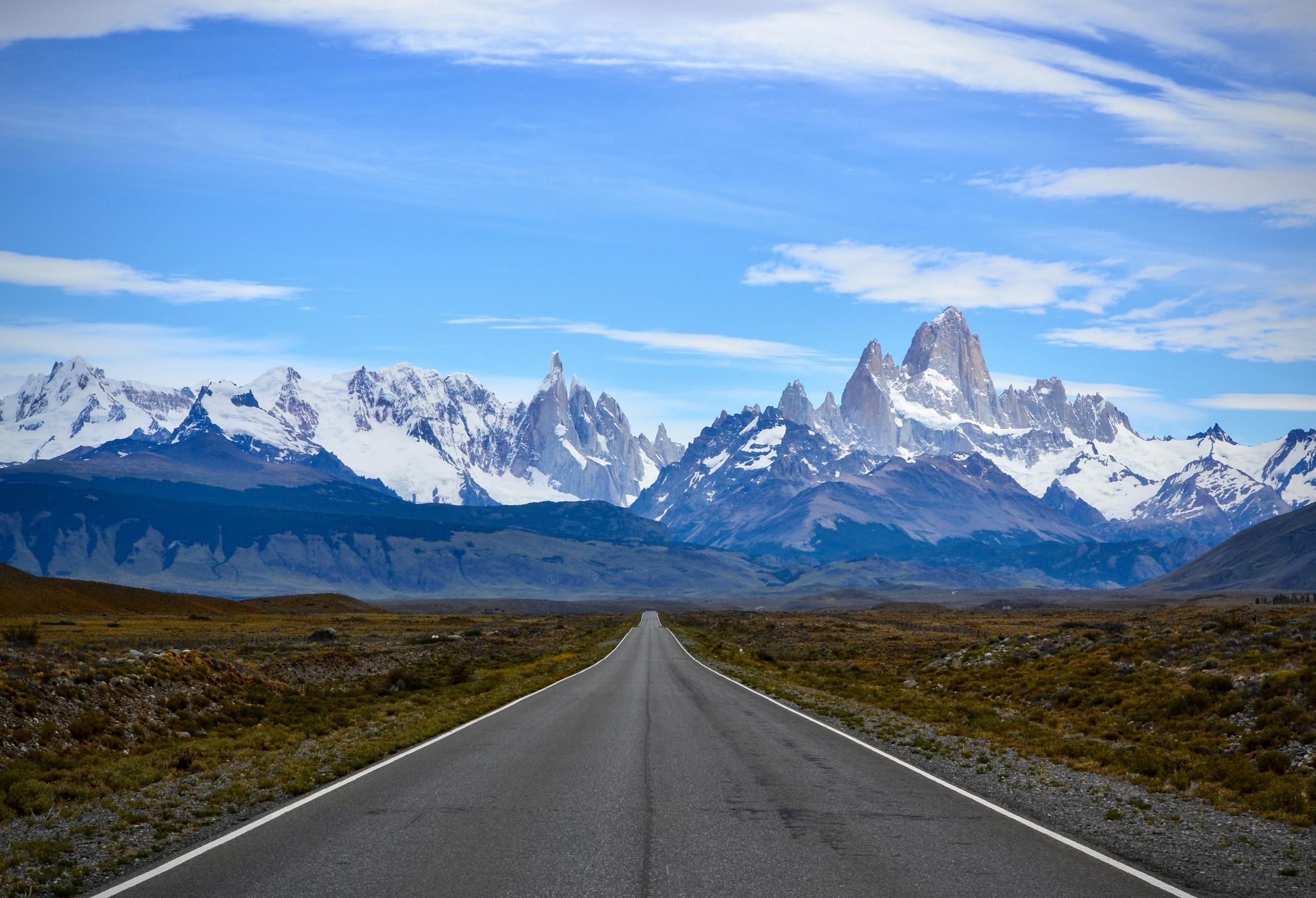
Patagonia’s rental fleets are dominated by manual transmissions, and automatics can cost roughly double (Wanderlust Designers). Choose the class that matches your itinerary and budget:
| Class | Typical models | Daily rate (USD) |
|---|---|---|
| Economy | Kia Rio, Renault Sandero | $19-44 |
| Intermediate | Fiat Cronos | $40-84 |
| Full-size | Volkswagen | $45-93 |
| SUV | Mazda CX-5 | $90-117 |
| Van | Hyundai Staria | $128 |
| Pickup truck | — | $124 |
The cheapest month to rent is September, where rates average $35-47 USD/day (Kayak). If you’re comfortable on a 2-WD manual, you can shave 30-50% off the price versus an automatic or 4-WD (Wanderlust Designers). For most of Ruta 40, a 2-WD is sufficient; 4-WD becomes valuable only on remote side-roads or after heavy snowfall. Pickup trucks and vans cost more per day but earn their keep if you’re splitting fuel and gear costs across a group of four or more — the per-person math often beats two economy cars once tolls and parking are factored in. Bottom line for gear-forward travelers: a manual Fiat Cronos or Volkswagen intermediate handles Ruta 40’s gravel and potholes just fine, so don’t overspend on an SUV unless you’re hauling climbing racks, dive gear, or a full carload of camping kit. Save the premium-class budget for where it actually matters — your GPS watch, recovery gear, and insurance.
Insurance & Cross-Border Essentials
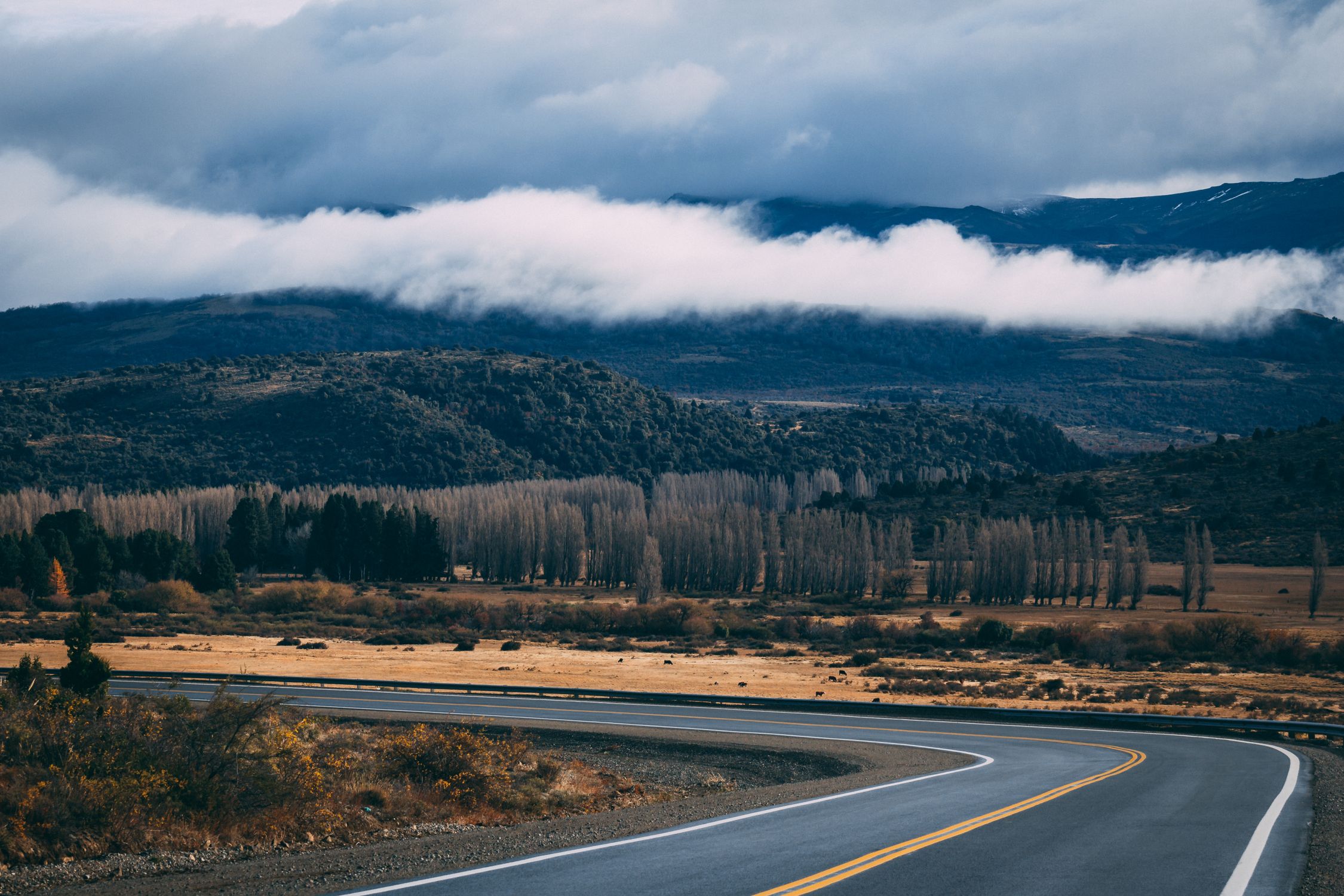
Argentine law mandates third-party liability coverage — this is included in every rental quote. Beyond that, consider:
- Collision Damage Waiver (CDW) — Optional but recommended. It reduces your out-of-pocket expense if the vehicle is damaged. Some credit-cards offer excess coverage that rental companies may accept in place of CDW (Kayak).
- Cross-border insurance — A special form is required for Chile-Argentina travel. Arrange it with the rental agency before you cross; the form is not a separate purchase but a paperwork add-on (Wanderlust Designers).
- Excess hold — The credit-card hold covers the deductible. Verify the amount before you sign; it can be several hundred dollars.
If you’re a seasoned backcountry rider with a solid credit-card, you might skip the CDW and rely on your card’s coverage, but keep the rental company’s policy language handy in case of a claim. This matters most around Bariloche and the Lake District crossings, where border-post staff will ask to see the cross-border form before they’ll wave a rental car through — showing up without it means turning back and losing the day. None of these forms are expensive on their own, but skipping the paperwork step is the single most common way a Patagonia road trip gets derailed before it even starts — more often than a flat tyre or a canceled flight.
Road Realities on Ruta 40 and Beyond
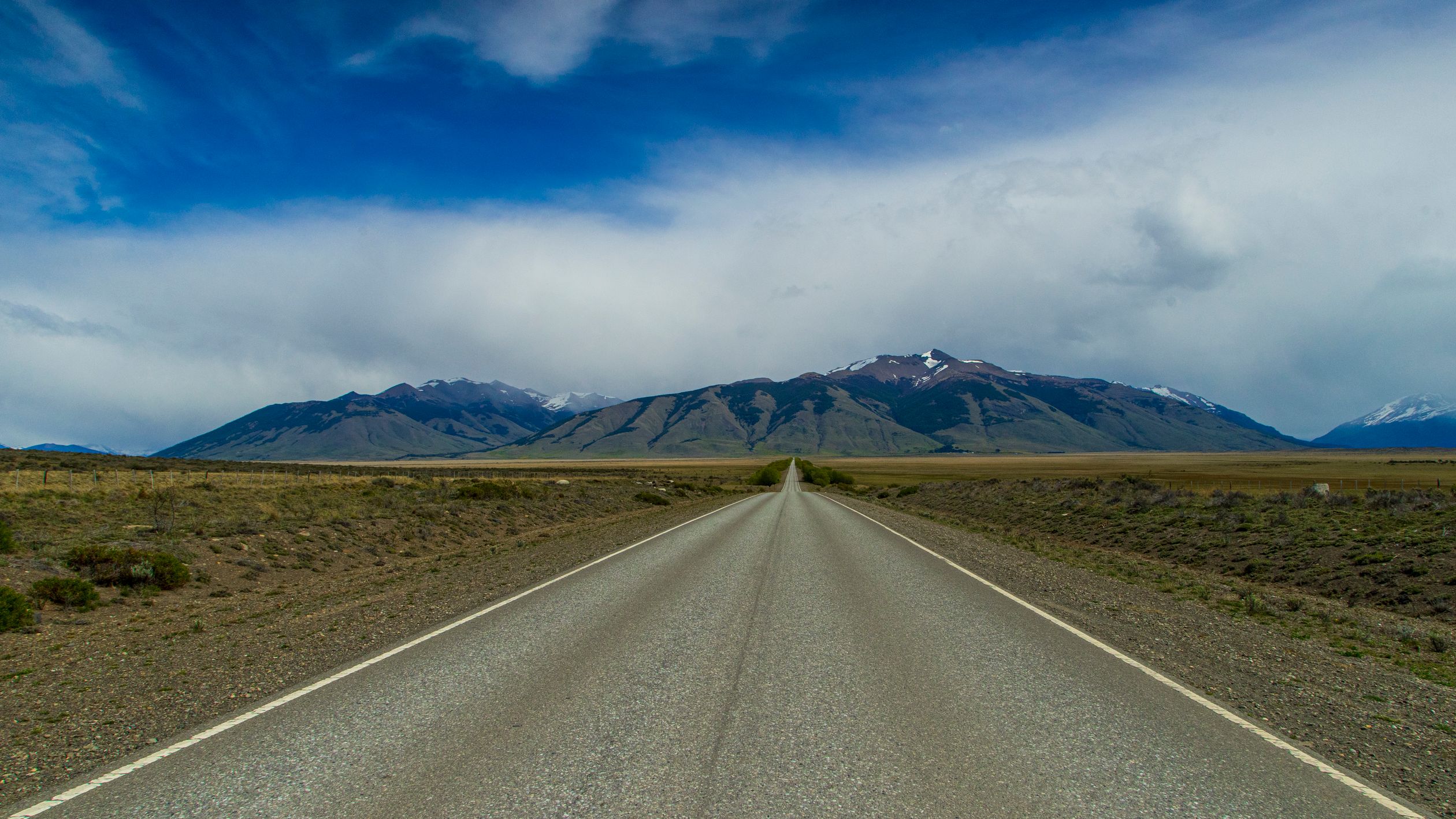
Ruta 40 stretches over 1,400 km through Patagonia, alternating between paved sections and long gravel stretches riddled with potholes (Patagonia Hub). The Ruta 40 tourism board publishes current road-condition updates worth checking before you commit to a route. Here’s what you’ll actually encounter:
- Surface — Most of the iconic stretch is gravel; the road is well-maintained but full of potholes that can damage low-clearance cars. A spare tyre and basic tools are a must.
- 4-WD — Not required on the main paved sections; a 2-WD manual handles the majority of the route (Wanderlust Designers). Reserve 4-WD for side-roads to remote glaciers or after heavy snow.
- Tolls — Major highways have toll booths. Payments are accepted via the TelePASE electronic tag or cash. Current rates are published by the Dirección Nacional de Vialidad.
- Fuel — Stations are sparse between El Calafate and El Chaltén. Fill up in the larger towns; treat the stretch as a “fuel desert.”
- Parking — Town parking is limited; free roadside parking is common but watch for private-property signs.
- Border crossings — Queues can build quickly in summer. Start early and have your cross-border insurance form ready.
Plan daily mileage around 150-200 km to keep fuel stops manageable and give yourself buffer time for unexpected road work. The Perito Moreno stretch pictured above is a fair sample of what to expect for hundreds of kilometers at a time: straight, exposed, and utterly reliant on you having enough fuel and a spare tyre before you commit to it.
Booking Strategies & Savings Hacks

The rental market spikes during the Southern Hemisphere summer (December-February). To lock in the best rates:
- Book early — Aim for at least 40 days ahead. Kayak shows price drops of roughly 20% when you reserve early.
- Manual 2-WD — Choose a manual transmission; you’ll save 30-50% versus an automatic (Wanderlust Designers).
- Compare platforms — Use a meta-search like DiscoverCars to scan the fleet of Adel Rent a Car, Hertz, Sixt, and others in one view.
- Flexible drop-off — Returning the car in a different town (e.g., El Chaltén) adds a fee of about AR$5,000 (~$50) (Wanderlust Designers). Weigh the convenience against the cost.
- Credit-card perks — Some cards waive the under-25 surcharge or provide free CDW; check your benefits before you book.
- Avoid peak days — If your itinerary allows, schedule border crossings on weekdays; queues are lighter and you’ll spend less time idling.
By stacking these tactics you can keep the total rental cost well below the $100-day ceiling that many travelers assume is mandatory. Worth noting: none of these hacks require giving up flexibility — booking 40 days out still leaves room to shift dates once, and most of the operators above will rebook without a fee if you call rather than cancel online.
What to Pack for Remote Patagonia Drives
When you’re miles from the nearest service station, the right gear can be the difference between a smooth day and a stranded night.
Garmin fenix 8 Solar Sapphire 51mm ($1,199.99) — The solar-charged battery gives up to 149 hours of GPS tracking, perfect for multi-day treks where charging opportunities are scarce. Its dive-rated 40 m titanium case handles sudden weather swings, and the built-in flashlight is a lifesaver after dark. The catch: it’s a premium buy north of $1,100, and at 89 g it’s noticeably heavier on the wrist than its rivals.
COROS VERTIX 2S Adventure GPS Watch ($699.00) — Offers 40-day smartwatch battery life and dual-frequency GPS for canyon accuracy. At $699 it’s a solid value for climbers who need precise altitude data without the premium price tag of the Garmin. It skips the built-in flashlight, though, and its third-party app ecosystem is thinner than Garmin’s.
SUUNTO Vertical Adventure GPS Solar Watch ($649.00) — Solar assistance pushes the smartwatch battery to 60 days, and the large 1.4” touchscreen displays offline maps — handy when you’re navigating unmarked glacier approaches. The touchscreen can lag in cold conditions, and its optical heart-rate reading trails a dedicated chest strap, so treat the fitness metrics as a rough guide rather than gospel.
Beyond watches, pack a spare tyre, a compact tire-inflator, a basic tool kit, and a high-visibility jacket. A portable power bank that can charge a phone and a GPS watch is also essential; the long stretches between stations mean you can’t rely on car chargers alone.
A quick gut-check before you leave the rental lot: test your GPS watch’s offline maps while you’re still in cell range. Once you’re past El Calafate or deep into the Lake District, phone coverage drops fast, and a phone alone — burning battery hunting for signal — is not a substitute for a dedicated GPS device with a multi-day charge. Treat the watch as your primary navigation backup, not an accessory.
Common Mistakes & How to Dodge Them
Even seasoned adventurers slip up. Here’s a quick FAQ-style run-through of the most frequent errors and the fixes you need.
Q: “Do I need a 4-WD for Ruta 40?” A: No. A 2-WD manual handles the majority of the route. Reserve 4-WD only for side-roads to remote glaciers or heavy snow (Wanderlust Designers).
Q: “Can I cross into Chile with any rental?” A: Only if the company provides the cross-border insurance form. Arrange it before you leave; otherwise you’ll be turned back at the checkpoint (Wanderlust Designers).
Q: “Is the credit-card hold a problem for me?” A: It can be. The hold covers the insurance excess and can be several hundred dollars. Ensure your card limit exceeds the hold; otherwise the rental agency may refuse the reservation (Kayak).
Q: “Do I need to pay tolls in cash?” A: You can use a TelePASE electronic tag, which speeds up passage. Cash is accepted, but you’ll need exact change and may face longer lines (Argentina.gob.ar).
Q: “Can I book an automatic and save time?” A: Automatics cost roughly double the manual rate (Wanderlust Designers). If you’re comfortable shifting, the manual saves money and gives you more control on gravel.
Q: “What happens if I run out of fuel between El Calafate and El Chaltén?” A: Fuel stations are sparse; always fill up in the nearest town and carry an extra litre of fuel in a certified container for emergencies.
Q: “Does it matter which company I book with?” A: Less than you’d think. Whether it’s Hertz, Avis, Sixt, Europcar, or a regional operator like Mitta or Servi Car, the requirements, insurance rules, and road realities above apply the same way — compare on price and pickup location, not brand.
Q: “Can’t I just navigate with my phone instead of a GPS watch?” A: You can try, but phone batteries drain fast searching for signal in remote canyons, and offline map apps vary in reliability. A dedicated GPS watch with a multi-day battery is a more dependable backup once you’re off the paved sections.
Avoid these pitfalls, and your Patagonia road trip will stay focused on the peaks, glaciers, and wind-blown plains — not paperwork or unexpected breakdowns.
Related Reading
Get price-drop alerts and new guides from BoldTripGuide
One email a week: price drops on the gear we recommend, new guides, and what changed. No spam, unsubscribe anytime.