Patagonia Chile Car Rental Guide 2026: Essentials for Adventurers
Get the lowdown on renting a car in Chilean Patagonia in 2026: age rules, price bands, insurance, road tips, border permits, and gear you can't leave behind.

This post may contain affiliate links. Disclosure
Patagonia’s jagged peaks, wind-blasted steppe, and endless blue lakes demand a ride that can keep up with your itinerary. Whether you’re chasing the sunrise at Torres del Paine, surf-hopping the Pacific coast, or hauling gear to a remote glacier camp, a reliable rental is the backbone of every successful expedition. In 2026 the market is crowded with international chains and local outfits, but the rules, costs, and road quirks can still catch a first-timer off-guard. Below is the no-fluff playbook for getting a set of wheels that won’t let the terrain win.
Short answer: Chilean Patagonia agencies ask for a valid national licence and a credit card in the renter’s name; an International Driving Permit is recommended but not legally required. An economy hatchback averages about $44 a day, dipping to $18 off-season, with compacts at $30-70. Add supplemental cover before driving gravel.
Rental Requirements 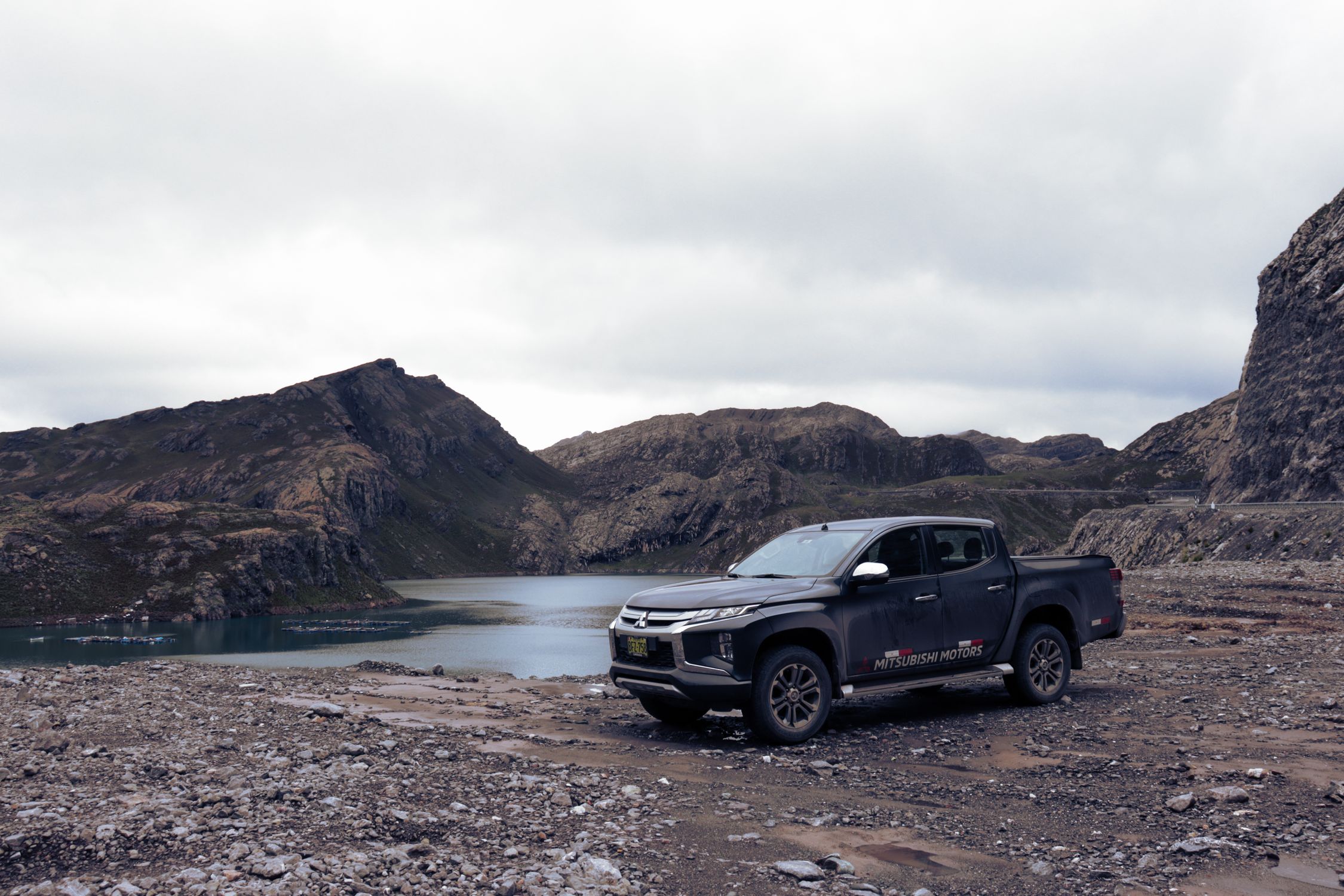
Every company on the Patagonian strip asks for the basics: a valid national driver’s licence and a credit card in the renter’s name. An International Driving Permit (IDP) isn’t a legal must, but Sixt and most others recommend it for non-Spanish licences - it smooths interactions with police and rental staff. Age thresholds vary more than first-timers expect. Sixt lists the minimum age at 18 years, yet adds a mandatory young-driver surcharge for anyone under 22. Chilean Rent-A-Car is stricter: renters must be at least 23 years old, though drivers aged 20-22 can qualify if they have at least two years of driving experience, a policy echoed by ExpatFocus. Most other firms sit somewhere in that 21-23 year window, so check the specific operator’s policy before you build a trip around a rental you might not qualify for. Bring the credit card that will cover the security deposit; a major Visa, MasterCard, or American Express in the renter’s name is non-negotiable, and a debit card typically won’t be accepted as a substitute. These thresholds apply whether you reserve weeks ahead online or walk up without a booking, so don’t assume a same-day rental will have looser rules than the fine print you skimmed at home.
Choosing an Operator: International vs. Local 
Patagonia’s rental counters split cleanly into two camps. The international names - Hertz, Europcar, Budget, Avis, Thrifty/Dollar, and Sixt - run familiar booking platforms and standardized fleets, which is reassuring if this is your first Chilean road trip. The local bench - Localiza, Rosselot, Chilean Rent-A-Car, Econorent, Maki Rentacar, and CalRent - knows the region’s back roads and paperwork quirks better than any global call center will. That local knowledge matters most at the border: Rosselot turns around Chile-Argentina crossing permits in as little as 7-10 days, faster than the 7-21 day range typical across the market. On the flip side, if you need a one-way rental that ends across the border, your options shrink fast - Europcar is one of the few operators that explicitly allows it, and it comes with a steep fee. Match the operator to the trip: a straightforward loop out of a single airport favors the international chains’ simplicity, while a cross-border expedition favors a local firm that already knows the permit office by name. Price alone rarely tells the whole story: a slightly higher local-firm rate that includes faster permit turnaround can save you more in schedule flexibility than a cut-rate international quote that leaves your border crossing in limbo.
Cost by Vehicle Class 
Pricing in Patagonia is transparent thanks to KAYAK’s 2026 data. An economy hatchback runs about $44/day on average, with deep-season deals dipping as low as $18/day. Compact cars sit in the $30-$70 range - a reasonable middle ground if you’re not hauling much gear. The SUV bracket runs $80-$120/day, and the larger 4x4-and-van class that most overlanders end up choosing averages $93/day across the year, with the best rates showing up in the September shoulder season at roughly $63/day. If you’re hauling a surfboard, a bike rack, or a 70 kg pack, the extra clearance and cargo space in that larger bracket outweighs the premium over a compact. Remember that fuel, tolls, and optional insurance are extra on top of the daily rate, so budget a buffer of at least 20% above the base rate before you commit to a booking. Rates also compress as the high season fills local inventory, so locking in a reservation early tends to land you closer to the lower end of each bracket than booking last-minute.
Insurance Basics
Chile’s rental contracts come with a basic Collision Damage Waiver (CDW) that limits your liability, but the coverage ceiling is often low, and Patagonia’s gravel roads are exactly where a low ceiling gets tested. Adding a supplemental loss-damage waiver (LDW), or opting for a third-party travel insurer that includes rental car excess coverage, can shave hundreds off a potential out-of-pocket bill if something goes wrong on a rough backcountry stretch. Before you sign, verify whether the policy actually covers gravel-related damage - many of the roads to remote parks are unpaved, and standard CDWs sometimes carve out an exclusion for anything classified as an “off-road” incident, which can include perfectly normal driving on Chile’s secondary routes. If you’re a member of a credit-card rewards program, check whether it already provides primary rental insurance; that can eliminate the need for a separate purchase entirely. And read the fine print on the young-driver surcharge clauses mentioned above - they sometimes come bundled with a higher deductible, not just a flat daily fee, so a driver under 22 could be facing a bigger bill than the sticker price of the surcharge suggests. That financial exposure matters more in Patagonia than in most rental markets, precisely because roadside assistance and easy tow trucks are scarce once you’re off the main highway - a comprehensive policy is cheap insurance against a very expensive tow.
Road Realities & Tolling 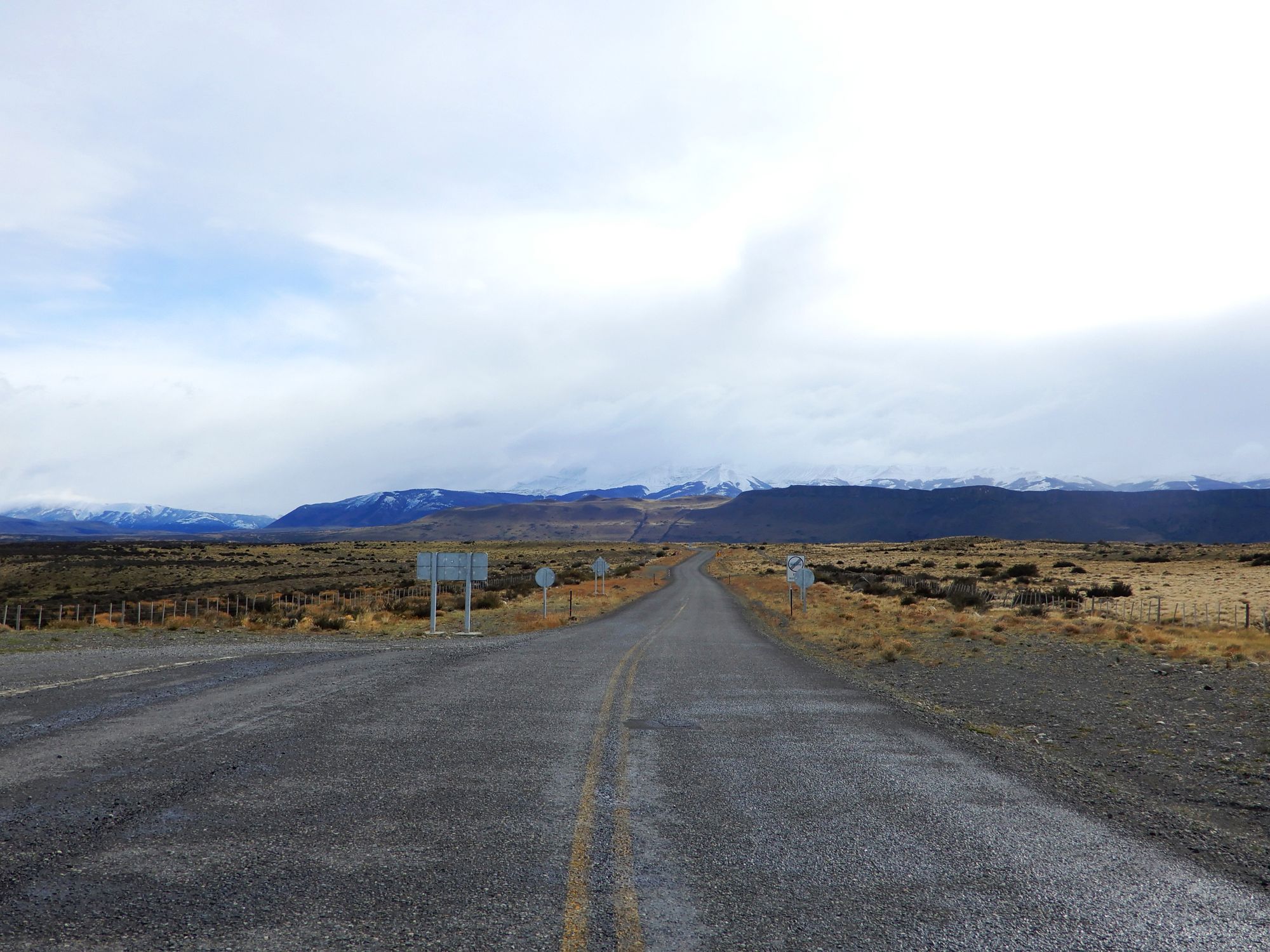
The backbone of Chilean Patagonia is Ruta 5, the Pan-American Highway that snakes from Puerto Montt toward the Argentine border. Toll stations line this corridor, and you’ll need a TAG electronic device or enough cash for each booth - rates are posted per segment and updated annually, as detailed by TollGuru. Secondary routes, like the gravel stretch to Torres del Paine, lack regular signage and can turn slick after rain. A 4-WD isn’t mandatory on these roads, but it adds real confidence on loose surfaces and steep climbs, and it’s the difference between a calm drive and a white-knuckle one when the weather turns. Fuel stations thin out fast once you leave the main towns, so top off whenever you pass a working pump rather than assuming the next one is close - remote stretches can leave you stranded far from a tow truck. Keep a spare tire, a high-lift jack, and a basic repair kit in the trunk regardless of what the rental counter includes; remote drop-offs often leave you entirely on your own if something goes wrong. Toll rates vary by vehicle class and by segment, and TollGuru’s schedule is updated annually, so it’s worth screenshotting the current rates before you set off rather than relying on memory from a previous trip.
Booking Tips & Border Crossing 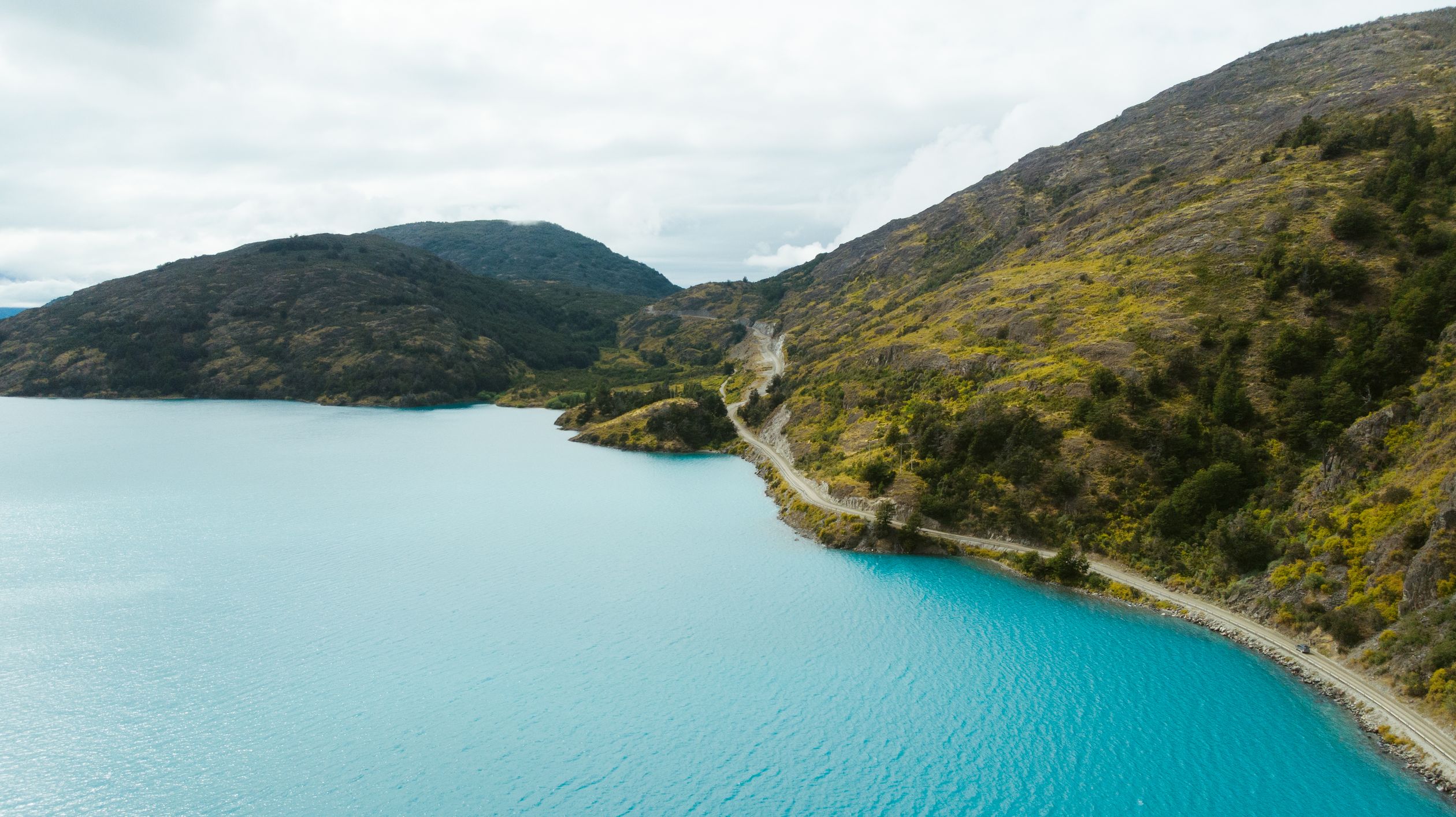
Secure your ride 1-2 months ahead - the high-season surge fills inventory fast, and many firms require border-crossing permits to be arranged well before you pick up the car. Only about 60% of Patagonian operators allow Chile-Argentina border crossings at all, so confirm this before you fall in love with a rate. Fees for the permit range from $80 to $200 USD, and processing can take 7-21 days; local companies like Rosselot are the quickest, turning permits around in 7-10 days, which matters if your itinerary is set in stone. One-way rentals that cross the border are rare across the board; Europcar is one of the few operators that explicitly permits them, albeit with a steep surcharge attached. When you book, use a comparison platform such as DiscoverCars to view all available fleets side by side and filter for border-crossing-allowed operators in one pass. Confirm the pickup location’s own policy directly as a final step, since some individual offices require an extra waiver signed in person even when the company as a whole allows crossings. Finally, load a TAG device before you hit Ruta 5 and keep a cash envelope on hand for any tolls you might hit on secondary roads where the electronic lanes don’t reach.
What to Pack
Your navigation gear can be the difference between a smooth summit push and a night-long scramble for a signal. Here’s how the three most capable GPS watches on the market stack up for a Patagonia trip:
-
Garmin fēnix 8 Solar Sapphire 51mm ($1,199.99) - The 1.4” solar sapphire touchscreen pairs with up to 149 hours of GPS battery life (48 days in smartwatch mode), which matters when charging outlets are scarce for days at a stretch. The case is dive-rated to 40m and holds a built-in LED flashlight for low-light bivys, and multi-band GPS/GLONASS/Galileo/BeiDou tracking keeps you oriented even in Patagonia’s canyon terrain. The tradeoffs: it’s a premium buy north of $1,100, and at 89g it’s heavier than its two rivals here.
-
COROS VERTIX 2S Adventure GPS Watch ($699.00) - Rated for 40 days in smartwatch mode and 118 hours of full GPS tracking, with dual-frequency GPS/GLONASS/Galileo/BeiDou for precise reads in tight canyons. The sapphire crystal screen and titanium bezel hold up to trail abuse, and at $699 it’s the value pick of the three. It gives up ground on app ecosystem size next to Garmin, and it skips the built-in flashlight.
-
SUUNTO Vertical Adventure GPS Solar Watch ($649.00) - A solar-assisted 60-day battery in daily mode and a large 1.4” color touchscreen with free global offline maps make this the pick for hikers navigating the labyrinthine trails around the Southern Ice Field. Over 95 sport modes cover anything you’d throw at it. The touchscreen can lag in cold conditions, and heart-rate accuracy trails a proper chest strap.
Beyond the wrist gear, pack a sturdy roof rack, a portable power bank, a spare tire kit, and a compact shovel for unexpected snow drifts on the higher passes. Layered clothing, waterproof gaiters, and a reliable dry-bag are non-negotiable when you’re chasing wind-swept ridgelines where the weather can turn in the time it takes to refuel. Round out the kit with a set of recovery boards for soft sand or mud, a 12V cooler to keep food and medication cold between remote stops, and a stocked first-aid kit - all standard gear for the Carretera Austral crowd.
Mistakes to Avoid
- Skipping the TAG - Relying solely on cash can back you up at a toll booth, especially on Ruta 5 where electronic lanes are the norm and cash lanes are the exception, not the rule.
- Assuming Unlimited Mileage - Some contracts cap daily kilometers; exceed the limit on a long Patagonian loop and you’ll face steep overage fees that can dwarf the daily rental rate.
- Renting a Small Car for Remote Parks - Economy hatchbacks feel cramped with gear and struggle on gravel; upgrade to the SUV or large 4x4 bracket if you’re tackling the Carretera Austral or anything past the main highway.
- Neglecting Border Permit Timing - Waiting until the last minute can leave you stranded at the border with a 7-21 day processing window still running; start the paperwork the moment your rental is confirmed, not the week before you fly.
- Forgetting Insurance Nuances - Relying on the basic CDW without a supplemental excess waiver can expose you to costly repairs after a routine gravel slip that the base policy was never designed to cover.
Every one of these mistakes is avoidable with a few minutes of homework before you leave the rental counter, and every one of them is expensive to fix once you’re three hours down a gravel road.
Plan, pack, and drive smart, and Patagonia’s wild heart will reward you with unforgettable miles.
Related Reading
Get price-drop alerts and new guides from BoldTripGuide
One email a week: price drops on the gear we recommend, new guides, and what changed. No spam, unsubscribe anytime.